
Please note: a valid prescription is required for all prescription medication.
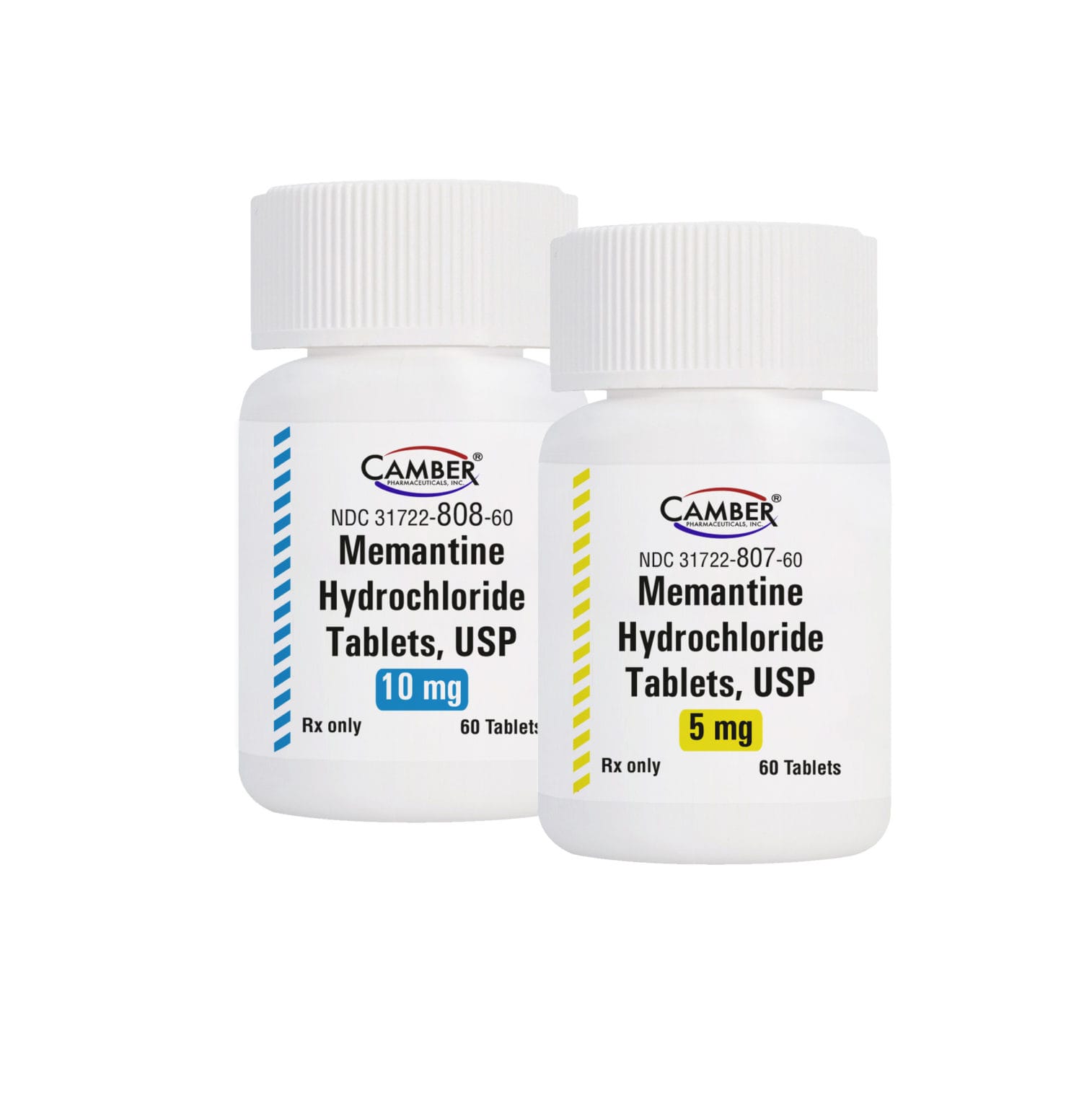
Memantine
Buy Memantine Online
Secure Encrypted Payments
Memantine is a dementia medication used for moderate to severe dementia of the Alzheimer’s type. You can buy Memantine online, view the current price, and choose the strength and form that match the directions from the clinician managing care. Tablet and oral solution choices should be matched carefully because daily routines often depend on exact dosing and caregiver planning.
Memantine is also known by the brand name Namenda in some records. The active ingredient may appear as memantine hydrochloride or memantine HCl, depending on the manufacturer and pharmacy document. When medical records use both names, focus on the active ingredient, form, strength, and quantity rather than the name alone.
Memantine Price, Strength, and Form Choices
Memantine price comparisons work best when the form, strength, and quantity are the same. A lower amount may not be the better value if it reflects a smaller supply, a different strength, or a liquid instead of tablets. Caregivers should match the order to the care plan before weighing the total cost.
Memantine tablets may be shown as 5 mg, 10 mg, or 20 mg. Oral solution is handled differently because a liquid dose is measured by volume, while the active ingredient is still calculated in milligrams. Do not use a different strength to recreate a dose unless the care team has provided clear instructions.
| What to compare | Practical reason |
|---|---|
| Current price | The displayed amount can change with form, strength, and quantity. |
| Strength | 5 mg, 10 mg, and 20 mg tablets are not interchangeable by name alone. |
| Form | Tablets and oral solution require different handling and measuring habits. |
| Quantity | Tablet count or bottle contents affect how long the supply may last. |
| Name on records | Namenda, memantine HCl, and memantine hydrochloride can refer to the same active ingredient in different documents. |
If you are looking at Memantine cost for cash-pay access, compare the full supply rather than a single label line. For tablets, the strength and number of tablets determine the amount supplied. For oral solution, the bottle contents and concentration affect how many measured doses it can provide.
Quick tip: Match the form, strength, and quantity to the care plan before comparing the displayed price.
How to Order Memantine Online
Order Memantine online by choosing the form and strength that align with the written care directions. Keep medication records nearby so the active ingredient, dose strength, quantity, and caregiver instructions can be checked consistently. If order information needs clarification, the goal is to prevent a mismatch before the medicine is supplied through licensed pharmacy channels.
US delivery from Canada may be shown as part of the service context for eligible orders. Treat that information as a logistics detail, not a reason to rush the medication choice. If prompt, express shipping appears during checkout, review it alongside the address, quantity, and timing needs without assuming a guaranteed arrival date.
Online medication ordering should be deliberate, especially when a family member or caregiver coordinates dementia treatment. The Alzheimer’s Disease category can help you keep condition-related products and care topics organized while preserving the clinician’s directions as the source for individualized use.
What Memantine Treats in Alzheimer’s Care
Memantine is used for moderate to severe dementia of the Alzheimer’s type. It is not a cure for Alzheimer’s disease, and it does not reverse the underlying condition. Some people may experience symptom-management benefit as part of a broader care plan that includes supervision, routines, safety planning, and regular follow-up.
The medicine belongs to a group called NMDA receptor antagonists. In plain language, it affects a glutamate-related receptor involved in nerve signaling in the brain. This mechanism is different from cholinesterase inhibitors, another group of Alzheimer’s medicines that includes drugs such as donepezil.
Caregivers often ask what stage of dementia Memantine is used for. The answer is moderate to severe Alzheimer’s-type dementia, which is why the treatment decision should be tied to the person’s diagnosis, symptoms, kidney function, other medicines, and daily support needs. If symptoms change suddenly, the cause may be infection, dehydration, pain, medication effects, or disease progression, so clinical assessment matters.
Tablets, Oral Solution, and Namenda Name Differences
Memantine HCl tablets and Namenda tablets may appear differently in older records, insurance notes, or pharmacy documents. Generic and brand names can help identify the medicine, but they do not replace the need to match form and strength. A tablet order and an oral solution order should not be treated as the same caregiver task.
Tablets are usually organized by milligram strength and tablet count. Oral solution requires accurate measuring and a consistent administration routine. Household spoons are not reliable measuring tools, so liquid medicine should be measured using the device or instructions supplied with the medication.
If the care plan changes from tablets to liquid, or from liquid to tablets, ask for clear written directions. Swallowing ability, caregiver availability, and dosing schedule can all affect which form is safest and easiest to manage. A change in form can also change storage, measuring, and documentation habits at home.
Use Schedule, Timing, and Missed-Dose Questions
Memantine is commonly taken on a regular schedule, but the exact timing should follow the person’s care directions. Some people take dementia medicines in the morning, while others may be told to take a dose later in the day. If a clinician recommends nighttime use, the reason may relate to tolerability, routine, or other medicines in the schedule.
Do not change the timing just because a side effect appears or because the routine becomes inconvenient. Dizziness, sleepiness, or confusion can have several causes in an older adult, and adjusting medicine without guidance may make monitoring harder. A written medication chart can help caregivers record when doses were taken and what symptoms occurred afterward.
Missed-dose instructions should be clarified in advance. Care teams often prefer a consistent plan because duplicate dosing can increase adverse effects, while skipped doses can complicate symptom tracking. Keep notes on missed doses, falls, bowel changes, sleepiness, and sudden behavior shifts so follow-up conversations are more specific.
Side Effects, Warnings, and Monitoring
Common Memantine side effects can include dizziness, headache, confusion, constipation, and sleepiness. These symptoms deserve attention in Alzheimer’s care because they can affect fall risk, appetite, hydration, toileting routines, and caregiver supervision. A symptom that seems mild in a younger adult may be more disruptive for someone with dementia.
Serious symptoms need prompt medical attention. Seek urgent help for trouble breathing, swelling of the face or throat, severe rash, fainting, chest pain, seizure, or severe new confusion. Sudden worsening may not be caused by Memantine, but it should not be ignored because infections, dehydration, pain, or other medicines can look like dementia changes.
- Dizziness: Track timing and falls risk, especially after standing.
- Confusion: Record whether it is new, worsening, or linked to another illness.
- Constipation: Watch bowel habits, hydration, and discomfort.
- Headache: Note severity, persistence, and new patterns.
- Sleepiness: Consider how it affects mobility and supervision.
Why it matters: A clear baseline helps caregivers notice meaningful changes sooner.
People with kidney disease may need closer monitoring because kidney function affects how Memantine is cleared from the body. A history of seizures, frequent urinary problems, or major changes in alertness should be discussed with the care team. Older adults may also take several medicines, so side effects can overlap.
Interactions and Medicines to Discuss
Memantine can interact with certain medicines and medical situations. Share a complete medication list with the care team, including nonprescription products, vitamins, and supplements. This is especially important when other medicines affect alertness, balance, urine chemistry, or kidney function.
Products that make urine less acidic may increase Memantine levels in the body. Examples discussed in drug references include sodium bicarbonate products and acetazolamide. Other medicines that affect NMDA-related pathways, such as amantadine, ketamine, or dextromethorphan, may also be important to mention.
Some people use Memantine with other Alzheimer’s medicines, including cholinesterase inhibitors. That combination should be followed only when it is part of the care plan. The Neurology Products category may help caregivers identify related neurology therapies for discussion, but dementia medicines are not interchangeable without clinical direction.
- Keep one updated medication list for every appointment.
- Record new symptoms with dates and dose timing.
- Ask what to do if a dose is missed.
- Report falls, fainting, severe constipation, or sudden behavior changes.
Storage, Handling, and Caregiver Routines
Most tablet and liquid presentations should be stored at room temperature, away from excess moisture and heat. Keep the container tightly closed and out of reach of children, visitors, and anyone who may confuse medications. Follow the storage directions supplied with the medicine if they differ from general expectations.
Caregiver routines reduce mistakes. Store Memantine in its original labeled container, keep a dose chart near the medication area, and avoid moving tablets or liquid into unmarked containers. If more than one caregiver helps, written handoff notes can prevent missed or duplicate doses.
Travel planning should keep the medicine identifiable. Carry enough supply for the trip, and keep tablets or oral solution in labeled packaging. If security screening, heat exposure, or caregiver handoff is a concern, ask a pharmacist or clinician how to protect the medicine and preserve clear identification.
Related Neurology and Alzheimer’s Resources
Alzheimer’s care often involves several decisions at once: diagnosis stage, caregiver capacity, medication schedule, fall prevention, sleep, bowel routines, and follow-up visits. The Neurology Resources section can help families prepare better questions for appointments and understand broader treatment topics.
When considering related choices, stay specific. Match the active ingredient, form, strength, quantity, and label directions every time. Medicines used in the same clinical area may have different mechanisms, side effects, monitoring needs, and administration instructions.
Memantine may appear beside Namenda in records because Namenda is a brand name for memantine products in some markets. The practical buying decision still comes down to the medicine supplied, the form, the strength, and how it fits the care plan. If another clinician changes a medicine, update the dementia care team so monitoring remains coordinated.
Authoritative Sources
The medical information above aligns with established drug references describing Memantine use in moderate to severe Alzheimer’s-type dementia, dosage forms, adverse reactions, kidney-related cautions, and interaction considerations.
- MedlinePlus memantine drug information
- NCBI Bookshelf clinical review on memantine
- Official prescribing information for memantine hydrochloride extended-release
This content is for informational purposes only and is not a substitute for professional medical advice.
eGFR Calculator
Estimate kidney filtration using the 2021 CKD-EPI creatinine equation.
eGFR
-
mL/min/1.73 m2
G category
-
requires clinical context
These calculations are for education only and do not replace clinical advice, diagnosis, or treatment. Always confirm medical decisions with a qualified healthcare professional.
Creatinine Clearance Calculator
Estimate creatinine clearance using the Cockcroft-Gault equation.
CrCl
-
mL/min estimate
These calculations are for education only and do not replace clinical advice, diagnosis, or treatment. Always confirm medical decisions with a qualified healthcare professional.
Express Shipping - from $29.99
Shipping with this method takes 3-5 days
Prices:
- Dry-Packed Products $29.99
- Cold-Packed Products $39.99
Shipping Countries:
- United States (all contiguous states**)
- Worldwide (excludes some countries***)
Standard Shipping - $19.99
Shipping with this method takes 5-10 days
Prices:
- Dry-Packed Products $19.99
- Not available for Cold-Packed products
Shipping Countries:
- United States (all contiguous states**)
- Worldwide (excludes some countries***)
What is the main use of Memantine?
Memantine is used to treat moderate to severe dementia of the Alzheimer’s type. It is not a cure for Alzheimer’s disease, but it may help manage symptoms for some people as part of a broader care plan.
What stage of dementia is Memantine used for?
Memantine is generally used for moderate to severe Alzheimer’s-type dementia. The decision depends on diagnosis, symptoms, other medicines, kidney function, and caregiver support.
What are common negatives or side effects of Memantine?
Common side effects can include dizziness, headache, confusion, constipation, and sleepiness. Serious symptoms such as seizure, fainting, severe rash, breathing trouble, or sudden severe confusion need prompt medical attention.
Why is Memantine sometimes taken at night?
Some care plans place a dose later in the day to fit routine or tolerability needs. Timing should follow the clinician’s directions, and caregivers should not change the schedule without guidance.
Is Memantine the same as Namenda?
Namenda is a brand name associated with memantine products in some markets. Records may also use memantine hydrochloride or memantine HCl, so the active ingredient, form, strength, and quantity should be matched carefully.
Rewards Program
Earn points on birthdays, product orders, reviews, friend referrals, and more! Enjoy your medication at unparalleled discounts while reaping rewards for every step you take with us.
You can read more about rewards here.
POINT VALUE
How to earn points
- 1Create an account and start earning.
- 2Earn points every time you shop or perform certain actions.
- 3Redeem points for exclusive discounts.
You Might Also Like
Select options
This product has multiple variants. The options may be chosen on the product page
Select options
This product has multiple variants. The options may be chosen on the product page
Select options
This product has multiple variants. The options may be chosen on the product page
Select options
This product has multiple variants. The options may be chosen on the product page