
Please note: a valid prescription is required for all prescription medication.
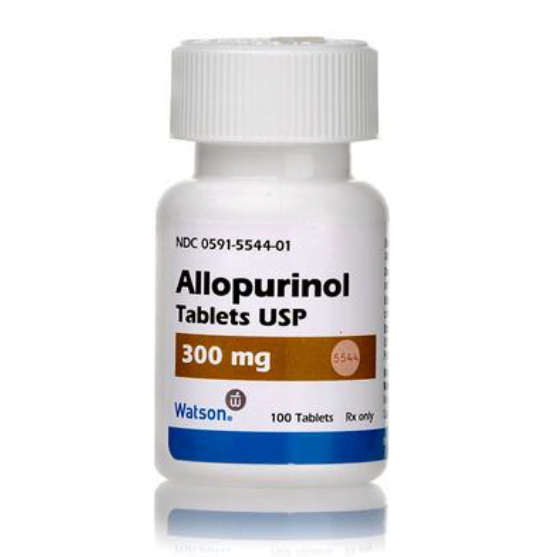
Allopurinol
Buy Allopurinol Online
Secure Encrypted Payments
Allopurinol is a urate-lowering medication used to help prevent gout attacks and manage high uric acid over time. You can buy Allopurinol online, view the current allopurinol price, and choose the tablet strength shown during ordering to match your clinician’s directions. BorderFreeHealth offers US delivery from Canada for customers using regulated pharmacy channels.
Allopurinol tablets are taken as ongoing prevention, not as a fast pain reliever for a sudden gout flare. The medicine works gradually by lowering uric acid production, so consistent use and follow-up lab monitoring are important parts of treatment.
Allopurinol Price, Tablet Strengths, and Ordering
Allopurinol cost can vary by tablet strength, quantity, manufacturer, and country of origin. During checkout, choose the dose or strength available for Allopurinol tablets and align it with the directions already set for your care. The product is commonly supplied as 100 mg and 300 mg tablets, and some markets may also offer a 200 mg tablet.
Many customers compare allopurinol cash price because gout prevention is often long term. Reviewing the quantity and strength before ordering helps avoid refill gaps, especially if your clinician is titrating the dose based on uric acid results. Country-of-origin information may be shown with the medicine attributes; general context is available under Canada.
Quick tip: Keep your medicine name, tablet strength, and directions together when you reorder, travel, or speak with your clinic.
What Allopurinol Treats
Allopurinol is used for long-term management of gout, a painful inflammatory arthritis linked to uric acid crystal deposits in joints. By reducing uric acid production, it can lower the chance of future flares and help limit urate buildup. It does not treat acute gout pain once a flare has already started.
The medicine may also be used for chronic hyperuricemia, which means high uric acid in the blood. Some treatment protocols use allopurinol to help reduce uric acid complications during cancer therapy, including situations related to tumor lysis syndrome. Those use decisions depend on diagnosis, kidney function, other medicines, and lab results.
Some people ask whether allopurinol for gout is a first-line preventive treatment. For many patients who need urate-lowering therapy, it is a commonly used option, but suitability depends on clinical factors such as kidney disease, prior rash reactions, interacting drugs, and target uric acid goals.
How the Medicine Works
Allopurinol is a xanthine oxidase inhibitor. Xanthine oxidase is an enzyme involved in making uric acid. Blocking this enzyme reduces the amount of uric acid the body produces, which can help crystals dissolve gradually and reduce new crystal formation.
Because uric acid levels shift during early treatment, gout flares can happen when therapy starts. This early flare risk does not mean the medicine is failing. Clinicians often use short-term anti-inflammatory flare prevention, such as colchicine or an NSAID, when starting or adjusting urate-lowering therapy.
Hydration can support kidney health and may help reduce uric acid stone risk. Diet changes alone are often not enough for people with recurrent gout, but moderating alcohol, high-purine foods, and sugary beverages may support the overall plan.
How to Take Allopurinol Tablets
Follow the directions given for your own treatment plan. Allopurinol is usually taken every day, often after food with water to improve stomach tolerability. Taking it at the same time each day may make adherence easier.
Treatment often starts at a lower dose and is adjusted over time using uric acid levels and kidney function. Do not change the dose on your own. If a flare occurs after treatment has begun, clinicians commonly manage the flare separately while continuing urate-lowering therapy, unless there is a safety reason to stop.
Allopurinol is not usually used as a single dose for immediate pain relief. If you have severe joint pain, fever, spreading redness, or a new joint that has never been evaluated, prompt medical assessment is important because infection and other conditions can resemble gout.
Missed Dose and Daily Routine
If you miss a dose, take it when remembered unless it is nearly time for the next scheduled dose. If the next dose is close, skip the missed one and return to the usual routine. Do not take two doses at once to make up for a missed tablet.
Long-term gout prevention works best when daily doses are not frequently missed. Phone reminders, a pill organizer, calendar alerts, or refill synchronization can help. If side effects or cost are making adherence difficult, raise the issue with your healthcare professional rather than stopping suddenly.
Side Effects, Warnings, and Monitoring
Common side effects can include nausea, diarrhea, abdominal discomfort, headache, drowsiness, and mild changes in taste or appetite. Many effects are manageable, but any new symptom should be taken seriously if it worsens, spreads, or appears with fever or rash.
Rash is the key warning sign to report quickly. Rare but serious hypersensitivity reactions can include severe skin peeling or blistering, mouth sores, eye redness, fever, swollen glands, liver problems, kidney problems, or widespread illness. These reactions may include Stevens-Johnson syndrome, toxic epidermal necrolysis, or DRESS, which require urgent care.
People with certain ancestry backgrounds may have a higher risk of severe skin reactions if they carry specific HLA genetic variants. Your clinician may consider genetic screening before treatment in higher-risk groups. Kidney function also matters because reduced kidney clearance can affect dosing and safety.
Routine monitoring may include uric acid levels, kidney function, liver tests, blood counts, and symptom review. Monitoring helps determine whether the tablet strength is working toward the target uric acid and whether treatment remains safe.
Drug Interactions and Cautions
Allopurinol has important drug interactions. Azathioprine and mercaptopurine can be strongly affected and may require major dose changes or a different treatment plan. Warfarin, theophylline, didanosine, and some diuretics may also need closer monitoring.
Ampicillin or amoxicillin may increase rash risk when used with allopurinol. ACE inhibitors and certain water pills may increase some safety concerns, especially in people with kidney impairment. Share your full medication list, including vitamins and herbal products, before starting or changing therapy.
People with a previous severe reaction to allopurinol should not restart it unless a specialist has given clear direction. Discuss pregnancy, plans for pregnancy, or breastfeeding before use. Alcohol excess can raise uric acid and may undermine gout control.
What to Expect Over Time
Uric acid reduction is gradual. Some patients feel frustrated when flares continue early in treatment, but the goal is to reduce future attacks and urate deposits over months. Keeping lab appointments gives your clinician the information needed to adjust treatment safely.
Many people take urate-lowering therapy long term when gout is recurrent, tophi are present, kidney stones occur, or uric acid remains high. The exact duration depends on your medical history and treatment goals. Stopping therapy can allow uric acid to rise again, which may restart the flare cycle.
Why it matters: Allopurinol targets the uric acid process behind gout rather than only masking flare pain.
Storage, Handling, and Travel
Store Allopurinol tablets at room temperature in a dry place away from excess heat and moisture. Keep the container closed, with the label intact, and out of reach of children and pets. Do not store tablets in a bathroom cabinet if humidity is high.
For travel, keep tablets in the original container and pack them in carry-on luggage. Bring enough supply for delays, along with a copy of your medication directions when possible. Border screening is usually simpler when tablets remain in labeled packaging.
Allopurinol ships to US customers through our cross-border service with prompt, express shipping. Avoid leaving mailed or carried medication in very hot, cold, or damp conditions after receipt.
Generic and Brand Name Context
Allopurinol is the active ingredient in well-known brand references such as Zyloprim and Aloprim. Zyloprim is associated with oral allopurinol tablets, while Aloprim refers to an injectable hospital product used in specialized settings. This store medicine is the oral tablet used for outpatient urate-lowering treatment.
An allopurinol generic may be suitable for many patients when the active ingredient, strength, and directions match the treatment plan. Manufacturer appearance, tablet imprint, or country labeling may vary, but the clinical decision should focus on the prescribed active ingredient, dose strength, tolerability, and monitoring.
Related Choices and Treatment Support
If allopurinol is not tolerated or does not meet uric acid targets, clinicians may consider another xanthine oxidase inhibitor or a different urate-lowering strategy. Choice depends on cardiovascular history, kidney function, gout severity, interacting medicines, and prior reactions.
Flare prevention during treatment initiation is a separate decision from long-term uric acid control. Some people use an anti-inflammatory medicine for a limited period while uric acid levels change. That plan should be individualized because kidney disease, stomach bleeding risk, blood thinners, and other factors can limit choices.
For general browsing beyond gout medicines, related pharmacy items may appear under other. Use category browsing for navigation, not as a substitute for clinical guidance about which medicine fits your diagnosis.
Questions to Ask Your Healthcare Professional
- What uric acid target applies to my gout history?
- Which Allopurinol tablet strength should I use now?
- How often should my uric acid and kidney function be checked?
- Should I use short-term flare prevention when starting therapy?
- What rash or allergy symptoms mean I should seek urgent care?
- Do any of my current medicines interact with allopurinol?
- How should I handle treatment if a gout flare occurs?
Authoritative Sources
Health Canada product monograph
This content is for informational purposes only and is not a substitute for professional medical advice.
eGFR Calculator
Estimate kidney filtration using the 2021 CKD-EPI creatinine equation.
eGFR
-
mL/min/1.73 m2
G category
-
requires clinical context
These calculations are for education only and do not replace clinical advice, diagnosis, or treatment. Always confirm medical decisions with a qualified healthcare professional.
Creatinine Clearance Calculator
Estimate creatinine clearance using the Cockcroft-Gault equation.
CrCl
-
mL/min estimate
These calculations are for education only and do not replace clinical advice, diagnosis, or treatment. Always confirm medical decisions with a qualified healthcare professional.
Body Surface Area Calculator
Calculate body surface area from height and weight using the Mosteller equation.
BSA
-
m2, Mosteller equation
These calculations are for education only and do not replace clinical advice, diagnosis, or treatment. Always confirm medical decisions with a qualified healthcare professional.
Ideal & Adjusted Body Weight Calculator
Estimate ideal body weight with the Devine equation and adjusted body weight when actual weight is above the estimate.
Ideal body weight
-
Devine equation
Adjusted body weight
-
IBW + 0.4 x excess weight
Difference from IBW
-
actual minus ideal
These calculations are for education only and do not replace clinical advice, diagnosis, or treatment. Always confirm medical decisions with a qualified healthcare professional.
Express Shipping - from $29.99
Shipping with this method takes 3-5 days
Prices:
- Dry-Packed Products $29.99
- Cold-Packed Products $39.99
Shipping Countries:
- United States (all contiguous states**)
- Worldwide (excludes some countries***)
Standard Shipping - $19.99
Shipping with this method takes 5-10 days
Prices:
- Dry-Packed Products $19.99
- Not available for Cold-Packed products
Shipping Countries:
- United States (all contiguous states**)
- Worldwide (excludes some countries***)
Is there a downside to taking Allopurinol?
Allopurinol can cause side effects such as stomach upset, diarrhea, headache, drowsiness, and rash. Rare severe hypersensitivity reactions can be serious, so new rash, fever, mouth sores, blistering, eye redness, or widespread illness needs urgent medical attention.
Why was Allopurinol taken off the market?
Allopurinol has not been broadly removed from the market as a medication. Certain manufacturers, labels, or supply situations can change over time, but oral allopurinol remains a commonly used urate-lowering medicine for gout and high uric acid management.
How long should you take Allopurinol for gout?
Many people with recurrent gout take urate-lowering therapy long term because uric acid can rise again after stopping. Your clinician will base the duration on flare history, uric acid targets, kidney stone history, tophi, lab results, and tolerability.
Why is Allopurinol sometimes taken at night?
Some people take Allopurinol at night because it fits their routine or reduces awareness of mild stomach upset. The most important point is consistent daily use as directed. If timing causes side effects or missed doses, ask your healthcare professional about a better schedule.
Does Allopurinol treat a gout flare right away?
No. Allopurinol lowers uric acid over time and is used to prevent future flares. Sudden gout pain is usually treated with anti-inflammatory therapy chosen by a clinician, while urate-lowering treatment continues or is adjusted according to the care plan.
Rewards Program
Earn points on birthdays, product orders, reviews, friend referrals, and more! Enjoy your medication at unparalleled discounts while reaping rewards for every step you take with us.
You can read more about rewards here.
POINT VALUE
How to earn points
- 1Create an account and start earning.
- 2Earn points every time you shop or perform certain actions.
- 3Redeem points for exclusive discounts.
You Might Also Like
Select options
This product has multiple variants. The options may be chosen on the product page
Select options
This product has multiple variants. The options may be chosen on the product page
Select options
This product has multiple variants. The options may be chosen on the product page
Select options
This product has multiple variants. The options may be chosen on the product page