
Please note: a valid prescription is required for all prescription medication.
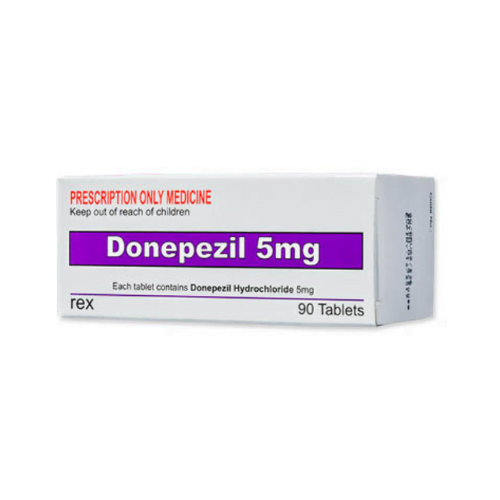
Donepezil
Buy Donepezil Online
Secure Encrypted Payments
Donepezil is an oral medication used for symptoms of dementia associated with Alzheimer’s disease. It can be bought online in 5 mg and 10 mg tablet strengths, including 100-tablet quantities when shown, so the strength and count can match the directions from the treating clinician. Customers ordering for US delivery from Canada can view the current Donepezil price during checkout and choose the tablet strength written on the medicine label.
Donepezil Price, Strengths, and Tablet Choices
Donepezil tablets are commonly compared by strength, quantity, manufacturer, and total checkout amount. The 5 mg and 10 mg strengths are different dose levels and should not be substituted for each other unless a clinician gives new directions. If a 100-tablet quantity is chosen, confirm that the count fits the current routine and refill plan.
Donepezil cost is most useful when you look at the full order, not only the strength on the bottle. Tablet count, generic manufacturer, checkout charges, and any separate brand-name choice can change the amount paid. Caregivers who manage several neurology medicines can use the Neurology Products category to keep related treatment browsing organized.
| Detail to match | Practical reason |
|---|---|
| Strength | Donepezil 5 mg and Donepezil 10 mg tablets are distinct strengths. |
| Quantity | The tablet count affects refill timing and total cash-pay planning. |
| Form | Standard tablets are swallowed; orally disintegrating tablets are different products when available. |
| Generic or brand | Generic Aricept contains donepezil, but packaging and manufacturer may differ. |
Quick tip: Keep the current bottle label nearby when matching strength, tablet count, and dosing time.
How to Order Donepezil Online
Start by choosing the tablet strength and quantity that match the current medicine label. Donepezil 5mg tablets and Donepezil 10mg tablets are often displayed as separate choices, so caregivers should read the strength carefully before adding the item to the cart. If the order is being placed for another person, keep the medicine list and clinic contact information available in case details need clarification.
Cash-pay orders can help families understand the Donepezil tablet price before committing to checkout. For Donepezil without insurance, compare the visible tablet count, the displayed price, and handling choices together so the expected total is clear. If timing is important, plan ahead rather than waiting until only a few tablets remain.
- Match the strength shown on the bottle or care plan.
- Choose the quantity that supports the current refill schedule.
- Do not switch between standard tablets and ODT products unless directed.
- Keep an updated medication list with the order records.
Some orders may use prompt, express shipping depending on the checkout choices available at the time. Keep the product in its original container after arrival so caregivers can identify the active ingredient, strength, manufacturer, and expiration date.
Generic Aricept and What Donepezil Treats
Donepezil is the generic name for the active ingredient in Aricept. A label may show donepezil, Aricept, or both, depending on the product and market. The active ingredient and strength matter more than tablet color or shape, because generics may look different after a refill.
Donepezil for Alzheimer’s is used to treat symptoms of dementia linked with mild, moderate, or severe Alzheimer’s disease. It may help some people with memory, attention, communication, and daily functioning, but it does not cure Alzheimer’s disease or stop the condition from progressing. Families often judge benefit by practical changes, such as steadier routines, fewer missed steps, or easier participation in daily care.
This medication belongs to a class called acetylcholinesterase inhibitors. In plain language, it helps preserve acetylcholine, a brain chemical involved in memory and attention. The Alzheimer’s Disease condition category can help organize treatment-related browsing when a care plan includes several medicines or supportive products.
Alzheimer’s symptoms and treatment goals can change over time. Earlier discussions may focus on maintaining independence, while later plans may emphasize safety, eating, sleep, and caregiver routines. Broader neurology articles are grouped under the Neurology article category for families who want background reading alongside product decisions.
Dose Direction Basics and Daily Use
Donepezil dosage is usually once daily, but the exact timing should follow the directions from the treating clinician. Many people take it in the evening because that timing appears on many labels, yet some people experience vivid dreams or sleep disruption. If nighttime dosing causes problems, the care team can decide whether another schedule is appropriate.
A common labeled approach starts with 5 mg once daily and may later increase to 10 mg once daily after tolerability is established. The 23 mg strength exists for certain people with moderate to severe Alzheimer’s disease after stable use of 10 mg, but it is a separate strength and not the same as taking multiple smaller tablets unless a clinician gives that exact instruction. Donepezil doses should not be doubled, split, skipped intentionally, or changed to stretch supply.
If a dose is missed, follow the patient label or ask a pharmacist for guidance. Taking extra tablets to catch up can increase nausea, sweating, dizziness, slow pulse, or fainting. When therapy has been interrupted for several days, a clinician may need to decide whether restarting at a lower strength is safer.
Why it matters: A new fainting episode may point to a heart-rate problem, not ordinary tiredness.
Storage, Travel, and Caregiver Handling
Store Donepezil tablets at room temperature in a dry place away from excess heat and moisture. Bathrooms and kitchens can become humid, so a bedroom drawer or caregiver-managed cabinet is often a better location. Keep the bottle closed and out of reach of children, visitors, and pets.
For travel, keep the tablets in the original labeled container. A written medication list can help caregivers, airport staff, or emergency clinicians identify the active ingredient quickly. If a pill organizer is used, refill it from the labeled bottle so strength and tablet count can be checked regularly.
Time-zone changes can disrupt a once-daily routine. Many caregivers anchor the dose to a familiar habit, such as brushing teeth, evening notes, or another daily medicine time. If a trip is planned, count tablets early and leave enough time for order processing and delivery decisions.
Some customers prefer to browse products by source country when planning cross-border cash-pay orders. The Canada country-of-origin category may be useful for organizing that type of browsing without changing the product’s clinical use.
Side Effects, Warnings, and Monitoring
Side effects are often most noticeable after starting Donepezil or moving to a higher strength. Common effects include nausea, diarrhea, vomiting, reduced appetite, weight loss, muscle cramps, tiredness, headache, dizziness, insomnia, and vivid dreams. The most common side effect many families notice first is stomach upset, especially nausea or diarrhea.
More serious symptoms need prompt clinical review. These include fainting, very slow heartbeat, chest discomfort, black or tarry stools, vomiting blood, new seizures, severe dizziness with falls, or worsening shortness of breath. Older adults with heart rhythm problems, lung disease, frailty, or a fall history may need closer monitoring during dose changes.
People with a known allergy to donepezil or related piperidine medicines should not use this medication. Extra caution is important with a history of slow heartbeat, conduction problems, fainting, stomach ulcers, gastrointestinal bleeding, seizures, asthma, or COPD. Caregivers should report unexplained weight loss, worsening confusion after a change, new swallowing problems, or repeated falls.
Donepezil can interact with several medicine groups. Anticholinergic medicines, including some bladder medicines, sleep aids, allergy products, and older nausea medicines, may work against donepezil’s intended effect or worsen confusion. Heart medicines that slow pulse, certain antidepressants or antipsychotics, and drugs that affect heart rhythm can add to dizziness or fainting risk.
NSAIDs such as ibuprofen or naproxen may increase stomach irritation or bleeding risk in susceptible people. Donepezil is processed partly through CYP3A4 and CYP2D6 liver enzymes, so strong inhibitors or inducers can change exposure and tolerability. Before surgery, dental sedation, or a procedure using anesthesia, the care team should know the current donepezil strength, timing, and recent side effects.
What to Avoid While Taking This Medicine
Avoid changing Donepezil tablets without clinical direction, even when the refill looks different. A color or shape change may simply reflect a different generic manufacturer, but the active ingredient, strength, and imprint should still be verified before the next dose. If the bottle label does not match the care plan, pause and ask the pharmacy for clarification.
Avoid adding sedating over-the-counter products without a medication review. Sleep aids, some allergy medicines, and certain cold products can worsen confusion, dizziness, urinary problems, or falls in older adults. Alcohol may also add to sleepiness or balance problems for some people.
Avoid assuming that memory changes mean the medicine has failed or that a higher dose is needed. Alzheimer’s disease can fluctuate, and infections, dehydration, pain, constipation, sleep loss, and new medicines can all worsen confusion. A clinician can help separate disease progression from a treatable trigger or medication effect.
Compare With Related Alzheimer’s Treatment Choices
Donepezil and brand-name Aricept share the same active ingredient, but the label, manufacturer, and packaging may differ. A person specifically told to use the brand should follow that instruction rather than switching based only on cost. When the care plan allows generic use, donepezil may be chosen as the Aricept generic.
Other Alzheimer’s symptom medicines include rivastigmine, galantamine, and memantine. Rivastigmine may be used in oral forms or as a patch, galantamine is another cholinesterase inhibitor, and memantine works through a different pathway. Practical differences include swallowing ability, dosing schedule, appetite effects, skin sensitivity with patches, sleep effects, and caregiver workload.
Comparisons should focus on the individual care plan, not a general ranking. Switching, combining, or stopping dementia medicines can change appetite, sleep, pulse, falls, and daily function. Bring the current bottle, recent side-effect notes, and caregiver observations to clinic visits so treatment choices are based on real daily patterns.
Authoritative Sources
Established medical references can help confirm label-aligned use, dosing language, side effects, and safety considerations. They are also useful when caregivers want plain-language wording to bring into an appointment.
- MedlinePlus drug information for donepezil
- Mayo Clinic oral-route safety and dosage summary
- NHS guidance on how and when to take donepezil
Keep the current strength, tablet count, dosing time, and complete medication list together when discussing Donepezil with a clinician or pharmacist. That simple record can make refill planning and side-effect review much easier for caregivers.
This content is for informational purposes only and is not a substitute for professional medical advice.
Express Shipping - from $29.99
Shipping with this method takes 3-5 days
Prices:
- Dry-Packed Products $29.99
- Cold-Packed Products $39.99
Shipping Countries:
- United States (all contiguous states**)
- Worldwide (excludes some countries***)
Standard Shipping - $19.99
Shipping with this method takes 5-10 days
Prices:
- Dry-Packed Products $19.99
- Not available for Cold-Packed products
Shipping Countries:
- United States (all contiguous states**)
- Worldwide (excludes some countries***)
What is Donepezil used for?
Donepezil is used to treat symptoms of dementia associated with mild, moderate, or severe Alzheimer’s disease. It may help with memory, attention, communication, and daily function for some people, but it does not cure Alzheimer’s disease or stop progression.
What is the most common side effect of Donepezil?
Stomach upset is one of the most common early side effects, especially nausea or diarrhea. Vomiting, reduced appetite, weight loss, dizziness, insomnia, vivid dreams, and muscle cramps can also occur, particularly after starting or increasing the dose.
Why is Donepezil often taken at night?
Many labels direct once-daily evening use, but timing should follow the clinician’s instructions. Some people have vivid dreams or trouble sleeping, so the care team may adjust timing if nighttime dosing becomes difficult.
Are Donepezil 5 mg and 10 mg tablets interchangeable?
No. Donepezil 5 mg and Donepezil 10 mg tablets are different strengths. Do not switch, double, split, or combine tablets to change the dose unless a clinician gives that instruction.
What should be avoided while taking Donepezil?
Avoid changing the dose on your own and avoid adding sedating over-the-counter products without a medication review. Some allergy medicines, sleep aids, bladder medicines, heart medicines, NSAIDs, and anesthesia-related drugs may raise safety concerns or affect tolerability.
Rewards Program
Earn points on birthdays, product orders, reviews, friend referrals, and more! Enjoy your medication at unparalleled discounts while reaping rewards for every step you take with us.
You can read more about rewards here.
POINT VALUE
How to earn points
- 1Create an account and start earning.
- 2Earn points every time you shop or perform certain actions.
- 3Redeem points for exclusive discounts.
You Might Also Like
Select options
This product has multiple variants. The options may be chosen on the product page
Select options
This product has multiple variants. The options may be chosen on the product page
Select options
This product has multiple variants. The options may be chosen on the product page
Select options
This product has multiple variants. The options may be chosen on the product page