
Please note: a valid prescription is required for all prescription medication.
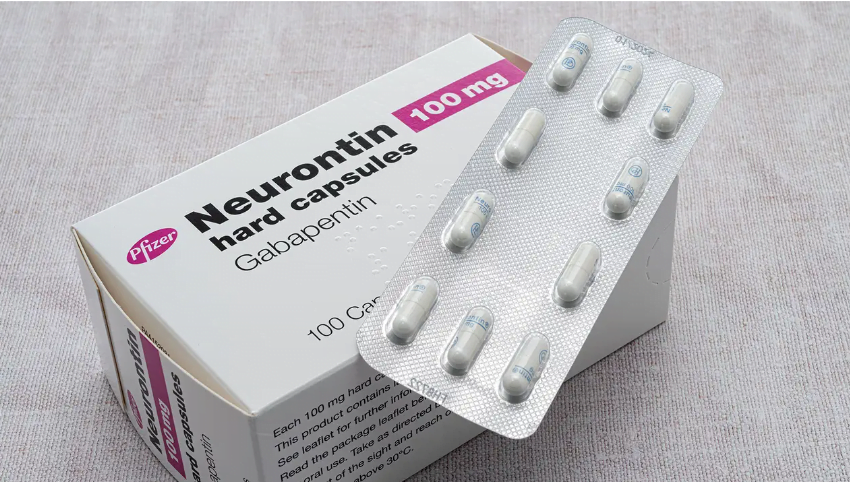
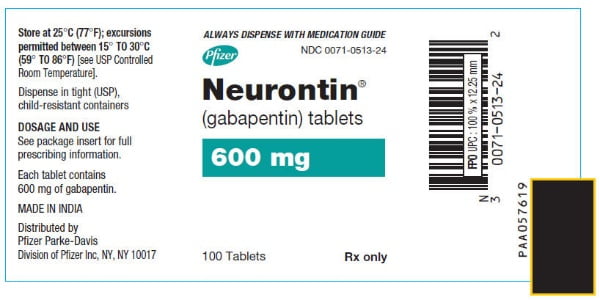
Neurontin
Buy Neurontin Online
Secure Encrypted Payments
Neurontin is a brand-name medicine containing gabapentin, used for certain seizure types and nerve pain after shingles. You can buy Neurontin online, view the current Neurontin price, and choose the strength and form shown during ordering that matches your clinician’s directions. US delivery from Canada may be available for completed orders through licensed pharmacy channels.
Neurontin may appear as capsules, tablets, or oral solution, depending on the strengths being offered. Commonly referenced forms include Neurontin 100 mg and Neurontin 300 mg capsules, along with higher-strength tablets such as 600 mg and 800 mg. Match the active ingredient, form, strength, and quantity carefully so the medicine you receive aligns with the directions on your label.
Neurontin Price and Strength Selection
The Neurontin cost you see during ordering depends on the exact form, strength, and quantity chosen. A Neurontin 300 mg cap, a Neurontin 100 mg capsule, and a Neurontin 600 mg tablet are different ways the medicine may be supplied, so the displayed total should be judged against the amount and form being ordered. Comparing unlike strengths can make one choice look lower or higher without reflecting the intended treatment plan.
Start with the dose strength your clinician wrote into your treatment directions. If the directions call for a capsule, do not assume a neurontin tablet is an interchangeable substitute unless a healthcare professional confirms that change. Tablets, capsules, and oral solution can differ in how they are taken, measured, stored, or adjusted.
When reviewing Neurontin 300 mg price or Neurontin 300 mg cost, focus on the full medicine supplied rather than the strength name alone. A larger tablet strength may not suit a plan built around smaller capsules, and a smaller strength may require a different number of units. The safest buying step is to match the name, active ingredient, form, strength, and quantity before judging the current total.
Quick tip: Match the form and strength first, then use the displayed total for a fair price comparison.
How to Order Neurontin Online
To order Neurontin online, choose the available strength and form that match your label directions. Review whether the medicine is shown as a capsule, tablet, or oral solution, because everyday terms such as neurontin pill may be used broadly but do not replace the specific form shown for ordering. Keep your clinician’s contact information nearby if pharmacy staff need clarification before the medicine is prepared.
BorderFreeHealth helps U.S. customers access cash-pay medicine through licensed Canadian pharmacy channels. Order details may be reviewed for accuracy before the pharmacy completes the order. Shipping information appears during checkout, and prompt, express shipping may be offered when available.
Before finalizing the order, compare the product name, gabapentin as the active ingredient, the strength, and the quantity. If your clinician discussed gabapentin and Neurontin together, clarify whether the brand product or a generic alternative is intended. This matters most when the form or strength must stay consistent for seizure control or tolerability.
What Neurontin Is Used For
Neurontin is mainly used for postherpetic neuralgia in adults, which is nerve pain that can continue after shingles. It is also used as add-on therapy for partial-onset seizures when a clinician decides it fits the treatment plan. These uses help explain why Neurontin is often discussed in both nerve pain and seizure-care settings.
For postherpetic neuralgia, the medicine is aimed at neuropathic pain, meaning pain linked to irritated or injured nerves. It is not a general painkiller for every ache, injury, or inflammatory condition. People often ask whether Neurontin is a good pain killer; the more precise answer is that it may help certain nerve-pain conditions, but it is not the same kind of medicine as an opioid or an anti-inflammatory drug.
For seizure treatment, Neurontin may be used with other antiseizure medicines. Dose changes are often handled gradually, and follow-up can help track seizure patterns, sleepiness, dizziness, and overall tolerability. If you are browsing medicines in a similar treatment area, the Neurology category can help you navigate related products.
Gabapentin, Generic Neurontin, and Brand Comparison
Gabapentin is the active ingredient in Neurontin. When people ask whether Neurontin is the same as gabapentin, they are usually asking about brand versus generic naming. The brand product is Neurontin; generic gabapentin products contain the same active ingredient under the generic name.
A generic for Neurontin may be considered when a healthcare professional agrees and the form, strength, and directions match. A generic neurontin 300 mg search often refers to gabapentin 300 mg, but the buying decision should still be based on active ingredient, dosage form, strength, and quantity. Brand and generic products should not be swapped casually if your clinician has asked you to stay with a specific product.
Country-specific naming, product sourcing, and substitution practices can differ. That does not change the practical step for ordering: confirm whether the intended medicine is Neurontin or gabapentin, then match the exact form and strength. If you are also comparing condition-based choices, see Epilepsy or Postherpetic Neuralgia for related browsing paths.
Forms and Strengths to Check Carefully
Neurontin may be supplied as capsules, tablets, and oral solution. Commonly referenced strengths include 100 mg and 300 mg capsules, plus 600 mg and 800 mg tablets. Availability can vary by ordering moment, so rely on the strengths and forms shown during ordering rather than assuming every presentation is offered at the same time.
Neurontin 300mg is a common search because 300 mg is a widely recognized capsule strength. Still, the right choice is the one that fits your current directions. Do not split tablets, combine smaller strengths, or switch from capsules to solution unless your healthcare professional says that approach is appropriate.
| Detail to match | Why it matters |
|---|---|
| Active ingredient | Neurontin contains gabapentin, which should match the intended medicine. |
| Form | Capsules, tablets, and oral solution are taken and handled differently. |
| Strength | 100 mg, 300 mg, 600 mg, and 800 mg strengths are not interchangeable by name alone. |
| Quantity | The unit count affects the total amount supplied and the displayed cost. |
| Brand or generic | Substitution should match clinician directions and pharmacy requirements. |
Why it matters: Matching the exact medicine helps reduce delays, dosing confusion, and avoidable follow-up questions.
How Gabapentin Works in the Body
Gabapentin is used in conditions involving seizure activity and neuropathic pain. Although its name sounds related to GABA, it does not work by directly activating GABA receptors. It binds to the alpha-2-delta subunit of voltage-gated calcium channels in the central nervous system.
That action may reduce the release of excitatory neurotransmitters, which are chemical messengers involved in nerve signaling. In practical terms, Neurontin can help calm overactive nerve communication in certain conditions. This mechanism supports its role in post-shingles nerve pain and add-on seizure therapy.
Response is not immediate for everyone. Some people notice gradual changes after steady use, while others need adjustments due to side effects or limited benefit. A symptom diary can help your clinician evaluate pain levels, dizziness, sleepiness, coordination changes, or seizure patterns over time.
Side Effects, Warnings, and Monitoring
Common side effects of Neurontin can include dizziness, drowsiness, fatigue, weakness, tremor, coordination problems, blurred vision, swelling in the hands or feet, nausea, and dry mouth. These effects may be more noticeable when starting treatment or after a strength change. Avoid driving, climbing, or operating machinery until you know how the medicine affects you.
Some reactions need prompt medical attention. Seek urgent help for swelling of the face, lips, tongue, or throat; trouble breathing; severe rash; or intense skin reactions. Contact a healthcare professional quickly for new or worsening depression, agitation, unusual mood or behavior changes, or suicidal thoughts.
Breathing problems may be more likely when gabapentin is combined with alcohol, opioids, sedatives, sleep medicines, anxiety medicines, muscle relaxants, or other products that slow the central nervous system. Older adults and people with lung disease may be more sensitive to sedation and slowed breathing. Kidney function also matters because gabapentin is cleared mainly through the kidneys.
- Drowsiness: wait to judge your response before unsafe tasks.
- Coordination changes: use caution with stairs, driving, and balance-sensitive activities.
- Mood changes: report unusual behavior or worsening depression promptly.
- Allergy signs: seek urgent care for swelling or breathing trouble.
- Kidney concerns: ask whether monitoring or adjustment is needed.
Neurontin is not considered a narcotic opioid. Rules around gabapentin can vary by location, and some health systems monitor its use closely because of sedation and misuse concerns. Use it only as directed and avoid sharing it with anyone else.
Interactions and Practical Use Questions
Antacids containing aluminum or magnesium can reduce gabapentin absorption if taken at the same time. Many labels advise spacing these antacids away from gabapentin by a few hours. If you use antacids often, ask a pharmacist how to separate them from Neurontin without disrupting your routine.
Alcohol can add to dizziness and sleepiness. Opioids, sleep aids, anxiety medicines, muscle relaxants, and certain antihistamines may also increase sedation. Bring an updated medicine list to every appointment, including vitamins, supplements, cannabis products, and non-prescription medicines.
Do not stop Neurontin suddenly without medical guidance, especially if it is being used for seizure control. Abrupt changes can raise seizure risk or worsen symptoms. If side effects become difficult, contact your healthcare professional rather than changing the schedule on your own.
Storage, Handling, and Travel
Store Neurontin capsules and tablets at room temperature in a dry place, away from excess heat and moisture. Keep the container tightly closed and out of reach of children and pets. Avoid keeping the bottle in a bathroom if humidity is high.
Oral solution may have storage instructions that differ from capsules or tablets, so follow the label on the container you receive. Do not pour liquid medicine into an unmarked bottle. Use the measuring device recommended by the pharmacist if one is provided.
When traveling, keep Neurontin in your carry-on bag and in its original labeled container. A current medication list can help during medical visits away from home. Customers who prefer country-of-origin browsing can also view products associated with Canada.
Questions to Ask Before Choosing a Strength
Good questions make Neurontin easier to order and safer to use. Ask which form is intended, whether brand or generic gabapentin is acceptable, and what strength should appear on the label. If the directions involve gradual changes, confirm the schedule in writing.
You may also want to ask what to do after a missed dose, which side effects should prompt a call, and whether antacids need to be separated from the medicine. Raise kidney disease, breathing problems, pregnancy, breastfeeding, fall risk, or mood-history concerns before starting or continuing therapy.
- Form choice: capsule, tablet, or oral solution.
- Brand status: Neurontin or gabapentin.
- Side effect plan: when to call for help.
- Interaction review: alcohol, sedatives, opioids, and antacids.
- Monitoring needs: kidney function, mood, balance, and seizure patterns.
Related Neurology and Condition Browsing
Neurontin sits within neurology care because it is used for seizure treatment and certain nerve-pain conditions. If your clinician is evaluating seizure therapy, the Epilepsy category can help you understand how products are organized by condition. If nerve pain after shingles is the concern, the Postherpetic Neuralgia category provides a more focused browsing path.
General educational articles in the Neurology articles section may help you prepare better questions for your next appointment. Internal articles and categories are for navigation and background only; treatment decisions should come from a qualified healthcare professional who knows your medical history.
Authoritative Sources
For official manufacturer information, see the Pfizer Neurontin product information.
For U.S. labeling, consult the FDA-approved Neurontin prescribing information.
For Canadian product status, check the Health Canada Drug Product Database record.
Ordering and Access Notes
Before completing your Neurontin order, make sure the medicine name, active ingredient, form, strength, and quantity match your current directions. If you are paying without insurance, compare the displayed total for the exact form and strength rather than comparing unlike products. Ships from Canada to US may apply through the supported ordering pathway.
Plan ahead if you use Neurontin continuously. Order timing can be affected by clarification needs, pharmacy processing, and carrier handling. Keeping an adequate supply helps reduce the chance of gaps, especially when the medicine is part of seizure management or a steady nerve-pain plan.
This content is for informational purposes only and is not a substitute for professional medical advice.
eGFR Calculator
Estimate kidney filtration using the 2021 CKD-EPI creatinine equation.
eGFR
-
mL/min/1.73 m2
G category
-
requires clinical context
These calculations are for education only and do not replace clinical advice, diagnosis, or treatment. Always confirm medical decisions with a qualified healthcare professional.
Creatinine Clearance Calculator
Estimate creatinine clearance using the Cockcroft-Gault equation.
CrCl
-
mL/min estimate
These calculations are for education only and do not replace clinical advice, diagnosis, or treatment. Always confirm medical decisions with a qualified healthcare professional.
Express Shipping - from $29.99
Shipping with this method takes 3-5 days
Prices:
- Dry-Packed Products $29.99
- Cold-Packed Products $39.99
Shipping Countries:
- United States (all contiguous states**)
- Worldwide (excludes some countries***)
Standard Shipping - $19.99
Shipping with this method takes 5-10 days
Prices:
- Dry-Packed Products $19.99
- Not available for Cold-Packed products
Shipping Countries:
- United States (all contiguous states**)
- Worldwide (excludes some countries***)
What is Neurontin mainly used for?
Neurontin contains gabapentin and is used for postherpetic neuralgia in adults, which is nerve pain after shingles. It is also used as add-on therapy for partial-onset seizures when a clinician decides it is appropriate.
Is Neurontin the same as gabapentin?
Neurontin is the brand name, and gabapentin is the active ingredient. Generic gabapentin products may be an alternative when the form, strength, and clinician directions match.
What are common side effects of Neurontin?
Common side effects can include dizziness, drowsiness, fatigue, weakness, coordination problems, tremor, blurred vision, swelling, nausea, and dry mouth. Seek urgent help for severe allergy symptoms, breathing trouble, severe rash, or serious mood changes.
Is Neurontin a narcotic painkiller?
Neurontin is not an opioid narcotic. It is used for certain nerve-pain and seizure conditions, but it is not a general painkiller for every type of pain and should be used only as directed.
Can antacids interact with Neurontin?
Antacids containing aluminum or magnesium can reduce gabapentin absorption when taken at the same time. Ask a pharmacist how to separate antacids from Neurontin if you use them regularly.
Rewards Program
Earn points on birthdays, product orders, reviews, friend referrals, and more! Enjoy your medication at unparalleled discounts while reaping rewards for every step you take with us.
You can read more about rewards here.
POINT VALUE
How to earn points
- 1Create an account and start earning.
- 2Earn points every time you shop or perform certain actions.
- 3Redeem points for exclusive discounts.
You Might Also Like
Select options
This product has multiple variants. The options may be chosen on the product page
Select options
This product has multiple variants. The options may be chosen on the product page
Select options
This product has multiple variants. The options may be chosen on the product page
Select options
This product has multiple variants. The options may be chosen on the product page