
Please note: a valid prescription is required for all prescription medication.
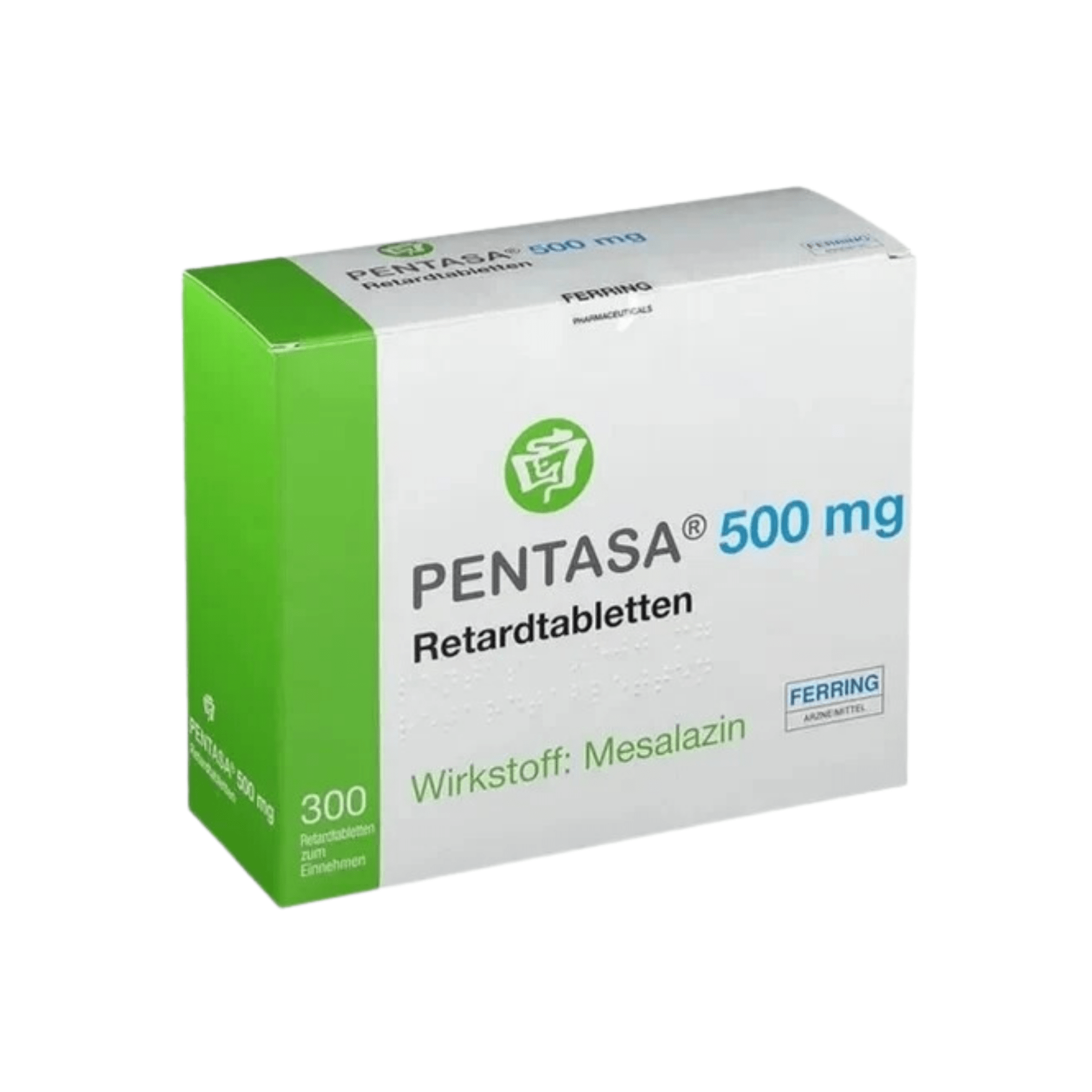
Pentasa Suppositories
Buy Pentasa Suppositories Online
Secure Encrypted Payments
Pentasa Suppositories are rectal mesalazine medicine used when inflammation is mainly in the rectum, including ulcerative proctitis. You can buy Pentasa suppositories online, view the current price during ordering, and choose the available strength that matches your clinician’s directions. The medicine is inserted into the rectum, not swallowed, so the form matters as much as the active ingredient.
Mesalazine is also called mesalamine in the United States. Both names refer to a 5-ASA anti-inflammatory medicine used in inflammatory bowel disease care. Pentasa rectal suppositories are designed for local treatment at the end of the bowel, where symptoms such as bleeding, urgency, mucus, and rectal discomfort may occur.
Pentasa Suppositories Price, Strength, and Ordering Basics
The Pentasa suppositories price can vary by quantity, supply source, and the strength shown during ordering. Review the current cash-pay amount before checkout and match the medicine name, rectal form, and strength to the directions you were given. Pentasa Suppositories are commonly supplied as a 1 g rectal presentation, although availability and packaging can vary by market.
US delivery from Canada may be part of the service context for customers using BorderFreeHealth. Products are supplied through licensed pharmacies, and order details may be checked so the medicine, strength, and instructions align with the requested item. If you are also reviewing the broader disease category, the Ulcerative Colitis condition section can help place rectal treatment in context.
When looking at Pentasa suppositories cost, separate the medicine price from practical treatment fit. A lower-cost fill is only useful if the rectal form reaches the inflamed area and can be retained long enough to work. If symptoms extend higher into the colon, a different rectal form or an oral medicine may be discussed as part of the treatment plan.
Why it matters: Suppositories treat a small target area, so disease location strongly affects whether this form makes sense.
What Pentasa Suppositories Are Used For
Pentasa Suppositories are used for inflammation centered in the rectum, often described as ulcerative proctitis. Proctitis means the lining of the rectum is inflamed. Symptoms may include rectal bleeding, urgency, a frequent need to pass stool, mucus, pain, or a feeling that the bowel has not fully emptied.
Rectal mesalazine is not a steroid. It belongs to the 5-ASA medicine class and works by reducing inflammation in the bowel lining. Because it acts locally after insertion, it may be especially useful when the lowest part of the bowel is the main problem. The Gastrointestinal Products category can help you browse nearby digestive-care medicines without replacing medical guidance.
The same brand name may appear on oral and rectal products, but those forms are not interchangeable. Oral Pentasa products travel through the digestive tract differently, while a suppository delivers medicine directly to the rectum. Switching between tablets, granules, enemas, foams, and suppositories can change which bowel area receives treatment.
Seek prompt medical attention rather than relying on rectal medicine alone if you have heavy bleeding, severe abdominal pain, high fever, fainting, dehydration, or black stools. Those symptoms may need urgent assessment, especially during an inflammatory bowel disease flare.
How to Use Pentasa Rectal Suppositories
Use Pentasa rectal suppositories exactly as directed by your clinician and the leaflet supplied with the medicine. The common Pentasa 1g suppository presentation is inserted into the rectum, usually at a scheduled time such as bedtime when directed. Do not swallow a rectal suppository.
General use steps are usually simple:
- Empty the bowel first if possible.
- Wash and dry your hands.
- Remove one suppository from its wrapper.
- Insert it gently into the rectum, usually pointed end first.
- Stay still briefly so the suppository remains in place.
- Try to retain it for the time described in the supplied instructions.
Quick tip: Using a suppository after a bowel movement may make retention easier.
Many people ask how long a Pentasa suppository takes to dissolve. It is intended to soften and dissolve after insertion, then remain in contact with the rectal lining. If it repeatedly comes out soon after insertion, the delivered amount may be reduced, and a clinician or pharmacist can help troubleshoot timing, technique, or irritation.
Response is not usually immediate. Rectal mesalazine is often used regularly for a period of time, and symptom improvement may take days to weeks depending on the flare, the area involved, and individual response. Worsening bleeding, fever, new severe cramps, or ongoing inability to retain the suppository should be discussed promptly.
Strengths, Active Ingredient, and Form Differences
Pentasa Suppositories contain mesalazine, also known as mesalamine. The commonly referenced strength is 1 g for rectal use. Always use the strength and schedule directed for you, and match the carton and leaflet to the medicine you receive.
| Feature | What to know |
|---|---|
| Active ingredient | Mesalazine, called mesalamine in the U.S. |
| Medicine class | 5-ASA anti-inflammatory bowel medicine |
| Dosage form | Rectal suppository for local delivery |
| Common strength | 1 g presentation, depending on supply |
| Main use context | Inflammation centered in the rectum |
Package appearance may differ across countries or manufacturers. The key identifiers are the active ingredient, strength, rectal form, and patient instructions included with that supply. Do not assume a product is the same because the brand name looks familiar; oral, enema, foam, and suppository forms can reach different areas of the bowel.
If you are exploring country-of-origin context for store medicines, the Canada origin section provides related browsing information. For health education beyond a single medicine, the Gastrointestinal Articles section includes digestive-care topics that may support discussions with your care team.
Storage, Handling, and Travel
Store Pentasa Suppositories in the original packaging and follow the temperature instructions printed on the carton or leaflet. Suppositories can soften with heat more easily than many tablets. Protect them from excess heat, direct sunlight, and moisture, and keep them away from children and pets.
Leave each suppository sealed until it is time to use it. If a unit looks melted, cracked, unusually soft, or damaged, ask a pharmacist whether it is still suitable. Do not try to reshape a softened suppository unless the supplied instructions specifically allow a safe handling step.
For travel, keep the labelled carton with you when practical. A copy of the treatment directions can help explain why you are carrying a rectal medicine. If logistics apply to your order, prompt, express shipping may be used depending on the medicine and service process, but storage instructions still matter once the package arrives.
Side Effects, Warnings, and Monitoring
Pentasa suppositories side effects are often local or mild, but they should still be taken seriously. Common effects may include rectal discomfort, irritation during insertion, a feeling of needing to pass stool, abdominal pain, gas, nausea, or headache. Some people notice temporary urgency soon after placing the suppository.
Less common reactions need faster attention. Stop using the medicine and seek medical help if you develop chest pain, shortness of breath, swelling of the face or throat, a widespread rash, severe abdominal pain, dark urine, new swelling, a major drop in urination, or fever with worsening bloody diarrhea. Mesalazine products can rarely cause an intolerance reaction that resembles a sudden flare.
- Common effects: rectal irritation, headache, nausea, and mild abdominal discomfort.
- Watch closely: increasing cramps, worsening bleeding, fever, or persistent diarrhea.
- Get help quickly: allergy symptoms, chest pain, breathing trouble, or facial swelling.
- Monitoring may matter: kidney checks may be recommended during longer treatment.
Tell your clinician about prior reactions to mesalazine, mesalamine, aspirin-like medicines, or other salicylates. Extra caution may be needed with kidney disease, liver disease, pregnancy, breastfeeding, or medicines that can affect kidney function. Regular use of certain pain relievers, immune-suppressing medicines, or other 5-ASA products should also be part of the medication discussion.
Not every worsening symptom means the medicine caused the problem. Ulcerative proctitis can flare on its own, and insertion irritation can overlap with disease symptoms. Clear worsening after starting treatment, however, should be assessed rather than ignored.
How Rectal Suppositories Compare With Other Options
The best suppository for ulcerative colitis symptoms depends on where the inflammation is located. A suppository is often used when inflammation is limited to the rectum. Enemas can reach farther into the left side of the colon, while foams may offer a different balance of reach and retention.
Another rectal 5-ASA product, such as Salofalk, may be considered when the same drug class is appropriate but product specifics differ. A rectal steroid option, such as Uceris Rectal Foam, belongs to a different anti-inflammatory category and may be discussed when steroid therapy is preferred for a particular flare.
Practical routine often influences the final choice. Suppositories are small and targeted, but they mainly treat the rectum. Enemas may cover a wider area but can feel harder to retain. Foams may be easier for some people, though the right choice depends on disease extent, previous response, side effects, and daily feasibility.
Because mesalazine and mesalamine names can vary by country, product labels may not look identical across markets. Focus on the active ingredient, strength, rectal form, and supplied directions rather than brand recognition alone.
Questions to Discuss Before Starting or Reordering
A focused discussion can prevent mismatches between symptoms and treatment form. Ask whether your current symptoms still appear limited to the rectum, whether a suppository can reach the inflamed area, and whether the strength and schedule remain appropriate. If symptoms have changed since the last fill, that update matters.
It is also useful to ask how long to keep using the medicine, what improvement should look like, and when to report worsening symptoms. Some treatment plans use rectal mesalazine for active symptoms, while others may involve maintenance strategies. Do not change frequency or combine bowel medicines unless your clinician has told you to do so.
Bring an updated list of all medicines, supplements, and over-the-counter pain relievers. This is especially important for people with kidney concerns, older adults, and anyone taking several gastrointestinal medicines. A clear list helps reduce duplicate 5-ASA use and highlights drugs that may need closer monitoring.
Authoritative Sources
For general rectal mesalamine information, see the Mayo Clinic rectal mesalamine guide.
For patient instructions for Pentasa 1 g suppositories, see the Pentasa 1 g suppositories patient leaflet.
For another clinical explanation of 5-ASA suppositories, see the Cleveland Clinic mesalamine suppository resource.
This content is for informational purposes only and is not a substitute for professional medical advice.
Express Shipping - from $29.99
Shipping with this method takes 3-5 days
Prices:
- Dry-Packed Products $29.99
- Cold-Packed Products $39.99
Shipping Countries:
- United States (all contiguous states**)
- Worldwide (excludes some countries***)
Standard Shipping - $19.99
Shipping with this method takes 5-10 days
Prices:
- Dry-Packed Products $19.99
- Not available for Cold-Packed products
Shipping Countries:
- United States (all contiguous states**)
- Worldwide (excludes some countries***)
What is a Pentasa suppository used for?
Pentasa Suppositories are used for inflammation centered in the rectum, including ulcerative proctitis. They contain mesalazine, also called mesalamine, and are inserted rectally so the medicine can act locally on the inflamed rectal lining.
Are Pentasa Suppositories a steroid?
No. Pentasa Suppositories are not a steroid. They contain mesalazine, a 5-ASA anti-inflammatory medicine used in inflammatory bowel disease care. Steroid rectal products are a separate treatment category.
How do you use Pentasa 1g suppositories?
Follow the supplied leaflet and clinician directions. In general, the suppository is unwrapped and gently inserted into the rectum, often after a bowel movement and at a scheduled time such as bedtime when directed. It should not be swallowed.
What are common Pentasa suppository side effects?
Common side effects can include rectal irritation, discomfort during insertion, urgency, abdominal pain, gas, nausea, or headache. Seek medical help for allergy symptoms, chest pain, breathing trouble, severe abdominal pain, fever with worsening bloody diarrhea, or signs of kidney problems.
How long does a Pentasa suppository take to dissolve?
A rectal suppository is intended to soften and dissolve after insertion, then stay in contact with the rectal lining. If it repeatedly comes out soon after use, ask a clinician or pharmacist about timing, technique, or whether another rectal form may be easier to retain.
Rewards Program
Earn points on birthdays, product orders, reviews, friend referrals, and more! Enjoy your medication at unparalleled discounts while reaping rewards for every step you take with us.
You can read more about rewards here.
POINT VALUE
How to earn points
- 1Create an account and start earning.
- 2Earn points every time you shop or perform certain actions.
- 3Redeem points for exclusive discounts.
You Might Also Like
Select options
This product has multiple variants. The options may be chosen on the product page
Select options
This product has multiple variants. The options may be chosen on the product page
Select options
This product has multiple variants. The options may be chosen on the product page
Select options
This product has multiple variants. The options may be chosen on the product page