
Please note: a valid prescription is required for all prescription medication.
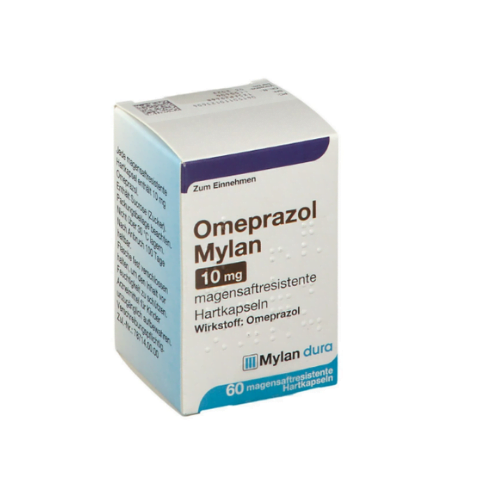
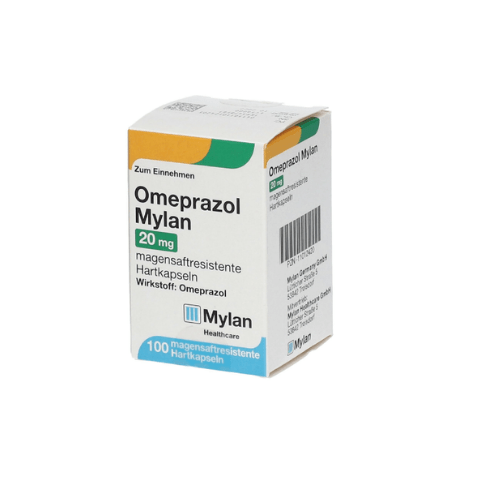
Omeprazole
Buy Omeprazole Online
Secure Encrypted Payments
Omeprazole is a proton pump inhibitor that lowers stomach acid and is used for acid-related conditions such as frequent heartburn, gastroesophageal reflux disease, erosive esophagitis, and certain ulcers. You can buy Omeprazole online and choose the dose or strength shown during ordering to match the directions from your clinician. This medicine is supplied through licensed pharmacy channels, with order details reviewed before pharmacy processing when needed.
Price, Strength Selection, and Ordering
Omeprazole price can vary by strength, quantity, manufacturer, and the form available at the time of purchase. During checkout, select the Omeprazole dose or strength that matches your treatment instructions rather than choosing based only on cost. Many customers look for Omeprazole 20 mg, Omeprazole 40mg, Omeprazole capsules, or Omeprazole tablets, but the correct choice depends on the directions attached to your therapy plan.
Canadian pricing may help patients who pay cash compare their stomach-acid medication costs more clearly. BorderFreeHealth supports US delivery from Canada for this product, and the pharmacy process may include confirmation of order information before the medicine is supplied. Keep the medication name, strength, and quantity consistent with your clinician’s directions so the order can be reviewed accurately.
Quick tip: If your acid-reflux plan is stable, mark your refill date before you run low so therapy is not interrupted.
What Omeprazole Treats
Omeprazole is mainly used for conditions caused or worsened by excess stomach acid. These include gastroesophageal reflux disease, often called GERD, and erosive esophagitis, which means acid-related irritation and injury in the esophagus. It is also used in ulcer care, including gastric ulcers and duodenal ulcers, and may be part of combination regimens for Helicobacter pylori when a clinician directs that approach.
GERD can cause burning behind the breastbone, sour regurgitation, throat irritation, cough, or symptoms that worsen after meals or when lying down. Acid suppression can reduce irritation and help tissue heal when the condition is correctly diagnosed. For more background on reflux symptoms and treatment goals, see Gastroesophageal Reflux Disease.
Ulcer treatment needs a clear diagnosis because pain, bleeding risk, anti-inflammatory medicine use, and H. pylori status can change the plan. Omeprazole may reduce acid exposure while the stomach or upper small intestine heals. If ulcer symptoms are part of your treatment history, the Peptic Ulcer Disease section gives condition-specific context.
How This Acid-Reducing Medicine Works
Omeprazole belongs to a class called proton pump inhibitors, or PPIs. These medicines block the final step of acid production in stomach lining cells. Because they act on acid pumps rather than neutralizing acid already present, their effect builds with consistent use over several days.
Prilosec is the reference brand commonly associated with omeprazole. Generic Omeprazole contains the same active ingredient name, although available forms, strengths, manufacturers, and packaging can differ by market. Customers may also search for generic for Prilosec, Prilosec 20mg, or Prilosec 40mg when they are comparing the active ingredient with the brand name.
Many omeprazole products use delayed-release technology. Delayed-release capsules or tablets are designed to protect the active ingredient from stomach acid until it reaches the small intestine. Do not crush or chew delayed-release medicine unless the official instructions for that exact product allow a different method.
How to Take It Safely
Follow the directions given with your medicine. Omeprazole is often taken before a meal, commonly before breakfast, because timing can help the medicine act on active acid pumps. Taking it at about the same time each day may make symptom control more reliable.
Swallow capsules or tablets as directed. Some delayed-release capsule products may allow the capsule to be opened and the granules sprinkled on soft food, but that depends on the exact formulation. If swallowing is difficult, ask a healthcare professional how to take the specific form you receive without damaging the delayed-release granules.
If you miss a dose, follow the instructions that came with your medication or ask a healthcare professional. In general, people are often advised not to double up to make up for a missed dose. A simple phone reminder can help if daily timing is hard to remember.
Daily Use, Treatment Length, and When to Reassess
Many people ask whether it is okay to take omeprazole every day. Daily use may be appropriate when a clinician recommends it for GERD, erosive esophagitis, ulcer therapy, or a hypersecretory condition. The right length of treatment depends on the diagnosis, response, risk factors, and whether maintenance therapy is needed.
Do not use symptom improvement as the only reason to stop or extend treatment. Acid-related conditions can return if therapy ends too early, while prolonged use may require periodic review. If symptoms continue, worsen, or return quickly after stopping, a clinician may reassess the diagnosis, medication timing, diet triggers, other medicines, or the need for additional testing.
People with rare conditions that cause very high acid production, including Zollinger Ellison Syndrome, may require specialist-supervised acid suppression. Those regimens can differ from typical heartburn or ulcer care, so individualized monitoring is important.
Side Effects, Warnings, and Monitoring
The biggest concern with omeprazole is not usually one single common side effect. Most common effects are mild, but important risks can appear with severe reactions, infections, kidney problems, nutrient changes, or long-term therapy. Contact a healthcare professional promptly if symptoms feel severe, unusual, or persistent.
- Headache
- Abdominal pain or discomfort
- Nausea or vomiting
- Diarrhea or constipation
- Gas or bloating
Serious diarrhea can sometimes signal Clostridioides difficile infection, especially after antibiotic exposure or healthcare contact. Seek medical help for watery diarrhea that is severe, bloody, or accompanied by fever or dehydration. Allergic reactions, new rash, facial swelling, trouble breathing, or severe skin symptoms need urgent attention.
Longer-term PPI use has been associated with low magnesium, vitamin B12 deficiency, bone fracture risk, kidney inflammation, cutaneous or systemic lupus erythematosus, and fundic gland polyps. These risks do not mean everyone should avoid therapy, but they do support regular reassessment. People using omeprazole for extended periods may need lab checks or other monitoring based on age, other conditions, and additional medicines.
Drug Interactions and What to Avoid
Omeprazole can affect medicines that depend on stomach acidity for absorption, including certain antifungal or HIV medicines. It may also interact with clopidogrel, warfarin, diazepam, tacrolimus, methotrexate, digoxin, rifampin, and St. John’s wort. Share all medications, supplements, and nonprescription products with a healthcare professional before combining therapies.
Ask before using omeprazole with antacids, H2 blockers, iron, calcium products, or binding agents if timing is unclear. Some combinations are appropriate, but spacing may matter. If nighttime symptoms continue despite daytime PPI therapy, a clinician may consider another strategy rather than simply adding more medication.
Alcohol, large late meals, high-fat meals, tobacco, and lying down soon after eating can worsen reflux symptoms for some people. These triggers do not replace medical treatment, but avoiding personal triggers may make acid-control therapy work better. For people considering acid-reducing alternatives, the gastrointestinal articles section may help with broader education.
Storage, Travel, and Delivery Basics
Store Omeprazole at room temperature, away from excess moisture, heat, children, and pets. Keep it in the original labeled container so the strength, directions, and expiration information remain easy to identify. Bathrooms and hot cars are poor storage places because humidity and temperature changes can damage many medicines.
When traveling, pack the medicine in your carry-on rather than checked luggage. Bring a current medication list and keep the container label intact. If your routine changes across time zones, ask a healthcare professional how to keep dosing consistent without taking extra doses.
Orders may use prompt, express shipping. Inspect the package when it arrives, confirm the medication name and strength, and store it properly right away. If anything looks different from what you expected, contact the pharmacy before taking the medicine.
Benefits and Practical Expectations
Omeprazole reduces acid at the source, which can help calm frequent heartburn and support healing in erosive esophagitis. Many people appreciate once-daily routines when that schedule is appropriate. Symptom relief may start before full acid-control benefit is reached, so consistent timing matters.
For ulcer care, acid suppression can create a better healing environment. When H. pylori is involved, omeprazole may be used with antibiotics for a defined course. Finishing the full regimen exactly as directed is important because stopping parts of combination therapy early can reduce the chance of successful eradication.
For GERD, medication is only one part of care. Weight changes, meal timing, trigger foods, pregnancy, smoking, and other medicines can all influence symptoms. If chest pain, trouble swallowing, black stools, vomiting blood, unexplained weight loss, or persistent vomiting occurs, seek urgent medical evaluation.
Omeprazole Compared With Other Acid Medicines
PPIs such as omeprazole are different from antacids and H2 blockers. Antacids neutralize existing acid for short-term relief. H2 blockers reduce acid through a different pathway and may be used for milder or intermittent symptoms. PPIs usually provide stronger acid suppression when taken consistently, but the best choice depends on the diagnosis and safety profile.
Other PPI choices may be considered when response, tolerance, interactions, or timing issues arise. Customers often evaluate acid-reducing therapy within the broader Gastrointestinal category. Staying within one consistent medication record can also help identify potential interactions.
Switching between acid medicines should be guided by a healthcare professional, especially if symptoms are frequent, severe, or recurrent. Similar medicines can still differ in interaction profile, timing, and how a person responds. Do not combine multiple acid reducers long term unless a clinician specifically recommends that plan.
Who Should Use Extra Caution
People with a serious allergy to omeprazole or related substituted benzimidazoles should avoid this medicine. Extra caution may be needed for those with liver disease, osteoporosis risk, low magnesium history, kidney problems, autoimmune conditions, or a history of severe diarrhea with antibiotics. Older adults and people taking many medications may need closer review.
Pregnancy, breastfeeding, and pediatric use require individualized guidance. Some children may use omeprazole under clinical direction, but dose and duration decisions differ from adult self-management. Anyone with alarm symptoms, repeated vomiting, unexplained anemia, or swallowing difficulty should be evaluated rather than relying on acid suppression alone.
Questions to Discuss Before Starting or Refilling
- What condition is Omeprazole treating in my case?
- Which strength and timing should I use?
- How long should I continue before reassessment?
- Could any of my current medicines interact?
- Do I need testing for H. pylori or another cause?
- Which side effects should prompt a call?
- Should magnesium, B12, kidney function, or bone health be monitored?
Authoritative Sources
MedlinePlus drug information | Mayo Clinic medicine information
This content is for informational purposes only and is not a substitute for professional medical advice.
Express Shipping - from $29.99
Shipping with this method takes 3-5 days
Prices:
- Dry-Packed Products $29.99
- Cold-Packed Products $39.99
Shipping Countries:
- United States (all contiguous states**)
- Worldwide (excludes some countries***)
Standard Shipping - $19.99
Shipping with this method takes 5-10 days
Prices:
- Dry-Packed Products $19.99
- Not available for Cold-Packed products
Shipping Countries:
- United States (all contiguous states**)
- Worldwide (excludes some countries***)
What is omeprazole mainly used for?
Omeprazole is mainly used to reduce stomach acid in GERD, frequent heartburn, erosive esophagitis, gastric ulcers, duodenal ulcers, and some H. pylori treatment regimens directed by a clinician.
What is the biggest side effect of omeprazole?
Common side effects include headache, abdominal discomfort, nausea, diarrhea, constipation, gas, or bloating. Important risks include severe diarrhea, allergic reaction, kidney problems, low magnesium, vitamin B12 deficiency, and bone-related concerns with longer use.
Is it okay to take omeprazole every day?
Daily use may be appropriate when a clinician recommends it for a diagnosed acid-related condition. The duration should be reassessed because long-term therapy may require monitoring and should match the treatment goal.
What should you avoid when taking omeprazole?
Avoid crushing or chewing delayed-release forms unless the exact product instructions allow it. Ask about interactions with clopidogrel, warfarin, methotrexate, tacrolimus, digoxin, some antifungals, certain HIV medicines, rifampin, and St. John’s wort.
How long does omeprazole take to work?
Some people notice symptom improvement early, but full acid suppression often builds over several days of consistent use. Taking it at the recommended time, often before a meal, can help it work as intended.
Rewards Program
Earn points on birthdays, product orders, reviews, friend referrals, and more! Enjoy your medication at unparalleled discounts while reaping rewards for every step you take with us.
You can read more about rewards here.
POINT VALUE
How to earn points
- 1Create an account and start earning.
- 2Earn points every time you shop or perform certain actions.
- 3Redeem points for exclusive discounts.
You Might Also Like
Select options
This product has multiple variants. The options may be chosen on the product page
Select options
This product has multiple variants. The options may be chosen on the product page
Select options
This product has multiple variants. The options may be chosen on the product page
Select options
This product has multiple variants. The options may be chosen on the product page