
Please note: a valid prescription is required for all prescription medication.
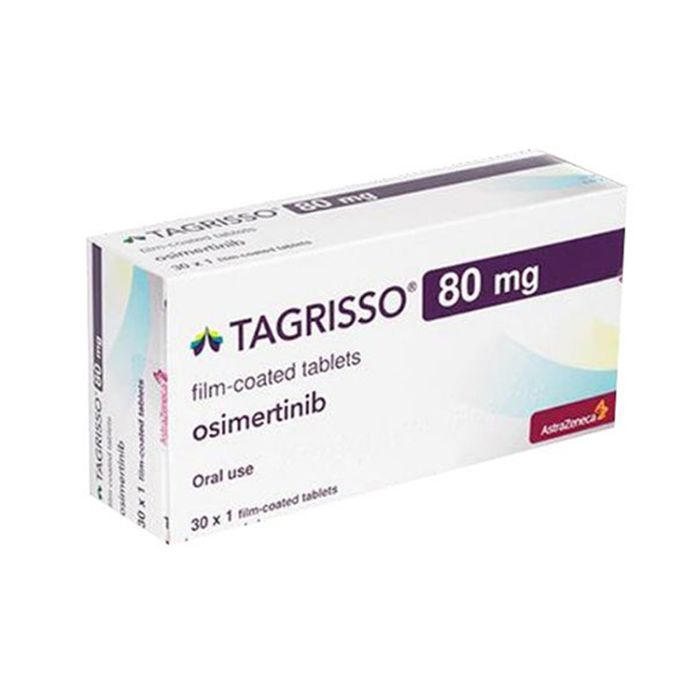
Tagrisso
Buy Tagrisso Online
Secure Encrypted Payments
Tagrisso is the brand name for osimertinib, an oral targeted cancer medicine used for certain EGFR mutation-positive non-small cell lung cancers. It can be ordered through licensed pharmacy channels, with customers choosing the tablet strength and quantity that match their oncology team’s directions. Current Tagrisso price details can be viewed during ordering, including cash-pay context for people comparing Tagrisso from Canada.
Price, Tablet Strengths, and Ordering Basics
Tagrisso tablets are commonly supplied in 80 mg and 40 mg strengths. The 80 mg tablet is often used as the standard once-daily strength, while the 40 mg tablet may be used when a lower strength is needed for a treatment plan or tolerability adjustment. Your order should match the strength, directions, and quantity written by your oncology team.
Tagrisso 80mg price and Tagrisso 40mg tablet cost can vary by quantity, sourcing, and current pharmacy acquisition cost. The final cash price is shown during ordering before you complete your request. If you are comparing Tagrisso cost per month, account for the tablet strength, the number of tablets needed, and any planned treatment-duration changes after imaging or safety monitoring.
BorderFreeHealth helps customers access regulated pharmacy supply with US delivery from Canada. Orders are reviewed for medication, strength, and quantity consistency before pharmacy processing. If your care team changes the dose, update your order information so the tablet strength remains aligned with the current plan.
Quick tip: Keep a written medication list and your current Tagrisso directions together before starting a refill request.
What Tagrisso Treats
Tagrisso is used in adults with non-small cell lung cancer, or NSCLC, whose tumors have specific abnormal epidermal growth factor receptor mutations. EGFR is a growth-signal protein; in some cancers, EGFR mutations can drive tumor growth. Testing is typically used to identify whether the cancer has an EGFR mutation that makes osimertinib an appropriate targeted treatment.
Labeling supports Tagrisso in several EGFR mutation-positive NSCLC settings, including use after surgery in certain resected cases, treatment of metastatic disease, and treatment after earlier EGFR inhibitor therapy when the T790M resistance mutation is present. Treatment decisions depend on mutation results, cancer stage, prior therapy, other health conditions, and the goals of care. For condition background, see non-small-cell lung cancer and the broader cancer medicines category.
Tagrisso is not traditional chemotherapy. It is a targeted EGFR tyrosine kinase inhibitor, meaning it blocks a specific cancer-growth pathway in tumors with susceptible EGFR mutations. It is also not immunotherapy. Those distinctions matter because side effects, monitoring needs, and treatment expectations differ from chemotherapy and immune checkpoint medicines.
How Osimertinib Works
Osimertinib is a third-generation EGFR tyrosine kinase inhibitor. It targets common activating EGFR mutations, such as exon 19 deletions and L858R substitutions, and it can also target the T790M resistance mutation. By blocking EGFR signaling inside cancer cells, it may slow tumor growth in people whose cancer biology matches the medicine.
Tagrisso has documented activity in the central nervous system, which is clinically relevant because lung cancer can spread to the brain. Whether that matters for your treatment depends on imaging, symptoms, and the full treatment plan. Your oncology team may use scans and symptom updates to evaluate how well the treatment is controlling disease over time.
People often ask whether Tagrisso is a “miracle drug.” It is better understood as a targeted medicine that can be very important for the right EGFR-positive cancer, but it is not a cure-all and does not work for every lung cancer. Response, duration of benefit, and side-effect burden vary from person to person.
Dosage and How to Take the Tablets
The commonly recommended Tagrisso dose is 80 mg by mouth once daily, with or without food. Take the medicine at about the same time each day to help maintain a routine. Do not change tablet strength, split treatment days, or take extra tablets unless your oncology team specifically instructs you to do so.
Swallow Tagrisso tablets whole with water when possible. If swallowing is difficult, labeling describes dispersing the tablet in noncarbonated water, stirring until the tablet is broken into small pieces, and drinking the mixture promptly. The tablet does not fully dissolve. Rinsing the glass and drinking the rinse helps ensure the full dose is taken.
If you miss a dose, the labeled guidance is to take it unless the next dose is due within 12 hours. If the next dose is within 12 hours, skip the missed dose and return to the usual schedule. Do not double up doses. Repeated missed doses, vomiting after a dose, or trouble swallowing should be discussed with your care team.
Side Effects, Warnings, and Monitoring
Common Tagrisso side effects include diarrhea, rash, dry skin, nail changes, mouth sores, fatigue, cough, and decreased appetite. Many side effects are manageable when reported early. Keep your oncology team informed about new or worsening symptoms, especially if they affect eating, hydration, sleep, breathing, or daily activities.
Serious risks can occur. Tagrisso labeling includes warnings for interstitial lung disease or pneumonitis, heart problems including decreased left ventricular ejection fraction, QT interval prolongation, eye problems such as keratitis, severe skin reactions, and embryo-fetal harm. Urgent evaluation is important for sudden shortness of breath, new or worsening cough, chest pain, fainting, severe rash, severe eye pain, or vision changes.
Monitoring may include imaging, blood tests, electrolyte checks, heart rhythm evaluation, or heart-function testing, depending on your health history and treatment setting. Tell your care team about heart disease, fainting episodes, abnormal heart rhythm, low potassium or magnesium, eye symptoms, prior lung inflammation, pregnancy, or plans for pregnancy. Effective contraception is generally recommended during treatment and for a period after the last dose, based on official labeling.
Drug Interactions and Practical Cautions
Strong CYP3A inducers can lower osimertinib exposure and may reduce treatment effect. Examples include rifampin, carbamazepine, phenytoin, and St. John’s wort. Share all prescription medicines, over-the-counter products, vitamins, and herbal supplements with your oncology team before starting Tagrisso and whenever another medicine is added.
Medicines that prolong the QT interval may increase heart-rhythm risk when combined with Tagrisso. This can matter for some antiarrhythmics, antibiotics, antipsychotics, and nausea medicines. Your care team may evaluate ECG results, electrolytes, or other risk factors when these combinations cannot be avoided.
Do not stop or restart cancer therapy based only on how you feel. Some side effects need supportive care, dose interruption, dose reduction, or a different treatment strategy. Prompt reporting gives your oncology team the best chance to manage problems safely while preserving the treatment plan when possible.
Storage, Travel, and Handling
Store Tagrisso tablets at room temperature in the original container, with the lid tightly closed. Keep the bottle dry and away from excess heat, direct light, bathrooms, children, and pets. If you use a weekly organizer, keep the original labeled container available so the medication name, strength, and directions remain easy to confirm.
When traveling, carry tablets in hand luggage rather than checked baggage. Bring the labeled bottle, a medication list, and enough supply to cover the trip plus unexpected delays when possible. For time-zone changes, ask your care team how to keep doses close to 24 hours apart without accidentally taking doses too close together.
Orders may be handled with prompt, express shipping. Plan refills before imaging visits, holidays, travel, or expected schedule disruptions. If tablet strength changes, avoid using older tablets in a new way unless your oncology team has clearly explained how to do so.
What to Expect During Treatment
Before starting Tagrisso, tumor testing helps confirm EGFR mutation status. Baseline evaluation may include scans, bloodwork, heart assessment, medication review, and symptom history. During treatment, scans are typically used to assess cancer control, while symptom tracking helps identify side effects or disease changes that need attention.
Life expectancy and effectiveness questions are common, especially for stage 4 lung cancer. No single answer applies to every person. Outcomes depend on mutation type, stage, prior treatments, brain involvement, general health, side effects, and how the cancer responds on follow-up scans. Your oncology team can explain what treatment goals mean in your specific case.
Some side effects appear in the first few weeks, while heart, lung, eye, or skin issues can develop later. Keep a simple diary of doses, diarrhea frequency, rash changes, breathing symptoms, appetite, and fatigue. This gives your care team clearer information when deciding whether supportive care or treatment changes are needed.
Tagrisso Compared With Other Targeted Options
Targeted lung cancer medicines are selected by tumor genetics. Tagrisso is an EGFR-targeted therapy for EGFR mutation-positive NSCLC. Earlier-generation EGFR inhibitors, such as Iressa, may be considered in some treatment contexts, but the best choice depends on mutation results, prior treatment history, and current guideline-based planning.
Other targeted medicines treat different molecular drivers. For example, Retevmo is associated with RET-altered cancers rather than EGFR-mutated disease. This is why molecular testing is so important: two people can both have NSCLC but need different targeted medicines because the cancer-driving mutations differ.
When comparing Tagrisso tablets with alternatives, focus on the confirmed mutation, labeled use, safety profile, monitoring needs, and your care team’s treatment sequence. Price is important, but it should be weighed alongside medication suitability and continuity of supply.
Canadian Supply and Related Browsing
Customers looking for Tagrisso Canadian pricing can view current ordering information and choose the appropriate tablet strength shown during checkout. Products identified as Canadian-origin supply can be browsed through the Canada attribute when relevant. Availability by strength may vary over time, so align refill timing with your treatment schedule.
People managing lung cancer often need broader education and support around treatment decisions. The cancer articles section can help with general reading, while medication-specific decisions should stay tied to oncology guidance and official labeling.
Questions to raise with your oncology team include which EGFR mutation was found, whether any baseline heart or eye testing is needed, which symptoms require urgent contact, how interactions will be managed, how long treatment may continue if tolerated, and what to do if illness or travel disrupts dosing.
Authoritative Sources
This content is for informational purposes only and is not a substitute for professional medical advice.
QTc Calculator
Calculate corrected QT interval from measured QT and heart rate.
QTc
-
milliseconds
RR interval
-
seconds
These calculations are for education only and do not replace clinical advice, diagnosis, or treatment. Always confirm medical decisions with a qualified healthcare professional.
eGFR Calculator
Estimate kidney filtration using the 2021 CKD-EPI creatinine equation.
eGFR
-
mL/min/1.73 m2
G category
-
requires clinical context
These calculations are for education only and do not replace clinical advice, diagnosis, or treatment. Always confirm medical decisions with a qualified healthcare professional.
Body Surface Area Calculator
Calculate body surface area from height and weight using the Mosteller equation.
BSA
-
m2, Mosteller equation
These calculations are for education only and do not replace clinical advice, diagnosis, or treatment. Always confirm medical decisions with a qualified healthcare professional.
Ideal & Adjusted Body Weight Calculator
Estimate ideal body weight with the Devine equation and adjusted body weight when actual weight is above the estimate.
Ideal body weight
-
Devine equation
Adjusted body weight
-
IBW + 0.4 x excess weight
Difference from IBW
-
actual minus ideal
These calculations are for education only and do not replace clinical advice, diagnosis, or treatment. Always confirm medical decisions with a qualified healthcare professional.
Absolute Neutrophil Count Calculator
Calculate ANC from white blood cell count, neutrophil percentage, and optional band percentage.
ANC-cells/uL
ANC-10^9/L
These calculations are for education only and do not replace clinical advice, diagnosis, or treatment. Always confirm medical decisions with a qualified healthcare professional.
Express Shipping - from $29.99
Shipping with this method takes 3-5 days
Prices:
- Dry-Packed Products $29.99
- Cold-Packed Products $39.99
Shipping Countries:
- United States (all contiguous states**)
- Worldwide (excludes some countries***)
Standard Shipping - $19.99
Shipping with this method takes 5-10 days
Prices:
- Dry-Packed Products $19.99
- Not available for Cold-Packed products
Shipping Countries:
- United States (all contiguous states**)
- Worldwide (excludes some countries***)
Is Tagrisso chemotherapy or immunotherapy?
Tagrisso is neither traditional chemotherapy nor immunotherapy. It is a targeted EGFR tyrosine kinase inhibitor used for certain EGFR mutation-positive non-small cell lung cancers.
What strengths do Tagrisso tablets come in?
Tagrisso tablets are commonly available as 80 mg and 40 mg strengths. The strength used should match the treatment directions from your oncology team.
What are common Tagrisso side effects?
Common side effects include diarrhea, rash, dry skin, nail changes, mouth sores, fatigue, cough, and decreased appetite. Report new or worsening symptoms promptly.
What serious symptoms need urgent medical attention?
Seek urgent care for sudden shortness of breath, worsening cough, chest pain, fainting, severe rash, severe eye pain, or vision changes, as these may signal serious lung, heart, skin, or eye problems.
How is Tagrisso effectiveness monitored?
Effectiveness is usually monitored with scans, symptom review, and clinical follow-up. Some people also need heart rhythm, heart-function, electrolyte, or eye monitoring based on risk factors.
Can Tagrisso interact with other medicines?
Yes. Strong CYP3A inducers such as rifampin, carbamazepine, phenytoin, and St. John’s wort may lower osimertinib levels. Some QT-prolonging medicines may raise heart-rhythm risk.
Rewards Program
Earn points on birthdays, product orders, reviews, friend referrals, and more! Enjoy your medication at unparalleled discounts while reaping rewards for every step you take with us.
You can read more about rewards here.
POINT VALUE
How to earn points
- 1Create an account and start earning.
- 2Earn points every time you shop or perform certain actions.
- 3Redeem points for exclusive discounts.
You Might Also Like
Select options
This product has multiple variants. The options may be chosen on the product page
Select options
This product has multiple variants. The options may be chosen on the product page
Select options
This product has multiple variants. The options may be chosen on the product page
Select options
This product has multiple variants. The options may be chosen on the product page