

Please note: a valid prescription is required for all prescription medication.
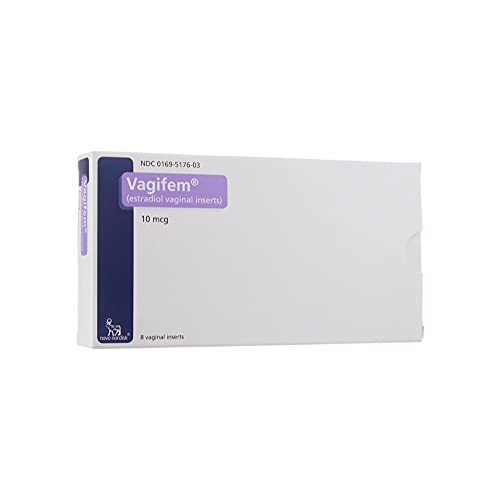
Vagifem
Vagifem Buying Guide With Prescription Basics
Price:
$119.99
Secure Encrypted Payments
Vagifem is a prescription vaginal estradiol insert used after menopause for dryness, burning, irritation, and tissue changes linked to low estrogen. This product page helps patients compare how this medicine is commonly bought through a compliant prescription process, what checks may apply, and what safety issues matter before treatment starts. Some patients explore US delivery from Canada while reviewing lawful ways to obtain a prescribed vaginal estrogen product. Because it contains estrogen, it is not right for everyone, especially people with unexplained vaginal bleeding or certain clotting, liver, or hormone-sensitive cancer histories.
The goal is practical decision support, not a general lecture. Below, patients can review who this local estrogen treatment may fit, how the labeled schedule is usually described, what side effects need prompt attention, and how prescription verification can affect access.
How to Buy Vagifem and What to Know First
Buying this treatment usually starts with confirming that a clinician has prescribed a low-dose vaginal estrogen for postmenopausal symptoms, not an oral hormone product. This service connects U.S. patients with licensed Canadian partner pharmacies, so the page explains the product and the process rather than implying in-house dispensing. For readers still sorting symptoms, the Vaginal Atrophy hub can help place this treatment in context.
This treatment is used locally in the vagina to address changes such as dryness, burning, itching, painful intercourse, and thinning tissue related to menopause. Although the dose is local, it still contains estradiol, so the broader estrogen warnings cannot be ignored. A current medication list, menopause history, and any prior breast, uterine, clotting, stroke, or liver issues matter before a prescription is pursued.
Why it matters: Local estrogen products can help vaginal symptoms, but they are not appropriate for every postmenopausal patient.
It also helps to know what this product is not. It is not an instant lubricant, not a pill to swallow, and not a substitute for a full evaluation when bleeding, pelvic pain, or new urinary symptoms are unexplained. If a prescription has already been written, the next questions are usually whether the strength and form match the intended use and whether any safety review could slow dispensing.
Who It’s For and Access Requirements
This medicine is generally considered for postmenopausal patients with genitourinary syndrome of menopause (vaginal and urinary changes after menopause) or atrophic vaginitis (thinning and irritation of vaginal tissue). Common reasons people look into it include dryness, soreness, itching, burning, discomfort with sex, and urinary irritation linked to low estrogen levels.
It is not automatically the same as systemic hormone replacement therapy. The estradiol is meant to work mainly in local vaginal tissue, so the goal is focused symptom relief rather than whole-body menopause treatment. That said, some systemic absorption can occur, which is why a prescriber still needs to review medical history and other hormone use carefully. People browsing related options can use the site’s Womens Health collection, while the Womens Health Posts archive offers broader background reading.
- Often considered for: postmenopausal vaginal dryness and irritation
- Usually requires: a valid prescription and symptom review
- May need extra review: unexplained bleeding, clot history, estrogen-sensitive cancer history, liver disease
- Helpful before review: an up-to-date medication list and symptom history
Access requirements can vary by jurisdiction and pharmacy policy. In practice, eligibility is usually clearer when the diagnosis, menopause status, and current medication list are documented.
Dosage and Usage
Label-based schedules for low-dose estradiol vaginal inserts are commonly described as one insert daily for two weeks, followed by one insert twice weekly for maintenance. The exact directions should match the prescription and package insert, because individual circumstances can change how a prescriber writes the order.
Vagifem is used in the vagina, not taken by mouth. Hands should be washed and dried before handling, and the supplied applicator or device instructions should be followed exactly as written. If the product pack includes day markers or preloaded applicators, keeping to the labeled sequence can make the routine easier to track.
- Confirm the prescribed strength and schedule.
- Use only by the vaginal route.
- Follow the package instructions for insertion.
- Avoid changing frequency without clinician guidance.
- Report bleeding or significant irritation promptly.
People who miss doses should check the official instructions or a pharmacist’s advice rather than doubling the next dose. The aim is steady, low-dose local treatment, not catch-up dosing.
Strengths and Forms
Patients often search for terms like a vaginal tablet, vaginal pill, or estradiol tabs. The important distinction is that this product is a vaginal insert placed with an applicator, not an oral tablet. That matters for both safety and expectations, since the drug is intended to act mainly in vaginal tissue.
Vagifem is most often discussed in the 10 mcg strength. Some older references or archived materials mention other strengths, but availability can differ by market and over time. Product appearance, packaging, and whether a clinically appropriate equivalent is offered may also vary by jurisdiction.
| Term patients may see | What it usually means |
|---|---|
| 10 mcg vaginal insert | Low-dose estradiol product commonly referenced in current labeling |
| Vaginal tablet or pill | Often shorthand for the insert, not a pill to swallow |
| Yuvafem | Another estradiol vaginal insert name that may appear in the same treatment space |
If packaging language is unclear, checking the label description and route of administration is more useful than relying on search shorthand alone.
Storage and Travel Basics
Storage directions should follow the product carton and package insert, because room temperature ranges and humidity limits can vary by market. In general, the medicine should stay in its original packaging until use and be protected from excess heat, moisture, and direct sunlight.
For travel, keeping the medication in the labeled pack helps avoid confusion at security checks or during a clinical review. A copy of the prescription or medication summary can also be useful when crossing borders or replacing lost luggage. Avoid storing the inserts loose in a purse, toiletry bag, or hot car.
Quick tip: Check the outer carton before travel so the storage range and route of use stay easy to confirm.
Side Effects and Safety
Common side effects can include local irritation, vaginal discharge, headache, abdominal discomfort, back pain, or spotting. Not every patient has these effects, and some symptoms improve as the tissue responds to treatment. Mild early discomfort does not always mean the medicine is unsafe, but persistent pain, worsening irritation, or a reaction that interferes with use deserves review.
Because Vagifem contains estradiol, warning signs still matter even though the dose is local. Unusual vaginal bleeding after menopause, breast changes, severe headache, chest pain, shortness of breath, one-sided leg swelling, weakness on one side, vision changes, jaundice, or signs of an allergic reaction need urgent medical attention. Estrogen products are also generally avoided in people with certain hormone-sensitive cancers, active or prior blood clots, serious liver disease, or unexplained genital bleeding unless a treating clinician determines otherwise.
Another practical question is lubrication. Local estrogen can improve dryness and tissue health over time, which may make sex more comfortable, but it is not an instant personal lubricant. Some people still use a separate moisturizer or lubricant based on clinician advice and symptom pattern. Even at a low dose, some estrogen is absorbed into the body, so official warnings remain relevant.
Drug Interactions and Cautions
Drug interactions with local vaginal estradiol are often less dramatic than with higher-dose systemic estrogen, but review is still important. Other estrogen products, progestins, certain medicines that affect liver enzyme activity, and some vaginal therapies can change overall hormone exposure or make side effects harder to interpret.
- Tell the prescriber about: all hormone therapies and birth control products
- Also mention: vaginal creams, antifungals, moisturizers, or medicated inserts
- Review medical history for: migraines with aura, clotting disorders, liver problems, breast or uterine conditions
- Use extra caution with: new bleeding, pelvic pain, or recurrent urinary symptoms
People often focus only on the vagina-related symptoms, but the safety review is broader. Family history, current medicines, and whether the symptoms could reflect infection, prolapse, skin disease, or another pelvic condition can affect whether this is the right product. Using other vaginal products at the same time can also change comfort or make it harder to tell which item is causing irritation.
Compare With Alternatives
Format can matter as much as the drug itself. Some patients prefer a small insert, others prefer a ring that stays in place for a longer interval, and others do better with a cream that allows measured dosing. The right comparison depends on dexterity, comfort with applicators, sexual activity, symptom pattern, and clinician preference.
| Option | Form | Practical consideration |
|---|---|---|
| Imvexxy | Vaginal insert | Another local estradiol option with a different presentation |
| Estring Vaginal Ring | Vaginal ring | Placed and left in place for a longer interval, so handling is less frequent |
| Vaginal estrogen cream | Cream with applicator | Can suit patients who prefer measured amounts, but it may feel less tidy |
A separate non-vaginal option is an oral selective estrogen receptor modulator in selected cases, but that route has a different safety discussion. If whole-body menopause symptoms such as hot flashes are the main concern, a prescriber may talk through a different treatment category entirely.
Prescription, Pricing and Access
Prescription status is the main access filter. A clinician usually documents the menopause-related indication, reviews contraindications, and confirms that a local estradiol product is appropriate. When needed, the pharmacy confirms prescription details with the original prescriber, which can add an extra verification step before dispensing.
The total cost of Vagifem can vary based on prescribed quantity, the dispensing pharmacy, and any clinical review needed before dispensing. For people without insurance, out-of-pocket totals may differ widely.
Cross-border cash-pay options depend on eligibility and local rules. Stable, site-wide savings information, when available, may appear on the Promotions page rather than on the product label.
Practical documents can matter as much as the prescription itself. An accurate medication list, matching patient details, and a reachable prescriber can reduce avoidable delays. If a clinically appropriate equivalent is substituted, the route of use, strength, and instructions should still be reviewed carefully before the first dose.
Authoritative Sources
For FDA-approved directions and warnings, review the current FDA label for estradiol vaginal insert.
For a broader clinical summary of vaginal estradiol forms, see Mayo Clinic’s estradiol vaginal route monograph.
For official manufacturer prescribing details, review the prescribing information PDF.
If a prescription is approved and dispensing is allowed in the relevant jurisdiction, partner-pharmacy logistics may include prompt, express shipping.
This content is for informational purposes only and is not a substitute for professional medical advice.
Express Shipping - from $25.00
Shipping with this method takes 3-5 days
Prices:
- Dry-Packed Products $25.00
- Cold-Packed Products $35.00
Shipping Countries:
- United States (all contiguous states**)
- Worldwide (excludes some countries***)
Standard Shipping - $15.00
Shipping with this method takes 5-10 days
Prices:
- Dry-Packed Products $15.00
- Not available for Cold-Packed products
Shipping Countries:
- United States (all contiguous states**)
- Worldwide (excludes some countries***)
What does Vagifem do?
Vagifem is a low-dose vaginal estradiol treatment used after menopause to improve dryness, burning, itching, painful sex, and tissue changes caused by low estrogen. It works locally in the vagina rather than as an oral pill. Over time it may help the tissue become less fragile and more comfortable. Response varies, and it is meant for prescription use with a review of medical history and estrogen-related cautions.
Is Vagifem the same as systemic HRT?
Not exactly. Vagifem is a local estrogen product intended mainly for vaginal symptoms, while systemic hormone replacement therapy is designed to treat whole-body menopause symptoms such as hot flashes. Even so, some estradiol can still be absorbed into the body, so label warnings and contraindications still matter. The distinction is useful when comparing treatment goals, but it does not remove the need for a prescription review.
Does Vagifem help with lubrication?
Vagifem may improve vaginal dryness and tissue health over time, which can make sex more comfortable and reduce irritation. It is not an instant lubricant, and it does not replace a moisturizer or lubricant when those are still needed. Patients often notice that the goal is gradual improvement in the vaginal tissue environment rather than immediate slipperiness after the first dose.
What side effects need urgent medical attention?
Urgent evaluation is important for unusual vaginal bleeding after menopause, chest pain, sudden shortness of breath, one-sided leg swelling, severe headache, weakness on one side, vision changes, jaundice, or signs of a serious allergic reaction. Breast changes or marked pelvic pain also deserve prompt review. Because this medicine contains estrogen, clinicians take clotting, stroke, liver, and hormone-sensitive cancer concerns seriously even when the product is used vaginally.
What should be discussed with a clinician before starting Vagifem?
Useful discussion points include the exact symptoms being treated, menopause status, prior breast or uterine problems, any clotting or stroke history, liver disease, unexplained genital bleeding, and all current medicines. It also helps to mention other hormone products, vaginal creams, or inserts already being used. This review helps clarify whether a local estradiol product fits the symptom pattern and whether any extra monitoring or alternative treatment should be considered.
Rewards Program
Earn points on birthdays, product orders, reviews, friend referrals, and more! Enjoy your medication at unparalleled discounts while reaping rewards for every step you take with us.
You can read more about rewards here.
POINT VALUE
How to earn points
- 1Create an account and start earning.
- 2Earn points every time you shop or perform certain actions.
- 3Redeem points for exclusive discounts.
How to book an appointment
- 1Create Begin by completing a profile or log into your existing account. This step ensures we have the necessary information to provide you with a service that's tailored to your needs. account and start earning.
- 2Scheduling an appointment with our online booking system is easy. Pick a day and time that suits you. You’ll receive an immediate confirmation, without the wait.
- 3Discuss your concerns and symptoms and receive a thorough diagnosis from one of our licensed doctors during a confidential video appointment.
- 4If you've been prescribed medication, your Rx is sent directly to one of our licensed pharmacies and delivered right to your door.
Get Started
To book an online doctor appointment, register for an account or login. After doing so, you can book your visit on this page.
You Might Also Like
Select options
This product has multiple variants. The options may be chosen on the product page
Select options
This product has multiple variants. The options may be chosen on the product page
Select options
This product has multiple variants. The options may be chosen on the product page
Select options
This product has multiple variants. The options may be chosen on the product page