
Please note: a valid prescription is required for all prescription medication.
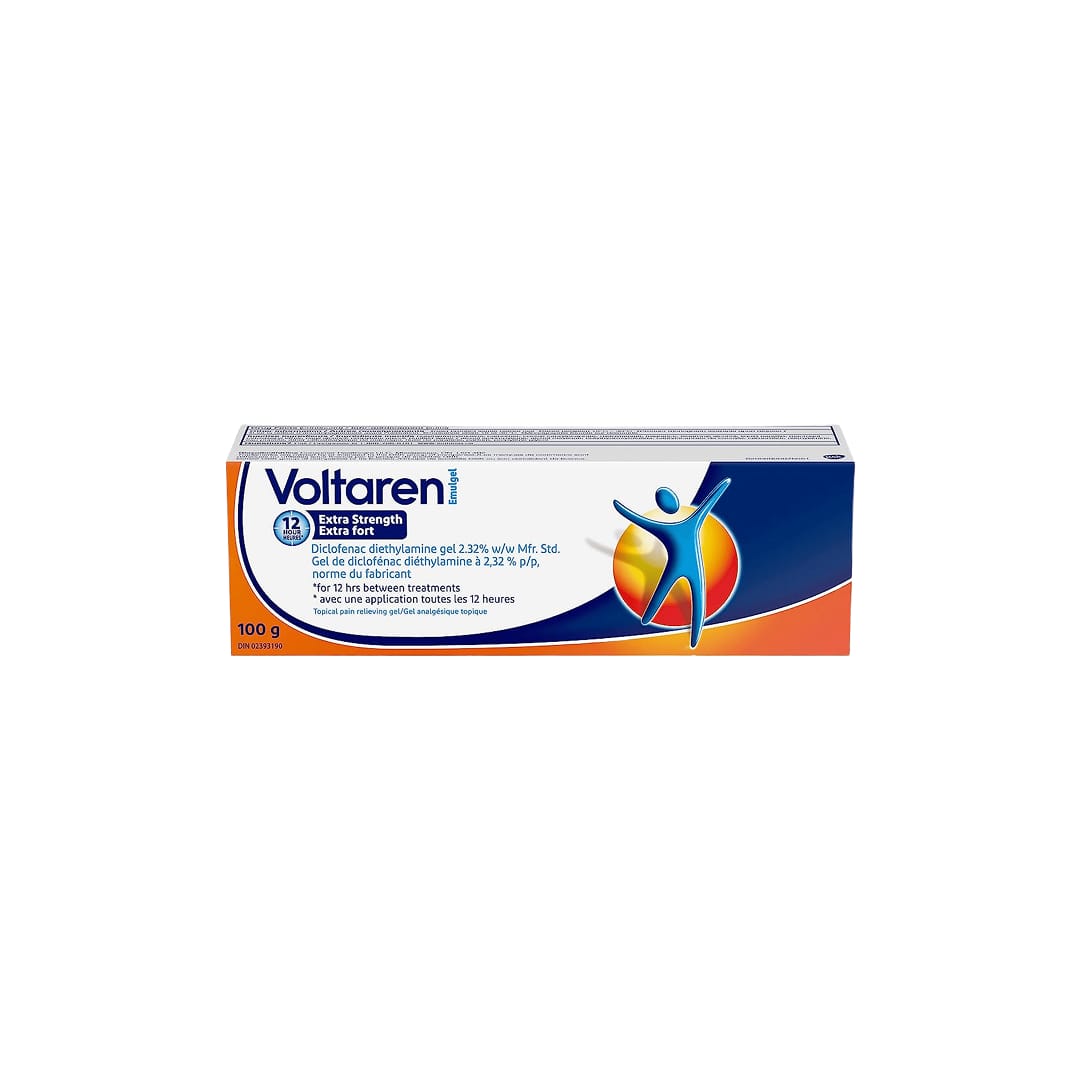
Voltaren Emulgel Extra Strength
Buy Voltaren Emulgel Extra Strength Online
Secure Encrypted Payments
Voltaren Emulgel Extra Strength is a topical diclofenac diethylamine 2.32% gel for localized muscle and joint pain. It can be bought online, with the 2.32% strength and tube quantity shown during ordering so you can match use to the product label and clinician guidance. The gel is applied to the skin over the painful area to help reduce inflammation where it is used.
This extra-strength topical NSAID may suit adults who want targeted relief for osteoarthritis pain or short-term soft-tissue pain such as sprains and strains. BorderFreeHealth sources products through licensed pharmacies, and eligible orders can use US delivery from Canada.
Price, Strength, and Ordering Details
Current Voltaren Emulgel Extra Strength price information is shown with the product choices during ordering. The active strength is diclofenac diethylamine 2.32%, commonly searched as Voltaren Emulgel Extra Strength 2.32% gel or diclofenac 2.32% topical gel extra strength. If more than one tube quantity is offered, choose the amount that fits your expected use and the directions on the package.
Many customers pay out of pocket for topical pain relief. Viewing the cash price before checkout can help you plan for ongoing arthritis care, seasonal flare-ups, or short-term use after minor injuries. Keep in mind that using more gel than directed does not improve safety and can increase the chance of irritation or NSAID-related problems.
For broader treatment browsing, the Pain Inflammation category includes related medicines used for pain and swelling. Product selection should still be guided by the painful area, your medical history, other medicines you use, and any instructions from a healthcare professional.
What This Topical Diclofenac Gel Treats
Voltaren Emulgel Extra Strength is used for localized muscle and joint pain. Diclofenac is a nonsteroidal anti-inflammatory drug, often shortened to NSAID. NSAIDs reduce substances involved in pain and inflammation, which can help ease tenderness, swelling, and stiffness around the treated area.
The gel format is intended for external use on intact skin. Common treatment areas include knees, hands, elbows, ankles, and other localized sites affected by osteoarthritis or minor soft-tissue injuries. It is not meant for whole-body pain, sudden severe pain, deep wounds, infected skin, or symptoms that need urgent medical assessment.
For condition background, our sections on Osteoarthritis and Musculoskeletal Pain explain common causes of joint and soft-tissue discomfort. Those articles can help you prepare better questions, but they should not replace a diagnosis when pain is new, worsening, or unexplained.
Voltaren Emulgel Extra Strength vs Regular Voltaren
The practical difference is strength. Voltaren Emulgel Extra Strength contains diclofenac diethylamine 2.32%. Regular or lower-strength Voltaren gels may contain a different diclofenac concentration depending on the market and product name. Because Voltaren branding varies by country, always read the active ingredient and strength on the tube rather than relying only on the front label.
Extra strength does not mean it is right for every person or every pain type. A higher concentration can be useful when labeled for the painful area and duration of use, but skin sensitivity, other NSAID exposure, and medical risks still matter. If you are switching from another diclofenac product, avoid overlapping products on the same area unless a clinician has advised that plan.
Quick tip: Keep the carton until the tube is finished so strength, directions, and warnings remain easy to find.
How It Works and How to Apply It
Diclofenac works by inhibiting cyclooxygenase enzymes, which are involved in making prostaglandins. Prostaglandins are natural chemicals that contribute to inflammation and pain signaling after joint irritation or soft-tissue injury. Applying the gel directly over the painful area helps concentrate treatment where it is needed, with generally lower total body exposure than an oral NSAID.
Use the gel exactly as directed on the package. Apply a thin layer to the affected area, then gently rub it in until absorbed. Wash your hands after application unless your hands are the treated area. Keep it away from the eyes, mouth, nose, genitals, and broken or irritated skin.
Typical directions for this extra-strength format involve morning and evening application, but your tube label is the source to follow. Do not exceed the maximum number of daily applications. Let the area dry before covering with clothing, and avoid tight bandages, plastic wraps, or heating pads over treated skin because they can increase absorption or irritation.
For short-term injuries such as a Sprain or Strain, topical pain relief should not delay assessment if you cannot bear weight, notice major swelling, see deformity, develop numbness, or have pain after a fall or accident.
Who May Be a Good Fit
This gel may be appropriate for adults with localized osteoarthritis pain or minor muscle and joint injuries when topical NSAID use is suitable. It may appeal to people who want relief at a specific site rather than taking an oral NSAID for widespread symptoms. It can also be helpful when pain flares with activity, weather changes, or repetitive strain.
It may not be suitable if you have had an allergic reaction to diclofenac, aspirin, ibuprofen, naproxen, or other NSAIDs. Avoid use on open wounds, infected areas, eczema, severe rash, or skin that will be exposed to occlusive dressings. People with a history of stomach ulcers, gastrointestinal bleeding, kidney disease, heart failure, uncontrolled high blood pressure, or bleeding disorders should ask a clinician before using any diclofenac product.
Pregnancy and breastfeeding require special caution. NSAIDs are generally avoided later in pregnancy because they can affect the fetus and delivery-related risks. If you are pregnant, trying to become pregnant, or breastfeeding, get individualized guidance before using topical diclofenac.
Side Effects, Warnings, and Interactions
Most side effects occur at the application site. Common reactions can include redness, dryness, itching, peeling, rash, burning, or stinging. Mild irritation may improve after stopping the product, but persistent or worsening skin reactions should be assessed.
- Stop use and seek urgent help for hives, facial swelling, wheezing, or trouble breathing.
- Call a clinician for black stools, vomiting blood, chest pain, shortness of breath, sudden weakness, or severe swelling.
- Avoid applying to large areas or using more often than directed.
- Do not combine with other topical pain products on the same site unless advised.
- Limit unnecessary sun exposure if treated skin becomes unusually sensitive.
Even though topical diclofenac usually leads to less systemic exposure than oral NSAIDs, interactions can still matter. Tell a healthcare professional about anticoagulants, antiplatelet medicines, corticosteroids, lithium, methotrexate, SSRIs, SNRIs, blood pressure medicines, diuretics, and other NSAIDs. Combining several products that affect bleeding, kidneys, blood pressure, or the stomach can raise risk.
Alcohol can increase stomach bleeding risk with NSAIDs, especially in people with ulcer history or regular oral NSAID use. If you already take naproxen, ibuprofen, aspirin, or another anti-inflammatory medicine, ask whether topical diclofenac fits safely into your plan.
Expected Relief and When to Reassess
Some people feel improvement after several applications, while others need consistent use for a short period before judging benefit. Relief depends on the cause of pain, the depth of the affected tissue, how regularly the gel is applied, and whether activity continues to aggravate the area.
Reassess if pain lasts longer than expected, worsens, spreads, or interferes with sleep, walking, grip strength, work, or daily activities. A clinician may need to evaluate arthritis progression, tendon injury, fracture, nerve pain, infection, gout, or another condition that topical diclofenac cannot address on its own.
Supportive measures can make topical therapy more effective. Rest after an acute injury, gradual movement, stretching when appropriate, supportive footwear, splints, weight management, and heat or cold therapy may help depending on the condition. Do not use heat directly over freshly applied gel.
Storage, Handling, and Travel
Store the tube at room temperature, away from direct sunlight, moisture, and excess heat. Keep the cap tightly closed after each use. Do not freeze the gel unless the label specifically says otherwise, and avoid leaving it in a hot car, gym bag, or near a heater.
Keep all diclofenac products out of reach of children and pets. Topical medicines can be harmful if swallowed, applied by mistake, or transferred to someone else through skin contact. Let the gel dry before close contact with another person, and wash hands after use unless treating the hands.
For travel, keep the tube in its original packaging so the ingredient, strength, and directions are visible. Pack it where temperature swings are less likely. Orders are packed for prompt, express shipping when applicable, and you can track your order after checkout.
Related Pain Relief Choices
Topical diclofenac is one option within a broader pain-management plan. Some people use acetaminophen, oral NSAIDs, physical therapy, braces, or injections depending on the diagnosis and personal risk factors. A topical product may be preferred when pain is localized, while oral therapy may be considered when multiple joints are involved.
Do not judge options by strength alone. The best choice depends on the painful site, expected duration, stomach and kidney risks, cardiovascular history, skin tolerance, other medicines, and whether inflammation is the main driver. For ongoing arthritis symptoms, a clinician can help decide whether topical treatment, oral medication, exercise therapy, or further evaluation is appropriate.
The Pain Inflammation articles section provides general education on pain-related topics. Use it to prepare for conversations about safer long-term symptom control, especially if you use pain relievers frequently.
Questions to Ask Before Use
- Is topical diclofenac appropriate for my pain location and diagnosis?
- How long should I use it before reassessing symptoms?
- Should I avoid oral NSAIDs while using this gel?
- What amount and application schedule should I follow from the label?
- Which side effects mean I should stop immediately?
- Could my other medicines increase bleeding, kidney, or blood pressure risks?
- Do I need medical evaluation before treating this injury at home?
These questions are especially important if you have chronic conditions, take several medicines, or need pain relief for more than occasional flare-ups. Safe use depends on more than the painful joint; it also depends on your overall health.
Authoritative Sources
Voltaren Canada product information | Haleon HealthPartner product information
This content is for informational purposes only and is not a substitute for professional medical advice.
Express Shipping - from $29.99
Shipping with this method takes 3-5 days
Prices:
- Dry-Packed Products $29.99
- Cold-Packed Products $39.99
Shipping Countries:
- United States (all contiguous states**)
- Worldwide (excludes some countries***)
Standard Shipping - $19.99
Shipping with this method takes 5-10 days
Prices:
- Dry-Packed Products $19.99
- Not available for Cold-Packed products
Shipping Countries:
- United States (all contiguous states**)
- Worldwide (excludes some countries***)
What is Voltaren Emulgel Extra Strength used for?
Voltaren Emulgel Extra Strength is used for localized muscle and joint pain, including osteoarthritis pain and minor soft-tissue injuries such as sprains or strains when topical NSAID use is appropriate. It should be applied only to intact skin and used according to the product label.
What is the difference between Voltaren and Voltaren Extra Strength?
The main difference is the diclofenac strength. Voltaren Emulgel Extra Strength contains diclofenac diethylamine 2.32%. Other Voltaren gels may have different concentrations or country-specific labeling, so check the active ingredient and strength on the tube.
How does Voltaren Emulgel Extra Strength work?
It contains diclofenac, an NSAID that reduces substances involved in inflammation and pain signaling. Applying it to the skin helps target the painful area with lower overall body exposure than many oral NSAIDs.
How often is Voltaren Emulgel Extra Strength applied?
Follow the directions on your tube. Extra-strength diclofenac gel is commonly used in the morning and evening, but you should not exceed the maximum daily applications stated on the package.
What side effects can Voltaren Emulgel Extra Strength cause?
Common side effects include redness, itching, dryness, peeling, rash, burning, or stinging where the gel is applied. Stop use and seek medical help for allergic symptoms such as hives, swelling, wheezing, or trouble breathing.
Can I use Voltaren Emulgel Extra Strength with oral NSAIDs?
Ask a healthcare professional before combining it with oral NSAIDs such as ibuprofen or naproxen. Using multiple NSAID products can increase risks involving bleeding, kidneys, blood pressure, or the stomach.
How should I store Voltaren Emulgel Extra Strength?
Store it at room temperature away from heat, moisture, and direct sunlight. Keep the cap tightly closed and keep the tube out of reach of children and pets.
Rewards Program
Earn points on birthdays, product orders, reviews, friend referrals, and more! Enjoy your medication at unparalleled discounts while reaping rewards for every step you take with us.
You can read more about rewards here.
POINT VALUE
How to earn points
- 1Create an account and start earning.
- 2Earn points every time you shop or perform certain actions.
- 3Redeem points for exclusive discounts.
You Might Also Like
Select options
This product has multiple variants. The options may be chosen on the product page
Select options
This product has multiple variants. The options may be chosen on the product page
Select options
This product has multiple variants. The options may be chosen on the product page
Select options
This product has multiple variants. The options may be chosen on the product page