

Please note: a valid prescription is required for all prescription medication.
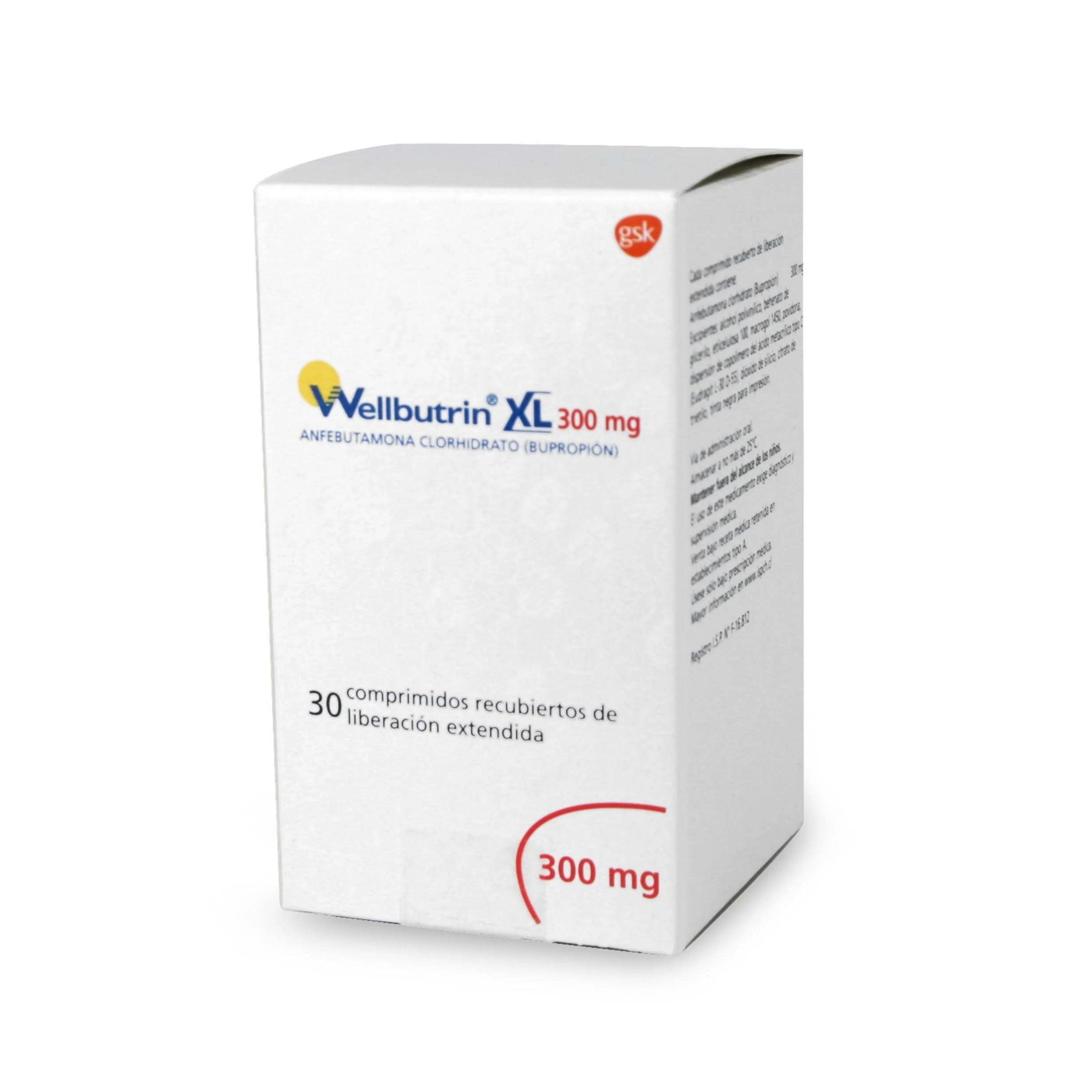
Wellbutrin XL
Wellbutrin XL: How to Buy and What to Know
Price:
Price range: $74.99 through $143.99
Secure Encrypted Payments
This product page helps adults compare whether this antidepressant is the right prescription option to pursue. This page is for adults exploring how to buy Wellbutrin XL through a prescription-based process and what to check before pursuing it. It is used in adults for certain depressive conditions, and the first decision points are whether the once-daily extended-release form fits the treatment goal and whether seizure risk, eating disorders, recent MAOI antidepressant use, or interacting medicines make it a poor choice.
How to Buy Wellbutrin XL and What to Know First
Buying this medicine starts with a valid prescription and a check that the extended-release form fits the diagnosis, current medicines, and seizure risk; for eligible U.S. patients, licensed Canadian partner pharmacies handle dispensing. This product contains bupropion hydrochloride in an extended-release tablet, so the practical question is not only whether bupropion is appropriate, but whether the XL version is the right release pattern for once-daily use.
Some patients explore US delivery from Canada while they review whether a verified prescription and cross-border rules make this option appropriate. Before moving ahead, it helps to confirm the intended use, the exact strength, and whether there has been a seizure disorder, bulimia, anorexia, or recent MAOI treatment. This medicine can feel activating for some people, so sleep trouble, anxiety symptoms, alcohol use, and blood pressure history are worth reviewing early.
Who It’s For and Access Requirements
This once-daily antidepressant may be considered for adults with major depressive disorder and is also used in some adults to help prevent seasonal affective disorder. People browsing the Depression hub or the What Causes Depression guide are often comparing whether a non-SSRI option exists. Bupropion is one such option, but fit depends on the full history, not just the diagnosis name.
Access usually requires a current prescription that matches the exact release type and strength. The review may also consider age, diagnosis, current medicines, pregnancy or breastfeeding considerations, liver function, alcohol patterns, and whether bipolar disorder has been evaluated before treatment starts. For broader context, the Mental Health article hub and Mental Health Products hub can help frame where this medication sits among other options.
This medicine is not automatically the right choice for every case of low mood. Prior antidepressant response, daytime fatigue, sexual side effects on other medicines, smoking status, attention symptoms, and the balance between anxiety and depression can all influence whether a prescriber considers bupropion appropriate. The decision is usually less about finding the strongest tablet and more about matching the mechanism to the person and history.
- Often considered: adults needing once-daily antidepressant treatment.
- May be less suitable: people with seizure disorders or eating disorders.
- Needs review first: recent MAOI use, bipolar history, or heavy alcohol changes.
Dosage and Usage
Wellbutrin XL is usually taken once daily in the morning. For many adults, 150 mg is a common starting amount rather than an unusually high one, and some prescribers increase to 300 mg once daily if the medicine is tolerated and the treatment plan calls for it. Higher total daily dosing, when used, should follow the official label and prescriber direction.
The tablet should be swallowed whole. It should not be crushed, chewed, or split, because that can change how the extended-release system delivers the dose over time. Morning dosing is common because this medicine can contribute to insomnia in some people. It may be taken with or without food unless a pharmacist or label instruction says otherwise.
Consistency matters more than rapid dose changes. Dose increases are usually separated by enough time for side effects and benefit to be reviewed, and bedtime use is less common because it may worsen insomnia. Stopping suddenly or switching between release types without a prescription update can create confusion about total daily exposure, especially when older bottles of SR or IR tablets are still on hand.
Why it matters: Breaking an extended-release tablet can raise side-effect risk and alter dose release.
- Starting dose: often 150 mg once daily.
- Common adjustment: some adults move to 300 mg once daily.
- Missed dose: follow label or pharmacist directions, not doubling up.
- Switching forms: XL and SR are not used the same way.
If the prescription is written for bupropion XL 150 mg or bupropion XL 300 mg, the release type matters as much as the number on the label. A bottle marked SR, IR, ER, or another bupropion product should not be treated as interchangeable without prescription review, because timing and total daily exposure can differ.
Strengths and Forms
When comparing Wellbutrin XL with a generic drug for Wellbutrin, focus on the active ingredient, the release type, and the prescribed total daily dose. The Wellbutrin XL generic name is bupropion hydrochloride extended-release. Some people also search for Wellbutrin ER or Wellbutrin XR, but on prescriptions the once-daily brand product is identified as XL.
| Version | Form | Strength notes | Practical point |
|---|---|---|---|
| Brand product | Extended-release oral tablet | Commonly seen as 150 mg and 300 mg tablets | Designed for once-daily use |
| Generic bupropion HCl XL | Extended-release oral tablet | Availability can vary by manufacturer and market | Tablet appearance and inactive ingredients may differ |
Brand and generic tablets may look different, and stock can change, but the release pattern named on the prescription remains the key checkpoint. In some cases, a prescriber may use more than one tablet strength to reach the intended daily dose. That is another reason to confirm the written directions instead of relying on pill color or shape.
If the goal is a total daily dose that is not matched by one tablet strength, the prescriber may specify a combination of tablets or choose a different formulation. That is why package appearance alone is not a reliable guide when checking refills or leftover supplies at home.
Storage and Travel Basics
Store the tablets at room temperature in a dry place and keep the container closed when not in use. Bathrooms, cars, and other damp or hot places can expose tablets to extra moisture or heat. Keeping the medication in the original labeled bottle can reduce mix-ups, especially when more than one prescription looks similar.
For travel, a labeled container and a current prescription record can make routine screening easier. Keeping doses on a consistent morning schedule may also reduce confusion across time zones. A simple medication list is useful when another clinician, dentist, or pharmacist asks about current treatment.
Keep the medicine out of reach of children and pets, and do not use tablets that are damaged, crumbling, or missing identification marks unless a pharmacist confirms they are still appropriate to use.
Quick tip: Carry the labeled bottle rather than loose tablets during travel.
Side Effects and Safety
Common side effects can include dry mouth, nausea, headache, constipation, sweating, tremor, reduced appetite, and trouble sleeping. Some people notice restlessness, faster thoughts, or feeling more activated than expected, especially after a dose increase. Because this medicine can affect sleep and tension, questions sometimes overlap with topics covered in Insomnia And Mental Health and How To Manage Anxiety, but new or worsening symptoms still need clinical review.
More serious safety concerns include seizures, severe allergic reactions, major mood changes, suicidal thoughts, hallucinations, manic symptoms, or marked increases in blood pressure. Eye pain or sudden vision changes should also be taken seriously, because angle-closure symptoms (sudden eye pressure problems) can rarely occur in susceptible people. Any sudden behavioral shift after starting or adjusting treatment deserves prompt medical attention.
Not every side effect means the medicine has to be stopped, and some early effects can ease as the body adjusts. The more important distinction is between uncomfortable but expected effects and symptoms that point to a serious reaction. Severe agitation, confusion, fainting, rash with swelling, or any seizure-like event should be treated as urgent rather than routine.
- Common effects: dry mouth, nausea, insomnia, headache.
- Activation concerns: anxiety, agitation, or feeling unusually keyed up.
- Urgent concerns: seizure, rash, swelling, chest pain, or suicidal thoughts.
- Monitoring points: mood changes, sleep, appetite, and blood pressure.
This medicine may not be the best fit when insomnia is already severe or when anxiety sharply worsens with activating treatments. It is also important to watch for symptom worsening during the first weeks of treatment or after dose adjustments, particularly in younger adults. Family members or close supports sometimes notice early behavior changes before the patient does.
Drug Interactions and Cautions
Interaction screening matters because some medicines can raise bupropion levels, while others add to seizure risk or overlapping side effects. Important examples include MAOIs, other products that contain bupropion, medicines that can lower the seizure threshold, and abrupt withdrawal from alcohol, benzodiazepines, or some antiseizure drugs. A full medication list should include prescriptions, over-the-counter products, supplements, nicotine products, and recreational substances.
Prescribers also use caution when there is a history of bipolar disorder, severe liver problems, uncontrolled high blood pressure, or head trauma. If the treatment plan already includes medication for anxiety, sleep, or attention symptoms, broader class context in Anxiety Medication Basics can help frame differences, but the actual safety check still depends on the complete list and medical history.
Because bupropion can also affect how some other medicines are handled in the body, interaction checks are not limited to seizure risk alone. Drugs used for depression, psychosis, pain, heart rhythm, or smoking cessation may all deserve a closer look before the first dose or before any refill.
- Avoid together: MAOIs and other bupropion-containing products.
- Use extra caution: stimulants, antipsychotics, tramadol, or systemic steroids.
- Discuss habits: alcohol use, nicotine use, and sudden substance withdrawal.
- Mention history: bipolar symptoms, seizures, eating disorders, head injury.
Even routine changes can matter. A new antidepressant, an antipsychotic, a pain medicine, or an herbal supplement can shift the risk profile. If the goal is smoking cessation as well as mood treatment, the prescriber may need to decide whether this brand, another bupropion product, or a different approach makes more sense.
Compare With Alternatives
Compared with some other antidepressants, Wellbutrin XL is a once-daily norepinephrine-dopamine reuptake inhibitor, not a stimulant. It is sometimes confused with stimulant medicines because it can feel activating, but it is not equivalent to Adderall and is prescribed for different clinical purposes. The main comparison questions are usually about release type, side-effect pattern, and how strongly anxiety or insomnia feature in the overall picture.
- Bupropion SR: same active ingredient, but a shorter release pattern that is often taken more than once daily.
- Pristiq: an SNRI with a different mechanism and a different side-effect profile.
- SSRIs: options such as sertraline or paroxetine may be chosen when a different symptom pattern is driving treatment.
For people comparing brand versus generic, a generic bupropion XL product may offer the same active ingredient with different tablet appearance or inactive ingredients. For people comparing classes, the key tradeoff is often activation versus sedation, along with how prior antidepressants affected sleep, appetite, sexual side effects, blood pressure, and day-to-day functioning.
Release type also changes the day-to-day experience. XL is built for once-daily use, while SR may offer more flexibility when smaller dose steps are needed. By contrast, SNRIs or SSRIs may be preferred when the symptom pattern or prior response suggests a different mechanism would be better tolerated.
Prescription, Pricing and Access
Before pursuing Wellbutrin XL, it helps to know whether the prescription needs the brand name or whether generic bupropion XL is acceptable. Prescription details may be checked with the prescriber before dispensing. That step can matter when the written dose, release type, refill instructions, or substitution directions do not clearly match the medication being requested.
Questions about Wellbutrin XL cost usually come down to brand versus generic, tablet strength, prescribed quantity, and whether coverage is being used. For people without insurance, out-of-pocket access may be part of the discussion, but eligibility, jurisdiction, and documentation still matter for cross-border prescription options. Availability can also vary by strength, and a prescriber may need to confirm whether a brand-only instruction is medically necessary.
If brand and generic are both possible, substitution rules depend on how the prescription is written and what the pharmacy can source. Even when the active ingredient is the same, the label, tablet appearance, and stock status may differ. That can matter for patients who track prior side effects by manufacturer or who need a specific strength combination.
If a prescription is being considered across borders, the medication still needs to align with the written directions and applicable pharmacy rules. That means no guarantee of suitability, stock, or approval for every request. A clear prescription, current medication list, and accurate history of prior side effects can make the review process smoother and reduce back-and-forth if questions arise.
Authoritative Sources
For official prescribing details, review the FDA prescribing information for Wellbutrin XL.
For a patient-friendly drug overview, see the Mayo Clinic bupropion monograph.
For medication education and class context, review the NAMI overview of bupropion.
If a pharmacy dispenses the medication, cross-border logistics may involve prompt, express shipping where permitted and when documentation is complete.
This content is for informational purposes only and is not a substitute for professional medical advice.
Customer Reviews
4.9 Based on 8 Reviews
Write a Review Filter Reviews:
RS
08/21/2025
Ronald S.  US
USBorder Free Health - A trusted serivce provider
Border Free Health has provided invaluable prescription support to our family. They excel in quality service delivery and exceptional customer service. We consider then a trusted healthcare provider and recommend them to all.
08/23/2025
borderfreehealth.com
Hi Ronald,Thank you so much for sharing your kind words and trust in Border Free Health. We are truly honored to have supported your family and are delighted to know that our service and care have made a positive impact. Your recommendation means the world to us and we remain committed to providing you and every family we serve with the highest level of care, reliability, and compassion.We look forward to continuing to provide you with the best care and service.Thank you for choosing Border Free Health. Wishing you an amazing day!
KB
08/05/2025
Kim B. US$20 off
I’m very pleased with the medication. I feel like it makes a world of difference in my mental ability.The service received from border free has been excellent
08/14/2025
borderfreehealth.com
Hi Kim,Thank you for your wonderful feedback! We’re thrilled to hear that the medication is making such a positive difference for you. Your trust means so much to us, and we’re grateful for the opportunity to serve you.We’re delighted that you’re pleased with our service, and we look forward to continuing to support your health and well-being.Thank you for choosing Border Free Health. Have an amazing day!
AF
08/03/2025
Anthony F. USwellbutrin xl
excellent! only slight problem is the delay from the time i place the order until i receive it.
08/14/2025
borderfreehealth.com
Hi Anthony, Thank you for your kind words and for sharing your honest feedback. We’re delighted to know you’re happy with our service, and we truly appreciate your patience regarding the delivery time. We understand how important it is for you to receive your medications promptly, and please know that we are continually working with our partners to streamline processing and shipping so your orders arrive as quickly and reliably as possible.Your trust means so much to us, and we’re grateful for the opportunity to serve you.Thank you for choosing Border Free Health. Have an amazing day!
RM
04/03/2025
Roselle M. USWellbutrin
It makes a significant difference to my daily mood.
04/07/2025
borderfreehealth.com
Hi Roselle,Thank you for sharing your experience! We're so glad to hear that Wellbutrin is making a positive difference in your daily mood. Your well-being is what matters most to us!If you have any questions or need further assistance, please let us know, we're here to support you.Thank you for choosing Border Free Health. Have an amazing day!
FG
03/10/2025
Fiona G. USQuick and easy
I have been ordering this from you for many years now and love the process and ease with which to get it done. Thank you
03/12/2025
borderfreehealth.com
Hi Fiona,Thank you for your loyalty and kind words! We're so glad to hear that ordering with us has been quick and easy for you over the years. Your continued trust and support mean everything to us!If you have any questions or need further assistance, please let us know, we're here to support you.Thank you for choosing Border Free Health. Have an amazing day!
Express Shipping - from $25.00
Shipping with this method takes 3-5 days
Prices:
- Dry-Packed Products $25.00
- Cold-Packed Products $35.00
Shipping Countries:
- United States (all contiguous states**)
- Worldwide (excludes some countries***)
Standard Shipping - $15.00
Shipping with this method takes 5-10 days
Prices:
- Dry-Packed Products $15.00
- Not available for Cold-Packed products
Shipping Countries:
- United States (all contiguous states**)
- Worldwide (excludes some countries***)
What does Wellbutrin XL do for you?
Wellbutrin XL is a once-daily extended-release form of bupropion used in adults for major depressive disorder and in some adults to help prevent seasonal affective disorder. It affects norepinephrine and dopamine activity, so the goal is mood treatment with a different mechanism than SSRIs. It is not a fast-acting mood booster, and response is reviewed over time alongside sleep, anxiety, blood pressure, and side effects.
Is 150 mg of bupropion XL a lot?
For many adults, 150 mg once daily is a common starting dose rather than an unusually high one. Some people stay at that amount, while others are increased to 300 mg once daily if the medicine is tolerated and the treatment plan calls for it. The right dose depends on prior response, side effects, seizure risk, liver function, other medicines, and the condition being treated. Dose changes should follow the prescriber and official labeling.
What side effects need urgent medical attention?
Urgent attention is needed for a seizure, suicidal thoughts, severe agitation, hallucinations, manic behavior, facial swelling, trouble breathing, rash with swelling, chest pain, fainting, or sudden eye pain and vision changes. A marked jump in blood pressure or a major behavior change after starting or increasing the dose also deserves prompt medical review. Common issues like dry mouth or mild nausea are different from red-flag symptoms and should not be confused with them.
Is Wellbutrin XL similar to Adderall?
No. Wellbutrin XL is an antidepressant containing bupropion, while Adderall is a stimulant medication. They work differently, have different approved uses, and carry different monitoring considerations. People sometimes compare them because bupropion can feel activating, but that does not make it equivalent to a stimulant. If attention symptoms, depression, or smoking cessation are all part of the picture, a clinician may weigh very different options based on the full history.
What should be discussed with a clinician before starting Wellbutrin XL?
Helpful topics include past seizures, bulimia or anorexia, bipolar symptoms, head injury, liver problems, alcohol use, pregnancy or breastfeeding, blood pressure history, sleep problems, and any past reaction to bupropion. The complete medicine list matters too, especially MAOIs, other bupropion-containing products, stimulants, antipsychotics, tramadol, and supplements. It also helps to clarify whether the prescription is meant for once-daily XL tablets or another release type such as SR or IR.
Can generic bupropion XL be used instead of the brand?
Many prescriptions can be filled with generic bupropion XL if substitution is allowed, but the exact answer depends on how the prescription is written and what the pharmacy can source. The active ingredient may be the same, yet tablet appearance and inactive ingredients can differ. What matters most is matching the prescribed release type, total daily dose, and any brand-only instruction. A pharmacist or prescriber should confirm any planned switch.
Rewards Program
Earn points on birthdays, product orders, reviews, friend referrals, and more! Enjoy your medication at unparalleled discounts while reaping rewards for every step you take with us.
You can read more about rewards here.
POINT VALUE
How to earn points
- 1Create an account and start earning.
- 2Earn points every time you shop or perform certain actions.
- 3Redeem points for exclusive discounts.
How to book an appointment
- 1Create Begin by completing a profile or log into your existing account. This step ensures we have the necessary information to provide you with a service that's tailored to your needs. account and start earning.
- 2Scheduling an appointment with our online booking system is easy. Pick a day and time that suits you. You’ll receive an immediate confirmation, without the wait.
- 3Discuss your concerns and symptoms and receive a thorough diagnosis from one of our licensed doctors during a confidential video appointment.
- 4If you've been prescribed medication, your Rx is sent directly to one of our licensed pharmacies and delivered right to your door.
Get Started
To book an online doctor appointment, register for an account or login. After doing so, you can book your visit on this page.
You Might Also Like
Select options
This product has multiple variants. The options may be chosen on the product page
Select options
This product has multiple variants. The options may be chosen on the product page
Select options
This product has multiple variants. The options may be chosen on the product page
Select options
This product has multiple variants. The options may be chosen on the product page