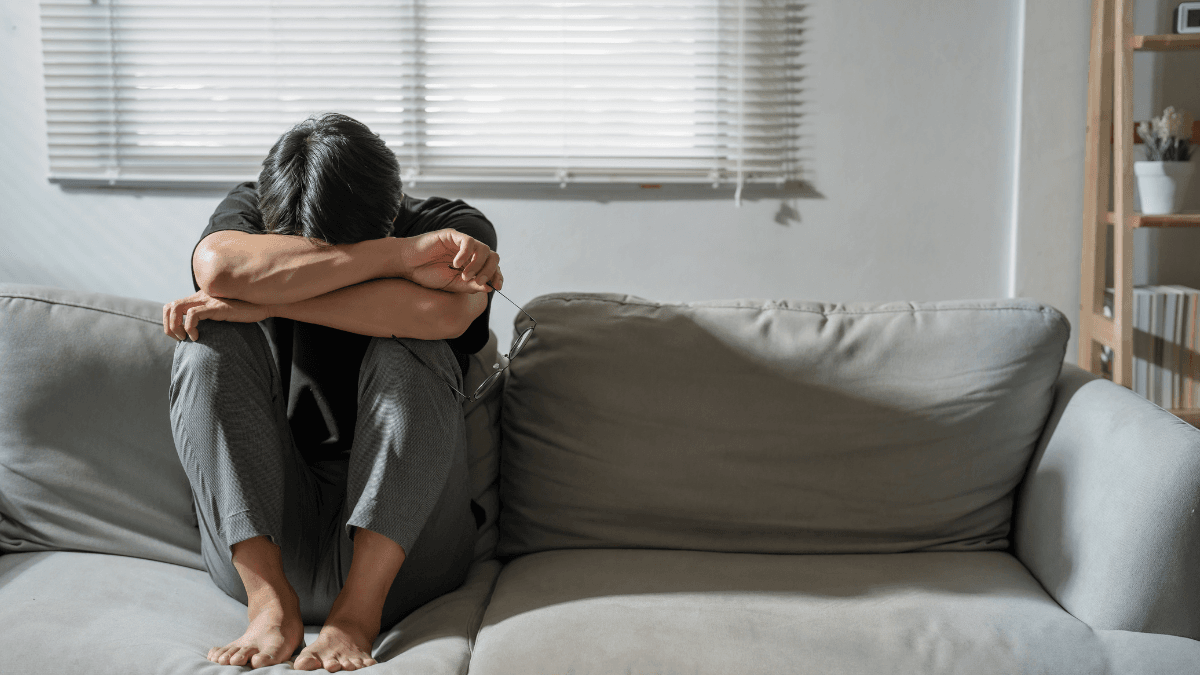
Learning how to manage anxiety starts with calming the body, understanding the pattern, and getting support when symptoms disrupt daily life. Anxiety is not a character flaw. It is a threat-response system that can become too sensitive under stress, poor sleep, trauma, health changes, or ongoing pressure. The aim is not to never feel anxious. The aim is to lower the intensity, reduce avoidance, and build confidence in what to do next.
Most people need two kinds of tools: fast skills for surges and steady habits for prevention. Fast skills help during a racing-heart moment. Steady habits help your nervous system recover between stressors. If anxiety feels new, severe, or physically unusual, it is reasonable to speak with a clinician because some medical issues can mimic anxiety.
Key Takeaways
- Name the pattern: tracking symptoms can make anxiety less mysterious.
- Calm the body first: breathing, grounding, and movement can reduce arousal.
- Reduce avoidance gradually: small, planned steps rebuild confidence.
- Protect sleep and stimulants: fatigue, caffeine, and alcohol can worsen symptoms.
- Use support early: therapy, medical review, and trusted people can help.
What Anxiety Is And Why It Feels So Physical
Anxiety is a normal alarm response that prepares the body for possible danger. Your brain scans for threat, then your nervous system releases stress signals that increase alertness. That can help before a hard conversation, exam, presentation, or real safety concern.
The trouble starts when the alarm stays on or fires too often. Everyday uncertainty can begin to feel like immediate danger. Your muscles may tighten. Your breathing may change. Your stomach may churn. Your heart may beat faster, even when you are sitting still.
Common anxiety symptoms include worry, restlessness, irritability, sleep trouble, poor concentration, and fatigue. Physical signs can include sweating, trembling, nausea, chest tightness, dizziness, headaches, or a lump-in-the-throat feeling. Symptoms vary by person, and they can shift over time.
Why this matters: physical symptoms are real, even when the trigger is emotional or mental.
Stress biology also helps explain why anxiety can become self-reinforcing. A body sensation appears. The mind interprets it as danger. Fear rises, and the sensation gets stronger. This loop can make anxiety feel bigger than the original trigger.
For more background on stress pathways, see Science Of Stress if that page is available to you through the site’s mental health resources. If not, you can also browse the Mental Health collection for related educational topics.
How To Manage Anxiety Day To Day
The most reliable way to manage anxiety is to repeat a few skills before, during, and after anxious moments. Think of this as nervous-system practice. You are teaching your body that discomfort is survivable and that you can respond without letting fear make every decision.
Start With A Simple Anxiety Log
Tracking does not need to be complicated. Once a day, write three notes: what was happening, what you felt, and what helped even a little. Patterns often appear within a week. You may notice anxiety after caffeine, conflict, skipped meals, poor sleep, heavy scrolling, or crowded calendars.
A log also shows progress that anxiety tends to hide. You may still feel anxious, but recover faster. You may still worry, but avoid less. Those small shifts matter because they show your brain new evidence.
Build A Baseline Routine
Daily routines support anxiety management because the nervous system responds to predictability. Consistent wake times, regular meals, hydration, and light movement can reduce baseline tension. These habits do not cure anxiety, but they lower the background noise that makes symptoms easier to trigger.
Sleep deserves special attention. Short sleep can increase emotional reactivity the next day. Alcohol may feel calming at first, but it can disrupt sleep later. Caffeine can raise heart rate and jitteriness, which some people misread as danger.
Quick tip: choose one baseline habit for the next seven days, not five at once.
Reduce Avoidance In Small Steps
Avoidance can bring short relief, but it often keeps anxiety strong. If you avoid every anxious situation, your brain never learns that you can cope. The goal is not to force yourself into overwhelming situations. The goal is gradual, planned practice.
For example, if phone calls trigger anxiety, you might first write a script. Then you might call a low-stakes number. Later, you might make the call you have been avoiding. This kind of stepwise exposure is often used in cognitive behavioral therapy, or CBT, which helps people test anxious predictions and change unhelpful patterns.
If you want a focused article on immediate skills, Reduce Anxiety Immediately offers grounding steps you can practice before symptoms peak.
Recognizing Anxiety Attack Symptoms Without Escalating Fear
Anxiety attack symptoms are intense stress symptoms that can feel frightening, especially when they appear suddenly. Common signs include a pounding heart, chest tightness, shortness of breath, trembling, sweating, nausea, dizziness, hot flashes, chills, tingling, or a sense of unreality. Some people also feel an urgent need to escape.
These sensations often come from adrenaline, a hormone that prepares the body to act. Adrenaline can make your heart pump harder and your breathing change. That does not mean you are weak. It means your body is responding to a perceived threat.
One helpful response is to name the event in neutral language. Try, “This is a stress surge,” or “My alarm system is activated.” Neutral naming can reduce the fear of the sensation. It shifts your attention from “something terrible is happening” to “my body is revving up.”
Some symptoms deserve prompt medical attention, especially if they are new, severe, or unlike your usual anxiety. Seek urgent care for chest pain, fainting, one-sided weakness, confusion, severe shortness of breath, or symptoms after a head injury. It is better to rule out medical causes than assume everything is anxiety.
Panic Attack Vs Anxiety Attack: The Practical Difference
The difference between a panic attack and an anxiety attack is mostly about pattern and clinical definition. A panic attack is a recognized clinical term with a sudden surge of intense fear or discomfort. “Anxiety attack” is a common phrase people use for a strong anxiety spike, but it is not a formal diagnosis.
Panic attacks often peak quickly and may feel out of the blue. Anxiety spikes may build more gradually around worry, stress, conflict, uncertainty, or a feared event. Both can include physical symptoms, racing thoughts, and a strong urge to escape.
| Feature | Panic Attack | Anxiety Spike |
|---|---|---|
| Onset | Often sudden and intense | Often builds with stress or worry |
| Peak | Usually reaches high intensity quickly | May rise and fall over a longer period |
| Thought pattern | Fear of dying, losing control, or being unsafe | Worry about outcomes, performance, health, or uncertainty |
| After-effect | Exhaustion or fear of another episode | Lingering tension or rumination |
Labels can help, but they are not the main point. What matters is whether symptoms are frequent, distressing, or changing your behavior. If you stop driving, working, socializing, sleeping alone, or leaving home because of fear, support is warranted.
Some people search for how to stop panic attacks forever. A more realistic goal is to reduce frequency, fear, and avoidance. Many people improve when they combine education, therapy skills, lifestyle supports, and medical care when appropriate.
Fast Calming Tools For Surges, Spirals, And Being Alone
When anxiety rises fast, the first goal is to lower intensity enough to choose your next step. You do not need to debate every anxious thought in the middle of a surge. Start with the body, then return to the thought once the alarm is quieter.
The 3-3-3 Grounding Rule
The 3-3-3 rule is a simple grounding exercise. Name three things you see, three things you hear, and move three parts of your body. This gives your brain present-moment information and interrupts the spiral of threat scanning.
You can also use the 5-4-3-2-1 method. Name five things you see, four things you feel, three things you hear, two things you smell, and one thing you taste. This works best when you describe details, not just labels. For example, “blue mug with a chipped handle” is more grounding than “cup.”
Breathing Without Forcing It
Breathing exercises can help, but forced breathing may make some people more aware of symptoms. Keep it gentle. Try inhaling through the nose, then exhaling slightly longer than you inhale. A longer exhale can signal safety to the body.
If breath focus makes you feel worse, switch to touch or temperature. Hold a cool drink. Press your feet into the floor. Wrap your hands around a warm mug. The goal is not perfect calm. The goal is enough steadiness to stay present.
What To Do When You Are Alone
Anxiety when alone at home can feel especially intense because there are fewer distractions and fewer immediate reality checks. Create a written plan before the next spike. Include one grounding tool, one movement option, and one person or service you can contact.
Examples include walking to the mailbox, sitting near an open window, texting a trusted friend, playing a familiar audio track, or doing a brief household task. These actions do not erase anxiety, but they reduce helplessness. If loneliness, fear of being alone, or autophobia is limiting your life, therapy can help you build tolerance and safety cues gradually.
When Anxiety Overlaps With Stress, Depression, Or Night Worry
Anxiety often overlaps with stress and depression because these conditions share sleep, concentration, energy, and nervous-system pathways. Depression and anxiety symptoms can include low mood, dread, irritability, fatigue, appetite changes, and trouble focusing. When both are present, worry can push you to overthink while low mood makes action feel heavy.
Use tiny commitments when motivation is low. Take a five-minute walk. Eat one simple meal. Shower without requiring yourself to “feel better” first. Text one person a direct sentence, such as “I’m having a hard day and could use a check-in.” Small actions can create traction without demanding a dramatic mood shift.
Night worry needs a different approach because the tired brain is not great at problem-solving. Try a worry window earlier in the evening. Write the concern, the next possible step, and whether it can wait. At bedtime, remind yourself, “I already gave this time.” Then return to a neutral anchor, such as the weight of the blanket or a steady sound.
Foods that reduce anxiety fast are often oversold. Food can support steadier energy, but it usually does not work like an immediate treatment. Regular meals, protein, fiber, and limiting excess caffeine may help some people avoid jitteriness or blood-sugar dips that can feel like anxiety. If you have diabetes, an eating disorder, pregnancy-related concerns, kidney disease, or medication-related low blood sugar, ask a clinician or registered dietitian before changing your eating pattern.
Treatment Options, Including Non-Medication Approaches
Many people can reduce anxiety without medication, especially with structured therapy and steady practice. CBT, exposure-based therapy, acceptance and commitment therapy, and skills-based group programs may help people reduce avoidance, challenge anxious predictions, and respond differently to discomfort.
Mindfulness can also help, but it is not the same as forcing yourself to relax. Mindfulness means noticing thoughts, sensations, and urges without automatically obeying them. For example, you might notice “I am having the thought that I will fail” instead of treating that thought as a fact.
Supplements are another area where caution helps. Some products can interact with medicines, cause side effects, or be unsafe in pregnancy or certain health conditions. If you are considering this route, Natural Anxiety Supplements covers safety-first questions to discuss with a clinician.
Medication can be useful for some people when anxiety is frequent, severe, or disabling. A prescriber may discuss options such as selective serotonin reuptake inhibitors, often called SSRIs, serotonin-norepinephrine reuptake inhibitors, or other anti-anxiety medicines. Medication decisions depend on symptoms, health history, side effects, interactions, pregnancy considerations, and personal preferences.
For a neutral introduction to common options, see Anxiety Medication Basics. If your clinician mentions buspirone, Buspirone Uses explains general points people often ask about. A broader medication overview is available in Top Anxiety Medications.
BorderFreeHealth connects U.S. patients with licensed Canadian partner pharmacies for certain prescription options when eligibility and jurisdiction allow. Prescription details are verified with the prescriber when required before a partner pharmacy dispenses medication. Product pages such as Buspirone, Sertraline HCl, and Escitalopram can help readers recognize names they may hear in clinical conversations, but they do not replace medical advice.
A Practical Plan For The Next Anxious Week
A plan makes anxiety less improvisational. You do not have to solve your whole life this week. Choose a few repeatable actions and practice them when anxiety is mild, not only when it is extreme.
- Pick one body skill: try grounding, gentle breathing, stretching, or walking.
- Track one pattern: note sleep, caffeine, conflict, scrolling, or skipped meals.
- Reduce one avoidance: take a small step toward a feared task.
- Create a surge plan: list three actions to use during panic-like symptoms.
- Schedule one support: contact a therapist, clinician, friend, or support line.
- Protect bedtime: move problem-solving earlier in the day.
If you feel stuck, ask yourself a smaller question: “What would make the next ten minutes safer or steadier?” That question is often more useful than “How do I fix anxiety forever?”
Seek professional help if anxiety is frequent, worsening, causing avoidance, or interfering with work, school, relationships, sleep, or self-care. Get immediate help if you feel at risk of harming yourself. In the U.S., call or text 988 for the Suicide & Crisis Lifeline. Outside the U.S., use your local emergency number or crisis service.
Authoritative Sources
For a clinical overview of anxiety disorders, symptoms, and treatment categories, see the National Institute of Mental Health anxiety resource.
For practical public health guidance on anxiety, fear, and panic, the NHS anxiety, fear, and panic page offers plain-language support steps.
For diagnosis and treatment context from a major medical organization, review the Mayo Clinic anxiety diagnosis and treatment overview.
Recap
Learning how to manage anxiety means working with both the body and the mind. Grounding, gentle breathing, movement, tracking, sleep routines, and gradual exposure can all help reduce the fear cycle. Therapy and medical care can add structure when symptoms are persistent or disruptive.
You do not need to wait until anxiety is “bad enough” to ask for support. Early help can make patterns easier to change. Start with one small skill, repeat it consistently, and build from there.
This content is for informational purposes only and is not a substitute for professional medical advice.