
Please note: a valid prescription is required for all prescription medication.
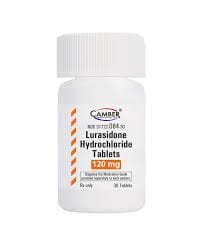
Lurasidone Hydrochloride
Buy Lurasidone Hydrochloride Online
Secure Encrypted Payments
Lurasidone Hydrochloride is an atypical antipsychotic medicine used for schizophrenia and depressive episodes associated with bipolar I disorder when a clinician decides it is appropriate. You can buy Lurasidone Hydrochloride online, view the current price, and choose the tablet strength shown during ordering that matches your clinician’s directions. It is taken by mouth with food, and careful attention to side effects, interactions, and monitoring helps support safer long-term use.
Price, Strength Selection, and Ordering Basics
Current Lurasidone Hydrochloride price can vary by strength, quantity, manufacturer, and pharmacy supply. During ordering, match the medicine name and strength exactly to your written directions rather than choosing by tablet color or appearance. Commonly discussed strengths include 20 mg, 40 mg, 60 mg, and 80 mg tablets, and some searches also reference 120 mg tablets; use only the strength your clinician has selected.
Many people look at lurasidone cash price because antipsychotic coverage can differ widely between plans. If you are paying directly, the most useful comparison is the total cost for the exact strength and quantity you need, not only the per-tablet number. US delivery from Canada may be part of the service context for eligible orders, and products are supplied through licensed pharmacies.
Quick tip: Keep a current medication list nearby so the name, strength, directions, and interaction concerns can be checked consistently.
What Lurasidone Hydrochloride Treats
Lurasidone Hydrochloride tablets are used in the treatment of schizophrenia and depressive episodes associated with bipolar I disorder. Schizophrenia can involve hallucinations, delusions, disorganized thinking, reduced motivation, and difficulty functioning. Bipolar depression involves low mood and other depressive symptoms in people with bipolar I disorder, and treatment choice depends on the full mood history.
This medicine is not approved for dementia-related psychosis in older adults. Antipsychotic medicines carry a serious warning in that group because the risk of death is increased when they are used for dementia-related psychosis. If you are trying to understand terms such as psychosis, hallucinations, or delusions, the Psychosis condition information section can provide background to discuss with a clinician.
Lurasidone is sometimes confused with antidepressants because it may be used for bipolar depression, but it is not an SSRI or SNRI. It belongs to the atypical antipsychotic class. People considering broader medication categories can browse Mental Health Treatments or read practical context in the Mental Health Articles collection.
Generic Lurasidone and Brand Comparisons
Lurasidone Hydrochloride is the active ingredient in Latuda. Generic lurasidone hydrochloride tablets and brand-name Latuda contain the same active ingredient, although tablet appearance, inactive ingredients, manufacturer, and packaging can differ. Those differences can matter if you have allergies, swallowing concerns, or a history of reacting to certain dyes or fillers.
Some people search for lurasidone hcl, lurasidone oral tablets, or lurasidone generic tablets when they are trying to identify the same active ingredient. The abbreviation HCl refers to hydrochloride, the salt form used in the medication name. The practical buying point is simple: match the active ingredient and strength to your clinician’s directions and confirm any brand-specific instruction before switching between products.
For a brand comparison, Latuda tablets use lurasidone as the active ingredient. The article Latuda generic information explains common questions about brand and generic choices without replacing individualized medical guidance.
Tablet Strengths and Label Matching
Lurasidone Hydrochloride is supplied as an oral tablet. People often search for lurasidone hydrochloride 20 mg tablets, lurasidone 40 mg, lurasidone 60 mg, or lurasidone 80 mg because they are trying to match a refill or new direction. A higher strength is not automatically better; it reflects a dose decision based on the condition, symptoms, tolerability, age, liver function, and interacting medicines.
| Strength often searched | What to match before use |
|---|---|
| 20 mg tablets | Drug name, strength, and daily directions |
| 40 mg tablets | Label instructions and current dose plan |
| 60 mg tablets | Any recent dose adjustment notes |
| 80 mg tablets | Exact strength and monitoring instructions |
| 120 mg tablets | Only use when specifically directed by a clinician |
Tablet markings and colors can change by manufacturer. If a refill looks different, do not rely on appearance alone. Confirm the drug name, strength in mg, directions, and manufacturer information on the label, especially after a dose change or pharmacy substitution.
How to Take Lurasidone Tablets
Lurasidone is usually taken once daily with food. Food is important because it affects how much medicine your body absorbs. Taking it without enough food can lower exposure and may make treatment less consistent.
Why it matters: A consistent meal routine helps make daily absorption more predictable.
Follow the label directions exactly, including timing and meal instructions. If you miss a dose, use the instructions provided by your pharmacist or clinician rather than doubling up later. Taking extra tablets can increase side effects such as dizziness, sleepiness, stiffness, or restlessness.
Do not split, crush, or chew tablets unless a pharmacist confirms that your specific product can be handled that way. Sleepiness or dizziness may occur, especially early in treatment or after changes. Use caution with driving, machinery, and tasks that require alertness until you know how the medicine affects you.
Storage, Travel, and Delivery Handling
Store lurasidone tablets at room temperature in the original container unless the label gives different instructions. Keep the bottle dry and away from excess heat, steam, and direct sunlight. Bathrooms, kitchen counters near steam, and parked cars are poor storage places because temperature and humidity can change quickly.
Keep tablets out of reach of children and pets. If you use a pill organizer, keep the original labeled bottle available so the medication can be identified if questions come up. A medication list can also help during urgent care visits, travel, or routine follow-up appointments.
For travel, carry the labeled container in hand luggage when possible. This reduces the risk of loss and avoids temperature swings in checked baggage. If your routine crosses time zones, ask a clinician or pharmacist how to keep the dosing interval reasonably consistent rather than improvising with extra tablets. Orders may use prompt, express shipping when handling and pharmacy processes allow.
Side Effects, Warnings, and Monitoring
Common lurasidone side effects can include nausea, sleepiness, dizziness, restlessness, stiffness, tremor, and akathisia, which is an uncomfortable inner feeling of needing to move. Some people notice appetite or weight changes. Antipsychotic treatment can also affect blood sugar and cholesterol, so metabolic monitoring may be part of ongoing care.
- Common day-to-day effects: nausea, sleepiness, dizziness, and restlessness
- Movement effects: tremor, stiffness, muscle tightness, or akathisia
- Metabolic monitoring: weight, blood sugar, cholesterol, and overall functioning
- Daily-life concerns: alertness, driving safety, school, work, and caregiving duties
Serious reactions need urgent medical attention. Warning signs can include high fever, severe muscle stiffness, confusion, fainting, trouble swallowing, uncontrolled movements of the face or body, or a widespread rash. Neuroleptic malignant syndrome is a rare but dangerous reaction involving fever and muscle rigidity. Tardive dyskinesia refers to involuntary movements that may persist, especially with longer antipsychotic exposure.
Mood and behavior changes should also be taken seriously. When bipolar depression is being treated, worsening depression, unusual agitation, impulsive behavior, or thoughts of self-harm require prompt professional help. Early follow-up is often used to assess restlessness, stiffness, sleepiness, appetite changes, and how the medication affects daily routines. The article on common Latuda side effects may help you prepare questions about lurasidone-related tolerability.
Interactions and Precautions to Discuss
Lurasidone has important interaction concerns because it is affected by CYP3A4, a liver enzyme involved in drug breakdown. Some antifungals, antibiotics, seizure medicines, antivirals, and other medicines can raise or lower lurasidone levels. A medication review should include over-the-counter products, vitamins, supplements, and herbal items.
Grapefruit and grapefruit juice may be relevant because they can affect the same enzyme pathway. Alcohol and other sedating medicines can worsen drowsiness, dizziness, and impaired alertness. Caution may be needed in people with liver problems, diabetes risk, low blood pressure, dehydration, seizures, low white blood cell counts, swallowing difficulty, or a history of movement disorders.
Pregnancy and breastfeeding questions should be discussed before starting, stopping, or changing treatment. Overheating and dehydration can also matter with antipsychotic therapy, especially during hot weather, intense exercise, or illness. Seek professional guidance before changing your dose schedule or switching from another antipsychotic.
How It Compares With Related Mental Health Medicines
Latuda is the closest brand comparison because it contains lurasidone. Other antipsychotics may be considered when a clinician is balancing symptom control, sedation, movement side effects, weight changes, metabolic monitoring, and dosing routine. There is no single best antipsychotic for every person; prior response and medical history matter.
Quetiapine, aripiprazole, risperidone, and related medicines can differ in how they feel day to day. Some may be more sedating, some may have different movement-related risks, and some come in dosage forms not associated with lurasidone tablets. If your clinician discusses alternatives, ask how the choice affects alertness, weight monitoring, blood sugar, cholesterol, and follow-up timing.
Related choices on BorderFreeHealth include Lurafic and Arpizol. For a broader explanation of the brand’s treatment uses, the article on Latuda uses and treatment applications can support a more informed conversation with your healthcare team.
Questions to Ask Before Starting or Refilling
Useful questions focus on fit, safety, and routine. Ask which symptoms the medicine is intended to target, how long it may take to assess response, and which side effects should be reported quickly. Also ask whether the dose should be taken with a specific meal size and what to do if nausea or sleepiness appears.
If you have diabetes risk, high cholesterol, fainting episodes, seizure history, liver problems, swallowing difficulty, or prior movement side effects, raise those points before use. Bring an updated medication list that includes grapefruit products, supplements, sedatives, and alcohol use. Clear information helps clinicians and pharmacists identify avoidable interaction or tolerability problems.
For refills, make sure the strength has not changed since the last supply. If your tablet appearance changes, confirm the manufacturer and strength before taking the first dose from the new bottle. Never stop antipsychotic treatment abruptly unless a clinician tells you to, because symptoms can return or worsen.
Authoritative Sources
- Official label details: DailyMed lurasidone hydrochloride tablet.
- Plain-language medicine information: MedlinePlus lurasidone drug information.
- FDA prescribing reference: LATUDA prescribing information.
This content is for informational purposes only and is not a substitute for professional medical advice.
BMI Calculator
Estimate adult body mass index from height and weight, with metric and imperial units.
BMI
-
kg/m2 equivalent
Category
-
Adult screening range
These calculations are for education only and do not replace clinical advice, diagnosis, or treatment. Always confirm medical decisions with a qualified healthcare professional.
Weight-Loss Progress Calculator
Track percentage body-weight change and progress toward a target weight.
Weight change
-
current vs starting weight
Body weight change
-
percent of starting weight
Goal progress
-
change achieved toward goal
These calculations are for education only and do not replace clinical advice, diagnosis, or treatment. Always confirm medical decisions with a qualified healthcare professional.
QTc Calculator
Calculate corrected QT interval from measured QT and heart rate.
QTc
-
milliseconds
RR interval
-
seconds
These calculations are for education only and do not replace clinical advice, diagnosis, or treatment. Always confirm medical decisions with a qualified healthcare professional.
Express Shipping - from $29.99
Shipping with this method takes 3-5 days
Prices:
- Dry-Packed Products $29.99
- Cold-Packed Products $39.99
Shipping Countries:
- United States (all contiguous states**)
- Worldwide (excludes some countries***)
Standard Shipping - $19.99
Shipping with this method takes 5-10 days
Prices:
- Dry-Packed Products $19.99
- Not available for Cold-Packed products
Shipping Countries:
- United States (all contiguous states**)
- Worldwide (excludes some countries***)
What is Lurasidone Hydrochloride used for?
Lurasidone Hydrochloride is used for schizophrenia and depressive episodes associated with bipolar I disorder when a clinician decides it is appropriate. It is an atypical antipsychotic and is not approved for dementia-related psychosis in older adults.
Is Lurasidone Hydrochloride the same as Latuda?
Lurasidone Hydrochloride is the active ingredient in Latuda. Generic lurasidone and brand-name Latuda contain the same active ingredient, although manufacturer, appearance, inactive ingredients, and packaging can differ.
Does lurasidone need to be taken with food?
Yes. Lurasidone is usually taken with food because food affects how much medicine is absorbed. Follow the meal and timing instructions on your label, and ask a pharmacist or clinician if your routine makes this difficult.
What side effects are common with lurasidone tablets?
Common side effects can include nausea, sleepiness, dizziness, restlessness, stiffness, tremor, and akathisia, which is a hard-to-sit-still feeling. Weight, blood sugar, and cholesterol monitoring may also be recommended during antipsychotic treatment.
What interactions should I discuss before taking lurasidone?
Discuss all medicines, supplements, grapefruit products, alcohol use, and sedating drugs. Lurasidone is affected by CYP3A4, so certain antifungals, antibiotics, seizure medicines, and antivirals can significantly change drug levels.
Can lurasidone cause weight gain?
Some people may notice appetite or weight changes while taking lurasidone. The amount varies by person, and clinicians may monitor weight, blood sugar, cholesterol, and overall functioning during treatment.
What should I check when refilling lurasidone tablets?
Check the drug name, strength in mg, directions, manufacturer, and tablet appearance. If the tablet looks different or the strength has changed, confirm the details with a pharmacist before taking the new supply.
Rewards Program
Earn points on birthdays, product orders, reviews, friend referrals, and more! Enjoy your medication at unparalleled discounts while reaping rewards for every step you take with us.
You can read more about rewards here.
POINT VALUE
How to earn points
- 1Create an account and start earning.
- 2Earn points every time you shop or perform certain actions.
- 3Redeem points for exclusive discounts.
You Might Also Like
Select options
This product has multiple variants. The options may be chosen on the product page
Select options
This product has multiple variants. The options may be chosen on the product page
Select options
This product has multiple variants. The options may be chosen on the product page
Select options
This product has multiple variants. The options may be chosen on the product page