
Please note: a valid prescription is required for all prescription medication.
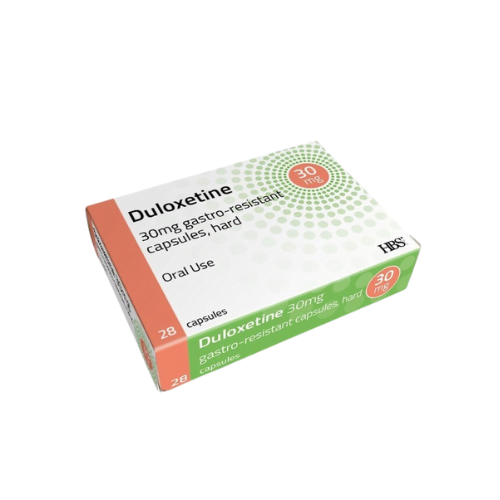
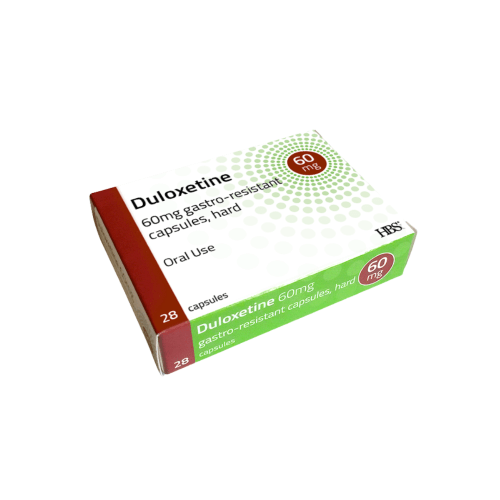
Duloxetine
Buy Duloxetine Online
Secure Encrypted Payments
Duloxetine is a serotonin-norepinephrine reuptake inhibitor used for depression, generalized anxiety, and several chronic pain conditions. Duloxetine can be ordered online, with current strengths shown during ordering so the dose can match your clinician’s directions. The delayed-release capsule is designed to be swallowed whole for steady absorption.
Duloxetine Price and Strength Selection
The Duloxetine price can vary by capsule strength, manufacturer, quantity, and current supply. During ordering, choose the strength and quantity shown for the medicine and match it to the directions given by your healthcare professional. If your plan changes, confirm the new daily amount before refilling so the bottle label and your routine stay aligned.
Common search terms include Duloxetine 30 mg, Duloxetine 60 mg, Duloxetine DR 30 mg, and Duloxetine HCl DR 60 mg. Those terms refer to delayed-release duloxetine capsules in strengths commonly used in treatment plans, but the right amount depends on diagnosis, tolerability, other medicines, and prior response. Do not adjust the amount or stop suddenly without clinical guidance.
Cash-pay customers often focus on total out-of-pocket expense rather than insurance billing. Larger quantities may reduce the per-capsule cost when they fit the treatment plan, while smaller fills may be useful when a clinician is still assessing tolerability. US delivery from Canada is available through licensed pharmacy channels, and order handling may include prompt, express shipping.
How This Generic Relates to Cymbalta
Duloxetine is the active ingredient in Cymbalta®. Generic duloxetine is used as a lower-cost alternative when the clinician’s plan calls for the same active ingredient. Packaging, capsule appearance, and manufacturer may differ, but the medicine is intended to provide the duloxetine delayed-release therapy described on the label.
The capsule is delayed-release, meaning it is made to pass through the stomach before releasing the medicine. Swallow it whole with water. Crushing, chewing, or opening the capsule can interfere with how the medicine is released and may increase side effects.
People comparing Cymbalta 30 mg, Cymbalta 60 mg, generic Cymbalta 60 mg, and duloxetine capsules should focus on active ingredient, strength, daily schedule, tolerability, and price. If a brand-to-generic or generic-to-generic change occurs, track symptoms and side effects, then discuss any concerns with your clinician.
What Duloxetine Treats
Duloxetine is an SNRI, a medicine that increases serotonin and norepinephrine activity in the central nervous system. These chemical messengers help regulate mood, anxiety response, and pain signaling. The medicine is used for major depressive disorder and generalized anxiety disorder, and it also has labeled roles in diabetic peripheral neuropathic pain, fibromyalgia, and chronic musculoskeletal pain.
For condition context, BorderFreeHealth offers plain-language information on Depression and Generalized Anxiety Disorder. People using duloxetine for pain-related conditions may also find background on Diabetic Neuropathy and Fibromyalgia helpful when preparing questions for a visit.
Duloxetine is not the same as Xanax. Xanax® is alprazolam, a benzodiazepine used differently and often for short-term anxiety symptoms. Duloxetine is taken consistently over time and is not a rapid-relief sedative. It is also not an opioid or a traditional pain killer. For nerve-related and chronic pain conditions, it works through neurotransmitter pathways rather than numbing pain immediately.
How to Take Delayed-Release Capsules
Follow the schedule on your medicine label. Many treatment plans begin with a lower daily amount before moving to a maintenance strength such as Duloxetine 60 mg, but the exact plan depends on the reason for treatment and individual tolerability. Some people take duloxetine with food to reduce nausea, while others take it without food at the same time each day.
Consistency matters because missed or irregular doses can worsen symptoms or increase discontinuation effects. If you miss a dose, take it when remembered unless it is close to the next scheduled time. If the next dose is near, skip the missed capsule and return to the usual schedule. Do not take two doses together to make up for one missed dose.
Stopping duloxetine abruptly may cause dizziness, headache, nausea, irritability, sleep changes, or sensory symptoms sometimes described as electric-shock feelings. When treatment needs to end, clinicians often reduce the dose gradually. Report troublesome symptoms early, especially during the first weeks or after a change in strength.
Expected Timing and Monitoring
Mood and anxiety symptoms often improve gradually rather than immediately. Early treatment weeks may focus on tolerability, sleep, appetite, nausea, and daily routine. Pain-related benefits may also take continued use, especially when the goal is to reduce nerve sensitization or improve day-to-day function.
Track the main symptom being treated, any side effects, sleep quality, blood pressure if advised, and changes in alcohol intake or other medicines. A brief written log can make follow-up visits more useful. If symptoms worsen, suicidal thoughts appear, or behavior changes feel unusual, seek urgent clinical help.
Quick tip: Keep the bottle label, medication list, and dosing schedule in one place so refills and follow-up questions are easier to manage.
Side Effects, Warnings, and When to Get Help
Common side effects include nausea, dry mouth, constipation, dizziness, sleepiness, sweating, headache, fatigue, and decreased appetite. Some effects improve as the body adjusts, but persistent or severe symptoms deserve clinical attention. Because dizziness or sleepiness can occur, use caution with driving or activities requiring alertness until you know how the medicine affects you.
Serious risks can include serotonin syndrome, liver injury, increased blood pressure, abnormal bleeding, mania or hypomania in people with bipolar disorder, low sodium levels, severe allergic reactions, and angle-closure glaucoma. A boxed warning for antidepressants notes an increased risk of suicidal thoughts and behaviors in children, adolescents, and young adults, particularly when starting therapy or changing dose.
Get urgent medical help for agitation, confusion, fever, muscle stiffness, twitching, severe diarrhea, fainting, yellowing of the skin or eyes, dark urine, severe rash, swelling of the face or throat, eye pain, or sudden vision changes. Contact a clinician promptly if mood becomes unusually elevated, impulsive, or restless, or if depression and anxiety symptoms worsen.
Interactions and People Who Should Avoid It
Duloxetine should not be used with monoamine oxidase inhibitors, and washout periods are required when switching between these medicines. Do not combine it with linezolid or intravenous methylene blue unless a clinician specifically manages the situation, because the serotonin syndrome risk can be dangerous.
Other serotonergic medicines and supplements can raise risk, including SSRIs, SNRIs, triptans, tramadol, lithium, fentanyl, buspirone, amphetamines, and St. John’s wort. Alcohol can increase the chance of liver problems and should be limited or avoided. Tell your clinician about all medicines, supplements, nicotine use, and recreational substances before starting or changing duloxetine.
Duloxetine is metabolized mainly through CYP1A2 and CYP2D6 pathways and can affect some CYP2D6 medicines. Strong CYP1A2 inhibitors such as fluvoxamine may increase duloxetine exposure. NSAIDs, aspirin, anticoagulants, and other medicines affecting clotting can raise bleeding risk. People with chronic liver disease, substantial alcohol use, uncontrolled narrow-angle glaucoma, or severe kidney concerns need careful evaluation or an alternative plan.
Storage, Refills, and Travel
Store capsules at room temperature in a dry place with the bottle tightly closed. Keep them away from children, pets, excess heat, and bathroom moisture. Do not move capsules into an unlabeled container unless a pharmacist-approved organizer is part of your routine.
When traveling, keep duloxetine in its original labeled packaging and carry enough for the trip plus a small buffer. Time-zone changes can make once-daily medicines confusing, so ask a clinician or pharmacist how to adjust timing before departure. If a refill is needed, start early enough to avoid gaps, especially if the dose has recently changed.
For customers who prefer Canadian-sourced products, country-of-origin information may appear with relevant product attributes such as Canada. Use that attribute as a practical sourcing detail, not as a substitute for medication counseling.
Related Mental Health and Pain Options
Duloxetine is one option within mental health and chronic pain treatment planning. Some people need an SNRI because anxiety, depression, and pain symptoms overlap. Others may do better with an SSRI, therapy, lifestyle interventions, or a different pain-focused medicine. The best choice depends on diagnosis, prior treatment response, side effects, interactions, and personal goals.
To browse adjacent treatment categories, visit Mental Health. For additional education across emotional health topics, the Mental Health articles section can help you prepare practical questions about expectations, side effects, and follow-up.
Ask your clinician which symptom is the first target, how long to try the current strength, and what side effects should trigger a call. It is also useful to ask whether blood pressure, sodium, liver health, glucose control, or bleeding risk needs closer monitoring based on your history.
Authoritative Source
This content is for informational purposes only and is not a substitute for professional medical advice.
Express Shipping - from $29.99
Shipping with this method takes 3-5 days
Prices:
- Dry-Packed Products $29.99
- Cold-Packed Products $39.99
Shipping Countries:
- United States (all contiguous states**)
- Worldwide (excludes some countries***)
Standard Shipping - $19.99
Shipping with this method takes 5-10 days
Prices:
- Dry-Packed Products $19.99
- Not available for Cold-Packed products
Shipping Countries:
- United States (all contiguous states**)
- Worldwide (excludes some countries***)
What is duloxetine most commonly used for?
Duloxetine is commonly used for major depressive disorder and generalized anxiety disorder. It is also used for diabetic peripheral neuropathic pain, fibromyalgia, and chronic musculoskeletal pain when a clinician determines it fits the treatment plan.
What are the bad side effects of duloxetine?
Common side effects include nausea, dry mouth, constipation, dizziness, sleepiness, sweating, headache, fatigue, and reduced appetite. Serious risks can include serotonin syndrome, liver injury, high blood pressure, abnormal bleeding, low sodium, mania, severe allergy, and angle-closure glaucoma symptoms.
Is duloxetine a strong pain killer?
Duloxetine is not an opioid or a fast-acting pain killer. It may help certain chronic pain conditions by affecting serotonin and norepinephrine pathways involved in pain signaling, especially nerve-related pain.
Is duloxetine the same as Xanax?
No. Duloxetine is an SNRI taken consistently for conditions such as depression, anxiety, and certain chronic pain disorders. Xanax is alprazolam, a benzodiazepine used differently and typically for short-term anxiety symptoms.
Can duloxetine be stopped suddenly?
Duloxetine should not usually be stopped abruptly unless urgent safety concerns require it. Sudden stopping may cause dizziness, nausea, headache, irritability, sleep changes, or unusual sensory symptoms. A clinician can guide a gradual reduction when appropriate.
Rewards Program
Earn points on birthdays, product orders, reviews, friend referrals, and more! Enjoy your medication at unparalleled discounts while reaping rewards for every step you take with us.
You can read more about rewards here.
POINT VALUE
How to earn points
- 1Create an account and start earning.
- 2Earn points every time you shop or perform certain actions.
- 3Redeem points for exclusive discounts.
You Might Also Like
Select options
This product has multiple variants. The options may be chosen on the product page
Select options
This product has multiple variants. The options may be chosen on the product page
Select options
This product has multiple variants. The options may be chosen on the product page
Select options
This product has multiple variants. The options may be chosen on the product page