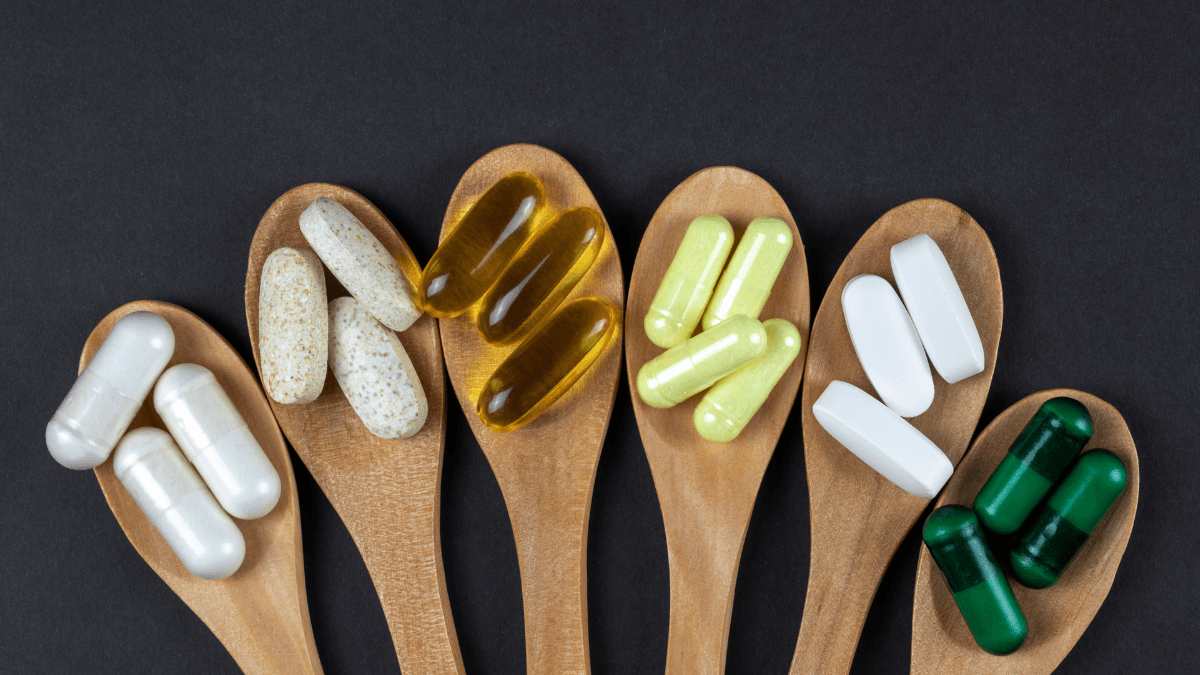
Natural anxiety supplements may help some people feel calmer, especially when anxiety is mild or tied to sleep, stress, or low nutrient levels. They are not a guaranteed treatment, and they are not risk-free. The safest approach is to match the product to your goal, check interactions, and involve a clinician or pharmacist when symptoms are persistent, severe, or new.
Key Takeaways
- Start with safety: Review medications, health conditions, pregnancy status, and alcohol use first.
- Expect mixed evidence: Some ingredients have early research, but results vary by person and product.
- Avoid “strongest” claims: More sedating does not always mean more effective or safer.
- Check the label: Look for exact ingredients, amounts, testing, and clear warnings.
- Escalate when needed: Panic, depression, chest pain, or suicidal thoughts need prompt support.
What Natural Anxiety Supplements Can and Cannot Do
Natural anxiety supplements include vitamins, minerals, amino acids, botanicals, and concentrated plant extracts sold as dietary supplements. People often use them for everyday worry, stress tension, sleep disruption, or anxious thoughts. Some may support general wellbeing, but they do not diagnose or treat anxiety disorders in the same way approved medicines or structured therapy can.
Why this matters: the word “natural” can make a product feel gentle. In reality, a supplement can still cause sedation, stomach upset, liver problems, blood pressure changes, or medication interactions. In the U.S., dietary supplements are regulated differently from prescription medicines, so products do not need the same pre-market proof of effectiveness before sale.
If anxiety is affecting work, sleep, school, caregiving, or relationships, consider supplements only as one part of a broader plan. Grounding skills, sleep routines, therapy, medical evaluation, and medication can all have a role. For practical non-supplement strategies, see How To Manage Anxiety.
Common Options People Ask About
The “best” option depends on the symptom pattern, your health history, and what else you take. A product used for sleep may not suit daytime worry. A vitamin may help if you are deficient, but it may do little if your levels are already adequate. Herbs may feel appealing, yet they often carry the highest interaction concerns.
| Type | Common examples | Why people consider it | Safety points to check |
|---|---|---|---|
| Minerals | Magnesium | Muscle tension, sleep routines, general relaxation support | Diarrhea, kidney disease, and interactions with some medicines |
| Vitamins | Vitamin D, B vitamins | Possible low levels linked with fatigue, mood, or low energy | Blood levels, total intake, and excess dosing risk |
| Amino acids | L-theanine | Calm focus or reduced stress reactivity | Added sedation with alcohol, sleep aids, or calming medicines |
| Herbs | Chamomile, lemon balm, valerian, passionflower | Relaxation, sleep support, or nervous tension | Allergy risk, sedation, pregnancy concerns, and drug interactions |
| Adaptogens | Ashwagandha, rhodiola | Stress response and fatigue support | Thyroid, liver, autoimmune, and pregnancy-related concerns |
| Specialty oils | Oral lavender oil products | Anxious feelings in some studied products | Stomach effects, burping, and product standardization differences |
Omega-3 products also come up in conversations about mood and inflammation. The evidence is mixed and depends on the condition, product, and overall diet. For a broader look at these fats, read Omega-3 Benefits And Limits.
Safety Questions to Ask Before You Try Anything
The first safety question is not “which product is strongest?” It is “could this interact with my body, my medicines, or my situation?” That question matters more if you take antidepressants, sedatives, blood thinners, blood pressure medicines, seizure medicines, diabetes medicines, or multiple supplements.
Medication and alcohol interactions
Some natural anxiety supplements can add to drowsiness when combined with alcohol, sleep aids, muscle relaxers, opioid pain medicines, benzodiazepines, or certain antihistamines. Others may affect bleeding risk, blood pressure, blood sugar, or liver enzymes that process medications. If you take a selective serotonin reuptake inhibitor (SSRI, a common antidepressant class) or serotonin-norepinephrine reuptake inhibitor (SNRI, another antidepressant class), ask a pharmacist before adding herbs or multi-ingredient blends.
Higher-risk health situations
Pregnancy, breastfeeding, liver disease, kidney disease, bipolar disorder, seizure disorders, autoimmune disease, thyroid disease, and a history of substance use change the risk calculation. Children and older adults also need extra caution. For these groups, “gentle” products can still cause outsized side effects.
Quick tip: Bring the bottle, a label photo, or the full ingredient list to your appointment.
When symptoms need more than a supplement
Panic attacks, new severe anxiety, depression, trauma symptoms, and intrusive thoughts may need professional care. Seek urgent help for chest pain, fainting, severe shortness of breath, confusion, suicidal thoughts, or fear that you may harm yourself or someone else. If you are trying to calm a sudden spike, grounding methods can help while you decide whether medical care is needed. This step-by-step resource on Reduce Anxiety Immediately explains simple in-the-moment techniques.
Why “Strongest Natural Anxiety Medication” Is a Risky Search
There is no over-the-counter supplement that is the same as a prescription anti-anxiety medicine. Searches for the strongest natural anxiety medication are understandable, especially when worry feels unbearable. Still, strength is not a clinical standard for supplements. A stronger sedating effect may simply mean a higher chance of sleepiness, falls, impaired driving, or interactions.
Products marketed as “maximum strength” may also use blends. A blend can hide the exact amount of each ingredient, making it harder to compare labels or identify what caused a side effect. This is especially important with products that combine valerian, kava, passionflower, melatonin, magnesium, L-theanine, and other calming agents in one capsule.
If you want to understand the limits of non-prescription options, see Over-The-Counter Anxiety Options. It explains why OTC products may feel accessible but still need careful screening.
Vitamins, Minerals, Herbs, and Food: How to Think About Fit
Vitamins for anxiety and stress are most relevant when a low level or poor intake is part of the picture. Vitamin D, B12, folate, iron, and other nutrients can affect energy and mood, but testing and context matter. More is not automatically better. High intakes of some nutrients can cause harm, interact with medicines, or mask another problem.
Magnesium vitamins for anxiety are popular because magnesium is involved in muscle and nerve function. Different forms may affect the stomach differently, and some can cause diarrhea. People with kidney disease should avoid starting magnesium unless a clinician says it is appropriate.
Herbs for stress and anxiety require a different lens. Chamomile may be a problem for people with ragweed-related allergies. Valerian can be sedating. Ashwagandha may not be suitable for some people with thyroid, liver, autoimmune, or pregnancy-related concerns. Kava has been linked with serious liver safety concerns, so it deserves extra caution and professional review.
Food can also change how anxiety feels. Foods that reduce anxiety fast are often less about a magic ingredient and more about stable blood sugar, hydration, and avoiding stimulants. Balanced meals, regular protein, and reducing excess caffeine may lower jitteriness that mimics anxiety. If anxiety thoughts keep looping, skills-based support matters too. Cognitive behavioral therapy (CBT, a structured talk therapy) can teach ways to notice, challenge, and redirect anxious thought patterns.
How to Compare Labels Without Getting Misled
A clear label helps you spot risk before you swallow anything. Start with the Supplement Facts panel. Look for the exact ingredient form, the amount per serving, the suggested serving size, and any added sedatives or stimulants. Avoid assuming two products are similar because the front label uses the same calming language.
- Ingredient form: Check the specific mineral, extract, or plant part.
- Exact amount: Avoid vague blends when possible.
- Testing statement: Look for credible third-party quality testing.
- Warning language: Read pregnancy, driving, alcohol, and medication cautions.
- Lot details: Prefer products with traceable batch information.
- Claim style: Be cautious with cure, detox, or instant-relief claims.
Why it matters: Label clarity helps a pharmacist identify interactions and duplicate ingredients.
Quality issues are not unique to anxiety products. Many supplement categories have similar label and sourcing concerns. For a wider safety framework, read Supplement Labels And Safety.
What to Do Next If Anxiety Is Not Improving
If anxiety continues despite lifestyle changes or supplement trials, it is reasonable to ask for help. A clinician can screen for panic disorder, generalized anxiety disorder, social anxiety disorder, depression, thyroid issues, medication side effects, sleep disorders, substance effects, and other contributors. That evaluation can prevent months of trial and error.
Prepare for the visit by writing down your main symptoms, when they happen, what helps, and what worsens them. Include caffeine, alcohol, cannabis, nicotine, sleep patterns, prescription medicines, OTC products, and supplements. This list helps your care team separate anxiety from look-alike symptoms such as palpitations, low blood sugar sensations, or medication effects.
If prescription treatment becomes part of the conversation, ask how the medicine fits your diagnosis, what side effects to watch for, and how it may interact with supplements. BorderFreeHealth can connect eligible U.S. patients with licensed Canadian partner pharmacies for certain prescription options. When required, the pharmacy verifies prescription details with the prescriber before dispensing.
You can also browse the Mental Health Articles collection for related education on symptoms, treatment categories, and coping strategies.
Authoritative Sources
- NCCIH anxiety and complementary health overview
- FDA dietary supplement safety guidance
- NIMH anxiety disorder information
Natural anxiety supplements can be a starting point for some people, but they work best when safety comes first. Focus on clear labels, realistic expectations, interaction checks, and professional support when anxiety disrupts daily life.
This content is for informational purposes only and is not a substitute for professional medical advice.