

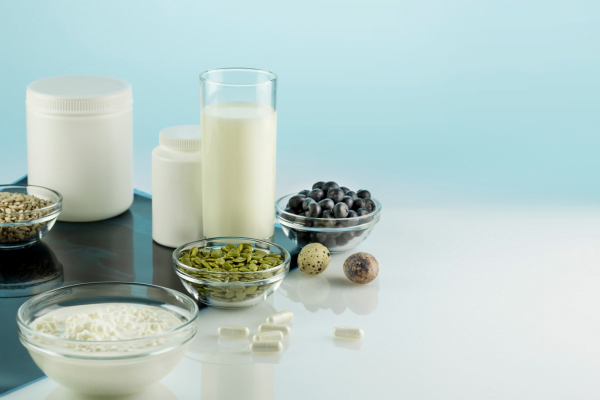
Your bones are living tissue that respond to what you eat, how you move, and the medications you take. If you want practical, science-informed steps, this guide lays out what matters most. We spotlight foods for healthy bones, realistic portions, and simple swaps that fit everyday life. We also note when supplements and treatments may help, so you can make confident choices.
Key Takeaways
- Prioritize calcium, vitamin D, protein, and magnesium for steady bone support.
- Build meals around dairy or fortified alternatives, fish, legumes, and greens.
- Limit sodium, sugary drinks, and excess alcohol to protect bone density.
- Exercise and fall prevention work alongside nutrition to reduce fracture risk.
- Consider supplements and therapies judiciously, based on personal needs.
Smart Choices: Foods for Healthy Bones
Food can shape bone strength across your lifespan. Calcium builds mineral structure, while vitamin D helps your gut absorb that calcium effectively. Protein supplies amino acids for collagen (the bone matrix), and nutrients like magnesium and vitamin K support remodeling. This is why consistent, diverse eating patterns may do more than any single “superfood.”
Start with a plate you can sustain. Combine a calcium-rich base with produce, lean proteins, and whole grains. For example, a tofu-vegetable stir-fry with sesame seeds, or salmon with kale and cannellini beans. For nutrition pointers tailored to aging, see Nutritional Guide For Aging Well for context on bone-focused planning.
Essential Nutrients And Practical Portions
Adults typically need adequate calcium and vitamin D daily to maintain bone mass. Many people fall short without fortified foods or supplements, especially during winter or with limited sun exposure. Protein intake also matters; aim for steady protein across meals to support bone remodeling and muscle maintenance, which helps stability and balance.
For evidence-based ranges, the NIH offers accessible summaries. For example, the NIH fact sheet on calcium details recommended intakes and safety limits (NIH fact sheet). Similarly, vitamin D guidance, including tolerable upper limits, is provided with clear dosing ranges and food sources (NIH vitamin D overview). If you want a deeper dive into exercise’s role, see Exercise And Bone Health for weight-bearing options and form tips.
Some people also look for vitamins for strong bones and joints when diet alone is not enough. Evidence suggests targeted supplementation can help close nutrient gaps, but it’s still wise to start with food-first strategies and confirm needs with a clinician.
Top Foods And Simple Swaps
Think in categories to simplify choices. For a calcium base, rotate milk, yogurt, kefir, or fortified plant milks. For vitamin D, include fatty fish like salmon, mackerel, or sardines, and fortified dairy or plant beverages. For protein, use eggs, legumes, tofu, tempeh, and poultry. Add magnesium and potassium with beans, nuts, seeds, and leafy greens. These patterns can answer which foods increase bone density over time through consistent intake.
Everyday swaps make this approach doable. Replace refined grains with oats or quinoa. Use yogurt instead of sour cream, or white beans instead of some cheese in soups. Choose canned salmon with bones for an affordable calcium-protein combo. For red-flag symptoms such as height loss or sudden back pain, see Recognizing Early Signs Of Osteoporosis for timely evaluation prompts.
Dairy And Alternatives
Many people tolerate dairy well, and low-fat or fermented options can fit most diets. If you avoid dairy, look for fortified almond, soy, or oat beverages with at least 300 mg calcium per cup and vitamin D added. Soy yogurt and calcium-set tofu can anchor breakfasts, snacks, or quick bowls without much effort. Read labels closely; fortification varies widely by brand and product type.
Fish, Eggs, And Plant Proteins
Fatty fish supply vitamin D along with high-quality protein and omega-3 fats. Eggs add protein and small amounts of vitamin D, while legumes, lentils, tofu, and tempeh give low-cost, high-fiber protein sources. Nuts and seeds, especially almonds, chia, and sesame, contribute magnesium and small amounts of calcium. These items build a flexible base you can flavor with herbs, citrus, and olive oil.
Fruits And Vegetables For Bone Health
Colorful produce supports bone through vitamin C, potassium, and polyphenols. Citrus, berries, peppers, and tomatoes assist collagen formation, while leafy greens bring calcium, vitamin K, and magnesium. Choose a mix of raw and cooked textures to improve variety and absorption. For fall-risk strategies that complement nutrition, see Preventing Falls And Fractures for home safety and balance training ideas.
The Foods To Limit For Bone Protection
Diet patterns that are heavily salted, sugary, or ultra-processed may undermine bone. High sodium intake can increase urinary calcium losses, while excessive added sugars displace nutrient-dense choices. Heavy alcohol use and frequent sugary sodas may also harm skeletal health over time. To organize your approach, consider what are the seven worst foods for osteoporosis as broad categories to limit: very salty snacks and meals, sugar-sweetened beverages, heavy alcohol, refined grains, ultra-processed meats, high-oxalate foods that displace calcium-rich picks, and frequent cola intake.
Moderation is key, not perfection. Use simple steps: cook with herbs instead of extra salt; swap colas for sparkling water; limit ultra-processed meats to rare occasions. The Bone Health & Osteoporosis Foundation provides practical tips on caffeine, carbonated beverages, and sodium strategies (BHOF guidance). For broader treatment context when diet changes are not enough, explore Osteoporosis Treatment Options for medication and monitoring frameworks.
Beverages, Caffeine, And Bone Health
Hydration supports overall health, and your beverage choices influence bone-friendly nutrients. Coffee and tea contain beneficial polyphenols, but caffeine can slightly increase calcium loss. Most adults can enjoy moderate coffee or tea if they meet daily calcium and vitamin D targets. If you’re wondering is tea bad for osteoporosis, the answer is that moderate tea appears compatible with bone health when balanced with calcium-rich foods.
Sodas, especially colas, are best limited. They often bring phosphoric acid and added sugars without beneficial nutrients. Alcohol can be part of some diets, but heavy intake raises fracture risk and falls. If alcohol is part of your plan, pair it with food, keep portions modest, and ensure the rest of your day features nutrient-dense choices.
Fruits And Vegetables Spotlight For Bone Health
Produce plays specific roles beyond basic vitamins. Dried plums (prunes) have been studied for potential support of bone turnover markers, while citrus and berries help collagen formation through vitamin C. Leafy greens like kale and bok choy offer absorbable calcium with lower oxalate levels than spinach. Potassium-rich choices such as bananas and potatoes may buffer dietary acid load, which supports bone balance.
People often ask about the best fruit for bones because fruit is convenient and affordable. Aim for two to four servings daily, mixing fresh, frozen, and dried types to control cost and limit waste. Rotate prunes, oranges, strawberries, and kiwi for vitamin C and polyphenols. Pair fruit with yogurt or nuts to stabilize blood sugar and add calcium, protein, and magnesium.
Build A Plate: Sample Day And Planning Tools
Meal planning reduces guesswork and helps you meet targets. Start with a calcium anchor at each meal, then layer protein and produce. For example, breakfast might be fortified soy yogurt with berries and chia; lunch could be a lentil-kale soup with whole-grain toast; dinner might be salmon, roasted broccoli, and cannellini beans. If you want structure without rigidity, adapt a 7-day meal plan for osteoporosis to your preferences and budget.
Use these simple checkpoints: include a calcium source each meal; add a fruit or vegetable every time you eat; spread protein across the day; keep a water bottle nearby. For older adults learning to balance nutrients, Keep Bones Healthy Over 65 offers age-specific ideas. For those recovering from fracture or surgery, Nutrition For Orthopedic Surgery—Bone Healing shares protein and micronutrient priorities for recovery.
Supplements And Medications: When Diet Isn’t Enough
Supplements can close gaps when food access, preferences, or medical conditions make targets hard to hit. Calcium citrate may be easier to absorb with lower stomach acid, while calcium carbonate is cost-effective with meals. Vitamin D3 often helps raise blood levels efficiently; some people need higher doses under clinician guidance. Collagen peptides can support protein intake but are not a substitute for balanced eating.
Many ask about supplements for strong bones and joints because advertising can be confusing. Consider a simple stack first: calcium (as needed), vitamin D, and possibly vitamin K if your diet lacks leafy greens. If you have low bone density or fractures, medication may be appropriate. For mechanism and options, see Bisphosphonate Drugs for class overviews and What Is Alendronate Used For to understand indications; if prescribed, you can review Alendronate for refill logistics or consider Prolia Prefilled Syringe for an injection-based alternative, both cited here to compare access options.
After 60: Extra Care For Bones And Balance
With age, bone remodeling slows and muscle mass declines, raising fracture risk. Protein distribution, calcium, and vitamin D remain vital, but so do strength, balance, and vision care. If you’re exploring how to increase bone density after 60, combine nutrient-dense meals with resistance training, short bouts of impact (as tolerated), and safe sunlight or supplementation for vitamin D.
Falls are a major driver of fractures. Address home hazards, footwear, and medications that cause dizziness. For structured exercise ideas, review Exercise And Bone Health for progressive plans; for fall-proofing, see Preventing Falls And Fractures to reduce environmental risks. If bone loss continues despite best efforts, Osteoporosis Treatment Options outlines decision points for therapy selection and monitoring.
Compare Key Sources At A Glance
Use this quick table to build meals with dependable nutrient anchors. Portions are typical and approximate; labels vary by brand and preparation method.
| Food | Typical Portion | Key Bone Nutrients |
|---|---|---|
| Fortified Soy Milk | 1 cup | Calcium, Vitamin D, Protein |
| Yogurt (Low-Fat) | 3/4–1 cup | Calcium, Protein |
| Canned Salmon (With Bones) | 3–4 oz | Calcium, Vitamin D, Protein |
| Tofu (Calcium-Set) | 3–4 oz | Calcium, Protein |
| Kale or Bok Choy | 1–2 cups | Calcium, Vitamin K |
| Beans or Lentils | 3/4–1 cup | Protein, Magnesium |
| Prunes (Dried Plums) | 4–6 pieces | Polyphenols, Potassium |
Recap
Bone health responds to everyday patterns, not perfection. Build meals around calcium, vitamin D, protein, and produce; limit salty, sugary, and ultra-processed items. Stay active, prevent falls, and use supplements or treatments when needed. For a deeper nutrition roadmap, see Nutritional Guide For Aging Well and, if concerned about symptoms, Recognizing Early Signs Of Osteoporosis for timely evaluation guidance.
Note: Personalized advice matters if you live with kidney disease, malabsorption, or take medications that affect bone. A clinician or registered dietitian can align nutrition, exercise, and therapy with your medical history and goals.
This content is for informational purposes only and is not a substitute for professional medical advice.


