
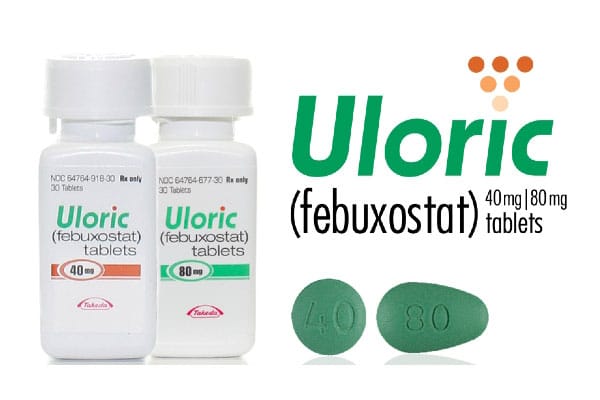
Uloric side effects can include nausea, rash, joint pain, gout flares, and liver test changes. Rare but serious risks include heart-related events, severe allergic reactions, serious skin reactions, and liver injury. Uloric is the brand name for febuxostat, a prescription xanthine oxidase inhibitor used to lower uric acid in certain adults with gout. It is not a fast pain reliever for a sudden gout flare.
The main decision is whether febuxostat fits your gout history, cardiovascular history, other medicines, and monitoring plan. That matters because urate-lowering treatment is usually a long-term strategy, not a quick fix. Starting treatment can also trigger flares at first, which can feel discouraging if expectations are not clear.
Key Takeaways
- Long-term role — Febuxostat lowers uric acid in some adults with gout.
- Not flare rescue — It does not quickly treat sudden gout pain.
- Common reactions — Nausea, rash, joint pain, and liver test changes may occur.
- Serious warnings — Chest pain, stroke symptoms, severe rash, or facial swelling need urgent care.
- Dosing decisions — It is usually taken once daily, with lab monitoring directed by the prescriber.
Where Febuxostat Fits in Gout Care
Febuxostat is used to manage hyperuricemia, meaning too much uric acid in the blood, in adults with gout. High uric acid can form sharp urate crystals in joints and tissues. Those crystals can lead to painful flares, tophi, and joint damage over time. For a broader background on this lab finding, see What Is Hyperuricemia.
Febuxostat blocks xanthine oxidase, an enzyme involved in uric acid production. This helps lower uric acid over time. It does not numb pain, reduce inflammation quickly, or end an active flare by itself. Short-term flare medicines, such as colchicine or anti-inflammatory medicines, may be discussed separately by a clinician.
In U.S. labeling, febuxostat is generally reserved for adults with gout who have not responded well to allopurinol, cannot tolerate allopurinol, or should not use it. It is not recommended for asymptomatic hyperuricemia, which means a high uric acid result without gout symptoms or related complications.
People often ask what Uloric 40 mg is used for. In U.S. labeling, 40 mg once daily is the usual adult starting dose when febuxostat is selected. The goal is steady uric acid lowering, not immediate pain relief. If you are comparing medicine options, the site’s Febuxostat listing can provide product-page context, while your prescriber remains the source for clinical suitability.
Why it matters: A medicine can help long-term uric acid control and still require careful safety review.
Understanding Uloric Side Effects and Red Flags
Understanding Uloric side effects starts with separating expected, reportable reactions from emergency warning signs. Common reactions listed with febuxostat include liver function test abnormalities, nausea, joint pain, and rash. Some people also notice more gout activity after starting urate-lowering therapy, because changing uric acid levels can disturb existing crystals.
People often ask for the most common side effect of febuxostat. Official labeling lists several common reactions, including liver test abnormalities, nausea, joint pain, and rash. Lab changes can appear before you feel sick, so follow-up blood work may matter even when symptoms feel mild.
Common effects to report at follow-up
- Stomach upset — Nausea may affect meals or daily routines.
- Skin changes — Rash or itching should be documented and discussed.
- Joint symptoms — Gout activity and treatment startup can overlap.
- Liver test changes — Blood work may shift before symptoms appear.
- Early flares — Crystal movement can trigger attacks after treatment begins.
Can Uloric make gout worse? It can seem that way early on. Urate-lowering therapy may trigger flares when uric acid levels begin changing. This does not always mean the medicine is failing, but it does mean the flare pattern should be reported. Your clinician may review flare-prevention plans, other medicines, and uric acid targets.
Warning signs that need prompt care
Febuxostat has an important cardiovascular warning. A large safety trial in people with gout and established cardiovascular disease found a higher rate of cardiovascular death with febuxostat than with allopurinol. This does not mean every person taking febuxostat will have a heart event. It does mean heart history should be part of the decision before and during treatment.
- Chest pressure — Seek urgent evaluation, especially with sweating or shortness of breath.
- Stroke-like symptoms — Sudden weakness, facial droop, confusion, or speech trouble is an emergency.
- Severe rash — Blistering, peeling, mouth sores, or fever can signal serious skin injury.
- Facial swelling — Swelling with breathing trouble may suggest a severe allergic reaction.
- Liver injury signs — Yellow skin, dark urine, or right-sided abdominal pain needs prompt review.
Severe hypersensitivity reactions have been reported with febuxostat, including serious skin reactions. Liver injury may also occur. If new symptoms appear after starting the medicine or after a dose change, write down the date, symptom pattern, and any other medicine changes. That timeline can help your care team assess what may be related.
Dosing Basics, Timing, and Missed Doses
Febuxostat is generally taken once daily, with the dose set by the prescriber. The U.S. label describes 40 mg once daily as the recommended adult starting dose, with a possible increase to 80 mg once daily based on uric acid response. Dose changes should not be made by trial and error at home.
| Dosing Point | Practical Meaning |
|---|---|
| Starting dose | U.S. labeling describes 40 mg once daily for adults when febuxostat is chosen. |
| Possible adjustment | The prescriber may increase to 80 mg once daily based on uric acid response. |
| Time of day | Morning or evening can work if the schedule is consistent. |
| Food | It may be taken with or without food. |
| Missed dose | Take it when remembered unless the next dose is close; do not double doses. |
| Monitoring | Follow-up may include uric acid checks and liver-related blood tests. |
The best dose timing is usually the time you can remember. Pairing the tablet with a stable daily habit may reduce missed doses. Febuxostat works through steady urate control, so inconsistent use can make lab trends harder to interpret.
How long to take febuxostat depends on the treatment goal, uric acid results, flare history, tolerability, and clinician review. Gout is often a long-term condition, so urate-lowering therapy is not usually approached like a short antibiotic course. Do not stop or restart it without discussing the plan, especially if flares, side effects, or other health changes appear.
Even mild Uloric side effects are worth mentioning if they keep returning, interfere with meals, or make it hard to take the medicine consistently. Persistent symptoms can change the risk-benefit discussion even when they are not emergencies.
What to Avoid or Review Before Taking Febuxostat
The clearest medication-related concern is the combination of febuxostat with azathioprine or mercaptopurine. U.S. labeling lists these combinations as contraindicated because febuxostat can increase exposure to those drugs. A complete medication list should include prescriptions, over-the-counter pain relievers, supplements, and medicines used only once in a while.
What to avoid while taking febuxostat is not only about food. Alcohol intake, dehydration, crash dieting, and high-purine eating patterns can affect gout control in some people, but they are not the same as a drug interaction. Ask your clinician how lifestyle factors fit your gout plan, especially if you have kidney disease, kidney stones, heart disease, or frequent flares.
- Interaction risks — Review azathioprine, mercaptopurine, and immune medicines carefully.
- Unplanned stopping — Sudden changes can allow uric acid to rise again.
- Hidden products — Supplements and occasional medicines still belong on your list.
- Heart history — Prior heart attack, stroke, heart failure, or chest symptoms need review.
- Severe skin history — Past serious rashes can affect treatment decisions.
Quick tip: Bring an updated medication list to every gout visit, including nonprescription products.
How It Compares With Allopurinol and Flare Medicines
Allopurinol is commonly considered before febuxostat for many adults with gout. Febuxostat may enter the discussion when allopurinol did not lower uric acid enough, was not tolerated, or is not considered advisable. The choice is not simply about which drug is stronger. It depends on medical history, safety risks, prior response, and monitoring needs.
The cardiovascular warning is one of the biggest differences patients hear about. A person with established cardiovascular disease may need a more cautious review before febuxostat is chosen. Another person who had a serious problem with allopurinol may need a different conversation. Kidney and liver history, other prescriptions, flare pattern, tophi, and uric acid trends also matter.
If you are comparing urate-lowering options, an Allopurinol product page can help identify the medicine being discussed, but it should not replace a clinical review. Product pages do not determine whether one option is safer or more appropriate for a specific person.
Colchicine often appears in gout discussions because it may be used for flare treatment or flare prevention in some situations. It does not lower uric acid the same way febuxostat does. For a separate look at this medicine, read What Is Colchicine Used For. If tolerability is your concern, Colchicine Side Effects covers a different safety profile.
Example: Someone whose uric acid stayed high despite taking allopurinol correctly has a different decision point than someone who stopped allopurinol because of a rash. Same gout diagnosis, different safety questions.
A practical comparison starts with four questions: what happened with earlier treatment, what uric acid target is being followed, what safety risks are present, and what monitoring plan is realistic. Those answers help frame whether febuxostat is a reasonable option to discuss.
Preparing for a Safer Medication Review
A safer medication review connects symptoms, lab results, and real-life barriers. Before an appointment, write down recent flares, prior uric acid levels if you know them, tophi, kidney stone history, heart symptoms, liver problems, and side effects from past gout medicines. Include when symptoms started and whether they changed after a dose change or a new medication.
Bring details about medicines used during flares. If colchicine is part of the plan, dosing questions should be reviewed separately because it has its own safety limits and interaction concerns. The Colchicine Dosage resource can help you organize general questions before speaking with a clinician.
Access questions can also affect consistency. BorderFreeHealth connects U.S. patients with licensed Canadian partner pharmacies, and prescription details may be checked with the prescriber when required before pharmacy dispensing. Some patients without insurance also review cash-pay, cross-border prescription options, subject to eligibility and jurisdiction.
For broader joint and gout topics, browse the Rheumatology collection. Background reading can help you place one medicine within the wider picture of flare prevention, monitoring, and long-term joint protection.
Authoritative Sources
- For label-backed dosing, contraindications, and warnings, see the DailyMed Uloric prescribing information.
- For patient-facing medication context, review the American College of Rheumatology febuxostat page.
- For regulator background on febuxostat approval information, see the FDA prescribing information for Uloric.
Understanding Uloric side effects alongside uses and dosing can make gout treatment conversations clearer. The main decision points are the reason for using febuxostat, past response to allopurinol, cardiovascular history, interaction risks, and the follow-up plan you can realistically maintain.
This content is for informational purposes only and is not a substitute for professional medical advice.


