
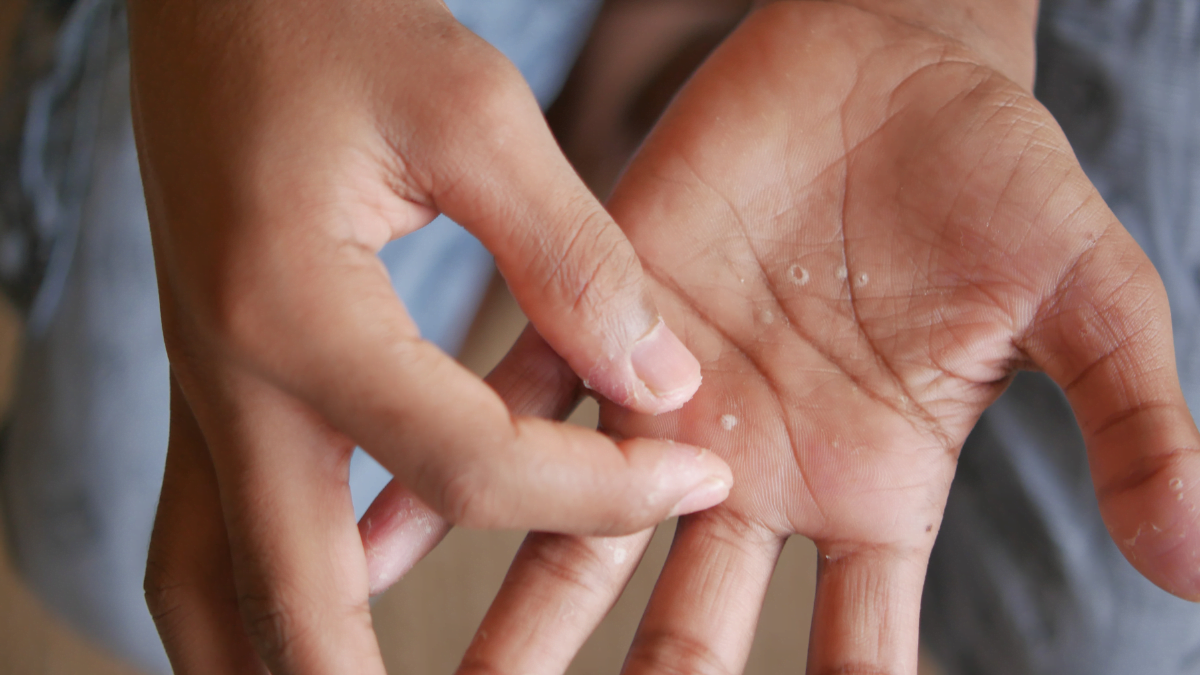
If tiny, itchy hand or foot blisters keep returning, stress may be part of the picture. Many people call this pompholyx or vesicular hand eczema; clinicians may say dyshidrotic eczema. We review stress biology, everyday triggers, and safe care options. You’ll also learn whether stress dyshidrotic eczema spreads and what to do next.
Key Takeaways
- Stress link: Nervous system changes can intensify itch and blisters.
- Not infectious: Fluid-filled blisters do not spread to others.
- Trigger stacking: Metals, sweat, heat, and friction often combine.
- Gentle care: Emollients, cool soaks, and trigger control help.
- Medical support: Topicals and light therapy may calm stubborn flares.
Stress Dyshidrotic Eczema
Stress activates the brain–skin axis, which can intensify itch, sweat, and inflammation. When stress hormones rise, skin barrier function may weaken, and nerve-driven itch can spiral. Scratching then releases more inflammatory signals, creating a flare loop. In dyshidrotic eczema (also called pompholyx), this loop shows up as clusters of deep, tapioca-like blisters on palms, fingers, or soles.
Clinicians describe this pattern as a chronic, relapsing form of vesicular hand eczema. People often report flares during exams, shift changes, or family stress. Heat, occlusive gloves, or sudden sweating can amplify symptoms. Addressing stress alongside skin care breaks the cycle more effectively than either strategy alone.
What It Is and What It Isn’t
This condition features intensely itchy, fluid-filled vesicles on hands and feet that may coalesce into plaques. When the blisters dry, the skin can crack and peel, causing pain and reduced grip. Typical Eczema patterns help clinicians recognize the condition. For a broader baseline definition, see Eczema as a starting point.
Common dyshidrotic eczema symptoms include tingling, burning, and visible vesicles on the sides of fingers, palms, and soles. Unlike infections, there is no contagious organism. Unlike psoriasis, there are no thick silvery scales. And unlike scabies, burrows are absent. Confusion with allergic contact dermatitis is possible, so history and exposure review matter.
Triggers and Risk Factors
Triggers are highly individual, yet some patterns repeat. Nickel exposure from jewelry, keys, or coins may provoke flares, as can cobalt, fragrance, and harsh detergents. Heat and occlusion trap moisture and irritants against the skin. Many people note seasonal allergies or atopic tendencies in their history. The cumulative burden of small triggers often exceeds any single cause.
Because trigger stacking is common, tracking patterns guides prevention. People often report dyshidrotic eczema triggers like sweaty palms during deadlines, vigorous workouts, or prolonged glove use. For background on stress physiology and its body-wide effects, see Science of Stress, which explains why stress can magnify itch and inflammation. Those with an atopic history may also benefit from Atopic Dermatitis Eczema for context on allergic tendencies.
Diagnosis and When to Seek Care
Diagnosis is usually clinical, based on the blisters’ depth, distribution, and a relapsing course. Your clinician may ask about metal exposure, occupational irritants, and family history of atopy. If fungal infection is suspected, they may perform a skin scraping to rule out tinea. Select patch testing can identify metal or fragrance allergy when contact reactions are suspected.
If blisters are severe, painful, or disrupt work and sleep, seek evaluation. Discuss recent exposures, new skincare products, and glove or gym routines. When patterns are unclear, asking about dyshidrotic eczema diagnosis steps—like patch testing for nickel or cobalt—can help. For a side-by-side view of overlapping rashes, see Palmoplantar Pustulosis vs. Dyshidrotic Eczema to understand key differences and avoid confusion.
Contagious or Not? Understanding Spread
These blisters are not contagious. The clear fluid is sterile, not infectious pus. You cannot give it to someone else through touch, towels, or shared surfaces. This is a noninfectious inflammatory process tied to skin barrier function, nerves, sweat, and immune responses. The term dyshidrosis is sometimes used interchangeably, reflecting the characteristic vesicles on hands and feet.
Authoritative dermatology sources consistently note the noninfectious nature of this rash. According to the American Academy of Dermatology, dyshidrotic eczema is a type of eczema and does not spread from person to person. For concise clinical descriptions of presentation and triggers, see DermNet, which provides accessible summaries for patients and clinicians.
Managing Flares and Daily Care
Calming the skin and protecting the barrier are daily priorities. Use a thick, fragrance-free emollient several times a day. Ointments containing petrolatum can reduce transepidermal water loss. During itchy episodes, cool compresses or diluted astringent soaks (such as aluminum acetate) may provide short-term relief. Patch test new products before widespread use.
Simple routines often help more than complex ones. Wear breathable cotton liners under work gloves, then moisturize after removal. Keep nails short to reduce scratch injury. Gentle handwashing with lukewarm water, followed by immediate emollient application, supports barrier healing. People often search for dyshidrotic eczema home remedies like diluted vinegar soaks; discuss any regimen with a clinician if your skin is cracked, infected, or very painful. For background terminology and subtypes, see Eczema Dermatitis, which outlines broader dermatitis categories.
Medical Treatments and Evidence
Topical anti-inflammatory agents are the mainstay for localized flares. Potent topical corticosteroids may be used short term on palms and soles, with careful monitoring for side effects. Nonsteroidal options like calcineurin inhibitors (tacrolimus, pimecrolimus) can help maintenance on thin skin areas or when steroid-sparing is preferred. Phototherapy may be considered for frequent relapses or widespread involvement.
Ask your clinician about dyshidrotic eczema treatment choices that fit your pattern and medical history. For an overview of a nonsteroidal option, see Protopic Ointment, referenced here because tacrolimus is sometimes used in sensitive areas. For high-potency steroid discussions, Clobetasol is linked as an example of a class option; potency and duration should always be clinician-directed. For safety considerations and adverse effects, consult Clobetasol Propionate Side Effects to understand risk discussions before use.
Stress Skills and Relapse Prevention
Addressing stress biology is not optional; it is part of care. Brief, regular practices can reduce itch-scratch cycles and improve sleep. Evidence-informed approaches include paced breathing, muscle relaxation, guided imagery, and mindfulness. Short walk breaks, consistent bedtimes, and phone-free wind-down routines can lower physiologic arousal. Consider scheduling micro-breaks before high-demand tasks to prevent over-activation.
Personalize your plan and keep it simple. Some people find cognitive behavioral strategies helpful for cue-based scratching. Others prefer yoga, tai chi, or quiet reading. Building a small daily habit is better than occasional intensity. Integrating stress management for eczema with barrier care reduces flare severity for many. If flares persist despite strong self-care, ask your clinician about allergy testing or referral.
When Nickel and Sweat Intersect
Metal allergy and perspiration often interact. Sweat can mobilize nickel ions from coins, keys, or accessories, increasing skin exposure. Moist hands under gloves or during workouts can magnify contact effects. Practical steps include swapping to low-nickel gear and drying hands thoroughly before glove use. Rotating tasks to limit prolonged occlusion also helps.
If you suspect nickel sensitivity, consider discussing patch testing and exposure reduction with your clinician. Switching to nonmetal accessories, key covers, and compatible watchbands can make a difference. Keep in mind that dietary nickel is a separate topic; dietary changes should be guided by a clinician or dietitian. People with persistent blisters and suspected metal allergy sometimes ask about “best creams”; focus first on trigger control, then individualized medications.
Safety, Complications, and Infections
Although extremely itchy and disruptive, this rash is typically not dangerous. The main risks involve skin cracks, sleep loss, and secondary infection. Seek care if you notice spreading redness, pus, fevers, or severe pain. Clinicians may culture suspicious lesions or prescribe antibiotics if infection is confirmed. Hand function at work can also suffer, so documentation may help workplace accommodations.
Protecting cracked skin reduces complications. Cover splits with occlusive dressings after emollients. Consider cotton glove liners for chores and replace harsh cleansers with gentle options. If over-the-counter products sting or worsen the rash, stop and ask for guidance. People often try remedies they read online; it’s wise to discuss any new regimen with a clinician who knows your skin history.
Prevention in Daily Life
Consistency wins. Moisturize after every handwash and before bed. Keep a small tube of ointment in your bag, car, or desk. Swap fragranced soaps for gentle, fragrance-free cleansers. Choose breathable gloves for tasks, then moisturize immediately afterward. Plan ahead for heat and sweat by carrying a clean towel and scheduling brief cool-downs.
Review exposures weekly and adjust one variable at a time. Replace metal-touch habits when possible, and track flare timing in a simple note app. If you see patterns tied to work, discuss protective options with your supervisor. Small environmental changes often add up to fewer flares over time. When uncertainty remains, re-evaluate triggers and ask about patch testing to clarify hidden culprits.
Note: If symptoms change suddenly or involve severe pain, swelling, or signs of infection, seek prompt evaluation.
This content is for informational purposes only and is not a substitute for professional medical advice.


