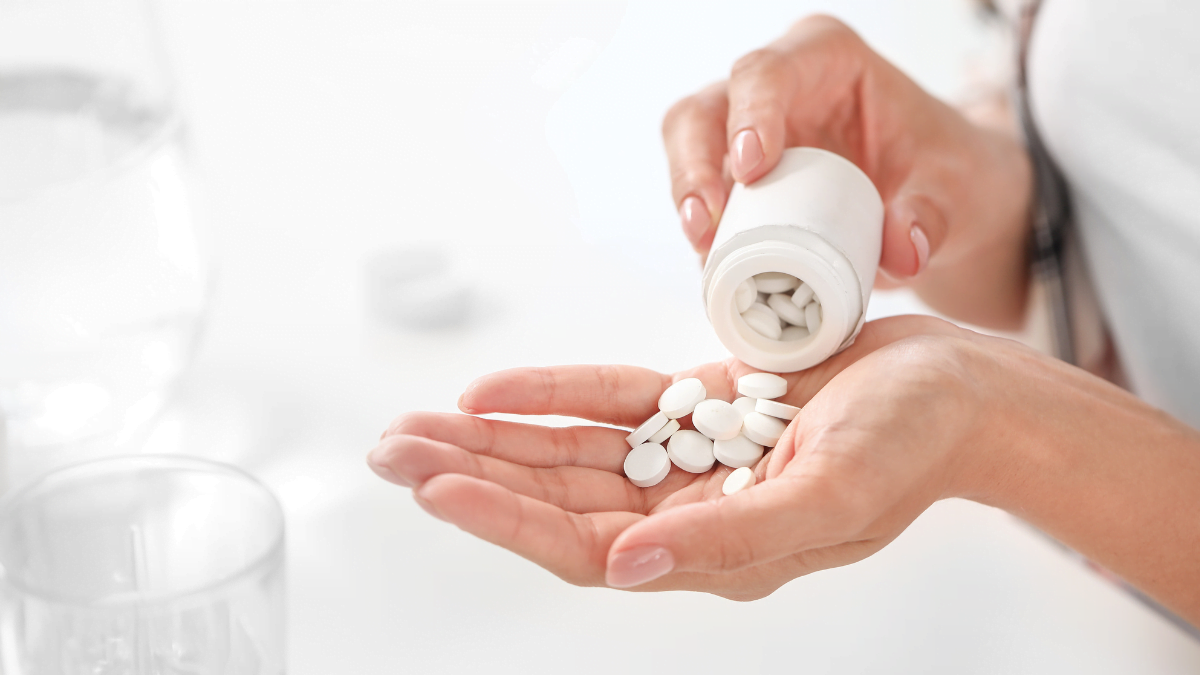
Jardiance Dosage is usually a once-daily plan, and most adults take it in the morning with or without food. The exact strength depends on why it was prescribed, kidney function, tolerability, and the rest of your medication list. Do not adjust the dose, split routines into twice-daily use, or restart after illness without your prescriber’s guidance.
Why this matters: empagliflozin, the active ingredient in Jardiance, affects how the kidneys remove glucose and sodium. That can support diabetes and heart-related goals, but it can also change urination, hydration, blood pressure, and infection risk. A safe plan is less about chasing a higher dose and more about matching the dose to your current health picture.
Key Takeaways
- Once daily: Jardiance is generally taken one time per day.
- Morning works best: Earlier dosing may reduce nighttime urination.
- Maximum matters: Do not exceed the prescribed daily amount.
- Kidneys guide safety: eGFR helps clinicians decide if use is appropriate.
- Combinations need care: insulin, diuretics, and blood pressure medicines may require closer monitoring.
Jardiance Dosage in Plain Language
Jardiance is the brand name for empagliflozin, an SGLT2 inhibitor (sodium-glucose cotransporter-2 blocker). This class lowers blood sugar by helping the kidneys pass extra glucose into urine. It is also used in some people for heart failure and kidney-related risk reduction, depending on the person’s diagnosis and clinical profile.
A typical dosing conversation starts with the reason for treatment. For type 2 diabetes, your clinician may focus on A1C, home glucose patterns, kidney function, and side effects. For heart failure, the discussion may focus more on symptoms, fluid balance, blood pressure, kidney labs, and hospitalisation risk. The same medicine can fit different care goals, but the monitoring priorities may change.
The official patient information for DailyMed’s Jardiance label summary describes once-daily oral use and key safety information. Use official label information as a reference point, not as a substitute for individual instructions from your prescriber.
If you want a broader refresher on why this medication is used, read What Is Jardiance Used For. For class-level context, Jardiance vs Farxiga can help you prepare comparison questions without treating one option as automatically better.
Daily Timing, Food, and Missed Doses
Most people are told to take Jardiance once daily, often in the morning. Food is not usually the deciding factor, because it can be taken with or without meals. Routine matters more. A steady habit lowers the chance of missed doses and makes side effects easier to track.
People often ask what happens if you take Jardiance at night. Taking it later may be acceptable for some people if that is what the prescriber advised, but it can increase nighttime urination for others. That can disrupt sleep or raise fall risk in someone who already gets up at night. If nighttime dosing is causing problems, ask your clinician or pharmacist before changing the schedule.
If you miss a dose, follow the instructions from your medication label or care team. Many labels advise taking a missed dose when remembered, unless it is close to the next dose. Do not take extra tablets to make up for a missed dose. Doubling up may increase the chance of dehydration, dizziness, or other side effects.
Quick tip: Pair the dose with a fixed morning habit, such as brushing your teeth.
Some readers ask, can I take Jardiance twice a day? In general, Jardiance is not used as a twice-daily medicine. If blood sugar, symptoms, or fluid-related concerns remain above target, clinicians usually reassess the whole plan rather than simply adding another daily dose. That review may include adherence, kidney labs, diet patterns, other medications, and possible add-on therapies.
10 mg, 25 mg, and the Daily Maximum
The two commonly discussed tablet strengths are 10 mg and 25 mg. Many people start at the lower strength, then the prescriber decides whether a higher strength is appropriate. That decision is usually based on treatment goal, response, tolerability, kidney function, and side-effect history.
The Jardiance Dosage maximum should never be treated as a personal target. A higher dose is not automatically safer or more effective for every person. If a person is already having urinary symptoms, dizziness, low blood pressure, dehydration, or recurring genital yeast infections, a clinician may avoid escalation even when glucose numbers are not ideal.
For diabetes, the 10 mg versus 25 mg discussion often centers on glucose response and side effects. For heart failure or kidney-risk indications, your clinician may explain whether increasing strength is expected to add benefit for your situation. Ask directly what marker is being followed. It may be A1C, fasting glucose, symptoms, weight changes, blood pressure, eGFR, or a combination.
Questions about Jardiance 10 mg vs 25 mg side effects are reasonable. Side effects can occur at either strength, but some reactions may become more noticeable after a dose change. Watch for increased urination, thirst, lightheadedness, genital itching or discharge, pain with urination, or unusual fatigue. Seek urgent help for severe weakness, confusion, fainting, trouble breathing, or symptoms that feel rapidly worsening.
For a deeper look at tolerability patterns, see Jardiance Side Effects. If your main interest is weight, Jardiance Weight Loss explains why scale changes may occur and why the medicine is not dosed for weight loss alone.
Kidney Function and eGFR Checks
Kidney function is one of the most important safety checks before and during therapy. Clinicians often use eGFR, or estimated glomerular filtration rate, to estimate how well the kidneys filter blood. This number helps determine whether starting or continuing the medicine fits the label, the indication, and your overall risk profile.
Jardiance dose adjustment renal impairment questions are not one-size-fits-all. The answer can depend on the reason for treatment, current eGFR, recent kidney changes, fluid status, and other medicines. Some people may still receive SGLT2 therapy for heart or kidney-related reasons even when glucose-lowering effects are smaller. Others may need treatment held or reassessed if dehydration, acute illness, or kidney function changes occur.
The eGFR estimate is a lab-based calculation. A calculator can help you understand the type of metric your care team is reviewing, but it does not confirm whether Jardiance is appropriate for you.
eGFR Calculator
Estimate kidney filtration using the 2021 CKD-EPI creatinine equation.
These calculations are for education only and do not replace clinical advice, diagnosis, or treatment. Always confirm medical decisions with a qualified healthcare professional.
Older adults, people taking diuretics, and those with low blood pressure may need closer follow-up. Diuretics help the body remove fluid, and Jardiance can also increase urination. Together, that may raise the chance of dizziness, volume depletion, or falls in susceptible people. Your care team may ask for blood pressure readings, weight trends, and updated labs after changes.
For people focused on heart failure, Jardiance for Heart Failure gives more context on how this medicine may fit into a broader plan. Product pages such as Jardiance can also help identify the medication being discussed, but dosing decisions still belong with the prescriber.
Combination Therapy and When to Be Cautious
Jardiance is often used with other diabetes or heart medicines. Common combinations may include metformin, GLP-1 receptor agonists, insulin, blood pressure medicines, or diuretics. Each added medicine changes what needs watching.
With metformin, the focus may be kidney function, stomach tolerability, glucose patterns, and overall A1C goals. With insulin or sulfonylureas, clinicians pay closer attention to hypoglycemia, which means low blood sugar. Jardiance alone is less likely to cause low blood sugar, but the risk can rise when it is combined with medicines that directly increase insulin levels or insulin effect.
With diuretics or some blood pressure medicines, the concern is not only glucose. It is also fluid balance. Dizziness when standing, faintness, very low blood pressure, sudden weight change, or reduced fluid intake during illness should prompt a call to the care team. Some people receive “sick day” instructions, which explain what to do with certain medicines during vomiting, diarrhea, fever, or poor oral intake.
Combination products can add another layer of complexity. For example, Synjardy contains empagliflozin with metformin, so a dose conversation may involve both ingredients. Other SGLT2 options, including Forxiga and Invokana, have their own labels and clinical considerations. Do not assume dosing rules transfer perfectly across brands.
Practical Questions to Bring to Your Appointment
A focused visit is often more helpful than asking for a higher dose. Bring your medication list, recent lab results if you have them, home glucose readings, blood pressure readings, and notes about symptoms. Patterns matter more than one isolated number.
- Daily plan: What time should I take it?
- Dose limit: What is my prescribed maximum per day?
- Kidney check: What eGFR range are you watching?
- Side effects: Which symptoms should I report quickly?
- Other medicines: Do insulin or diuretics change my monitoring plan?
- Illness plan: What should I do during vomiting, diarrhea, or dehydration?
Write down the answer in plain language. If instructions differ from what you expected, ask the clinician to explain the reason. Your plan may reflect heart failure status, kidney labs, infection history, blood pressure, age, or other medications.
Why it matters: Clear instructions reduce accidental double dosing and unsafe self-adjustments.
If you are comparing diabetes medication classes more broadly, the Type 2 Diabetes category collects related education. The Type 2 Diabetes Collection is better used as a browseable product-focused area, not as medical advice.
When Side Effects or Symptoms Need Attention
Some side effects are uncomfortable but not emergencies. Others need prompt review. Common issues can include more frequent urination, thirst, genital yeast infections, and urinary discomfort. Dizziness can occur if fluid volume drops, especially during heat, illness, or diuretic use.
Call your clinician if urinary symptoms are persistent, if genital symptoms keep returning, or if dizziness affects daily activity. Seek urgent care for severe dehydration symptoms, fainting, confusion, rapid breathing, severe abdominal pain, or signs of a serious allergic reaction. People with diabetes should also ask about symptoms of ketoacidosis, a rare but serious condition where acids called ketones build up in the blood.
Do not stop or restart prescription medicine based only on an online article. If symptoms feel concerning, contact a clinician, pharmacist, or emergency service based on severity. Medication safety is especially important during infections, surgery preparation, fasting, heavy alcohol intake, or sudden changes in eating patterns.
Authoritative Sources
For official medication details, review the DailyMed label for Jardiance, which includes dosing, warnings, contraindications, and patient information. For consumer-friendly safety context, MedlinePlus on empagliflozin summarizes key precautions and missed-dose guidance. For broader diabetes care standards, the American Diabetes Association provides education on diabetes management and monitoring.
BorderFreeHealth connects U.S. patients with licensed Canadian partner pharmacies for eligible prescription options. When prescription verification is required, pharmacy partners may confirm details with the prescriber before dispensing. This access context can help with medication planning, but it does not replace clinical dosing guidance.
Recap
Jardiance Dosage decisions should start with the indication, kidney function, side-effect history, and other medicines. Most people take it once daily, commonly in the morning, and should not take extra tablets after a missed dose. Higher strength is not always the right next step. If goals are not being met, your clinician may adjust monitoring, review combinations, or consider a different strategy.
Keep your plan simple: take it consistently, track symptoms, know your maximum prescribed daily amount, and ask what lab changes should trigger follow-up. A clear plan protects both safety and treatment goals.
This content is for informational purposes only and is not a substitute for professional medical advice.