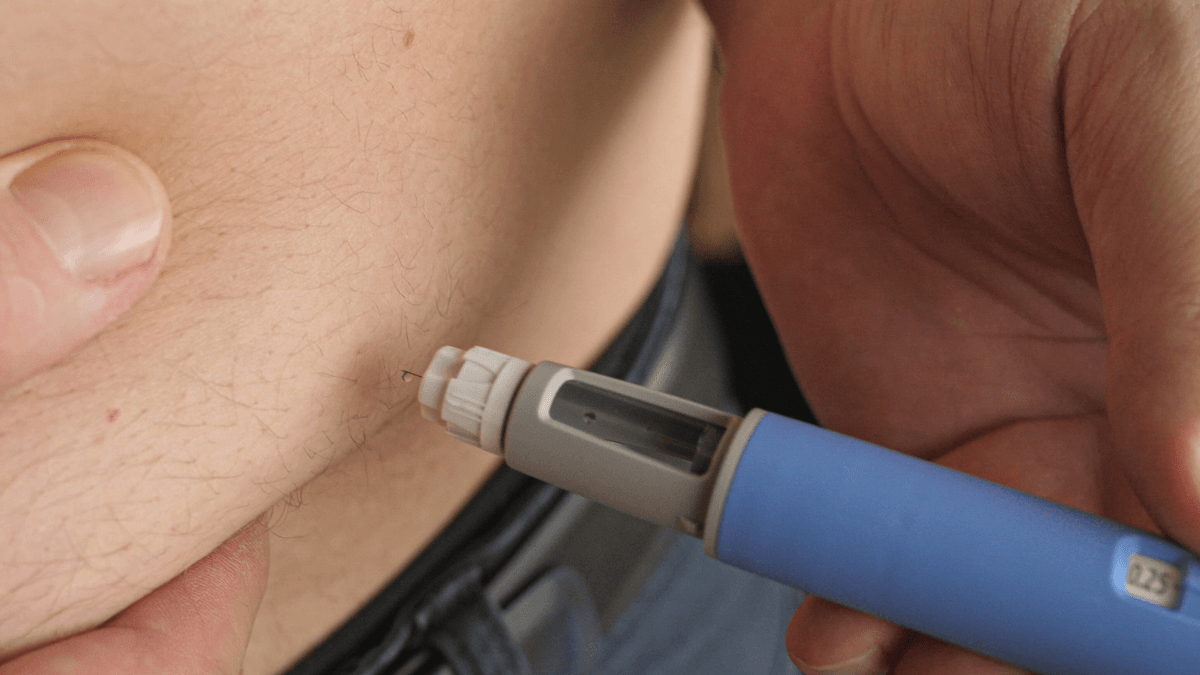
Ozempic has been studied through several layers of evidence: pre-approval clinical trials, longer follow-up studies, cardiovascular outcomes research, and post-marketing safety monitoring after U.S. approval in 2017. So the answer to how long has ozempic been studied depends on what you mean by “studied.” The brand has years of market experience, while semaglutide research began before approval and continues today.
That distinction matters. A trial can answer one question well, such as blood sugar control in adults with type 2 diabetes. It may not answer every question about decades of use, pregnancy, rare events, or weight-management use in different populations.
Key Takeaways
- Evidence has layers: trials, extensions, labels, and real-world reports.
- Ozempic received U.S. approval in 2017 for adults with type 2 diabetes.
- Semaglutide has been studied longer than the Ozempic brand has been marketed.
- Long-term safety is monitored continuously, especially for rare events.
- Your personal risk depends on your history, medicines, goals, and follow-up plan.
What “Studied” Means for a Medicine
“Studied” does not mean one single experiment. It means researchers and regulators have reviewed evidence across many stages. Early studies look at dosing, tolerability, and how the drug behaves in the body. Larger phase 3 trials then test safety and effectiveness in defined groups. After approval, clinicians, patients, manufacturers, and regulators continue to report and analyze safety information.
Ozempic is a brand name for semaglutide, a GLP-1 receptor agonist. GLP-1 receptor agonists mimic signals from glucagon-like peptide-1, a gut hormone involved in insulin release, appetite signals, and slowed stomach emptying. If you want a broader primer on the ingredient and available forms, see Semaglutide Basics.
When people ask how long has ozempic been studied, they often mean one of three things. They may want to know when it was approved, how long the clinical trials lasted, or whether people have used it safely for many years. Those are related questions, but they are not identical.
Why it matters: A clear timeline helps you weigh known risks without treating uncertainty as panic.
The Research Timeline in Plain Language
The Ozempic clinical trial timeline starts before its public launch. Regulators reviewed controlled trials before approval, then safety tracking continued after the drug reached routine care. U.S. approval for Ozempic came in 2017 for adults with type 2 diabetes, and later evidence added more information about cardiovascular outcomes and broader use patterns.
Semaglutide itself has also been studied in other formulations and under different brand names. That is why “how long has semaglutide been studied” can produce a longer answer than “how long has Ozempic been on the market.” The active molecule, route of administration, dose, population, and intended use all shape what the evidence can prove.
Diabetes trials and the SUSTAIN program
Ozempic’s diabetes evidence includes the SUSTAIN clinical trial program, which studied adults with type 2 diabetes under controlled conditions. These trials measured outcomes such as A1C, body weight, adverse events, and discontinuation. Some studies also examined cardiovascular safety in people at higher cardiovascular risk.
Trial duration matters. A study lasting months can show common side effects and changes in glucose markers. Longer studies and outcomes trials are better for durability and certain safety questions. Rare events, however, may only become clearer after many more people use a medicine in routine care.
Weight-management trials and related semaglutide research
Weight-management evidence is often discussed alongside Ozempic, but it should be read carefully. Wegovy also contains semaglutide, yet it is labeled differently and was studied for chronic weight management in separate trial programs. The STEP trials helped define semaglutide’s weight-management evidence, but those results should not be automatically treated as Ozempic-specific prescribing advice.
This distinction protects you from overinterpreting headlines. A result from adults with obesity but without diabetes may not apply the same way to someone with long-standing type 2 diabetes, kidney disease, or multiple glucose-lowering medicines. For condition-focused reading, the Type 2 Diabetes collection and Weight Management collection can help you separate those evidence tracks.
Has It Been Studied Long-Term?
Yes, Ozempic and semaglutide have long-term data, but “long-term” has limits. In medical research, long-term may mean one to two years of trial follow-up, several years of market use, or ongoing post-marketing surveillance. It rarely means a complete answer for every possible outcome over a lifetime.
Ozempic long term safety is built from several evidence sources. Controlled trials provide cleaner comparisons. Extension studies can show what happens after longer exposure. Real-world evidence uses health records or registries to look for patterns across broader groups. Spontaneous reporting systems can flag rare or unexpected events, though they cannot prove cause by themselves.
People also ask whether Ozempic has been around for 20 years. The brand has not. The broader GLP-1 receptor agonist class has a longer history, with earlier medicines approved before semaglutide. That class history gives useful context, but it does not replace drug-specific evidence for semaglutide.
For a practical example, a clinician may feel more comfortable with a labeled risk that has appeared consistently across studies and official documents. They may be more cautious about a newer signal that needs more analysis. Both responses can be reasonable.
Safety Signals Readers Usually Want Clarified
The most commonly discussed side effects are gastrointestinal. Nausea, vomiting, diarrhea, constipation, and abdominal discomfort are often reported with GLP-1 receptor agonists. These symptoms can range from mild to disruptive. Some people stop treatment because tolerability matters as much as effectiveness.
More serious risks are less common but deserve careful discussion. Official labeling includes warnings and precautions that may involve pancreatitis (inflammation of the pancreas), gallbladder problems, kidney issues related to dehydration, low blood sugar when combined with certain diabetes medicines, and a boxed warning about thyroid C-cell tumors based on animal data. Personal history can change how these risks are interpreted.
If you are trying to understand long term side effects of Ozempic, avoid relying only on personal stories. Individual reports can be important, but they do not show how often an event occurs or whether the medicine caused it. A safer approach is to compare stories against the official label, trial publications, and your own medical background.
For a patient-friendly side effect review, see Managing Ozempic Side Effects. If your concern is sex-specific symptom reporting or caregiver monitoring, Side Effects in Males may add useful context.
When symptoms need prompt medical attention
Severe or persistent abdominal pain, repeated vomiting, signs of dehydration, fainting, allergic symptoms, or symptoms of very low blood sugar should not be brushed aside. Seek urgent care when symptoms feel severe, sudden, or unsafe. A clinician can decide whether evaluation, labs, imaging, or medication changes are needed.
Do not stop or restart a prescription only because of something you read online. Bring the concern to your prescriber or pharmacist, especially if you also use insulin, sulfonylureas, blood pressure medicines, or diuretics.
How It Works and Why Effects Can Feel Broad
Semaglutide works through GLP-1 receptor pathways that affect glucose and appetite regulation. In people with type 2 diabetes, it can support insulin release when glucose is elevated and reduce glucagon, a hormone that raises blood sugar. It also slows gastric emptying, meaning food may leave the stomach more slowly.
Those mechanisms help explain both benefits and side effects. Slower stomach emptying and appetite changes can contribute to nausea, fullness, or altered eating patterns. Some people describe changes in cravings or food noise, but that does not mean the medicine “rewires” everyone’s brain in the same way. Appetite is influenced by biology, mood, sleep, stress, medications, and environment.
Public interest often shifts toward celebrity use or dramatic before-and-after stories. Those stories are not a reliable way to judge safety. They usually leave out baseline health, dose history, nutrition, adverse effects, and follow-up care. Your decision should rest on medical evidence and your own risk-benefit discussion.
Who the Evidence Applies To, and Where It May Not
The strongest evidence applies to groups actually included in the studies. For Ozempic, much of the core evidence involves adults with type 2 diabetes. Some semaglutide evidence involves adults with overweight or obesity under different labeling and study designs. That difference matters for interpretation.
People with complex medical histories may need a more careful review. This can include a history of pancreatitis, gallbladder disease, severe gastrointestinal disease, kidney problems, diabetic retinopathy, endocrine tumor syndromes, pregnancy plans, or breastfeeding. Pregnancy and fertility questions are especially sensitive because medication decisions may need planning before conception. For more context, see Ozempic and Pregnancy.
Older adults may also need individualized monitoring. Age alone does not answer the safety question. Frailty, hydration, appetite changes, kidney function, fall risk, and other medicines may matter more than age by itself.
Access can affect safety too. Consistent follow-up, confirmed prescriptions, and clear counseling reduce confusion. BorderFreeHealth connects U.S. patients with licensed Canadian partner pharmacies, and prescription details are verified with prescribers when required before dispensing by the pharmacy.
Questions to Bring to Your Clinician or Pharmacist
A good appointment turns general research into a personal safety plan. You do not need to become a trial expert. You need enough context to ask focused questions and recognize warning signs.
- Your goal: Ask whether the goal is A1C, weight, cardiovascular risk, or another marker.
- Your history: Mention pancreatitis, gallbladder disease, kidney issues, eye disease, or severe GI symptoms.
- Your medicines: Review insulin, sulfonylureas, diuretics, and other appetite-affecting drugs.
- Your monitoring: Ask which labs, symptoms, or glucose patterns should be tracked.
- Your stop plan: Ask what symptoms should trigger a call or urgent care.
- Your expectations: Discuss what results are realistic and what would count as poor tolerability.
Quick tip: Keep a short symptom and glucose log during medication changes.
People often ask how long can you take Ozempic. There is no single internet answer that fits everyone. Type 2 diabetes and obesity can be chronic conditions, so some people use long-term therapy when benefits, tolerability, and access remain appropriate. Others stop because of side effects, changing goals, pregnancy planning, cost, or clinical advice.
If you are comparing options, keep the question broad. Different GLP-1 medicines have different labels, study histories, dosing schedules, and tolerability patterns. For a focused comparison, see Trulicity vs Ozempic. Product background pages such as Ozempic, Wegovy, and Rybelsus can help you keep brand names and formulations straight without replacing clinical advice.
How to Read New Safety Headlines
New Ozempic studies and semaglutide analyses will keep appearing. That is normal for a widely used medicine. The key is to ask what type of evidence you are reading before changing your level of concern.
A randomized trial can show whether outcomes differed between assigned groups under study rules. An observational study can explore patterns in real-world care, but it may be affected by differences between people who did and did not receive the medicine. A case report can highlight a possible safety signal, yet it cannot estimate risk for the general population.
Watch for three details in any headline. First, identify the population studied. Second, check the duration of follow-up. Third, look for absolute risk, not just relative language. A headline can sound alarming while the actual number of events remains small, or it can sound reassuring while leaving out a high-risk subgroup.
It is also reasonable to ask who funded a study and whether the findings match official labeling. Funding does not automatically invalidate research, but transparency helps readers evaluate the evidence.
Authoritative Sources
For medication safety questions, start with official labels and regulator-backed safety systems. These sources are not perfect, but they provide standardized information that is updated as evidence changes.
- For current U.S. labeling details, see the Ozempic prescribing information page.
- For adverse event reporting context, review the FDA adverse event monitoring system.
- For a major semaglutide weight-management trial, see the New England Journal of Medicine trial report.
If you are asking how long has ozempic been studied, the most useful answer is not just a year. Ozempic has pre-approval trial evidence, post-approval experience since 2017, and continuing safety surveillance. Semaglutide also has broader research across formulations and indications. Use that timeline as a starting point, then ask how well the evidence matches your own health situation.
This content is for informational purposes only and is not a substitute for professional medical advice.