
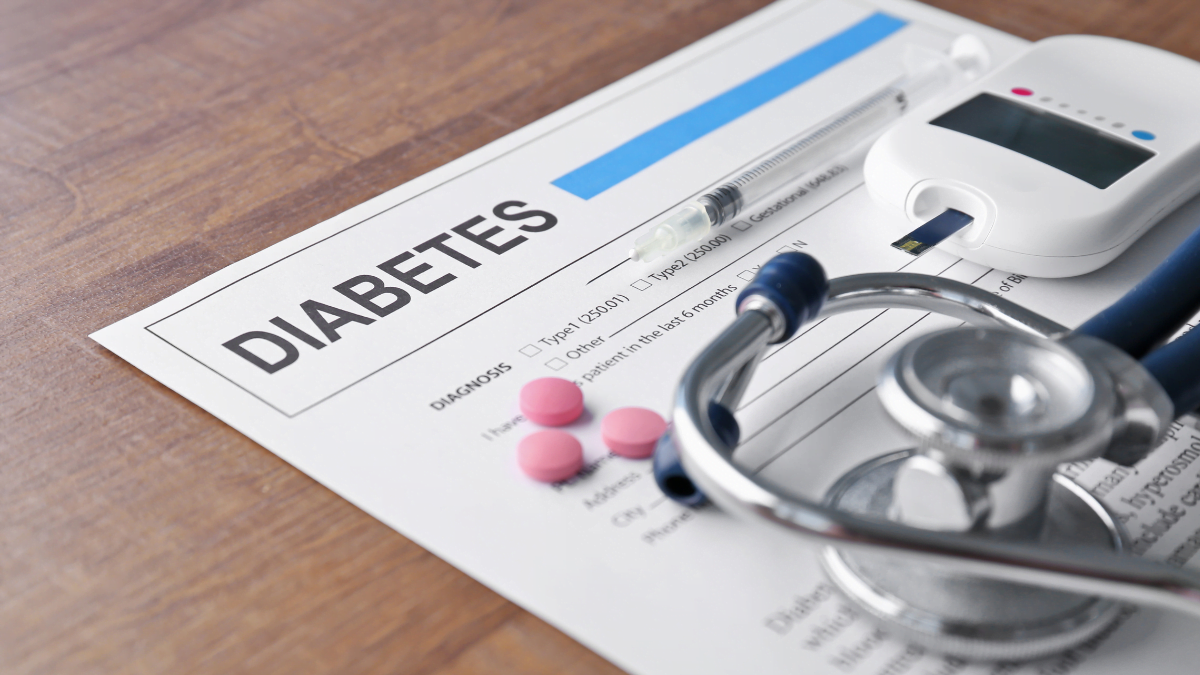
The Dapagliflozin Brand Name most people recognize is Farxiga in the United States, while Forxiga is used in some other markets. The active ingredient is dapagliflozin, an SGLT2 inhibitor used in type 2 diabetes and certain heart or kidney conditions. This matters because brand names can vary, but the clinical discussion should focus on the active drug, approved use, safety profile, and your care goals.
Key Takeaways
- Brand-name clarity: Farxiga is dapagliflozin in the U.S.
- Class matters: It belongs to SGLT2 inhibitors.
- Uses vary: Diabetes, heart failure, and kidney indications differ by label.
- Safety needs attention: Infections, dehydration, and ketoacidosis warnings matter.
- Next step: Confirm the exact ingredient with your pharmacist.
How the Dapagliflozin Brand Name Relates to Farxiga
Dapagliflozin is the generic name of the active medicine, while Farxiga is a common brand name. In some countries, you may see Forxiga instead. You may also see the chemical form written as dapagliflozin propanediol. That wording describes the drug’s salt or formulation form, not a separate medicine for most patient-level decisions.
Brand confusion is common when prescriptions, pharmacy labels, and online resources use different naming systems. A prescriber may write the generic name. A pharmacy label may list the brand. An education page may mention the drug class first. When comparing names, start with the active ingredient: dapagliflozin.
If you are trying to match a prescription to a product page, the Dapagliflozin Tablet Options page can help you recognize common listing language. For a broader discussion of brand and non-brand terminology, see Dapagliflozin Generic Options.
Why it matters: Brand-name differences should not distract from safety, eligibility, and monitoring.
What Dapagliflozin Is Used For
Dapagliflozin is used for blood sugar management in type 2 diabetes and for selected heart and kidney indications. It is not used to treat type 1 diabetes. Approved uses depend on the country, product label, and individual clinical situation, so your prescriber’s reason for choosing it matters.
For type 2 diabetes, dapagliflozin can help lower blood glucose by increasing glucose loss through urine. It is often discussed alongside nutrition, activity, metformin, and other glucose-lowering medicines. It may be considered when the care plan also needs attention to heart failure risk or kidney protection, when appropriate.
For heart failure and chronic kidney disease, dapagliflozin may be used in people who do not have diabetes, depending on the indication and local label. That surprises many readers. The reason is that SGLT2 inhibitors affect kidney sodium handling, fluid balance, and related pathways beyond glucose alone.
For a deeper review of clinical use cases, read Dapagliflozin Uses In Diabetes. If you want a broader background on class effects and special populations, see Dapagliflozin Comprehensive Overview.
How It Works in Plain Language
Dapagliflozin works in the kidneys by blocking sodium-glucose co-transporter 2, often shortened to SGLT2. These transporters normally reclaim filtered glucose and move it back into the bloodstream. Blocking them allows more glucose to leave the body in urine.
This mechanism can lower A1C, which is a measure of average blood glucose over about three months. It can also increase urination, especially after starting therapy. Some people see modest weight or blood pressure changes, but these effects vary and should not be treated as guaranteed outcomes.
If you track A1C and estimated average glucose, a conversion tool can help you understand lab terms before appointments. It does not interpret your results or replace clinical advice.
HbA1c & eAG Calculator
Convert between HbA1c percentage and estimated average glucose using the ADAG relationship.
These calculations are for education only and do not replace clinical advice, diagnosis, or treatment. Always confirm medical decisions with a qualified healthcare professional.
The Dapagliflozin Brand Name may appear in discussions about glucose, heart failure, and kidney outcomes because the same active ingredient has multiple approved contexts. Still, the reason for use should be clear in your medical record. Ask whether the goal is glucose control, heart failure support, kidney risk reduction, or a combination of these.
Strengths, 10 mg Questions, and Combination Products
Dapagliflozin tablets are commonly discussed in 5 mg and 10 mg strengths, but the right strength depends on the labeled indication and clinical judgment. Many searches ask, “What is Farxiga 10 mg used for?” The careful answer is that 10 mg may be used for certain approved indications, but the reason and suitability must come from the prescriber and product label.
Some products combine dapagliflozin with other medicines, such as metformin or another diabetes medication. Combination tablets can reduce pill burden for some people, but they also combine side effects, kidney considerations, and contraindications from both ingredients. Always check whether a tablet contains one active medicine or more than one.
People comparing SGLT2 options may also see empagliflozin or canagliflozin. Jardiance contains empagliflozin, not dapagliflozin. Invokana contains canagliflozin. These medicines share a class, but they are not interchangeable without a prescriber’s guidance. Product labels, kidney function thresholds, and approved uses can differ.
For related product navigation, you can compare listing language for Forxiga, Jardiance, and Invokana. Keep the focus on active ingredients, not just familiar brand names.
Side Effects and Safety Signals to Know
The most common side effects of dapagliflozin often involve the urinary and genital area. Genital yeast infections can occur because more glucose in urine may encourage yeast growth. Increased urination, thirst, and symptoms related to low fluid volume may also happen.
Some people need extra caution. Volume depletion means the body has too little circulating fluid, which can cause dizziness or low blood pressure. This risk may be higher during vomiting, diarrhea, reduced intake, hot weather, or use of diuretics. Older adults and people with kidney disease may need closer monitoring.
Rare but serious risks include diabetic ketoacidosis, sometimes with blood glucose that is not extremely high. Ketoacidosis is a dangerous acid buildup in the blood. Warning symptoms can include nausea, vomiting, stomach pain, unusual tiredness, rapid breathing, or confusion. Seek urgent care for severe symptoms or signs of a serious reaction.
Dapagliflozin can also affect kidney-related lab values. That does not mean it is “hard on” one organ in a simple way. Rather, kidney function, fluid status, and the reason for treatment need review before and during therapy. Your clinician may check estimated glomerular filtration rate, often called eGFR, to assess kidney filtering.
Quick tip: Bring a current medicine list to every diabetes or kidney visit.
When to ask for medical guidance promptly
- Possible dehydration: dizziness, fainting, or very low intake.
- Genital symptoms: new itching, pain, swelling, or discharge.
- Urinary concerns: fever, flank pain, or persistent burning.
- Ketoacidosis signs: vomiting, stomach pain, or rapid breathing.
- Surgery or fasting: ask about temporary medicine-hold instructions.
For more on side effects in the context of diabetes treatment, the Type 2 Diabetes Articles collection can help you explore related topics. Use internal resources for orientation, and rely on your clinician and official labels for safety decisions.
Who May Not Be a Good Fit
Dapagliflozin is not appropriate for everyone. People with type 1 diabetes, a history of ketoacidosis, certain severe kidney problems, or specific allergy concerns may need different options. Pregnancy, breastfeeding, planned surgery, and acute illness also require individualized review.
Medication context matters. Insulin and sulfonylureas can increase hypoglycemia risk when glucose-lowering therapy changes, though dapagliflozin alone has a lower hypoglycemia risk than some medicines. Diuretics, blood pressure medicines, and nonsteroidal anti-inflammatory drugs can also affect hydration or kidney-related decision-making.
Example: A person taking a diuretic for heart failure may need a careful fluid-status discussion before starting an SGLT2 inhibitor. Another person with frequent genital yeast infections may need to discuss prevention and warning signs. These examples are not treatment instructions. They show why personal context changes the risk-benefit conversation.
If access or affordability is part of your decision-making, Dapagliflozin Cost Options covers neutral planning considerations. BorderFreeHealth connects U.S. patients with licensed Canadian partner pharmacies, and prescription details may be verified with the prescriber when required before dispensing.
Practical Questions to Bring to Your Care Team
The best discussion is specific to your diagnosis, labs, and current medicines. Before starting or changing dapagliflozin, ask why this medicine is being considered and what success would look like. That might include A1C goals, heart failure symptoms, kidney markers, or fewer hospitalizations, depending on the clinical reason.
- Reason for use: diabetes, heart failure, kidney disease, or overlap.
- Exact product: brand, generic name, and active ingredients.
- Kidney review: recent eGFR and urine albumin results.
- Sick-day plan: when to call or pause medicines.
- Side effect plan: what symptoms need urgent care.
- Combination therapy: how it fits with metformin or insulin.
People browsing condition-based resources can also use the Type 2 Diabetes Product Collection to understand how diabetes medicines are grouped. Treat browse pages as navigation, not as personalized treatment advice.
Brand, Generic, and Availability Questions
The Dapagliflozin Brand Name question often leads to generic questions. The generic name is dapagliflozin. Farxiga is a brand name. Dapagliflozin propanediol may appear in technical or label language. A pharmacist can confirm whether two names refer to the same active ingredient and whether substitution is allowed in your location.
Generic availability can vary by country, patent status, regulatory approvals, and pharmacy supply. Do not assume that a generic listed in one region is available or substitutable everywhere. If your prescriber writes a brand name, ask whether the active ingredient, strength, and formulation allow a generic alternative.
For a focused discussion of Forxiga naming, see Forxiga Generic Name. If you use cross-border cash-pay options without insurance, confirm prescription requirements, product identity, and jurisdictional eligibility before relying on any access pathway.
Authoritative Sources
For official U.S. prescribing details, review the FDA-approved Farxiga prescribing information. It lists approved uses, contraindications, warnings, and adverse reactions.
For patient-friendly drug information, MedlinePlus provides a dapagliflozin medicine summary with brand names and safety basics.
For diabetes care context, the American Diabetes Association publishes current Standards of Care resources covering medication selection, cardiovascular risk, and kidney considerations.
Recap
The Dapagliflozin Brand Name usually points to Farxiga in the U.S. and Forxiga in some other markets. The active ingredient is dapagliflozin, an SGLT2 inhibitor used in type 2 diabetes and selected heart or kidney conditions. Understanding the name is only the first step. The safer conversation includes indication, kidney function, hydration, side effects, combination medicines, and follow-up monitoring.
This content is for informational purposes only and is not a substitute for professional medical advice.


