
Please note: a valid prescription is required for all prescription medication.
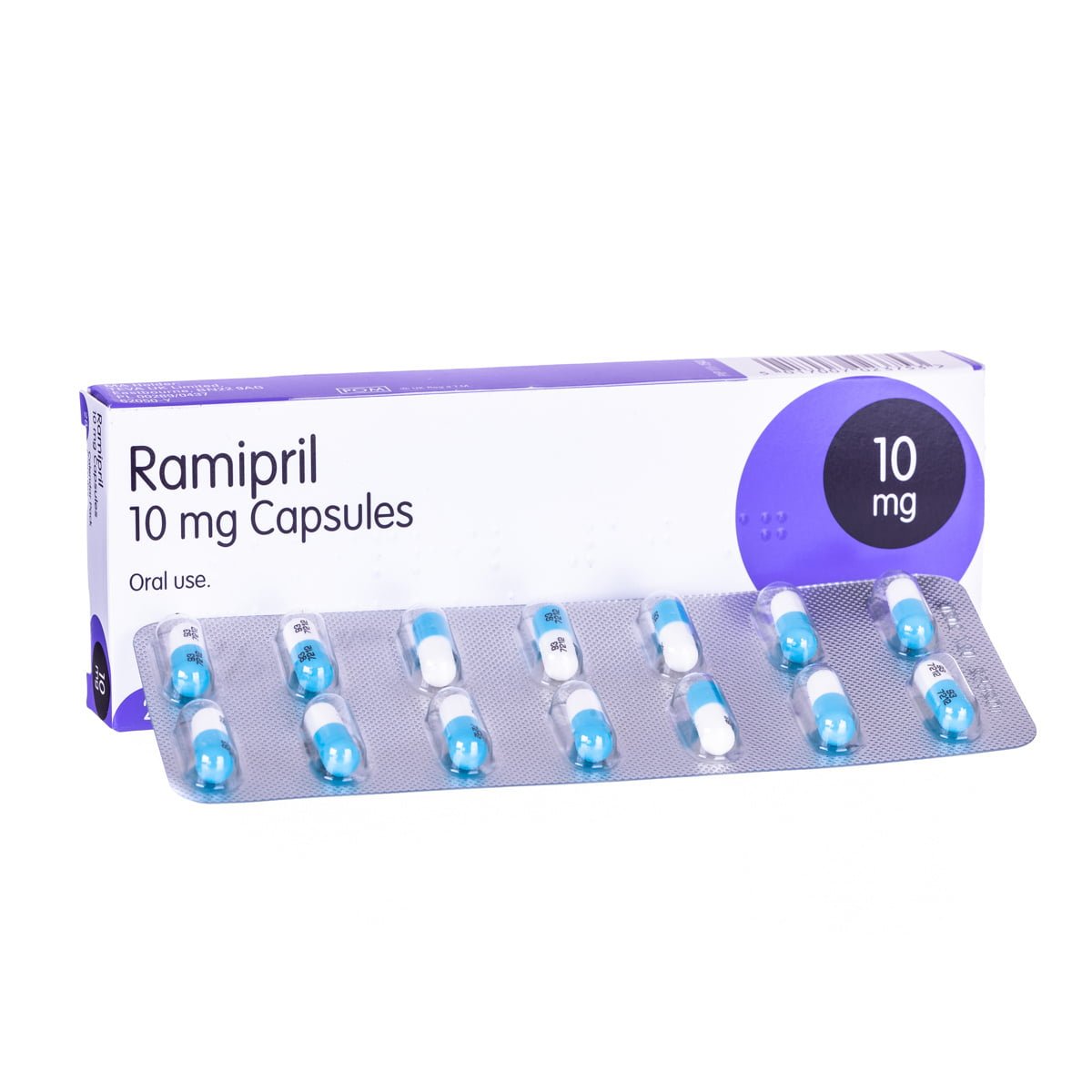
Ramipril
Buy Ramipril Online
Secure Encrypted Payments
Ramipril is an ACE inhibitor used to treat high blood pressure and support cardiovascular risk reduction in appropriate adults. It can be bought online through licensed pharmacy channels, with current product strengths and quantities shown during ordering so you can match the medication to clinician directions. BorderFreeHealth offers US delivery from Canada for customers using cash-pay cross-border medication access.
Ramipril Price, Strengths, and Ordering
Ramipril Canadian pricing can vary by strength, quantity, manufacturer, and current supply. During ordering, choose the dose or strength displayed for Ramipril and match it to the directions you already use. Commonly referenced strengths include 1.25 mg, 2.5 mg, 5 mg, and 10 mg tablets, though the strengths shown for sale may vary over time.
People often compare the cost of ramipril 5mg, ramipril 2.5 mg, and ramipril 10 mg because maintenance therapy may continue long term. A larger quantity may reduce repeated service and processing costs when it aligns with the treatment plan. If your directions change, select the strength and quantity that fit the updated regimen before completing the purchase.
Quick tip: Keep the medication label and your current directions together when choosing a strength, especially if you have used Altace or another ramipril brand before.
What Ramipril Treats
Ramipril is used for hypertension, also called high blood pressure. Lowering blood pressure can reduce strain on blood vessels, the heart, brain, and kidneys. For more condition background, see our sections on hypertension and cardiovascular health.
Clinicians also use ramipril to reduce the risk of heart attack, stroke, or cardiovascular death in certain high-risk adults. It may be used after a heart attack when signs of heart failure are present, based on label directions and individual health factors. Ramipril is not a blood thinner; it lowers blood pressure by relaxing blood vessels rather than changing clotting.
Some patients receive ramipril because kidney protection is part of the broader treatment goal. Blood pressure control can help protect kidney function in selected patients, but the medicine can also affect kidney lab values. Follow-up blood tests help confirm that potassium and kidney function remain within a safe range.
How This ACE Inhibitor Works
Ramipril belongs to the angiotensin-converting enzyme inhibitor class, often shortened to ACE inhibitor. ACE inhibitors block the conversion of angiotensin I to angiotensin II, a body chemical that narrows blood vessels. With less angiotensin II activity, blood vessels relax and blood pressure usually falls.
The active metabolite, ramiprilat, is responsible for much of the blood pressure effect after ramipril is absorbed. This mechanism can reduce the workload on the heart and support cardiovascular protection in people who fit labeled use criteria. The same pathway can also influence potassium balance and kidney blood flow, which is why monitoring matters.
Ramipril may be used alone or with other blood pressure medications. Amlodipine and ramipril are sometimes prescribed together because they act through different mechanisms. Combination use can lower blood pressure more, so clinicians may monitor dizziness, swelling, kidney labs, and potassium during changes.
How to Take Ramipril
Ramipril is commonly taken once daily, although some people take it twice daily when directed. It may be taken with or without food. Taking it at the same time each day helps keep the routine consistent and may make missed doses less likely.
Some clinicians suggest taking the first dose at bedtime because dizziness or lightheadedness can occur when therapy begins or the dose changes. This does not mean everyone must take ramipril at night. The best timing depends on your schedule, blood pressure pattern, other medicines, and how you tolerate treatment.
If you miss a dose, take it when remembered on the same day unless it is close to the next scheduled dose. Skip the missed dose if the next dose is near. Do not double doses to catch up, because extra medication can increase the risk of low blood pressure, faintness, or kidney-related problems.
Side Effects, Warnings, and Monitoring
The main side effect many people associate with ramipril is a dry, persistent cough. Dizziness, lightheadedness, headache, fatigue, nausea, and stomach discomfort can also occur. These effects may be more noticeable after the first doses, after a dose increase, or when ramipril is combined with diuretics or other blood pressure medicines.
Serious reactions need urgent attention. Seek emergency care for swelling of the face, lips, tongue, throat, or trouble breathing, because ACE inhibitors can rarely cause angioedema. Ramipril should not be used during pregnancy because ACE inhibitors can harm an unborn baby. Anyone who becomes pregnant while taking ramipril should contact a healthcare professional promptly.
Ramipril can raise potassium or change kidney function. Regular lab work may include serum potassium and creatinine, especially after starting therapy, changing the dose, becoming dehydrated, or adding interacting medicines. Tell a clinician about vomiting, severe diarrhea, heavy sweating, or reduced fluid intake, because dehydration can increase the chance of low blood pressure or kidney strain.
Important interactions include potassium supplements, potassium-sparing diuretics, high-potassium salt substitutes, lithium, NSAIDs used frequently, ARBs, and direct renin inhibitors such as aliskiren. People with diabetes should not combine aliskiren with ramipril. A history of ACE inhibitor-related angioedema, significant kidney artery narrowing, or certain kidney conditions may make the medicine unsuitable or require close supervision.
Storage, Travel, and Delivery
Store ramipril tablets at room temperature in a dry place, away from excess heat and moisture. Keep the bottle tightly closed and out of reach of children and pets. Avoid bathroom storage because humidity can affect tablets over time.
For travel, keep ramipril in its original container when possible. Carry it in hand luggage with your medication list, especially when flying. If you cross time zones, try to keep the daily spacing reasonably consistent rather than taking doses too close together.
Ramipril ships to US addresses through the store process with prompt, express shipping once the order is processed. Tracking and delivery details depend on the order and destination. If you are planning travel, place the order early enough to avoid running short.
Benefits and Practical Treatment Expectations
Ramipril can help lower blood pressure even when you do not feel symptoms. Many people with hypertension feel well before treatment, but untreated high blood pressure can still increase cardiovascular risk. A home blood pressure log can help show whether the medicine is working as expected.
Blood pressure effects may build as dosing becomes consistent and adjustments are made. Some people notice dizziness early, while others notice no physical change at all. Lack of symptoms does not mean the medication is unnecessary or ineffective.
Ramipril is weight-neutral for most people and is not used as a weight-loss medicine. If weight changes occur, they are more likely related to fluid balance, diet, heart or kidney status, or another medication. Sudden swelling, rapid weight gain, or shortness of breath should be discussed promptly, especially in people with heart failure.
Who Should Use Extra Caution
Ramipril may not be appropriate for everyone with high blood pressure. Pregnancy, a history of ACE inhibitor angioedema, and certain kidney artery problems are major safety concerns. People with low blood pressure, dehydration, severe diarrhea, or salt restriction may need extra monitoring when therapy starts or changes.
Patients with kidney disease can sometimes benefit from ACE inhibitor therapy, but kidney function needs attention. Potassium can rise more easily when kidney function is reduced or when ramipril is combined with potassium-sparing medicines. Lab monitoring helps clinicians balance kidney protection goals against safety risks.
Older adults and people taking diuretics may be more prone to first-dose dizziness. Sitting or lying down can help if lightheadedness occurs. Contact a healthcare professional if fainting, severe weakness, swelling, or breathing trouble develops.
Ramipril Compared With Related Options
Ramipril is one medicine within the ACE inhibitor class. Other ACE inhibitors may be considered when dose scheduling, tolerance, cough, or product availability influences the treatment plan. Customers browsing broader blood pressure and heart medicines can start with the cardiovascular medication category.
Some people who develop a persistent ACE inhibitor cough may be switched to a different class, such as an angiotensin receptor blocker, depending on their medical history. Others may remain on ramipril and add a second medication from another class. The right choice depends on blood pressure goals, kidney function, potassium, diabetes status, heart history, and side effects.
For heart-related treatment context, our heart failure section explains why clinicians may use medicines that reduce cardiac workload after certain events. Ramipril may also appear under different manufacturer names, including references such as apo ramipril 5mg or the brand Altace in some markets. The active ingredient remains the key point to match with directions and safety monitoring.
Questions to Ask Before Continuing Therapy
Useful questions can make ramipril treatment safer and easier to follow. Ask whether your blood pressure goal has changed, which strength should be used, and whether once-daily or twice-daily timing fits your situation. Confirm how often potassium and kidney function should be checked.
Also ask what to do if a cough becomes persistent, if dizziness interferes with daily activity, or if swelling occurs. If you use NSAIDs, lithium, potassium supplements, salt substitutes, diuretics, ARBs, or aliskiren, discuss whether monitoring or medication changes are needed. People planning pregnancy should ask about safer alternatives before continuing ACE inhibitor therapy.
Authoritative Sources
Official ALTACE prescribing information
This content is for informational purposes only and is not a substitute for professional medical advice.
Blood Pressure Average Calculator
Average home blood pressure readings and show a simple screening range.
Average BP
-
entered readings only
Range
-
screening category
These calculations are for education only and do not replace clinical advice, diagnosis, or treatment. Always confirm medical decisions with a qualified healthcare professional.
Mean Arterial Pressure Calculator
Calculate estimated mean arterial pressure from systolic and diastolic blood pressure.
MAP
-
DBP + one-third pulse pressure
These calculations are for education only and do not replace clinical advice, diagnosis, or treatment. Always confirm medical decisions with a qualified healthcare professional.
eGFR Calculator
Estimate kidney filtration using the 2021 CKD-EPI creatinine equation.
eGFR
-
mL/min/1.73 m2
G category
-
requires clinical context
These calculations are for education only and do not replace clinical advice, diagnosis, or treatment. Always confirm medical decisions with a qualified healthcare professional.
Creatinine Clearance Calculator
Estimate creatinine clearance using the Cockcroft-Gault equation.
CrCl
-
mL/min estimate
These calculations are for education only and do not replace clinical advice, diagnosis, or treatment. Always confirm medical decisions with a qualified healthcare professional.
Urine Albumin-Creatinine Ratio Calculator
Calculate urine albumin-creatinine ratio from spot urine albumin and creatinine values.
uACR
-
mg/g
uACR
-
mg/mmol
Category
-
A1/A2/A3 albuminuria range
These calculations are for education only and do not replace clinical advice, diagnosis, or treatment. Always confirm medical decisions with a qualified healthcare professional.
Express Shipping - from $29.99
Shipping with this method takes 3-5 days
Prices:
- Dry-Packed Products $29.99
- Cold-Packed Products $39.99
Shipping Countries:
- United States (all contiguous states**)
- Worldwide (excludes some countries***)
Standard Shipping - $19.99
Shipping with this method takes 5-10 days
Prices:
- Dry-Packed Products $19.99
- Not available for Cold-Packed products
Shipping Countries:
- United States (all contiguous states**)
- Worldwide (excludes some countries***)
What is ramipril used for?
Ramipril is used to treat high blood pressure. It is also used in certain high-risk adults to reduce the risk of heart attack, stroke, or cardiovascular death, and may be used after a heart attack with signs of heart failure when appropriate.
What is the main side effect of ramipril?
A dry, persistent cough is one of the best-known side effects of ramipril. Dizziness, headache, fatigue, nausea, and low blood pressure can also occur, especially when starting treatment or changing the dose.
Why might ramipril be taken at night?
Some clinicians suggest taking the first dose at bedtime because ramipril can cause dizziness when therapy begins. Long-term timing varies; many people take it at the same time each day, morning or evening, based on directions and tolerability.
Is ramipril a blood thinner?
No. Ramipril is not a blood thinner. It is an ACE inhibitor that helps relax blood vessels and lower blood pressure; it does not work by preventing blood clots.
Can ramipril affect the kidneys or potassium?
Yes. Ramipril can change kidney function tests and may raise potassium. Clinicians often monitor creatinine and potassium, especially after starting therapy, changing dose, adding interacting medicines, or during dehydration.
Rewards Program
Earn points on birthdays, product orders, reviews, friend referrals, and more! Enjoy your medication at unparalleled discounts while reaping rewards for every step you take with us.
You can read more about rewards here.
POINT VALUE
How to earn points
- 1Create an account and start earning.
- 2Earn points every time you shop or perform certain actions.
- 3Redeem points for exclusive discounts.
You Might Also Like
Select options
This product has multiple variants. The options may be chosen on the product page
Select options
This product has multiple variants. The options may be chosen on the product page
Select options
This product has multiple variants. The options may be chosen on the product page
Select options
This product has multiple variants. The options may be chosen on the product page