
Shipping with this method takes 3-5 days
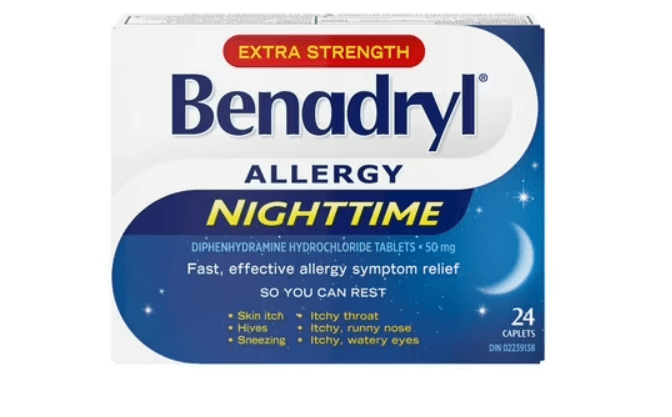
Benadryl Extra Strength Nighttime
Buy Benadryl Extra Strength Nighttime Online
Secure Encrypted Payments
Benadryl Extra Strength Nighttime is an antihistamine sleep aid used at bedtime when allergy symptoms and occasional sleeplessness overlap. You can buy Benadryl Extra Strength Nighttime online, view the current price, and choose the available strength that matches the directions on your package or your clinician’s guidance. It contains diphenhydramine, a sedating antihistamine that may help reduce sneezing, runny nose, itchy eyes, and nighttime wakefulness related to allergy discomfort.
This product is best suited to short-term, as-needed nighttime use. Because diphenhydramine can cause strong drowsiness and next-day grogginess, plan to take it only when you have enough time to sleep and avoid alcohol or other sedating products. BorderFreeHealth offers US delivery from Canada through licensed pharmacy channels, giving self-pay customers a practical way to review current cost before ordering.
Price, Strength, and Ordering Details
The Benadryl Extra Strength Nighttime price can vary by quantity, supplier, and package presentation. During ordering, review the current cash price, choose the strength or form shown for this medicine, and make sure it matches the label directions you intend to follow. Commonly marketed nighttime diphenhydramine products include 50 mg caplets, tablets, or gelcaps, but packaging can differ by market and manufacturer.
For safe selection, focus on the active ingredient, strength, and bedtime directions on the package. Do not choose multiple diphenhydramine products for the same night, even if one is labeled for allergy symptoms and another is labeled for sleep. Duplicate use can increase drowsiness, dry mouth, dizziness, urinary problems, confusion, and other anticholinergic effects.
Quick tip: Keep the package label visible until you know exactly which active ingredient and strength you are taking.
What It Treats and How It Works
Benadryl Extra Strength Nighttime contains diphenhydramine, a first-generation antihistamine. Histamine is one of the chemicals your body releases during allergic reactions. By blocking histamine receptors, diphenhydramine can temporarily reduce symptoms such as sneezing, runny nose, itchy or watery eyes, and itching of the nose or throat.
Diphenhydramine also crosses into the brain and commonly causes drowsiness. That sedating effect is why many nighttime products use diphenhydramine when allergy symptoms make sleep difficult. It may help you feel sleepy, but it is not a treatment for chronic insomnia. If sleep problems continue or occur most nights, speak with a healthcare professional about sleep hygiene, medical causes, and safer long-term options.
People using nighttime allergy medicines often also need daytime symptom control. If you want to understand allergy triggers, seasonal patterns, and treatment categories, our allergies condition resource can help you organize questions for your clinician.
Who May Consider This Nighttime Antihistamine
This medicine may suit adults and adolescents 12 years and older who need occasional bedtime relief from allergy symptoms that disturb rest. It can be useful when sneezing, runny nose, or itchy eyes are worse in the evening. It may also be considered when occasional sleeplessness occurs at the same time as nighttime allergy discomfort.
Some people should avoid diphenhydramine or ask a clinician before use. This includes people with narrow-angle glaucoma, breathing problems such as emphysema or chronic bronchitis, difficulty urinating due to prostate enlargement, significant liver disease, or a known allergy to diphenhydramine. Older adults may be more sensitive to confusion, dizziness, constipation, urinary retention, and falls.
Pregnant or breastfeeding people should seek individualized advice before taking sedating antihistamines. Do not give this product to children under 12 for sleep unless a healthcare professional specifically directs it. If nasal congestion is your main issue, a non-sedating or local nasal approach may be more appropriate than a sedating bedtime medicine.
How to Use It Safely at Bedtime
Follow the directions on the package you receive. Typical nighttime use involves taking the labeled bedtime dose only when you can allow a full night of sleep. Swallow tablets, caplets, or gelcaps with water unless your specific package says otherwise. Avoid driving, operating machinery, or doing tasks that require alertness after taking it.
Do not take more than directed on the label. Taking extra doses does not reliably improve sleep and can raise the risk of serious side effects. If morning is near, skip the dose rather than taking it late in the night. For occasional use, take it only when needed rather than on a fixed daily schedule unless a clinician has advised you differently.
Do not combine this medicine with other products containing diphenhydramine. Many cough, cold, allergy, itching, and sleep products contain the same ingredient. Reading the active ingredient panel helps prevent accidental duplication.
What to Expect After Taking It
Many people feel drowsy the same evening they take diphenhydramine. The sedating effect can continue into the next morning, especially after a late dose, higher sensitivity, alcohol use, or combination with other sedating medicines. If you wake up groggy, avoid driving or hazardous tasks until you feel fully alert.
The effect can become less predictable with frequent use. Some people develop tolerance to the sleepiness, while side effects such as dry mouth or constipation may continue. If you need a sleep aid repeatedly, a clinician can help look for triggers such as untreated allergies, reflux, pain, stress, medication timing, caffeine, alcohol, or sleep apnea.
For broader sleep topics, including habits and medical conditions that can disrupt rest, see our insomnia condition resource. That information can help you decide whether a short-term nighttime antihistamine is addressing the main cause of your sleep difficulty.
Extra Strength Compared With Regular Benadryl
The main difference is usually the amount of diphenhydramine per unit. Extra Strength Benadryl Nighttime products are commonly associated with 50 mg diphenhydramine HCl, while regular adult allergy products may use a lower strength per tablet or capsule. Always rely on the package you receive rather than the front label alone.
Extra strength does not mean it is safer or better for every person. A higher per-unit strength can be more sedating and may increase anticholinergic side effects. If you are sensitive to antihistamines, take other sedating medicines, or are an older adult, ask a healthcare professional whether diphenhydramine is appropriate.
Some customers prefer browsing the wider allergy category when deciding between sedating and non-sedating approaches. Our allergy products category can help you see how nighttime antihistamines fit among other allergy-control choices.
Side Effects, Warnings, and Interactions
Common side effects include drowsiness, next-day sleepiness, dry mouth, dry eyes, dizziness, blurred vision, constipation, and trouble urinating. Some people feel unsteady or mentally foggy. These effects matter most when you need to drive, work, care for others, or wake during the night.
- Seek urgent help for breathing difficulty, swelling of the face or throat, severe allergic reaction, fainting, or severe confusion.
- Stop use and ask a clinician if sleeplessness lasts more than two weeks or allergy symptoms worsen.
- Use extra caution if you are 65 or older, because falls and confusion are more likely.
- Avoid alcohol, opioids, benzodiazepines, muscle relaxants, and other sleep medicines unless a clinician has reviewed the combination.
- Do not combine with monoamine oxidase inhibitors or other medicines with strong anticholinergic effects unless specifically advised.
Tell a clinician or pharmacist about all prescription medicines, non-prescription products, supplements, and recreational substances you use. This is especially important if you take anxiety medicines, pain medicines, bladder medicines, Parkinson’s medicines, antidepressants, or other antihistamines. If another medicine is being considered for sleep, our article on mirtazapine for sleep safety may help frame questions about sedating alternatives.
Storage, Travel, and Household Safety
Store Benadryl Extra Strength Nighttime at room temperature in a dry place. Keep it away from excessive heat, humidity, bathrooms, and direct moisture. Leave tablets, caplets, or gelcaps in the original container so the active ingredient, strength, lot details, and directions remain easy to read.
Keep this medicine out of reach of children and pets. Diphenhydramine can be dangerous if taken accidentally or in excessive amounts. Use child-resistant closures correctly after each dose, and avoid leaving travel pill cases where children may find them.
When traveling, carry the labeled container in your hand luggage. A simple medication list can help you avoid duplicate allergy or sleep products while away from home. Orders may be handled with prompt, express shipping, but travel planning should still allow enough time for responsible use and storage.
Cash-Pay Considerations and Canadian Supply Context
Many customers review Benadryl Extra Strength Nighttime Canadian pricing because allergy and sleep products may be paid out of pocket. Viewing the current cost before checkout helps you decide whether a single pack or a larger quantity is appropriate for your household. Choose only an amount you can store safely and use before the expiration date.
Products supplied through licensed pharmacies should be used exactly as labeled. If you are ordering from the United States, Ships from Canada to US describes the service context, not a reason to change how you take the medicine. Keep your clinician involved when nighttime symptoms recur, when other medicines are involved, or when side effects interfere with daily function.
Related Choices for Allergy or Sleep Symptoms
If diphenhydramine is not a good fit, the better alternative depends on your main symptom. Daytime sneezing or itchy eyes may call for a less sedating antihistamine. Persistent nasal inflammation may need a nasal steroid or another allergy-control plan. Nighttime wakefulness without allergy symptoms may need sleep-habit changes or evaluation for an underlying medical cause.
Country of origin can also matter to customers who want to understand supply labeling and packaging. Our Canada origin information provides browsing context for products associated with Canadian supply. For treatment decisions, rely on the active ingredient, strength, directions, and clinician guidance rather than country labeling alone.
Why it matters: Matching the medicine to your dominant symptom can reduce unnecessary sedation and duplicate ingredients.
Questions to Ask a Healthcare Professional
- Is diphenhydramine appropriate with my age, conditions, and medicine list?
- Could daytime allergy control reduce my need for a nighttime sleep aid?
- How often can I safely use a sedating antihistamine?
- Which side effects should make me stop and seek care?
- Could another condition be causing my ongoing sleep problems?
- Should I avoid this product before driving, shift work, or caregiving duties?
Authoritative Sources
Manufacturer product information
DailyMed diphenhydramine label information
This content is for informational purposes only and is not a substitute for professional medical advice.
Express Shipping - from $29.99
Prices:
- Dry-Packed Products $29.99
- Cold-Packed Products $39.99
Shipping Countries:
- United States (all contiguous states**)
- Worldwide (excludes some countries***)
Standard Shipping - $19.99
Shipping with this method takes 5-10 days
Prices:
- Dry-Packed Products $19.99
- Not available for Cold-Packed products
Shipping Countries:
- United States (all contiguous states**)
- Worldwide (excludes some countries***)
Does Benadryl Nighttime make you sleepy?
Yes. Diphenhydramine commonly causes drowsiness because it is a first-generation antihistamine. That sedating effect is why nighttime products are taken at bedtime, but it can also cause next-day grogginess.
How long can Benadryl Extra Strength make you sleepy?
Sleepiness can last into the next morning, especially if taken late, combined with alcohol or sedatives, or used by someone sensitive to antihistamines. Avoid driving or hazardous tasks until you feel fully alert.
How many Benadryl Extra Strength tablets or caplets can I take at one time?
Follow the directions on the exact package you receive. Do not take more than the labeled dose, and do not combine it with other products containing diphenhydramine.
What is the difference between Benadryl and Extra Strength Benadryl?
The difference is usually the diphenhydramine amount per tablet, caplet, or gelcap. Extra Strength nighttime products are commonly associated with 50 mg diphenhydramine HCl, but you should always confirm the active ingredient and strength on your package.
Can I use Benadryl Extra Strength Nighttime every night?
It is intended for occasional nighttime use. If you need help sleeping for more than a short period, or sleep problems last longer than two weeks, ask a healthcare professional about underlying causes and safer long-term strategies.
Who should avoid diphenhydramine nighttime products?
People with narrow-angle glaucoma, serious breathing problems, trouble urinating due to prostate enlargement, or a diphenhydramine allergy should avoid it unless a clinician says otherwise. Older adults, pregnant or breastfeeding people, and those taking sedatives should seek advice first.
Rewards Program
Earn points on birthdays, product orders, reviews, friend referrals, and more! Enjoy your medication at unparalleled discounts while reaping rewards for every step you take with us.
You can read more about rewards here.
POINT VALUE
How to earn points
- 1Create an account and start earning.
- 2Earn points every time you shop or perform certain actions.
- 3Redeem points for exclusive discounts.
You Might Also Like
Select options
This product has multiple variants. The options may be chosen on the product page
Select options
This product has multiple variants. The options may be chosen on the product page
Select options
This product has multiple variants. The options may be chosen on the product page
Select options
This product has multiple variants. The options may be chosen on the product page