
Shipping with this method takes 3-5 days
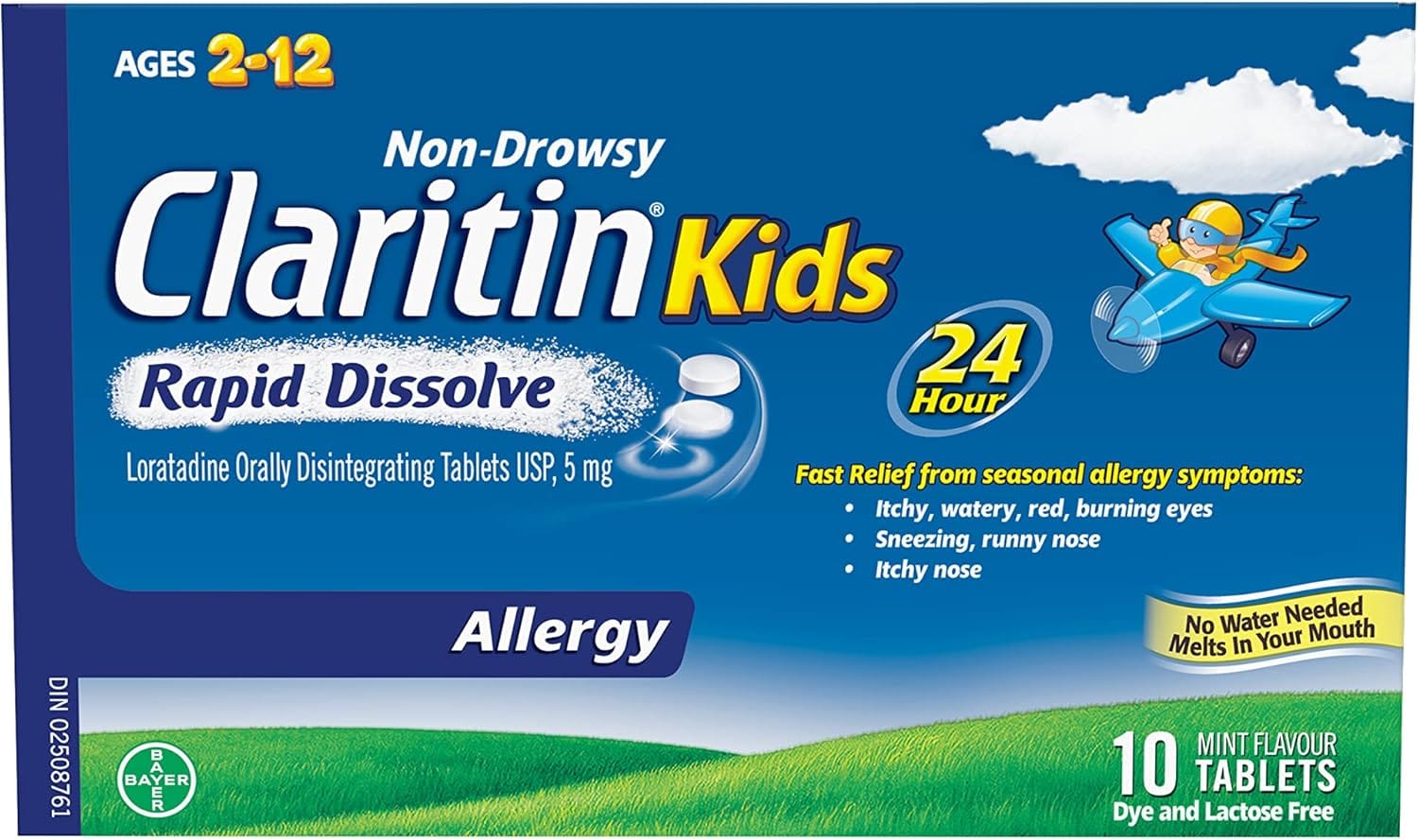
Claritin Kids Rapid Dissolve
Buy Claritin Kids Rapid Dissolve Online
Secure Encrypted Payments
Claritin Kids Rapid Dissolve is a loratadine dissolvable tablet for children with allergy symptoms such as sneezing, runny nose, itchy or watery eyes, and itching of the nose or throat. It can be bought online with US delivery from Canada, and you can choose the strength and quantity shown during ordering to match the label directions or your clinician’s guidance. The tablet is designed to melt on the tongue, which can help families avoid measuring liquid doses or asking a child to swallow a regular tablet.
Claritin Kids Rapid Dissolve Price and Ordering
Families often look for Claritin Kids Rapid Dissolve price information before pollen season, school trips, or recurring allergy flares. Current cost depends on the strength, quantity, and supply shown at checkout. If your child uses allergy medicine seasonally, consider how many doses you typically need during high-pollen months before choosing a quantity.
Claritin Kids Rapid Dissolve 5 mg is commonly sought because pediatric loratadine products often use age-based labeling. Always match the product strength and directions on the package to your child’s age, health history, and clinician guidance. Do not use price alone to choose between pediatric and adult allergy products, because the strength and directions may differ.
BorderFreeHealth supplies medicines through licensed pharmacies and provides Ships from Canada to US service for customers who pay out of pocket. If you are comparing seasonal allergy items, the allergies category can help you view related treatment formats in one place.
What This Medicine Treats
Claritin Kids Rapid Dissolve contains loratadine, a second-generation antihistamine. Antihistamines help reduce the effects of histamine, a chemical your body releases during allergic reactions. In children, this can help with seasonal or year-round allergic rhinitis symptoms, including sneezing, runny nose, itchy nose, and watery eyes.
The same antihistamine class may also be used for itching associated with hives. Hives can appear as raised, itchy welts that come and go. If swelling of the lips, tongue, face, or throat occurs, or if breathing becomes difficult, seek urgent medical care rather than relying on an oral antihistamine alone.
Allergy patterns vary by child. Tree, grass, weed pollen, dust mites, animal dander, and mold can all trigger symptoms. For broader symptom and trigger context, see allergic rhinitis. For rash-specific background, see hives.
How the Dissolvable Tablet Works
Loratadine blocks H1 histamine receptors. This action can reduce allergy symptoms while being less likely to cause sleepiness than older antihistamines when used as directed. Some children may still feel tired, so observe how your child responds, especially when starting therapy or returning to school activities.
Claritin Kids Rapid Dissolve ODT means orally disintegrating tablet. The tablet is placed on the tongue and allowed to dissolve. Water is usually optional, which can be useful during travel, school mornings, or situations where measuring a syrup is inconvenient.
Quick tip: Keep hands dry before opening the blister, because moisture can make a fast-melt tablet crumble.
Who It May Suit
This product may suit children who need once-daily allergy relief and prefer a tablet that melts in the mouth. It can be especially practical for children who dislike liquids, struggle with measuring cups, or are not ready to swallow standard tablets. The format does not remove the need to follow pediatric directions carefully.
Children with a known allergy to loratadine or desloratadine should not use loratadine products. If your child has liver or kidney problems, ask a healthcare professional before use. Families managing phenylketonuria should read the inactive ingredient panel, because some dissolvable tablets may contain phenylalanine.
Children under age 2 should not take this medicine unless a healthcare professional specifically directs it. If symptoms are new, severe, persistent, or associated with fever, wheezing, ear pain, or thick nasal discharge, a clinician can help determine whether allergies are the real cause.
Dosage and Use Basics
Follow the product label and any clinician instructions. Many loratadine products are taken once every 24 hours, but the correct amount depends on the child’s age, product strength, and label directions. Do not exceed the recommended daily amount.
To give a dissolvable tablet, peel back the blister backing rather than pushing the tablet through the foil. Place the tablet on the tongue and allow it to melt. The child can swallow after it dissolves. Water is not usually needed, although the label may give product-specific instructions.
Do not combine Claritin Kids Rapid Dissolve with another antihistamine unless a clinician recommends doing so. Combining allergy products can increase side effects without improving control. If symptoms remain disruptive after appropriate use, discuss a different plan rather than increasing the dose on your own.
Daily Use, Timing, and Missed Doses
Some children use loratadine during high-pollen seasons, while others take it only when symptoms appear. Daily use can be appropriate for some children when directed by the label or a clinician, particularly during predictable allergy periods. It is not habit-forming, but long or frequent use should still be guided by symptom patterns and age-appropriate directions.
If a once-daily dose is missed, give it when remembered unless it is almost time for the next dose. If the next dose is close, skip the missed dose and return to the usual schedule. Do not double the dose to make up for a missed tablet.
Many children notice relief the same day, although response can vary. If nasal congestion is the main problem, loratadine may not address every symptom. Environmental steps, such as reducing pollen exposure, washing bedding, and limiting outdoor allergens in bedrooms, can support medication use.
Claritin Kids vs Regular Claritin
The main difference between children’s Claritin products and regular Claritin products is how they are labeled for age, strength, and administration. Children’s products are designed with pediatric directions and child-friendly formats, such as liquids, chewables, or dissolvable tablets. Regular adult products may have different strengths or directions.
Claritin Kids Rapid Dissolve dissolvable tablets may be easier for a child who cannot swallow a conventional tablet. A syrup may work better for younger children who need liquid dosing, while chewables may suit children who prefer flavored tablets. The best choice depends on age, symptoms, preferences, and the exact label directions.
For a broader look at allergy conditions, including common triggers and related medicine classes, visit allergies. Families who prefer Canadian-sourced items can also browse products grouped by Canada origin.
Storage and Travel
Store the tablets at room temperature in a dry place, away from heat and direct moisture. Keep each tablet sealed until use. Fast-dissolving tablets are delicate, and opening them early can expose them to humidity or breakage.
Keep all medicines out of reach of children and pets. Even familiar allergy medicines can cause harm if a child takes too much. When traveling, carry the original package so dosing directions, ingredients, and lot information remain available.
For school or camp use, follow the site’s medication policy and provide the labeled container. A written note with your child’s usual dose timing can prevent confusion. Orders may be sent with prompt, express shipping, but travel planning should still leave enough time for household needs.
Side Effects, Warnings, and Interactions
Common side effects of loratadine can include headache, tiredness, dry mouth, stomach upset, nausea, or drowsiness in some children. Most effects are mild, but they still matter when a child is learning, playing sports, or traveling. Stop use and seek medical advice if side effects are concerning or persistent.
Serious allergic reactions are rare but require urgent care. Warning signs include severe rash, facial swelling, throat tightness, wheezing, or trouble breathing. Hives with breathing symptoms, dizziness, or swelling can signal a more serious reaction than ordinary seasonal allergies.
Loratadine can interact with certain medicines that affect how it is processed in the body. Examples may include ketoconazole, erythromycin, or cimetidine. Sedating medicines or other antihistamines can increase sleepiness. Tell a clinician or pharmacist about your child’s medicines, supplements, and medical conditions before adding allergy therapy.
Use extra caution in children with liver or kidney disease, because dosing or product choice may need medical input. If your child has phenylketonuria, review the package for phenylalanine. If your older adolescent is pregnant or nursing, a healthcare professional should advise on safe allergy treatment.
When to Ask for Medical Advice
Ask a clinician if allergy symptoms are severe, last longer than expected, interfere with sleep or school, or do not improve with appropriate use. Nasal symptoms with fever, facial pain, shortness of breath, or thick colored discharge may need evaluation for causes other than allergic rhinitis.
For hives, seek advice if welts recur often, last for weeks, follow a new medicine or food, or appear with swelling. A clinician can help decide whether an antihistamine is enough or whether further assessment is needed.
Useful questions include whether daily dosing is appropriate during pollen season, whether your child should avoid any other medicines, and which symptoms should prompt urgent care. Asking these questions before travel or school season can make treatment easier to manage.
Related Allergy Choices
Claritin Kids Rapid Dissolve is one format within pediatric allergy care. Some families prefer a liquid when a child is younger or needs a measured dose. Others prefer chewable or meltaway formats for convenience. The right format should fit the child’s age, ability to take medicine, and label directions.
For persistent nasal congestion, a clinician may discuss a nasal corticosteroid or other allergy strategy. For short-term situations, older antihistamines may be considered, but they are more likely to cause drowsiness and are not interchangeable with loratadine. Do not switch products without reading the label and confirming the child-appropriate directions.
Non-medicine steps can reduce the need for rescue dosing. Showering after outdoor play, using a high-efficiency vacuum, keeping windows closed on high-pollen days, and washing bedding regularly may reduce allergen exposure. These steps work best when matched to your child’s triggers.
Authoritative Sources
Manufacturer information for Claritin Kids Rapid Dissolve
FDA DailyMed loratadine label information
This content is for informational purposes only and is not a substitute for professional medical advice.
Express Shipping - from $29.99
Prices:
- Dry-Packed Products $29.99
- Cold-Packed Products $39.99
Shipping Countries:
- United States (all contiguous states**)
- Worldwide (excludes some countries***)
Standard Shipping - $19.99
Shipping with this method takes 5-10 days
Prices:
- Dry-Packed Products $19.99
- Not available for Cold-Packed products
Shipping Countries:
- United States (all contiguous states**)
- Worldwide (excludes some countries***)
What are Claritin Kids Rapid Dissolve tablets used for?
They are loratadine dissolvable tablets used to help relieve children’s allergy symptoms such as sneezing, runny nose, itchy or watery eyes, and itching of the nose or throat. Loratadine may also help with itching related to hives, but severe swelling or breathing symptoms need urgent care.
Does Claritin Kids Rapid Dissolve work without water?
Yes. The tablet is designed to dissolve on the tongue, and water is usually optional. Handle it with dry hands, peel back the blister backing, and let it melt before swallowing. Always follow the package directions for the exact product you receive.
Is children’s Claritin different from regular Claritin?
Children’s Claritin products are labeled for pediatric use and may come in child-friendly forms such as liquids, chewables, or dissolvable tablets. Regular Claritin products may have different strengths or directions, so do not substitute an adult product without checking the label and asking a clinician when needed.
Can kids take loratadine every day?
Many loratadine products are used once daily during allergy seasons when the label directions or a clinician supports that approach. Daily use should still match the child’s age, product strength, and health history. Ask a healthcare professional if symptoms continue or your child needs frequent treatment.
What side effects can Claritin Kids Rapid Dissolve cause?
Possible side effects include headache, tiredness, dry mouth, upset stomach, nausea, or drowsiness in some children. Serious reactions are rare, but facial swelling, severe rash, wheezing, or trouble breathing requires urgent medical attention.
What should I check before giving a dissolvable loratadine tablet?
Check the child’s age, the product strength, the daily dose limit, inactive ingredients, and any other medicines being used. Families managing phenylketonuria should look for phenylalanine on the label. Children with liver or kidney problems should use loratadine only with medical guidance.
Rewards Program
Earn points on birthdays, product orders, reviews, friend referrals, and more! Enjoy your medication at unparalleled discounts while reaping rewards for every step you take with us.
You can read more about rewards here.
POINT VALUE
How to earn points
- 1Create an account and start earning.
- 2Earn points every time you shop or perform certain actions.
- 3Redeem points for exclusive discounts.
You Might Also Like
Select options
This product has multiple variants. The options may be chosen on the product page
Select options
This product has multiple variants. The options may be chosen on the product page
Select options
This product has multiple variants. The options may be chosen on the product page
Select options
This product has multiple variants. The options may be chosen on the product page