
Shipping with this method takes 3-5 days
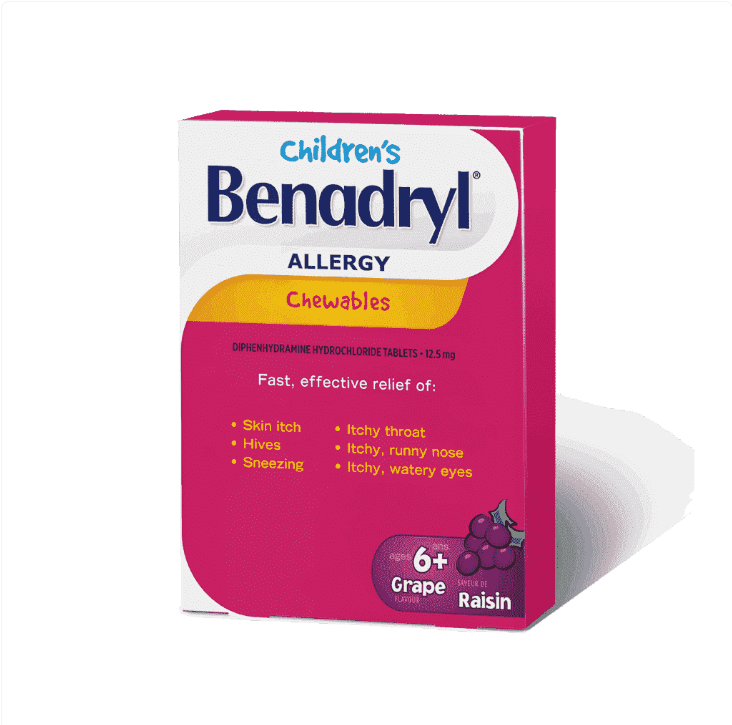
Benadryl Kids Chewables
Buy Benadryl Kids Chewables Online
Secure Encrypted Payments
Benadryl Kids Chewables are children’s diphenhydramine chewable tablets used for temporary relief of common allergy symptoms. You can order Benadryl Kids Chewables and choose the strength and quantity shown during checkout, then match use to the package label and your child’s clinician’s directions. BorderFreeHealth offers access to regulated medicines through licensed pharmacy channels, with US delivery from Canada for eligible orders.
Price, Strength, and Ordering Choices
Benadryl Kids Chewables price can vary by package, supplier, and current inventory. The strength commonly associated with Children’s Benadryl chewable tablets is diphenhydramine HCl 12.5 mg per chewable tablet, but you should always confirm the active ingredient and strength on the package you receive before giving a dose. If more than one quantity is shown, choose the amount that fits your child’s expected short-term allergy needs.
Families often budget for allergy medicines before pollen season, travel, pet visits, or recurring indoor exposures. Current pricing is shown at checkout, so the most practical comparison is the total cost for the package size, the number of tablets included, and how often the medicine is likely to be needed. Cash-pay customers can use the displayed cost to plan ahead without relying on insurance billing.
Quick tip: Keep one package label available for every caregiver, especially when school, grandparents, or travel plans are involved.
What the Chewable Tablets Treat
Diphenhydramine is an antihistamine. It helps block histamine, a body chemical that contributes to sneezing, runny nose, itchy nose or throat, itchy watery eyes, and itching from uncomplicated hives. These symptoms often happen with seasonal allergies, indoor triggers, or brief exposures such as pets, dust, and pollen.
The chewable form can be useful when a child dislikes liquid medicine or has trouble swallowing regular tablets. Chewables also avoid measuring cups or syringes, which can make caregiver dosing simpler. The medicine is still a sedating antihistamine, so it should be used carefully and only according to the Drug Facts label.
These tablets are not a cure for allergies, asthma, infection, or a serious allergic reaction. Get urgent medical help for trouble breathing, swelling of the face or throat, wheezing, widespread severe hives, faintness, or other symptoms that suggest anaphylaxis. For repeated hives or ongoing skin symptoms, it can help to track triggers and discuss prevention with a clinician; our hives section covers related symptom context.
Active Ingredient and How It Works
The active ingredient in Benadryl Kids Chewables is diphenhydramine HCl, a first-generation H1 antihistamine. H1 antihistamines reduce histamine’s effects at receptors in the nose, eyes, and skin. That action can lessen several allergy symptoms at the same time, including nasal drip, sneezing, and itch.
Because diphenhydramine can enter the brain, drowsiness may occur. Some children have the opposite response and become restless, excitable, or irritable. This difference is one reason children should be observed after dosing, especially the first time they use the product or when caregivers are unsure how they respond.
Diphenhydramine may also dry secretions. That drying effect may help a runny nose, but it can also cause dry mouth, thicker mucus, or discomfort in some children. If symptoms are mainly from a cold rather than an allergy, consider whether an antihistamine is appropriate; you can also review general cold symptoms information for practical distinctions.
Age, Dose, and Safe Use Basics
Follow the Drug Facts label exactly. For many children 6 to 11 years old, labeled directions for 12.5 mg chewable diphenhydramine products commonly allow 1 to 2 chewable tablets every 4 to 6 hours as needed, with a maximum daily limit stated on the package. Children under 6 should use diphenhydramine only with direction from a healthcare professional, and children under 2 should not receive it for allergy symptoms unless a clinician specifically instructs you.
Chew each tablet thoroughly before swallowing. Give the medicine only with the dosing schedule printed on your specific package, and do not double doses to make up for a missed one. If your child uses the medicine only as needed, wait until symptoms return and enough time has passed according to the label before another dose.
Do not use diphenhydramine to make a child sleepy. Sedation is a side effect, not a treatment goal. Marked drowsiness, confusion, unusual agitation, trouble urinating, breathing difficulty, or symptoms that worsen after dosing should prompt medical advice right away.
Do They Still Make Chewable Benadryl for Kids?
Availability of children’s chewable diphenhydramine products can vary by market, package size, flavor, and supplier. Benadryl Kids Chewables are offered for purchase through BorderFreeHealth when stocked, and current ordering choices show what is available at that time. If a specific flavor or package is not shown, another diphenhydramine chewable or a different allergy product may be more practical.
Some searches ask whether Children’s Chewable Benadryl was discontinued. In practice, product lines can change, and retailers may carry different packages at different times. That does not change the safety rule: use the active ingredient, strength, age range, and dose directions on the label in hand, not an older package, an online image, or a memory of a past product.
If a child needs daytime allergy control for school, sports, or activities, a less-sedating antihistamine may be worth discussing. Diphenhydramine is often used for short-term symptom relief, while newer antihistamines are commonly chosen when alertness matters.
Side Effects, Warnings, and Interactions
Common side effects can include sleepiness, dizziness, dry mouth, dry nose, upset stomach, thickened mucus, or unsteadiness. Some children may become unusually excitable rather than sleepy. Because coordination and attention may be affected, plan calmer activities after a dose and avoid tasks that require alertness until you know how the child responds.
- Do not combine with another product containing diphenhydramine, including some cough, cold, sleep, or topical anti-itch products.
- Ask a clinician before use if the child has asthma, chronic cough, breathing problems, glaucoma risk, urinary retention, or a condition that makes sedation risky.
- Use caution with other sedating medicines, including sleep aids, tranquilizers, opioids, benzodiazepines, or medicines that cause drowsiness.
- Monoamine oxidase inhibitors may intensify diphenhydramine side effects and should not be combined without medical direction.
- Stop use and seek help for severe drowsiness, confusion, breathing trouble, swelling, rash, or any concerning reaction.
Young children are more vulnerable to dosing errors and unexpected reactions. Use only one caregiver-led dosing plan, write down the time each dose was given, and keep all allergy and cold products together so duplicate ingredients are easier to spot. For ongoing itching, hives, or allergy flares, a clinician can help decide whether diphenhydramine remains the right short-term medicine.
Storage, Travel, and Handling
Store the bottle at room temperature, away from moisture, direct light, and heat. Keep the cap tightly closed and use child-resistant packaging correctly. A bathroom cabinet is not ideal because steam can affect medicines over time.
For travel, keep tablets in their original packaging with the Drug Facts panel visible. Pack enough for the trip and keep the medicine with a responsible adult, not in a child’s backpack or pocket. If travel crosses time zones, continue using the label’s hour-based spacing rather than trying to match clock times.
BorderFreeHealth may use prompt, express shipping for customer orders. Keep your delivery address accurate and plan ahead for seasonal allergy periods so you are not making dosing decisions under pressure. Dispose of expired tablets according to local guidance, and never use a product that looks damaged, wet, or different from its usual appearance.
How It Compares With Other Children’s Allergy Options
Diphenhydramine works quickly for many allergy symptoms, but drowsiness limits its usefulness during school days or busy activities. Second-generation antihistamines, such as loratadine or cetirizine products, are often preferred for daytime allergy control because they tend to cause less sedation. The best choice depends on the symptom pattern, the child’s age, other medicines, and how important alertness is.
Chewables may suit children who dislike liquids, while liquids can help when a clinician wants more flexible dosing by age or weight. Dissolving tablets may be easier for some children, and nasal saline or trigger avoidance may reduce the need for medication in milder cases. Browse the broader allergy category if you are considering different forms or non-drowsy options.
Generic diphenhydramine kids chewables may contain the same active ingredient and strength when the label states diphenhydramine HCl 12.5 mg per chewable tablet. Inactive ingredients, flavor, dyes, texture, and age directions may differ, so do not assume every chewable product is interchangeable for your child. Use the package label and clinician guidance to decide whether a brand or generic product is appropriate.
When to Ask a Clinician Before Buying or Giving a Dose
Ask a healthcare professional before giving diphenhydramine if the child is under 6, has chronic breathing problems, takes other sedating medicines, has a complex medical history, or has had unusual reactions to antihistamines. Also ask if symptoms last longer than expected, return frequently, or interfere with sleep, school, or play despite correct use.
It is especially important to seek individualized advice for toddlers. A 2-year-old should not be given Benadryl for allergy symptoms unless a clinician directly recommends it. Dosing by age and weight can be confusing in very young children, and side effects may be more serious.
Useful questions include: Is this medicine appropriate for my child’s age and weight? Should we use a less-sedating antihistamine during the day? Which symptoms mean we should stop the medicine? Can this be used with saline spray, eczema care, or another allergy plan? Clear answers help caregivers use children’s allergy chewable tablets more safely.
Related Symptom and Product Resources
Allergy symptoms can overlap with colds, skin irritation, and hives. If the main concern is sneezing, runny nose, and itchy watery eyes, start with the allergy trigger and timing. If fever, body aches, or thick worsening congestion are present, the cause may be different and may need a separate plan.
For families comparing seasonal and indoor triggers, our allergies information can help organize symptom patterns. Skin-focused symptoms may fit better with itching or hives education. Customers who prefer Canadian-sourced products can also review items associated with Canada.
Authoritative Sources
FDA DailyMed: Children’s Benadryl Chewables Drug Facts
This content is for informational purposes only and is not a substitute for professional medical advice.
Express Shipping - from $29.99
Prices:
- Dry-Packed Products $29.99
- Cold-Packed Products $39.99
Shipping Countries:
- United States (all contiguous states**)
- Worldwide (excludes some countries***)
Standard Shipping - $19.99
Shipping with this method takes 5-10 days
Prices:
- Dry-Packed Products $19.99
- Not available for Cold-Packed products
Shipping Countries:
- United States (all contiguous states**)
- Worldwide (excludes some countries***)
What are Benadryl Kids Chewables used for?
They are chewable diphenhydramine antihistamine tablets used for temporary relief of allergy symptoms such as sneezing, runny nose, itchy watery eyes, itchy nose or throat, and itching from uncomplicated hives. They are not a treatment for a severe allergic reaction or breathing emergency.
Can a 2-year-old take Benadryl Kids Chewables?
A 2-year-old should not be given diphenhydramine for allergy symptoms unless a healthcare professional directly recommends it. Young children have a higher risk of dosing errors and unexpected side effects, including marked drowsiness or agitation.
Why is Benadryl sometimes not recommended for children?
Diphenhydramine can cause drowsiness, dizziness, dry mouth, thickened mucus, or paradoxical excitability in some children. It can also interact with other sedating medicines and may be risky in children with certain breathing problems or other medical conditions.
How often can Children’s Benadryl chewable tablets be given?
Follow the Drug Facts label on the package. Many 12.5 mg children’s diphenhydramine chewable products use 4- to 6-hour spacing for children in the labeled age range, with a maximum daily limit. Do not double doses or combine with other diphenhydramine products.
Are generic diphenhydramine kids chewables the same as Benadryl Kids Chewables?
A generic chewable may contain the same active ingredient and strength if its label states diphenhydramine HCl 12.5 mg per chewable tablet. Flavor, inactive ingredients, dyes, texture, packaging, and age directions can differ, so compare labels carefully.
Do Benadryl Kids Chewables cause sleepiness?
Yes, drowsiness can occur because diphenhydramine is a first-generation antihistamine. Some children may become excitable instead. Do not use the medicine only to make a child sleep, and observe your child after dosing.
Rewards Program
Earn points on birthdays, product orders, reviews, friend referrals, and more! Enjoy your medication at unparalleled discounts while reaping rewards for every step you take with us.
You can read more about rewards here.
POINT VALUE
How to earn points
- 1Create an account and start earning.
- 2Earn points every time you shop or perform certain actions.
- 3Redeem points for exclusive discounts.
You Might Also Like
Select options
This product has multiple variants. The options may be chosen on the product page
Select options
This product has multiple variants. The options may be chosen on the product page
Select options
This product has multiple variants. The options may be chosen on the product page
Select options
This product has multiple variants. The options may be chosen on the product page