

Shipping with this method takes 3-5 days
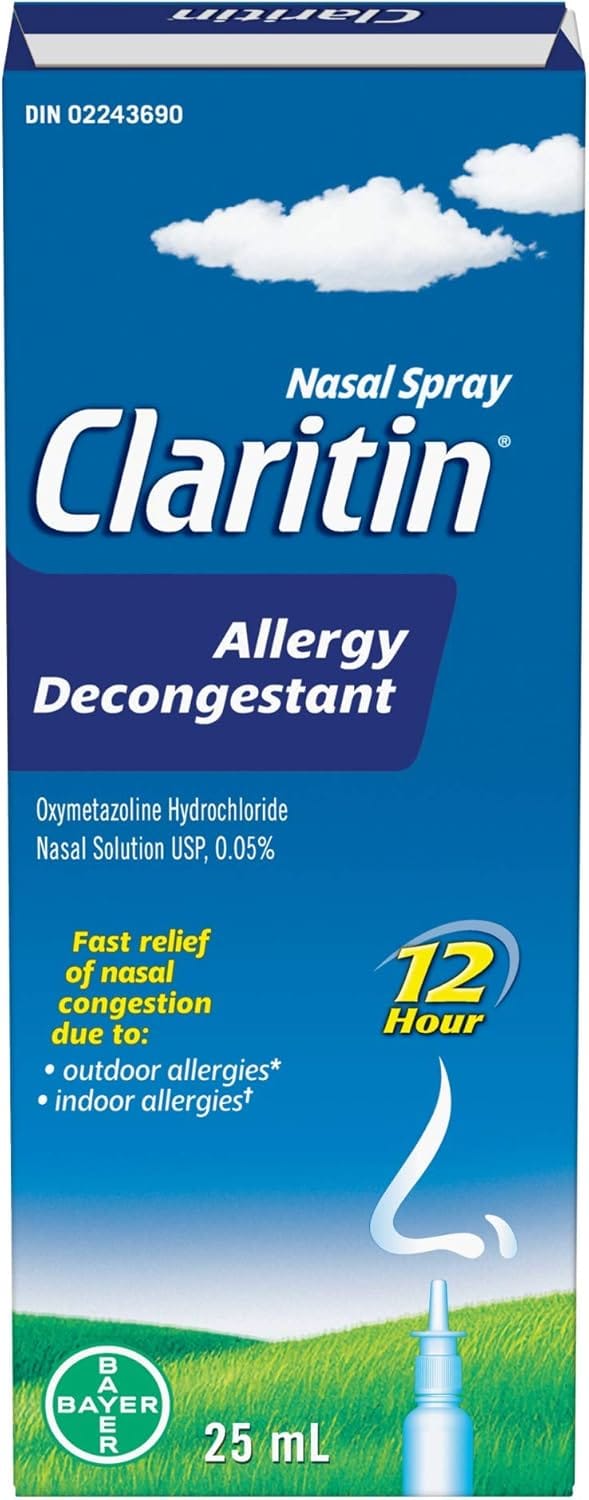
Claritin Allergy Decongestant
Buy Claritin Allergy Decongestant Online
Secure Encrypted Payments
Claritin Allergy Decongestant combines loratadine with pseudoephedrine in extended-release tablets for allergy symptoms that include nasal stuffiness. You can buy Claritin Allergy Decongestant online and choose the 12-hour or 24-hour tablet shown during ordering to match the directions on your package or clinician guidance. BorderFreeHealth offers US delivery from Canada for customers who want Canadian pharmacy pricing on this allergy and congestion medicine.
Price, Tablet Duration, and Ordering Basics
Current Claritin-D price information is shown during checkout before you place an order. Cost can vary by tablet duration, quantity, and supply source, so review the displayed total carefully if you pay out of pocket or do not use insurance. The 24-hour tablet is commonly listed as loratadine pseudoephedrine ER 10/240 mg, while the 12-hour tablet is commonly listed as Claritin-D 12 Hour 5 mg/120 mg tablets.
Choose the duration that fits the timing instructions you plan to follow. The 24-hour version is usually taken once daily, while the 12-hour version is typically taken every 12 hours. Swallow extended-release tablets whole with water; crushing, chewing, or splitting them can change how the medicine releases.
If you are comparing seasonal allergy treatments, the allergies category can help you view related medicines carried by the store. For this product, focus on whether you need both an antihistamine and a decongestant rather than an antihistamine alone.
What Claritin-D Treats
Claritin Allergy Decongestant is used for allergy symptoms that come with nasal congestion. Loratadine helps reduce sneezing, runny nose, itching, and watery eyes caused by histamine. Pseudoephedrine helps shrink swollen nasal passages, which can ease stuffiness and pressure around the nose and sinuses.
This combination is most useful when allergies are causing both classic hay fever symptoms and blocked nasal airflow. It is not meant to diagnose facial pain, fever, thick discharge, or congestion from every possible cause. If symptoms suggest an infection, severe sinus disease, or another condition, a healthcare professional should assess the pattern.
For condition background, see allergic rhinitis and nasal congestion. Those resources can help you separate pollen, dust, pet dander, and indoor triggers from other reasons your nose may feel blocked.
How Loratadine Plus Pseudoephedrine Works
Claritin with pseudoephedrine brings together two different actions in one tablet. Loratadine is a second-generation antihistamine, which means it blocks histamine receptors and is less likely to cause drowsiness than many older antihistamines. Pseudoephedrine is a nasal decongestant that narrows blood vessels in swollen nasal tissue.
The antihistamine part may help with sneezing, itching, and watery eyes. The decongestant part targets stuffiness and sinus pressure related to swollen nasal passages. This is why Claritin-D decongestant tablets are different from plain Claritin, which contains loratadine without pseudoephedrine.
Some people feel relief from certain symptoms the same day they start treatment. Congestion can improve as nasal swelling decreases, but response varies. If symptoms persist or worsen despite appropriate use, consider whether another allergy medicine, nasal spray, or medical evaluation is needed.
12-Hour and 24-Hour Tablet Differences
The main practical difference is duration. Claritin-D 24 Hour 10 mg/240 mg tablets are designed for once-daily use. Claritin-D 12 Hour 5 mg/120 mg tablets are designed for twice-daily use, about 12 hours apart. Both contain loratadine plus pseudoephedrine, but the amount and release schedule differ.
| Tablet | Common strength | Typical schedule | Practical fit |
|---|---|---|---|
| Claritin-D 12 Hour | 5 mg loratadine/120 mg pseudoephedrine | Every 12 hours | May suit people who want separate morning and evening timing |
| Claritin-D 24 Hour | 10 mg loratadine/240 mg pseudoephedrine | Once daily | May suit people who prefer all-day coverage from one tablet |
Because pseudoephedrine can feel stimulating, timing matters. If it makes you feel wired, restless, or unable to sleep, avoid taking a dose close to bedtime unless a healthcare professional tells you otherwise. Do not take more than the labeled daily maximum.
Who Should Use Extra Caution
This medicine is generally intended for adults and children 12 years and older when the label directions fit the person’s situation. Younger children should not use it unless a clinician specifically recommends it. Older adults and people with heart, blood pressure, prostate, eye, thyroid, kidney, or liver concerns should be especially cautious with pseudoephedrine-containing products.
Do not use this product if you have severe or uncontrolled high blood pressure, serious heart disease, narrow-angle glaucoma, urinary retention, or if you are taking a monoamine oxidase inhibitor, often called an MAOI, or used one recently. People with diabetes, thyroid disease, prostate enlargement, or a history of palpitations should ask whether a decongestant is appropriate.
Pregnant or breastfeeding individuals should ask a healthcare professional before using loratadine plus pseudoephedrine. There may be safer choices depending on trimester, blood pressure, milk supply, symptom severity, and other medicines.
Side Effects, Warnings, and Interactions
Common side effects include dry mouth, dry nose or throat, headache, nausea, and upset stomach. The decongestant can also cause nervousness, restlessness, tremor, fast heartbeat, increased blood pressure, or insomnia. These effects are more likely if you are sensitive to stimulants or take other products with similar ingredients.
- Seek urgent care for chest pain, fainting, severe shortness of breath, severe allergic reaction, confusion, or sustained palpitations.
- Stop and ask for medical help if blood pressure rises significantly or you feel unusually agitated.
- Avoid combining with other decongestants unless a healthcare professional confirms it is safe.
- Limit extra stimulant exposure, including high caffeine intake, if jitters or sleep problems occur.
- Avoid alcohol if it worsens drowsiness, dizziness, or judgment.
Important interactions include MAOIs, certain antidepressants, stimulants, some blood pressure medicines, and digitalis-type heart medicines. Cold and flu products often contain pseudoephedrine, phenylephrine, or other decongestants, so read labels before combining products. If you take several medicines, ask a pharmacist or clinician to screen for overlap.
How to Take and Time Each Dose
Follow the directions printed on your package. Take the tablet with water and keep it intact. Food is not required, but taking it with a small snack may help if your stomach feels unsettled.
For seasonal allergies, some people begin treatment as pollen counts rise or before planned outdoor exposure. For indoor allergies, steady use during trigger periods may help maintain more even symptom control. Still, long-term daily use of a decongestant should be discussed with a healthcare professional, especially if you have cardiovascular risk factors.
If you miss a dose, take it when remembered unless it is close to the next scheduled dose. Skip the missed dose in that situation and return to the usual schedule. Do not double doses to make up for a missed tablet.
Storage, Travel, and Handling
Store tablets at room temperature, away from excess heat and moisture. Keep them in the original package until use, and store all medicines out of reach of children and pets. Bathroom cabinets can be humid, so a dry location is often better.
When traveling, keep the medicine in carry-on luggage with its label or packaging. If you cross time zones, maintain the same interval between doses based on whether you use the 12-hour or 24-hour tablet. BorderFreeHealth provides prompt, express shipping, but you should plan refills before peak allergy season if symptoms reliably return each year.
For customers who prefer products sourced through Canadian channels, the Canada country-of-origin section may be useful when browsing store items. Country of origin does not replace label directions or safety screening.
Claritin-D vs Claritin, Sudafed, and Nasal Sprays
Plain Claritin contains loratadine only. It may help sneezing, itching, and watery eyes, but it does not include a decongestant. Claritin-D adds pseudoephedrine for nasal stuffiness, which can be helpful when congestion is a major symptom but may be unsuitable for people with certain heart or blood pressure conditions.
Sudafed products commonly focus on pseudoephedrine without loratadine. That may make sense when congestion is the main issue and allergy symptoms are minimal. Claritin-D can be more convenient when both allergy symptoms and congestion occur together.
Nasal steroid sprays are another common option for allergic rhinitis. They act locally in the nose and may be preferred when congestion is persistent or when oral decongestants are risky. The broader allergies section can help frame common treatment categories, but a clinician can help choose based on your medical history.
When Symptoms Need Reassessment
Allergy congestion should not be ignored if it changes character or becomes severe. Contact a healthcare professional if you develop fever, worsening facial pain, one-sided swelling, wheezing, thick colored discharge that persists, or symptoms lasting longer than expected. These signs may point to an infection, asthma involvement, or another condition.
Also reassess use if you notice repeated insomnia, anxiety, racing heartbeat, or rising blood pressure. A plain antihistamine, saline rinse, nasal steroid, or trigger-control plan may be safer for some people. Indoor filtration, washing bedding, limiting pet dander exposure, and checking pollen counts can reduce the amount of medicine needed during heavy trigger periods.
Quick tip: Keep a short symptom log for one week, including congestion, sleep, blood pressure if monitored, and dose timing.
Authoritative Safety References
Medication labels and pharmacist-reviewed drug references describe how loratadine and pseudoephedrine products are used, who should avoid them, and which interactions matter. FDA DailyMed provides labeling information for many U.S. loratadine and pseudoephedrine products at DailyMed drug labeling. Use official labels and professional guidance for individualized safety decisions.
This content is for informational purposes only and is not a substitute for professional medical advice.
Blood Pressure Average Calculator
Average home blood pressure readings and show a simple screening range.
Average BP
-
entered readings only
Range
-
screening category
These calculations are for education only and do not replace clinical advice, diagnosis, or treatment. Always confirm medical decisions with a qualified healthcare professional.
Pulse Pressure Calculator
Calculate pulse pressure from systolic and diastolic blood pressure.
Pulse pressure
-
SBP - DBP
These calculations are for education only and do not replace clinical advice, diagnosis, or treatment. Always confirm medical decisions with a qualified healthcare professional.
Target Heart Rate Calculator
Estimate exercise heart-rate zones using age, resting heart rate, and the Karvonen method.
Max HR estimate
-
220 - age
Target zone
-
Karvonen method
These calculations are for education only and do not replace clinical advice, diagnosis, or treatment. Always confirm medical decisions with a qualified healthcare professional.
Express Shipping - from $29.99
Prices:
- Dry-Packed Products $29.99
- Cold-Packed Products $39.99
Shipping Countries:
- United States (all contiguous states**)
- Worldwide (excludes some countries***)
Standard Shipping - $19.99
Shipping with this method takes 5-10 days
Prices:
- Dry-Packed Products $19.99
- Not available for Cold-Packed products
Shipping Countries:
- United States (all contiguous states**)
- Worldwide (excludes some countries***)
Is Claritin Allergy Decongestant the same as Claritin-D?
Claritin Allergy Decongestant tablets contain loratadine plus pseudoephedrine, the same active-ingredient pairing associated with Claritin-D products. Plain Claritin contains loratadine without pseudoephedrine, so it does not provide the same oral decongestant action.
Will Claritin-D help nasal congestion?
Claritin-D may help nasal congestion when stuffiness is related to allergies. Pseudoephedrine helps reduce swelling in nasal passages, while loratadine helps allergy symptoms such as sneezing, itching, and watery eyes.
Which is better, Sudafed or Claritin-D?
It depends on your symptoms and health history. Sudafed products mainly target congestion with pseudoephedrine, while Claritin-D combines pseudoephedrine with loratadine for allergy symptoms plus congestion. People with certain heart, blood pressure, eye, or urinary conditions should ask before using decongestants.
Can Claritin-D keep you awake?
Yes, pseudoephedrine can cause alertness, restlessness, nervousness, or insomnia in some people. If this happens, avoid late-day dosing and ask a healthcare professional whether a different schedule or non-decongestant option is safer.
What strengths are available for Claritin-D tablets?
Common tablet options include Claritin-D 12 Hour 5 mg/120 mg tablets and Claritin-D 24 Hour 10 mg/240 mg tablets. The 12-hour tablet is typically taken every 12 hours, while the 24-hour tablet is typically taken once daily.
Rewards Program
Earn points on birthdays, product orders, reviews, friend referrals, and more! Enjoy your medication at unparalleled discounts while reaping rewards for every step you take with us.
You can read more about rewards here.
POINT VALUE
How to earn points
- 1Create an account and start earning.
- 2Earn points every time you shop or perform certain actions.
- 3Redeem points for exclusive discounts.
You Might Also Like
Select options
This product has multiple variants. The options may be chosen on the product page
Select options
This product has multiple variants. The options may be chosen on the product page
Select options
This product has multiple variants. The options may be chosen on the product page
Select options
This product has multiple variants. The options may be chosen on the product page