
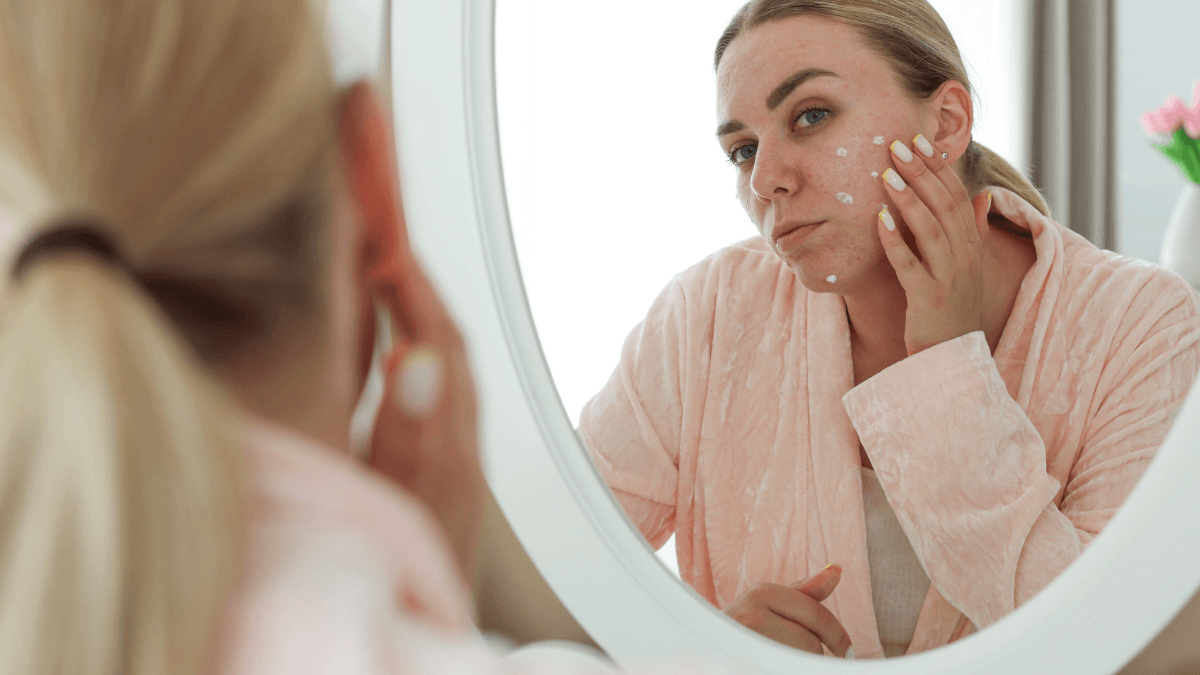
What helps with acne scars depends first on whether you have flat discoloration or a true texture change. Dark or red marks often fade with time, daily sunscreen, acne control, and steady topical care. Pitted or raised scars usually need procedures, such as microneedling, laser resurfacing, chemical peels, subcision, fillers, or steroid injections. Fast fading is limited because pigment and collagen change slowly. Treating active acne first often prevents new marks while older scars are being assessed.
Why it matters: Acne marks and acne scars can look similar, but they respond to different treatments.
Key Takeaways
- Flat marks are not always scars.
- Texture changes often need procedures.
- Active acne control comes first.
- Results usually build over months.
- Sunscreen and aftercare affect healing.
What Helps With Acne Scars Depends on the Mark
The first step is separating post-acne discoloration from true scarring. Post-inflammatory hyperpigmentation means flat brown, gray, or dark marks after inflammation. Post-inflammatory erythema means flat pink, red, or purple marks. These marks can be frustrating, but the skin surface usually remains level.
True acne scars change the skin’s texture. Atrophic scars are depressed or sunken. Ice pick scars are narrow and deep. Boxcar scars are wider depressions with sharper borders. Rolling scars create wave-like dips because tissue beneath the skin pulls downward. Hypertrophic scars are raised, firm areas of excess scar tissue.
| Type | What It Looks Like | What May Help |
|---|---|---|
| Dark or brown marks | Flat discoloration after acne | Sunscreen, acne control, retinoids, pigment-focused skin care, time |
| Red or purple marks | Flat redness after inflammation | Sun protection, gentle care, time, sometimes clinician-selected vascular treatments |
| Ice pick scars | Narrow, deeper pits | Procedure-based care, sometimes targeted techniques rather than creams alone |
| Boxcar scars | Wider dents with defined edges | Microneedling, resurfacing, peels, fillers in selected cases |
| Rolling scars | Broad, wave-like indentations | Subcision, microneedling, fillers, combination procedures |
| Hypertrophic scars | Raised, thick, firm scars | Steroid injections and other clinician-directed flattening treatments |
This acne scars vs dark spots distinction explains why one person improves with sunscreen and topical care, while another needs a dermatologist’s procedure plan. If the main issue is pigment, daily care and patience may help. If the main issue is a pit, tether, or raised scar, creams rarely erase the structural change.
Skin tone also matters. Some resurfacing treatments can increase the chance of temporary or lasting pigment change, especially when skin is easily irritated. That does not rule out treatment. It means the method, intensity, and aftercare should be chosen carefully.
At-Home Care That Can Help, and Its Limits
At-home care helps most when the goal is fading discoloration, preventing new acne, and supporting the skin barrier. When people ask what helps with acne scars at home, the safest answer is usually steady care rather than harsher exfoliation. Irritation can make post-acne marks look darker or redder, especially in sensitive skin.
Retinoids and Acne Control
Topical retinoids, including adapalene, can support acne control and increase skin-cell turnover. Over time, they may help some mild uneven tone and surface roughness. They are not a stand-alone fix for deep ice pick scars, tethered rolling scars, or raised scars. Dryness, peeling, and irritation are common early problems, so many people need a slower, gentler routine.
Acne control is part of scar treatment because new inflamed spots can create new marks. Avoid squeezing, picking, or repeatedly checking bumps in the mirror. These habits can prolong inflammation and increase the chance of discoloration or scarring.
Sunscreen, Moisturizer, and Barrier Support
Sunscreen does not remove a scar, but it can reduce the contrast between post-acne marks and surrounding skin. It also helps protect healing skin after peels, microneedling, or laser treatment. A plain moisturizer can make acne treatment easier to tolerate, which helps consistency.
Ingredients such as azelaic acid, niacinamide, vitamin C, or prescription pigment treatments may be used for discoloration in some routines. The right choice depends on skin type, irritation risk, pregnancy status, current medications, and the type of mark. Peptides may support hydration or barrier comfort, but they should not be viewed as a main treatment for established acne scars.
- Cleanse gently once or twice daily.
- Use moisturizer before irritation builds.
- Apply sunscreen every morning.
- Introduce active products slowly.
- Keep breakouts under better control.
- Avoid picking healing lesions.
Dermatologist Procedures for Texture and Raised Scars
Procedures are often the strongest option for true texture changes. Treatments that actually work for acne scars usually do one of four things: resurface uneven skin, stimulate collagen remodeling, release tethered scar bands, or flatten raised tissue. Many people need a combination plan because acne scars often include more than one pattern.
Depressed Scars: Remodel, Release, or Lift
Microneedling uses tiny needles to create controlled skin injury. This can encourage collagen remodeling and may help rolling scars or shallower boxcar scars. Results are usually gradual and often require a series of sessions rather than one visit.
Laser treatment for acne scars can target texture, pigment, or deeper remodeling, depending on the device and settings. Ablative lasers remove outer layers of skin and usually involve more downtime. Non-ablative lasers work below the surface with less visible injury, but results may also be more gradual. Chemical peels can help selected surface changes and discoloration, and deeper peels require more careful risk review.
Subcision releases scar bands under the skin and is often considered for rolling scars. Fillers may temporarily lift selected depressed scars or improve contour in specific areas. Some narrow or sharply edged scars may need targeted surgical techniques, such as punch procedures, when resurfacing alone is unlikely to reach the base of the scar.
Raised Scars: Flatten Excess Tissue
Hypertrophic acne scars and keloid-like scars need a different approach. The goal is usually to flatten and soften excess scar tissue, not to stimulate more remodeling in the same way used for pitted scars. Steroid injections are one common clinician-directed option. Other treatments may be considered when scars are persistent, itchy, painful, or expanding.
People who form raised scars after piercings, cuts, or previous procedures should tell the treating clinician before choosing acne scar treatments. That history can change the risk-benefit discussion.
Acne Scar Treatment Timeline: What to Expect
Acne scar treatment usually works slowly because pigment fading and collagen remodeling take time. Flat dark or red marks may improve over weeks to months when acne is controlled and sunscreen is used consistently. True pitted or raised scars often change over several months and may need repeated sessions or combined procedures.
No safe treatment removes established acne scars in one week. A temporary reduction in redness or swelling can make skin look better quickly, but structural scars need time. That is why the acne scar treatment timeline matters when deciding what helps with acne scars. A realistic plan should separate early healing, gradual remodeling, and final assessment.
Many clinicians prefer to start targeted scar procedures after active acne is better controlled. New breakouts can create new marks and make results harder to judge. This does not mean doing nothing. It means using the waiting period to protect the skin, reduce inflammation, and prevent avoidable damage.
After microneedling, peels, or laser resurfacing, skin may look red, tight, dry, swollen, or flaky for a period of time. Follow the clinician’s aftercare instructions. Gentle cleansing, moisturizer, and strict sun protection are common basics. Avoid picking peeling skin or adding strong new products too soon.
Quick tip: Take progress photos in the same lighting every few weeks, not every day.
Choosing the Best Treatment for Your Skin
The best answer to what helps with acne scars is usually not one product or one device. It is a matched plan based on scar type, skin tone, active acne, downtime, and healing history. A dermatologist can also tell whether the main problem is pigment, redness, volume loss, tethering, or raised tissue.
Before choosing treatment, ask practical questions. Is the mark flat or textured? Is acne still active? How much redness, peeling, or downtime can you manage? Do you develop dark marks or raised scars after minor skin injury? Are you using products that increase irritation or sun sensitivity?
There is no single worst age for acne scars. Acne is common during the teen years because hormones and oil production change, but scarring risk depends more on acne severity, inflammation, picking, genetics, and treatment delay. A 14-year-old with painful cystic acne deserves early medical attention, while an adult with persistent breakouts may also need a scar-prevention plan.
People with mostly flat post-acne marks may start with consistent sun protection, acne prevention, and a gentle topical plan. People with pitted, tethered, or raised scars usually benefit from an in-person exam because scar patterns are easy to misread at home.
For broader skin-health reading, the Dermatology Topics hub collects educational dermatology content. The Dermatology Products hub is a browseable list of skin-focused items. If a prescription skin treatment is involved, pharmacies may verify details with the prescriber before dispensing.
Authoritative Sources
- For clinician-reviewed treatment categories, see the American Academy of Dermatology acne scar treatment overview.
- For a patient-friendly comparison of options, read the Mayo Clinic acne scar treatment answer.
- For procedural evidence and combination care context, review this peer-reviewed acne scar treatment review.
Acne scar care works best when the treatment matches the mark. Flat discoloration may fade with daily care and sun protection, while true scars often improve more with targeted procedures, careful timing, and consistent aftercare.
This content is for informational purposes only and is not a substitute for professional medical advice.


