

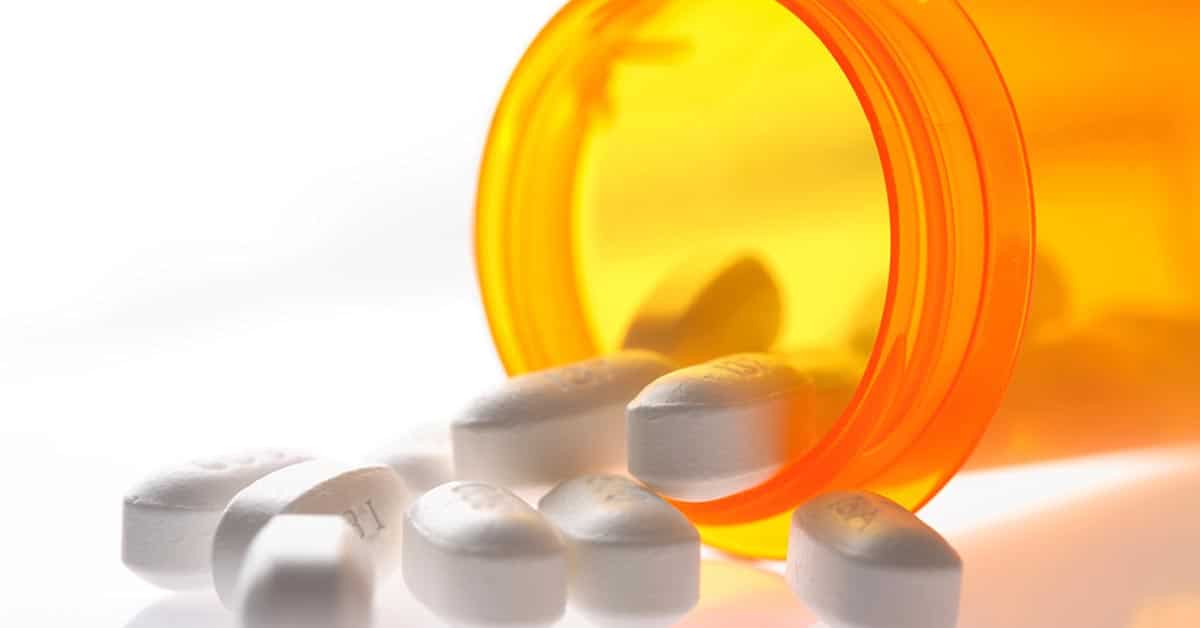
Bisphosphonate drugs are medicines that slow bone breakdown, most often to treat osteoporosis and reduce fracture risk. They can be very useful when fracture risk is high, but they need careful planning around kidney function, calcium and vitamin D, dental care, and long-term monitoring. Why this matters: the goal is stronger bones without ignoring preventable side effects.
Key Takeaways
- Fracture prevention: These medicines slow bone loss and may reduce hip, spine, and other fractures.
- Common options: Alendronate, risedronate, ibandronate, and zoledronic acid are widely used examples.
- Safety planning: Kidney checks, calcium status, and dental history matter before treatment.
- Jaw risks: Serious jaw problems are uncommon, but dental coordination lowers avoidable risk.
- Lifestyle support: Exercise, nutrition, and fall prevention still matter during medication treatment.
What Bisphosphonates Are Used For
Bisphosphonates are anti-resorptive medicines, meaning they reduce the activity of osteoclasts (bone-breakdown cells). Clinicians often use them when bones are fragile enough that the risk of fracture outweighs the risks of treatment. Osteoporosis is the most common reason, but it is not the only one.
Common bisphosphonates uses include postmenopausal osteoporosis, osteoporosis in men, glucocorticoid-related bone loss, Paget disease of bone, and high calcium related to some cancers. Cancer-related use may involve different dosing intensity and monitoring than routine osteoporosis care, so readers should not compare those plans directly.
An osteoporosis medication list may include tablets, infusions, injections from other drug classes, and bone-building therapies. Bisphosphonates are one part of that wider picture. For a closer look at one common medicine in this class, see What Is Alendronate Used For. If brand and generic naming feels confusing, Fosamax Generic explains that relationship in osteoporosis care.
Common medicines in this class
The best-known examples include alendronate, risedronate, ibandronate, and zoledronic acid. Pamidronate is another bisphosphonate used in selected settings, often outside routine oral osteoporosis care. Brand names vary by country, and a generic name is usually the clearest way to discuss treatment with a clinician or pharmacist.
The phrase top bisphosphonate drugs can be misleading because the right option depends on kidney function, fracture pattern, swallowing issues, dosing preferences, other medicines, and prior treatment history. A weekly tablet may fit one person well. Another person may need an infusion because reflux, esophageal disease, or adherence problems make tablets difficult.
How Bisphosphonate Drugs Work in Bone
Bisphosphonate drugs attach strongly to bone mineral and become concentrated in areas where bone is actively remodeling. When osteoclasts break down bone, they take up the medicine. This reduces osteoclast activity and slows the loss of bone mineral.
In osteoporosis, the mechanism of action of bisphosphonates helps shift the balance toward retaining bone density. It does not rebuild bone in the same way as anabolic, or bone-building, medicines. Instead, it slows excessive resorption, which can make the skeleton less vulnerable to fractures over time.
Nitrogen-containing bisphosphonates, such as alendronate, risedronate, ibandronate, and zoledronic acid, affect a pathway that osteoclasts need to function. Older non-nitrogen agents are less commonly used today. If you want more detail on the cellular pathway, Alendronate Mechanism Of Action connects the science to clinical use.
Why it matters: The same long-lasting bone binding that supports convenient dosing also explains why clinicians reassess treatment duration.
Tablets, Infusions, and Other Route Decisions
Route matters because the safest option is often the one a person can take correctly and consistently. Bisphosphonate tablets usually have strict administration instructions. They are commonly taken with plain water, on an empty stomach, while staying upright for a period of time. These steps help absorption and lower the chance of esophageal irritation.
An infusion for osteoporosis may be considered when tablets are not tolerated, when swallowing problems exist, or when a supervised schedule improves adherence. Zoledronic acid is a common IV example in osteoporosis care, while other IV bisphosphonates may be used in different clinical settings. Infusions can cause temporary flu-like symptoms in some people, especially after the first dose.
Some people search for bisphosphonates injection when they mean any non-tablet bone medicine. Strictly speaking, many bisphosphonates are oral tablets or IV infusions. Other osteoporosis medicines are given as injections but are not bisphosphonates. This distinction matters because monitoring, stopping plans, and side effects differ by class.
Product pages can help you recognize names, forms, and general medication context, but they do not replace individualized prescribing. Examples include Alendronate, Risedronate, and the branded risedronate option Actonel. Discuss the route, timing, and suitability with your own care team.
Who May Benefit, and Who May Need Extra Caution
People most likely to benefit often have a prior hip or spine fracture, a very low bone-density score, or a high calculated fracture risk. Long-term glucocorticoid use can also raise fracture risk enough to justify treatment. The decision usually combines scan results, fracture history, age, fall risk, and other medical conditions.
Some people should pause and review risks before starting. This includes people with low calcium levels, significant kidney impairment, active upper gastrointestinal problems, swallowing disorders, or planned major dental procedures. Pregnancy planning, severe vitamin D deficiency, and complex cancer-related bone disease also need clinician-led review.
Bisphosphonate drugs are not usually chosen from a list alone. A prescriber may check kidney function, calcium, vitamin D, dental history, and current medicines first. People with early bone loss may also need monitoring and lifestyle changes before medication. For symptom and screening context, see Recognizing Early Signs Of Osteoporosis.
Questions to bring to your visit
- Fracture risk: Ask which fracture risk factors drive the recommendation.
- Route choice: Ask why a tablet or infusion fits your situation.
- Dental timing: Mention upcoming extractions, implants, or gum surgery.
- Kidney health: Ask whether kidney function changes the plan.
- Duration review: Ask when benefits and risks will be reassessed.
Side Effects, Jaw Concerns, and Dental Treatment
Most side effects are manageable, but some deserve prompt attention. Oral tablets may cause heartburn, throat irritation, nausea, or stomach discomfort. IV therapy may cause fever, muscle aches, joint aches, or flu-like symptoms for a short period. Low calcium is also possible, especially when vitamin D or calcium intake is inadequate.
The two serious adverse effects people often hear about are medication-related osteonecrosis of the jaw, known as MRONJ, and atypical femur fracture. MRONJ means an area of jawbone does not heal normally, often after invasive dental work. Atypical femur fracture is an uncommon thigh-bone fracture pattern linked with long-term suppression of bone turnover.
People often search bisphosphonates side effects jaw or bisphosphonates side effects teeth because dental work feels urgent and personal. For osteoporosis dosing, jaw complications are uncommon, but risk can rise with invasive dental procedures, poor oral health, cancer-related dosing, corticosteroids, smoking, or long exposure. Prevention focuses on communication, not fear.
Before starting treatment, schedule routine dental care if you are overdue. Treat gum disease when possible, and discuss planned extractions, implants, or oral surgery with both dentist and prescriber. If you are already taking a bisphosphonate, do not stop it on your own before dental care. Your clinicians can weigh the dental plan against fracture risk.
Quick tip: Keep a short dental timeline with dates of extractions, implants, and jaw symptoms.
Seek medical or dental review promptly for exposed bone in the mouth, non-healing sockets, new jaw pain, loose teeth without a clear cause, or swelling. Also report new thigh or groin pain, especially if it persists or worsens. These symptoms do not always mean a serious complication, but they should not be ignored.
Drug Interactions and Monitoring Over Time
Many bisphosphonates drug interactions are really absorption problems. Calcium, iron, magnesium, antacids, and food can bind oral tablets and reduce absorption. This is why tablet instructions often specify plain water, an empty stomach, and separation from supplements or other medicines.
Kidney function is a major monitoring point, especially for IV therapy. Calcium and vitamin D status also matter, because treatment can worsen low calcium in susceptible people. Bone-density testing may help clinicians judge response, although scan timing varies by risk level and local practice.
Long-term review matters because the benefits and risks change over time. Some people continue therapy for longer because fracture risk remains high. Others may be considered for a monitored break, often called a drug holiday, after a period of stability. That decision depends on fracture history, scan results, age, and other risk factors.
How long do bisphosphonates side effects last depends on the effect. Heartburn may improve with correct administration or a route change. Flu-like symptoms after an infusion often settle, but persistent severe pain, jaw symptoms, or thigh pain needs medical review. Because bisphosphonates can remain in bone, long-term planning should be individualized.
Non-Drug Steps That Still Protect Bone
Medication works best when daily bone-protection habits are also addressed. Weight-bearing exercise, resistance training, balance work, adequate protein, calcium, and vitamin D all support a safer plan. These steps do not replace medication when fracture risk is high, but they reduce preventable risks.
People often ask how to treat osteoporosis without medication. The answer depends on fracture risk. Someone with mild bone loss may focus on exercise, nutrition, alcohol moderation, smoking cessation, and fall prevention. Someone with a prior hip or spine fracture usually needs a more urgent medication discussion.
Food choices should support enough protein and calcium rather than focus on one miracle food. Dairy foods, calcium-set tofu, canned fish with bones, fortified drinks, beans, nuts, and leafy greens can all contribute. The best choice depends on allergies, kidney disease, digestion, culture, budget, and overall diet pattern.
For practical lifestyle support, Bone Health Nutritional Guide covers diet patterns for aging bones. You can also browse the Bone & Joint Health collection for related education on mobility, joints, and fracture prevention.
How Bisphosphonates Compare With Other Bone Medicines
Bisphosphonates are not the only bone-active medicines. Denosumab reduces bone resorption through a different pathway. Teriparatide, abaloparatide, and romosozumab have bone-building or mixed effects and may be considered in selected high-risk situations. Each option has its own stopping rules, monitoring needs, and safety cautions.
The comparison is not only about strength. It is also about fit. A person with severe reflux may struggle with tablets. A person with kidney impairment may need a different approach. A person at very high fracture risk may need a specialist discussion about sequencing therapies.
Transition planning is especially important with some non-bisphosphonate options. Stopping certain therapies without a follow-up plan can create problems, including rapid bone loss in specific cases. That is why treatment changes should be planned with a clinician rather than handled as a simple medication swap.
Authoritative Sources
For a patient-friendly overview of treatment adherence and osteoporosis medicines, review the Bone Health & Osteoporosis Foundation resource. It explains why consistent treatment and follow-up matter.
For dental planning and jaw-risk context, the American Dental Association oral health guidance offers balanced information on osteoporosis medicines and dental care.
For a clinician-facing summary of the drug class, uses, and safety cautions, see the NCBI Bookshelf bisphosphonate review. It is more technical, but useful for source checking.
Recap
Bisphosphonate drugs can play an important role in reducing fracture risk when the benefits outweigh the risks. The safest plans start with the basics: fracture-risk assessment, kidney and calcium review, careful route selection, dental coordination, and regular reassessment. Lifestyle steps remain part of care because falls, diet, and strength training affect fracture risk every day.
Bring your medication list, supplement schedule, dental plans, and fracture history to appointments. Those details help your medical, dental, and pharmacy teams make safer decisions together.
This content is for informational purposes only and is not a substitute for professional medical advice.


