

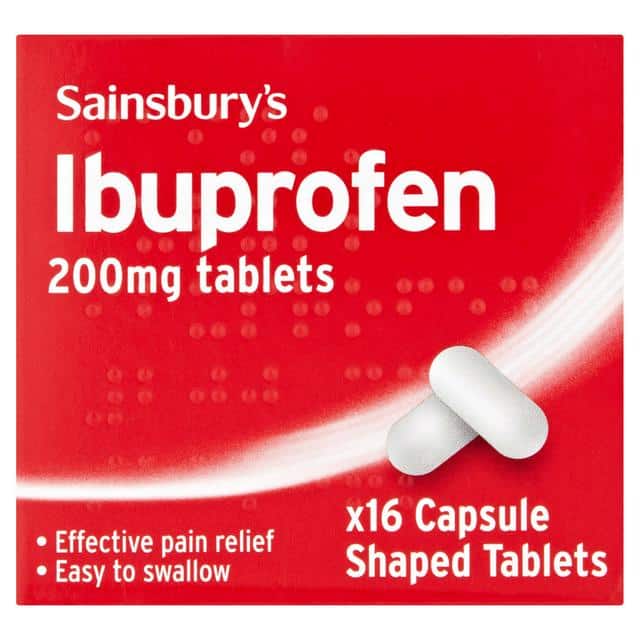
When comparing Celebrex vs Ibuprofen, the safer choice is not the same for everyone. Both medicines are nonsteroidal anti-inflammatory drugs, or NSAIDs, used for pain and inflammation. Celebrex is the brand name for celecoxib, a prescription COX-2 selective NSAID. Ibuprofen is a nonselective NSAID that is often available over the counter. Celecoxib may be easier on the stomach for some adults, while ibuprofen may be convenient for short-term use. Your ulcer history, kidney function, heart risk, blood pressure, age, and other medicines usually matter more than the name on the bottle.
If you are trying to make sense of the tradeoffs, start with the risk you most need to protect against: stomach bleeding, kidney strain, high blood pressure, heart problems, or drug interactions. For broader reading, the Pain And Inflammation category can help you explore related pain topics.
Why it matters: The safest NSAID is usually the one that best fits your health risks and expected duration of use.
Key Takeaways
- Both drugs are NSAIDs that can reduce pain, swelling, and stiffness.
- Celecoxib may cause less upper stomach irritation for some adults, but ulcers and bleeding can still happen.
- Ibuprofen is familiar and accessible, yet it can still affect kidneys, blood pressure, and the stomach.
- Taking celecoxib and ibuprofen together usually increases risk without adding a clear safety benefit.
- The better fit depends on your medical history, other medicines, and whether use is brief or repeated.
How Celebrex vs Ibuprofen Compares in Plain Language
Celebrex vs Ibuprofen is mainly a comparison of two NSAIDs with different selectivity. Celecoxib targets cyclooxygenase-2, often called COX-2, more selectively. COX-2 is one pathway involved in pain and inflammation. Ibuprofen blocks both COX-1 and COX-2 more broadly. COX-1 also helps protect the stomach lining and supports platelet function, which is one reason stomach and bleeding risks differ between these medicines.
That mechanism matters, but it does not create a simple winner. Celecoxib is not automatically safer because it is more selective. Ibuprofen is not automatically safer because it is sold without a prescription. Both can cause serious side effects, especially with frequent use, higher exposure, dehydration, older age, or interacting medicines.
In real life, the decision often starts with the setting. A generally healthy adult with a short flare may use an over-the-counter NSAID differently than someone with osteoarthritis who needs repeated anti-inflammatory treatment. Prescription celecoxib may appear in products such as Celecoxib, Celebrex, and Cobix. The product name matters less than the class-level safety review.
When prescription medication is involved, access and documentation also matter. BorderFreeHealth connects U.S. patients with licensed Canadian partner pharmacies, and prescription details may be verified with the prescriber when required before dispensing.
Stomach, Kidney, Heart, and Blood Pressure Risks
The main safety differences come down to which organ system is most vulnerable. NSAIDs can affect the digestive tract, kidneys, circulation, and blood pressure. The balance may change if you have a past ulcer, chronic kidney disease, heart disease, swelling, or hard-to-control hypertension.
Stomach and bleeding risk
Celecoxib may be easier on the upper gastrointestinal tract than ibuprofen for some adults because it is more COX-2 selective. This does not mean it is gentle on the stomach. Celecoxib can still cause ulcers, bleeding, and serious digestive complications. Ibuprofen can also irritate the stomach, especially when used often, taken with alcohol, used on an empty stomach, or combined with medicines that increase bleeding risk.
Risk is higher in adults with a history of ulcers or gastrointestinal bleeding. Older age, corticosteroids, blood thinners, certain antidepressants, and heavy alcohol use can also raise concern. If stomach risk is already high, clinicians may consider protective strategies or different pain-control options. The key point is not that one drug removes stomach risk. It is that risk factors can shift the safer choice.
Kidney strain and fluid balance
Neither medicine should be treated as kidney-safe. NSAIDs can reduce blood flow through the kidneys, especially when the body is dehydrated or under stress. This can make it harder to manage salt, water, and kidney filtration. The risk may rise for people with kidney disease, heart failure, vomiting, diarrhea, low fluid intake, or older age.
Some blood pressure medicines and diuretics, sometimes called water pills, can add to kidney concerns when combined with NSAIDs. This does not mean every person must avoid both medicines. It means kidney risk should be part of the decision, especially if the medicine is used more than briefly.
Heart, circulation, and blood pressure
All non-aspirin NSAIDs can carry cardiovascular concerns. They may raise the risk of heart attack or stroke, and they can worsen swelling or blood pressure in some people. Celecoxib is not exempt from this warning. Ibuprofen is not a low-risk shortcut just because it is available without a prescription.
People with prior heart attack, stroke, heart failure, fluid retention, or difficult blood pressure control should be especially cautious. The same applies if an NSAID would be used regularly. In some cases, a clinician may compare other NSAID options, such as Meloxicam or Naproxen, but each option has its own warnings and tradeoffs.
Which Is Stronger for Pain or Inflammation?
There is no simple milligram-to-milligram comparison between celecoxib and ibuprofen. They work in related but different ways, have different dosing schedules, and are used in different clinical settings. A common search asks how much ibuprofen equals a certain amount of celecoxib, but there is no safe one-to-one conversion that readers should apply on their own.
For pain relief, both medicines can help with inflammatory pain. That may include arthritis-related stiffness, some muscle or joint injuries, and other painful inflammatory conditions. The better option depends on the diagnosis, severity, expected duration, and personal risk profile. A medicine that works well for one person’s knee pain may be a poor fit for another person with ulcer history or kidney disease.
For inflammation, the same caution applies. Celecoxib may be used in longer-term arthritis discussions because it is prescription-based and may have a stomach-tolerance advantage for some adults. Ibuprofen may fit short, self-limited pain for people with lower overall risk. Neither choice should become a daily habit without a clearer plan.
If arthritis is the main concern, you may find more condition-specific context in Celebrex And Arthritis. For a related NSAID comparison, Meloxicam Vs Ibuprofen covers another common decision point.
Why Taking Two NSAIDs Together Is Usually Avoided
Taking celecoxib and ibuprofen together usually stacks risk more than it improves relief. Both belong to the same broad drug class. Combining them can increase overlapping NSAID effects on the stomach, kidneys, blood pressure, and bleeding risk.
- More stomach irritation: Ulcer and bleeding risk may rise.
- More kidney stress: Fluid balance can become harder to control.
- More blood pressure concern: Swelling or higher readings may worsen.
- More interaction risk: Other medicines can make harms more likely.
This overlap is easy to miss. Someone may take prescription celecoxib, then reach for an over-the-counter cold, sinus, or headache product that contains ibuprofen. Others may add ibuprofen during a flare because it feels like a different category. It is not. If you already use any NSAID, check labels and ask a clinician or pharmacist before adding another.
Quick tip: Keep a current list of prescriptions, over-the-counter medicines, and supplements before discussing pain relief.
When One Option May Fit Better
The better choice depends on the pattern of pain and the risks sitting in the background. Short-term pain, recurring arthritis, and chronic daily symptoms are different situations. A careful comparison should include why the pain is happening, not only which pill seems stronger.
Recurring arthritis or joint pain
For osteoarthritis or repeated joint flares, celecoxib may come up when a prescription plan and stomach-risk discussion are appropriate. This does not make it the best option for every person with arthritis. Some adults use ibuprofen effectively for short periods. Others may need a different NSAID, acetaminophen, physical therapy, injections, topical treatment, or a broader evaluation.
If you are comparing celecoxib with another prescription NSAID, Celebrex Vs Meloxicam may help clarify how NSAID choices can differ. If side effects are your main concern, Celebrex Side Effects gives more detail on celecoxib-specific warnings.
Short-term pain or fever
Ibuprofen is often used for brief pain, fever, headaches, muscle soreness, or minor injuries. Its convenience is useful, but it can make the risk feel smaller than it is. Repeated self-treatment may quietly become frequent NSAID use, especially with back pain, knee pain, or ongoing stiffness.
Prescription-only status can also cause confusion. Celecoxib is not automatically stronger because it requires a prescription. That status usually reflects the need for a medical review, interaction check, and follow-up when symptoms are recurring or health history is more complex.
Questions to Ask Before Using Either NSAID
A safer Celebrex vs Ibuprofen discussion starts before the first tablet. You do not need to know every clinical detail. A few focused questions can reveal whether one medicine deserves more caution than the other.
- Past bleeding: Have you had an ulcer or gastrointestinal bleed?
- Kidney concerns: Do you have kidney disease or dehydration?
- Heart history: Have you had heart disease, stroke, or heart failure?
- Blood pressure: Are your readings difficult to control?
- Medicine overlap: Do you take blood thinners, steroids, aspirin, or other NSAIDs?
- Pregnancy context: Are you pregnant, trying to conceive, or postpartum?
- Duration: Is this a brief flare or a repeated pattern?
Label reading matters. Ibuprofen can appear in combination cold, sinus, and headache products. If you also take low-dose aspirin or have been told to avoid NSAIDs, that information should lead the conversation. It is more important than whether a medicine seems familiar.
If you are browsing the wider category, the Pain And Inflammation Products collection can help you distinguish prescription NSAIDs from other options. Product pages can support navigation, but medical decisions should still be based on your health history and professional guidance.
For patients without insurance, cash-pay cross-border prescription options may be available through BorderFreeHealth when eligibility and jurisdiction allow. This access context does not change the medical safety questions. It simply makes it more important to confirm prescriptions, interactions, and follow-up needs.
How to Think About the Safer Choice
For many adults, celecoxib may offer a stomach-tolerance advantage compared with ibuprofen. For others, ibuprofen may be reasonable for brief, occasional use when overall risk is low. The most important point is that neither medicine is automatically safer in every situation.
Think of the decision as a matching exercise. Match the medicine to the diagnosis, the expected length of use, and the health risk that needs the most protection. If pain keeps returning, do not simply rotate between NSAIDs. Repeated symptoms may need a clearer diagnosis, a non-NSAID strategy, or monitoring for blood pressure, kidney function, or stomach complications.
Seek urgent medical help for chest pain, trouble breathing, weakness on one side, black or bloody stools, vomiting blood, severe allergic symptoms, sudden swelling, or a major drop in urination. These symptoms can signal serious complications and should not be managed by comparing pain relievers online.
Authoritative Sources
For current safety details and medication-specific warnings, review these sources:
- MedlinePlus information on celecoxib
- MedlinePlus information on ibuprofen
- FDA information on NSAID medicines
This content is for informational purposes only and is not a substitute for professional medical advice.


