

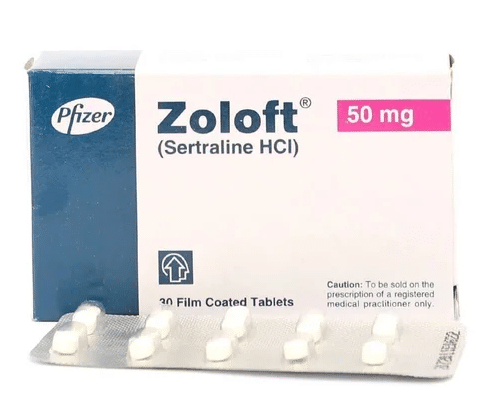
Celexa and Zoloft are both selective serotonin reuptake inhibitors, or SSRIs, but they are not interchangeable for every person. A practical celexa vs zoloft comparison looks at approved uses, side effects, weight changes, dosing approach, interaction risks, and how a clinician might plan a switch. The better fit depends on your symptoms, medical history, past response, and what side effects would disrupt your daily life most.
Why this matters: SSRI choice is rarely about one headline difference. Two people can take the same medicine and report very different sleep, appetite, stomach, or sexual side effects. A clear comparison helps you bring sharper questions to your prescriber instead of guessing from scattered reviews.
Key Takeaways
- Same class, different details: Both medicines raise serotonin signaling, but their approvals and cautions differ.
- Anxiety context matters: Sertraline has several anxiety-related approvals; citalopram is commonly used for depression.
- Weight varies widely: Appetite, sleep, activity, and symptom recovery all influence changes.
- Dose matching is imperfect: Equivalent-dose tables are rough references, not personal instructions.
- Switching needs supervision: Taper plans reduce withdrawal, overlap risks, and relapse confusion.
How These SSRIs Compare in Everyday Care
Both medications can be part of depression treatment, but sertraline and citalopram have different label details and clinical considerations. Celexa is the brand name for citalopram. Zoloft is the brand name for sertraline. Both belong to the SSRI class, which means they affect serotonin, a chemical messenger involved in mood, anxiety, sleep, and appetite.
The most useful question is not simply which one is stronger. A better question is which medication profile fits your symptoms and risk factors. For example, a person with prominent panic symptoms may have a different discussion than someone whose main concern is low mood with fatigue. Someone with a heart rhythm history also needs a different safety review than someone without cardiac risk factors.
Sertraline is often discussed when anxiety disorders, panic disorder, obsessive-compulsive disorder, or post-traumatic stress symptoms are part of the picture. Citalopram is often discussed for depression and may be familiar to people who have taken related SSRIs before. Still, these are broad patterns, not rules. Individual response can override expectations.
If you want more background on one medicine before comparing them, review Uses of Celexa for condition context. For a sertraline-specific anxiety discussion, Zoloft for Anxiety explains where it may fit in care.
Side Effects: What Usually Drives the Decision
Side effects often decide whether an SSRI is tolerable, even when mood symptoms improve. Common SSRI effects can include nausea, loose stools, dry mouth, headache, sleep changes, sweating, and sexual side effects. These effects may be mild for one person and disruptive for another.
In a celexa vs zoloft discussion, stomach effects and activation are common practical topics. Some people describe sertraline as more activating, especially early in treatment. Others feel tired or foggy on either medication. Citalopram may cause fatigue, dry mouth, sweating, or sexual side effects. Sertraline may cause nausea, diarrhea, tremor, sleep disruption, or sexual side effects. These are possible patterns, not guaranteed outcomes.
Sexual side effects deserve direct discussion. They can include lower libido, delayed orgasm, or erectile difficulty. Many people feel embarrassed to mention them, but clinicians hear these concerns often. Naming the problem helps your prescriber consider timing changes, dose review, switching, or other options when appropriate.
For deeper reading on citalopram tolerability, see Celexa Side Effects. For sertraline-specific warning signs and management considerations, see Zoloft Side Effects.
Safety flags that need extra care
Citalopram has an important dose-related warning about QT prolongation, which means a change in the heart’s electrical recovery time. This does not affect everyone, but it matters more if you have heart rhythm problems, low potassium or magnesium, liver impairment, older age, or other medicines that can also affect rhythm.
Sertraline also has interaction concerns. SSRIs can increase bleeding risk when combined with certain blood thinners, antiplatelet medicines, or frequent nonsteroidal anti-inflammatory drug use. Any SSRI can also contribute to serotonin syndrome, a rare but serious reaction linked to excessive serotonin activity. Warning symptoms can include agitation, confusion, fever, sweating, diarrhea, tremor, muscle stiffness, or fast heart rate.
Quick tip: Bring a complete medicine list, including supplements, to every prescribing visit.
Weight Gain, Appetite, and Daily Function
Weight change with SSRIs is usually influenced by several factors at once. Appetite may return as depression improves. Sleep may normalize, which can affect cravings and activity. Some people eat more when anxiety eases. Others lose weight early because nausea or reduced appetite appears during startup.
People often search for celexa vs zoloft weight gain because personal reviews feel more relatable than labels. Reviews can be useful for empathy, but they cannot predict your outcome. A person’s baseline weight, diet pattern, activity, sleep, age, other medicines, and untreated symptoms all shape what happens over months.
Sertraline weight gain reviews often include mixed stories: some people report stable weight, while others notice gradual increases. Citalopram weight gain reviews are similarly varied. A more useful approach is tracking. Record weight, appetite, sleep hours, cravings, bowel changes, and activity weekly during the first few months. This gives your prescriber better information than memory alone.
Some readers ask whether Zoloft or Celexa is better for weight loss. Neither should be treated as a weight-loss medicine. If weight is a major concern, discuss your metabolic history, eating patterns, and current medications before choosing or changing therapy. If weight gain is rapid, severe, or linked with swelling, shortness of breath, or major fatigue, seek medical review promptly.
Dosing and Equivalent-Dose Questions
SSRI dosing is individualized, and milligram numbers do not compare neatly across drugs. A common question is whether 20mg citalopram is equivalent to sertraline. Clinicians may use antidepressant equivalent dose tables as rough references, but they do not treat them like exact conversion formulas.
Several reasons make exact matching difficult. Each SSRI has different pharmacology, metabolism, half-life, and tolerability patterns. A dose that feels calming for one person may feel activating for another. Age, liver function, other medications, and sensitivity to side effects can also change the plan.
This is why an antidepressant equivalent dose calculator, when discussed online, should be viewed with caution. It may help frame a conversation, but it cannot account for your history, diagnosis, adverse effects, or interaction risks. Your prescriber may start lower, hold longer, or adjust more slowly than a chart suggests.
For citalopram-specific dose concepts, Celexa Dosage offers a closer look at typical prescribing considerations. If you are reviewing medication access pages, product information such as Celexa or Sertraline HCL can help you identify the exact medicine name, but prescribing decisions still belong with a licensed clinician.
Why 10 mg, 20 mg, or 50 mg comparisons can mislead
Searches such as 10mg citalopram to 50mg sertraline or 40mg citalopram equivalent to sertraline can make switching sound like simple math. In practice, prescribers also consider how long you have taken the medicine, whether symptoms are controlled, and whether side effects are dose-related. They may also consider whether the goal is switching, tapering, or treating incomplete response.
Do not split, stop, or combine antidepressants based on an online equivalency table. Abrupt changes can cause dizziness, irritability, flu-like feelings, electric-shock sensations, insomnia, or a return of symptoms. A planned adjustment is safer and usually easier to interpret.
Switching Between Citalopram and Sertraline
Switching from citalopram to sertraline, or the reverse, should be planned with the prescriber who knows your history. The plan may involve a gradual taper, a direct switch in selected cases, or a cautious overlap. The right approach depends on dose, duration, withdrawal history, symptom severity, and interaction risk.
A cross-taper means one medicine is reduced while the other is introduced. This can reduce discontinuation symptoms, but overlap may increase serotonin-related side effects. A direct switch avoids overlap, but it may feel abrupt for some people. There is no single method that fits everyone.
Withdrawal and relapse can look similar. Withdrawal often appears after dose reductions and may include dizziness, sensory symptoms, nausea, irritability, and sleep disruption. Relapse usually involves a more sustained return of depression or anxiety symptoms. Keeping a simple symptom log can help your clinician tell the difference.
Switching from citalopram to Wellbutrin, or comparing Zoloft vs Celexa vs Wellbutrin, raises a different issue because bupropion is not an SSRI. It affects different neurotransmitter pathways and has a different side effect profile. That comparison needs separate clinical review, especially if anxiety, seizure risk, eating disorder history, or substance use concerns are present.
Which One Fits Anxiety, Depression, or Mixed Symptoms?
No SSRI is universally better, but the symptom pattern can guide the first conversation. In celexa vs zoloft for anxiety, sertraline often gets attention because it has several anxiety-related approvals. Citalopram may still help anxiety symptoms for some people, especially when they occur alongside depression, but the official labeling and individual history matter.
For depression, both medicines have long clinical use. The best choice may depend on what has worked before, what a close family member tolerated, and what side effects you most want to avoid. If sleep is already fragile, activation may matter. If daytime fatigue is severe, sedation may matter. If sexual side effects have caused past discontinuation, raise that concern early.
Some people compare Zoloft vs Celexa vs Lexapro because escitalopram is closely related to citalopram. Others compare Zoloft vs Celexa vs Prozac because fluoxetine has a longer half-life and different discontinuation considerations. These comparisons can be useful, but they should not replace a focused medication history. Your prior response is often more informative than broad class averages.
If you are browsing broader mental health topics, the Mental Health category can help you find related educational pages. Medication product categories, such as Mental Health Products, are best used for navigation rather than clinical decision-making.
Monitoring and Questions to Bring to Your Prescriber
A good follow-up plan makes SSRI treatment easier to judge. Before starting or switching, write down your main symptoms, sleep pattern, appetite, weight trend, sexual function, caffeine use, alcohol use, and current medicines. These details help your clinician interpret side effects in context.
Ask which side effects should improve with time and which should prompt a call. Ask how long to track symptoms before reassessment. Ask what to do if you miss a dose. Ask whether your heart history, bleeding risk, pregnancy plans, breastfeeding, liver disease, or other medications change the plan.
For citalopram, ask whether QT risk applies to you and whether an electrocardiogram, or ECG, is needed. An ECG measures the heart’s electrical activity. If your clinician gives you a QT interval and heart rate, a calculator can help you understand the general correction concept, but it does not replace clinical interpretation.
QTc Calculator
Calculate corrected QT interval from measured QT and heart rate.
These calculations are for education only and do not replace clinical advice, diagnosis, or treatment. Always confirm medical decisions with a qualified healthcare professional.
The QTc calculator estimates a corrected QT interval from heart-rate-related inputs. It can support a conversation about monitoring, but only a clinician can interpret risk in your medical context.
Why it matters: Monitoring turns vague side effects into patterns your prescriber can act on.
Authoritative Sources
Official labeling is the best place to verify approved uses, boxed warnings, contraindications, and interaction language. The DailyMed citalopram label summarizes dosing limits, QT-related cautions, and safety information.
For sertraline, the DailyMed sertraline label provides approved indications, warnings, adverse reactions, and interaction details.
For broader depression-care context, the National Institute of Mental Health explains symptoms, treatment approaches, and when to seek help.
Recap
Celexa and Zoloft are both established SSRIs, but their differences matter. Sertraline has broader anxiety-related labeling, while citalopram has a notable QT-related caution at higher-risk doses or in susceptible people. Both can cause stomach, sleep, sexual, and appetite-related effects. Neither has a predictable weight outcome for every person.
The safest next step is a structured conversation. Bring your symptom history, side effect priorities, current medicines, and past antidepressant experiences. If you are comparing access options, BorderFreeHealth connects U.S. patients with licensed Canadian partner pharmacies, and prescription details are verified with the prescriber where required before dispensing. That access context does not replace medical evaluation or individualized prescribing.
This content is for informational purposes only and is not a substitute for professional medical advice.


