

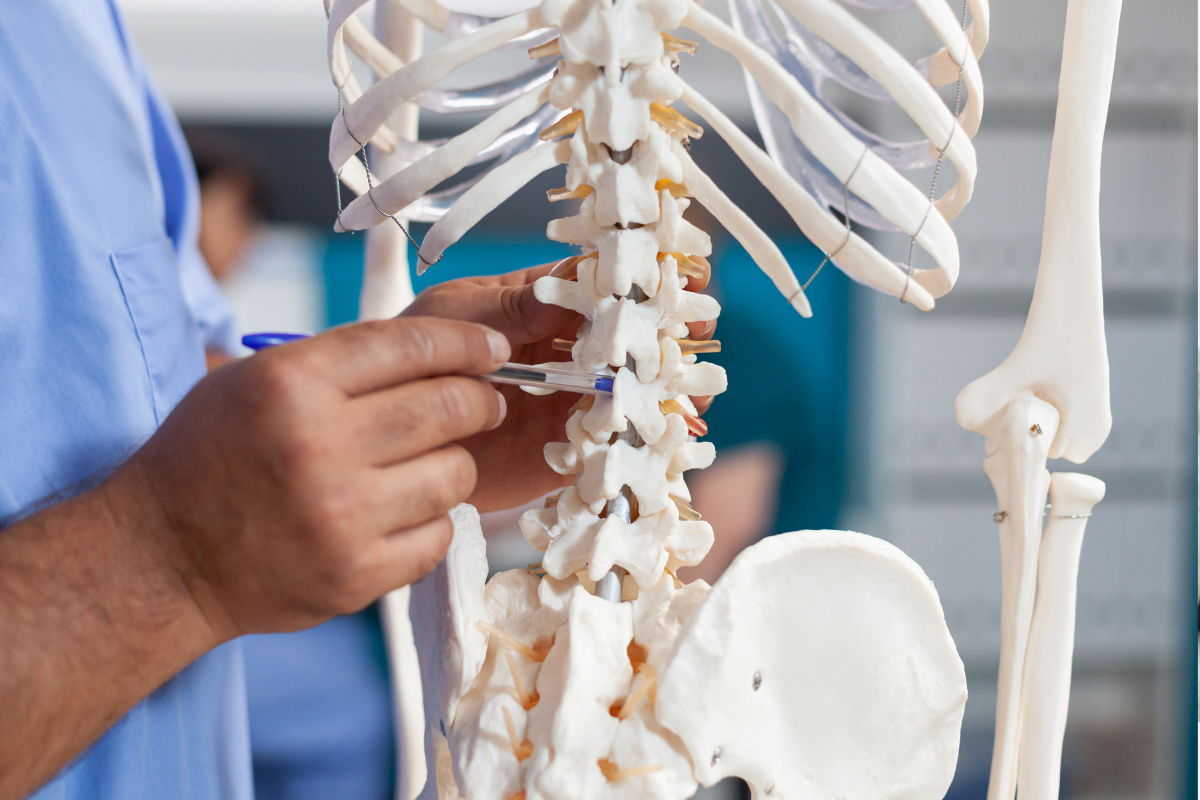
Osteoporosis often progresses quietly, but noticing early signs of osteoporosis can make a meaningful difference. Small changes—like subtle height loss or a new ache after routine chores—may be your first clue. Acting early supports safer movement, fewer fractures, and better quality of life. This guide combines clinical language with plain talk so you can understand what’s happening, why it matters, and what to consider next.
Key Takeaways
- Silent condition, real risks: bone loss advances without obvious pain.
- Watch for clues: height loss, back rounding, or easy fractures.
- Screening matters: DXA scans and risk tools guide decisions.
- Treatment works: medicines and lifestyle changes help protect bone.
Early Signs of Osteoporosis You Should Notice
The condition rarely announces itself with sharp pain. Instead, your body may send quiet signals. Subtle height loss over months may reflect vertebral compression (tiny spine fractures). A rounded upper back, called kyphosis (forward curve), can also develop gradually. People sometimes notice a looser waistband or pants suddenly dragging at the heels. These small changes deserve attention, especially after age 50 or following menopause.
Fragility fractures—breaks from a minor fall or bump—are another warning. They often occur in the wrist, spine, or hip. Persistent back aches after lifting or even coughing may signal a vertebral fracture. Grip weakness, receding gums from dental bone loss, and brittle nails can also appear. On their own, each sign seems minor. Together, they indicate bone strength may be slipping, and a review with a clinician could help clarify your risk.
Tip: Track your height yearly and note changes in posture. Small trends add up and help your clinician decide when to test.
Why Bones Weaken: Causes and Risk Drivers
Bone is living tissue that remodels constantly. With aging, the rebuild pace can’t match losses, and density drops. Hormonal shifts after menopause accelerate bone turnover. Family history, low body weight, smoking, inactivity, and heavy alcohol use add to risk. Nutrition matters as well, especially low calcium intake or vitamin D deficiency. Certain conditions—like hyperthyroidism—or low sex hormones in men can weaken bone too. In short, what causes osteoporosis spans biological changes and lifestyle patterns over time.
Medicines can also influence bone. Long-term use of systemic corticosteroids (for asthma, arthritis, or autoimmune disease) increases fracture risk. For a focused review of steroid-related bone loss, see Glucocorticoid-Induced Osteoporosis for context on prevention and monitoring. If you live with multiple risk factors, a proactive discussion about screening and fall prevention can help lower cumulative harm.
Screening and Diagnosis: From Risk Check to DXA
Clinicians assess bone health using history, exam, and testing. If you wonder how is osteoporosis diagnosed, a dual-energy X-ray absorptiometry (DXA) scan measures bone mineral density (BMD). Results report a T-score (comparison with healthy young adults). A T-score of −2.5 or lower typically indicates osteoporosis, while osteopenia reflects milder bone loss. Vertebral fracture assessment (VFA) may be added to detect silent spine fractures that height charts can miss.
Guidelines describe who should be screened and when. For an independent summary of age thresholds and risk-based screening, review the USPSTF screening guidance. For a plain-language overview of bone density testing and T-scores, the NIH osteoporosis overview covers fundamentals. Lab work may also check vitamin D status, calcium, kidney and thyroid function, and celiac screening when appropriate. If you need a refresher on the condition itself, see our Osteoporosis Condition page for definitions and common terms.
Pain, Fatigue, and Other Overlooked Clues
Bone loss itself isn’t typically painful, but fractures are. People often ask whether does osteoporosis cause back pain. New, persistent mid- or lower-back pain after light activity can signal a vertebral compression fracture. Hip or groin discomfort after a simple twist or step can indicate a stress fracture. Pain in the legs may reflect related strain, altered gait, or another cause entirely, which is why assessment matters.
Fatigue may creep in due to reduced activity after a fracture, poor sleep from pain, or fear of falling. Some people feel colder or notice unintentional weight changes, but these symptoms are non-specific and deserve careful evaluation for other conditions. Height loss, rounding of the back, and a history of a low-trauma wrist fracture also raise concern. If your daily function shrinks because of pain or fear, a tailored plan can restore strength and confidence safely.
Treatment Pathways: Building and Protecting Bone
Therapy aims to reduce fracture risk and improve function. When discussing how is osteoporosis treated, clinicians pair lifestyle measures with medicines when appropriate. Bisphosphonates are a first-line option for many adults. For an overview of this class, see Bisphosphonate Drugs to understand benefits and cautions. If you want the science behind a leading agent, review Alendronate Mechanism Of Action for how it slows bone turnover. Some patients may start with denosumab or an anabolic agent depending on fracture risk, tolerance, or prior response.
Therapy choice depends on risk category, other conditions, and personal preferences. To compare real-world options and sequencing, our editorial guide Navigating Osteoporosis Treatment Options outlines common strategies and monitoring steps. If alendronate is appropriate for you, see Alendronate Tablets for product details and precautions. For patients considering a twice-yearly injection, review Prolia Prefilled Syringe to understand indications and safety notes. For guideline-informed decision-making, the Endocrine Society guideline summarizes pharmacologic options and follow-up.
Note: Medicine names here are informational only. Discuss risks, benefits, and alternatives with your clinician before starting or changing any treatment.
Lifestyle and Prevention: Daily Actions That Help
Healthy habits amplify the effects of medicine and, for many adults, may slow bone loss on their own. Weight-bearing exercise and resistance training stimulate bone remodeling. For practical programming and safety cues, see Exercise And Bone Health, which outlines movements and progression. Diet also counts. Adequate protein supports muscle and bone; calcium and vitamin D help maintain mineralization. For menu ideas and nutrients to emphasize, visit Best Foods For Bones for evidence-informed choices.
Home safety reduces falls, which reduces fractures—the outcome that matters most. Make lighting brighter, remove tripping hazards, and review footwear. For a room-by-room checklist, see Preventing Falls And Fractures to plan simple upgrades. Smoking cessation, moderating alcohol, and spending short periods in safe sunlight can help too. In short, prevention of osteoporosis is a daily practice across movement, nutrition, and environment—not a single pill or scan.
Prognosis, Stages, and When to Seek Care
Your future risk depends on bone density, prior fractures, age, and overall health. Clinicians sometimes talk about stages of bone loss: normal BMD, osteopenia, osteoporosis, and severe osteoporosis (with fragility fractures). This helps frame decisions, but day-to-day function and falls matter just as much. After a major fracture, short-term risks include immobility, blood clots, and infection. Long-term, hip and spine fractures may impair independence. That’s why osteoporosis prognosis improves with early identification, safer movement, and appropriate therapy.
If you’ve had a low-trauma fracture after age 50, if you’re shrinking in height, or if pain follows a minor twist or cough, seek evaluation. Prior fractures are strong predictors of future fractures. If steroid therapy is necessary for another condition, ask about bone-protective steps early. Timely action helps reduce harm and supports meaningful routines, from walking with friends to playing with grandkids.
Strong bones support everyday joys. Start with awareness, add smart screening, and build a personal plan that fits your life. For deeper reading and planning tools, explore our editorial resources linked above.
This content is for informational purposes only and is not a substitute for professional medical advice.


