
Please note: a valid prescription is required for all prescription medication.
Alendronate
Buy Alendronate Online
Secure Encrypted Payments
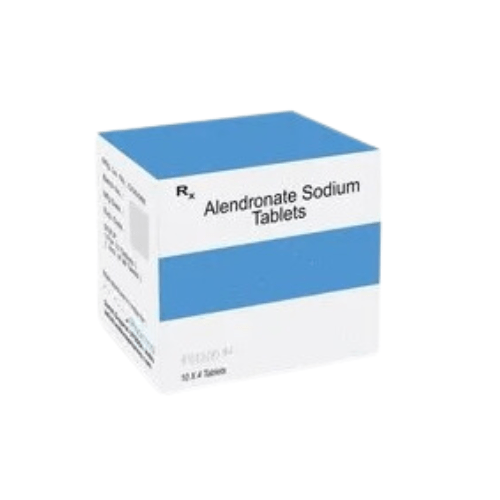
Alendronate is an oral bisphosphonate tablet used for osteoporosis and Paget’s disease of bone. It can be ordered online, with available tablet strengths selected to match your clinician’s directions. Many people compare Alendronate price, tablet strength, and dosing schedule before starting or continuing long-term bone treatment.
Price, Strengths, and Ordering Alendronate
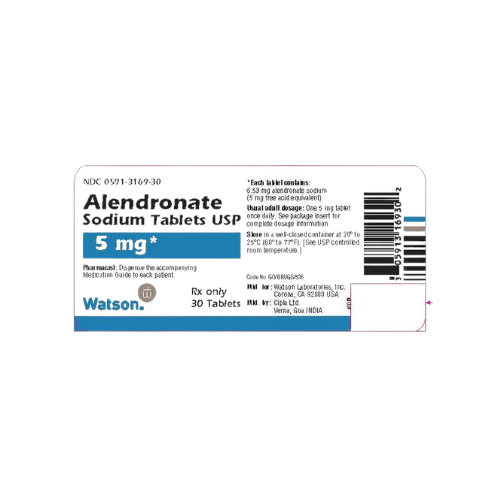
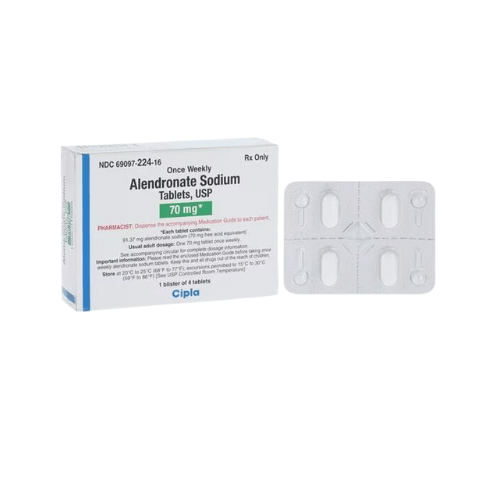
Alendronate pricing can vary by tablet strength, quantity, and manufacturer. Commonly published tablet strengths include 70 mg, 35 mg, 10 mg, and 5 mg, though the exact choices shown during ordering can change by supply. Choose the strength and quantity that align with the directions you were given, especially if your schedule is weekly rather than daily.
Alendronate 70 mg tablets are often associated with once-weekly osteoporosis treatment schedules. Alendronate 35 mg tablets may be used in some weekly prevention schedules, while lower strengths may be used for daily regimens. These examples describe common labeled patterns, not a substitute for individualized instructions. If your bottle, refill, or treatment plan differs from what you expected, ask your healthcare professional before changing how you take it.
For U.S. customers, the service context may include US delivery from Canada. We may review order details for accuracy, and products are supplied through licensed pharmacies. Keep the medication name, strength, and dosing day consistent from refill to refill so you can avoid taking the wrong amount or taking doses too close together.
What Alendronate Treats
Alendronate sodium tablets are used to treat and prevent osteoporosis, a condition in which bones become thinner, weaker, and more likely to fracture. It is used in postmenopausal women and in men with osteoporosis, and it may also be used for glucocorticoid-induced osteoporosis when directed by a clinician. Alendronate is also used to treat Paget’s disease of bone, a disorder in which bone remodeling becomes abnormal and can lead to enlarged, weakened, or painful bones.
Osteoporosis treatment decisions usually consider fracture risk, age, prior fractures, bone mineral density results, kidney function, calcium and vitamin D status, and whether you can follow the tablet administration rules. For more background on the condition being treated, see the osteoporosis section. If your treatment is related to abnormal bone remodeling, the Paget’s disease section may also help frame questions for your clinician.
Alendronate does not work like a pain reliever. It is intended to slow bone loss and support bone strength over time. Your clinician may pair treatment with nutrition, vitamin D, calcium when appropriate, fall-prevention steps, weight-bearing activity, and periodic bone density monitoring.
How This Bisphosphonate Works
Alendronate belongs to a class of medicines called bisphosphonates. These medicines bind to bone surfaces and reduce the activity of osteoclasts, the cells that break down bone tissue. By slowing bone resorption, alendronate helps the body maintain a better balance between bone breakdown and bone rebuilding.
Fosamax is the original brand name associated with alendronate sodium. Generic alendronate contains the same active ingredient, although tablet appearance, manufacturer, packaging, and market naming can differ. You may also see the term alendronic acid, which is another name used for the same active medicine in some countries.
Bisphosphonates are not interchangeable in every practical detail. Dosing frequency, food timing, kidney considerations, and tolerability may differ by product. If you want broader class context, browse the endocrine and thyroid category for related treatment areas and products.
How to Take Alendronate Correctly
Alendronate must be taken carefully because food, drinks, and many supplements can greatly reduce absorption. Take the tablet first thing in the morning with a full glass of plain water. Do not take it with coffee, tea, juice, mineral water, milk, or any other drink.
After swallowing the tablet, remain upright for at least 30 minutes and until after your first food of the day. Do not lie down during this period. Waiting before eating or taking other medicines helps the tablet move into the stomach and lowers the chance of esophageal irritation. Do not chew, crush, or suck the tablet unless a clinician specifically tells you otherwise.
A weekly schedule is common because alendronate stays bound to bone for a long time and continues acting after each dose. The once-weekly schedule can be convenient, but the timing rules still matter. Pick a consistent morning and use a reminder so the dose does not get skipped or repeated by mistake.
Quick tip: Keep calcium, iron, magnesium, antacids, and vitamins away from the immediate dosing window because they can interfere with absorption.
Missed Dose and Timing Questions
If you miss a weekly dose, many labels advise taking one tablet the morning after you remember, then returning to the original weekly day. Do not take two tablets on the same day. If you are on a daily schedule, skipped-dose instructions can differ, so follow the label and your clinician’s directions.
Never try to “catch up” by taking extra tablets. Too much alendronate may increase the risk of stomach, esophageal, or calcium-related problems. If you are unsure whether you already took the dose, use your medication log, pill organizer, or pharmacy label before deciding what to do.
Side Effects, Warnings, and Monitoring
The main side effects of alendronate involve the digestive tract. Heartburn, stomach pain, acid reflux, nausea, constipation, diarrhea, and indigestion can occur. Headache and muscle, bone, or joint pain are also reported. Taking the tablet exactly as directed helps reduce, but does not eliminate, the chance of upper digestive irritation.
Serious esophageal problems can occur, including inflammation, ulcers, or erosions. Contact a healthcare professional promptly if you develop trouble swallowing, pain when swallowing, chest pain, or new or worsening heartburn. These symptoms matter because the tablet can irritate the esophagus if it does not pass quickly into the stomach.
Less common but important risks include severe bone, joint, or muscle pain; osteonecrosis of the jaw; and rare atypical femur fractures. Jaw problems may be more likely in people with cancer, dental disease, invasive dental procedures, poor-fitting dentures, anemia, clotting problems, or long treatment duration. New thigh or groin pain should be evaluated because it can be an early sign of an unusual femur fracture.
Alendronate is not appropriate for everyone. People with certain esophageal disorders, low blood calcium, inability to sit or stand upright for at least 30 minutes, or hypersensitivity to the medicine should not use it. Severe kidney impairment may also require avoidance according to labeling. Before treatment, clinicians commonly consider kidney function, calcium level, vitamin D status, dental health, fracture history, and other medicines.
The “controversy” around alendronate usually refers to rare long-term safety concerns, especially jaw osteonecrosis and atypical femur fractures. These risks are real but uncommon, and they must be weighed against fracture risk from untreated osteoporosis. Do not stop long-term bone therapy without discussing your fracture risk and alternatives with a healthcare professional.
Interactions and What to Avoid
Calcium supplements, iron, magnesium, antacids, and some vitamins can bind alendronate or interfere with its absorption. Take them later, after the required waiting period or as directed. Food and beverages other than plain water can also reduce the amount of medicine absorbed.
NSAIDs such as ibuprofen or naproxen may increase stomach irritation when used with alendronate. Corticosteroids can affect bone health and may also influence certain safety risks. Tell your healthcare professional about all prescription medicines, nonprescription products, supplements, and herbal products you use.
Avoid lying down too soon after the dose, taking it at bedtime, or taking it before getting up for the day. Avoid chewing or sucking the tablet. If swallowing tablets is difficult, ask whether a different bone medication or formulation is safer for you.
Storage, Travel, and Refills
Store alendronate tablets at room temperature in a dry place. Keep the bottle tightly closed and away from bathroom moisture. Store all medicines out of children’s reach, and keep the original labeled container so the strength and directions remain clear.
When traveling, keep the medication in your carry-on bag with the pharmacy label visible. Bring enough tablets for the trip and keep your dosing reminder active if you take it once weekly. If your order involves Ships from Canada to US service, plan refills before you run low and allow time for prompt, express shipping.
Alendronate does not usually require cold storage. Still, avoid leaving tablets in hot cars, damp luggage, or unmarked pill bags. If tablets look damaged or you cannot identify the strength, ask a pharmacist before using them.
What to Expect Over Time
Bone changes happen gradually. You may not feel a daily difference after starting alendronate, even when the medicine is doing its job. Follow-up often focuses on fracture history, side effects, adherence to timing rules, calcium and vitamin D status, and bone density scans at intervals chosen by your clinician.
Some people ask whether alendronate causes weight changes. Weight change is not usually the main reason this medicine is chosen or avoided. Report persistent appetite changes, severe digestive symptoms, or new pain so your clinician can decide whether they relate to treatment or another condition.
Long-term treatment plans may include reassessing whether to continue, pause, or switch therapy after several years. That decision depends on fracture risk, bone density, age, prior fractures, and tolerance. Keep records of your dosing schedule, dental procedures, and any thigh, groin, jaw, or swallowing symptoms.
Related Treatment Choices
Alendronate is one option among several bone-health medicines. Some people use another oral bisphosphonate, such as risedronate, if tolerability, timing, or dosing details fit better. Others may need injectable or biologic therapy if fracture risk is high or oral tablets are not suitable.
Related choices should be discussed in the context of your medical history rather than only tablet price. Kidney function, digestive conditions, dental plans, ability to remain upright, and previous fractures can all influence the best option. If you are comparing bone treatments, focus on safety fit, administration rules, monitoring, and long-term adherence.
Customers who prefer to understand sourcing may also browse products by country of origin. This can be useful when comparing manufacturer and supply preferences, but it should not replace clinical suitability or label-based instructions.
Questions to Ask Before Starting or Refilling
- Is my schedule once weekly or daily?
- Which tablet strength should I use for my treatment goal?
- How long should I wait before food, coffee, supplements, or other medicines?
- Do I need calcium or vitamin D testing before treatment?
- Should I have dental work completed before starting?
- What symptoms mean I should stop and call a clinician?
- When should my bone density be checked again?
Authoritative Sources
Official Fosamax prescribing information
MedlinePlus alendronate drug information
Mayo Clinic alendronate oral route information
This content is for informational purposes only and is not a substitute for professional medical advice.
BMI Calculator
Estimate adult body mass index from height and weight, with metric and imperial units.
BMI
-
kg/m2 equivalent
Category
-
Adult screening range
These calculations are for education only and do not replace clinical advice, diagnosis, or treatment. Always confirm medical decisions with a qualified healthcare professional.
eGFR Calculator
Estimate kidney filtration using the 2021 CKD-EPI creatinine equation.
eGFR
-
mL/min/1.73 m2
G category
-
requires clinical context
These calculations are for education only and do not replace clinical advice, diagnosis, or treatment. Always confirm medical decisions with a qualified healthcare professional.
Creatinine Clearance Calculator
Estimate creatinine clearance using the Cockcroft-Gault equation.
CrCl
-
mL/min estimate
These calculations are for education only and do not replace clinical advice, diagnosis, or treatment. Always confirm medical decisions with a qualified healthcare professional.
Corrected Calcium Calculator
Estimate albumin-corrected calcium from measured calcium and albumin.
Corrected calcium
-
mg/dL
These calculations are for education only and do not replace clinical advice, diagnosis, or treatment. Always confirm medical decisions with a qualified healthcare professional.
Express Shipping - from $29.99
Shipping with this method takes 3-5 days
Prices:
- Dry-Packed Products $29.99
- Cold-Packed Products $39.99
Shipping Countries:
- United States (all contiguous states**)
- Worldwide (excludes some countries***)
Standard Shipping - $19.99
Shipping with this method takes 5-10 days
Prices:
- Dry-Packed Products $19.99
- Not available for Cold-Packed products
Shipping Countries:
- United States (all contiguous states**)
- Worldwide (excludes some countries***)
What is the main side effect of alendronate?
The most common issues involve the digestive tract, such as heartburn, stomach pain, indigestion, nausea, constipation, or diarrhea. Trouble swallowing, chest pain, or new or worsening heartburn should be discussed promptly with a healthcare professional.
Why is alendronate often taken once a week?
Alendronate binds to bone and continues working after each dose, so many osteoporosis treatment plans use a once-weekly tablet such as 70 mg when appropriate. Some people use daily schedules, so follow the directions provided for your specific strength.
What should I avoid when taking alendronate?
Avoid food, coffee, tea, juice, mineral water, milk, antacids, calcium, iron, magnesium, and vitamins during the immediate dosing window. Take the tablet with plain water only, stay upright for at least 30 minutes, and do not lie down until after your first food of the day.
Is alendronate the same as Fosamax?
Fosamax is a brand name for alendronate sodium. Generic alendronate contains the same active ingredient, although tablet appearance, manufacturer, packaging, and market naming may differ.
What is the controversy with alendronate?
Concerns usually involve rare long-term risks, including osteonecrosis of the jaw and atypical femur fractures. These risks must be balanced against the risk of fractures from osteoporosis, so treatment decisions should be individualized with a healthcare professional.
Rewards Program
Earn points on birthdays, product orders, reviews, friend referrals, and more! Enjoy your medication at unparalleled discounts while reaping rewards for every step you take with us.
You can read more about rewards here.
POINT VALUE
How to earn points
- 1Create an account and start earning.
- 2Earn points every time you shop or perform certain actions.
- 3Redeem points for exclusive discounts.
You Might Also Like
Select options
This product has multiple variants. The options may be chosen on the product page
Select options
This product has multiple variants. The options may be chosen on the product page
Select options
This product has multiple variants. The options may be chosen on the product page
Select options
This product has multiple variants. The options may be chosen on the product page