
Please note: a valid prescription is required for all prescription medication.
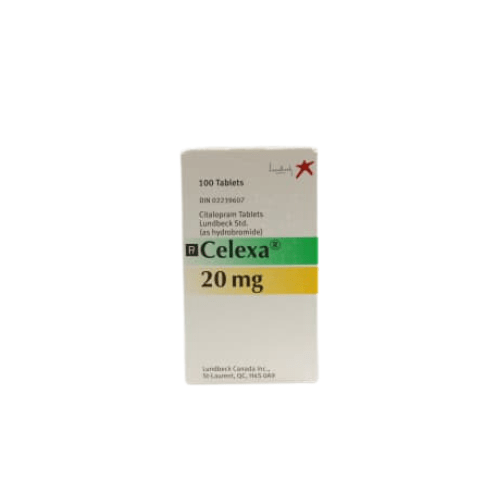
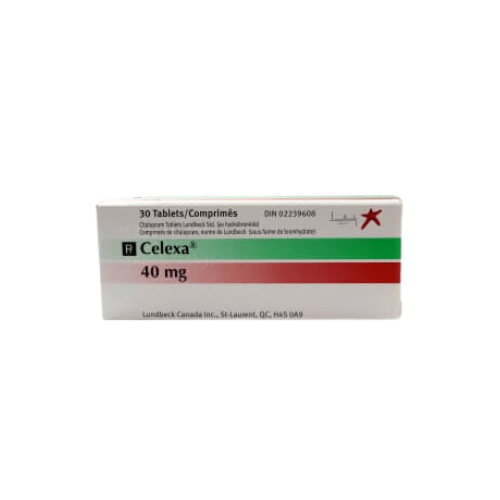
Celexa
Buy Celexa Online
Secure Encrypted Payments
Celexa is a brand-name antidepressant containing citalopram, a selective serotonin reuptake inhibitor used for major depressive disorder in adults. Celexa can be bought online through BorderFreeHealth, with current price details shown during ordering and the dose or strength chosen to match clinician directions. Commonly marketed citalopram tablet strengths include 10 mg, 20 mg, and 40 mg, with brand and generic choices depending on the product selected.
Celexa is taken on a regular schedule rather than only when symptoms flare. It is not a sedative, and it is not the same type of medicine as a benzodiazepine such as alprazolam. Because antidepressant response, side effects, and interaction risks vary, the safest purchase decision starts with the exact strength, active ingredient, and directions intended for you.
Celexa Price, Strength, and Ordering Details
The Celexa price can vary by brand or generic selection, tablet strength, manufacturer, and quantity. During ordering, match the active ingredient and strength to the directions from your clinician, then view the current cash-pay total before checkout. People comparing Celexa cost without insurance often look at both brand Celexa and generic citalopram tablets, because the active ingredient may be the same while the final out-of-pocket amount can differ.
BorderFreeHealth offers cross-border cash-pay ordering for U.S. customers, with products supplied through licensed pharmacies. Choose the strength shown for the product only when it matches your treatment plan. US delivery from Canada may be useful for people paying out of pocket, but the medication choice should still be based on clinical suitability, interaction screening, and the dose schedule already chosen for care.
Quick tip: Keep the medication name, strength, and directions together when comparing brand and generic choices.
What Celexa Treats
Celexa is indicated for major depressive disorder in adults. Depression can involve low mood, loss of interest, sleep changes, appetite changes, fatigue, poor concentration, guilt, and thoughts of self-harm. A clinician may evaluate other possible contributors, including thyroid disease, substance use, sleep disorders, medication effects, or bipolar disorder, because those situations can change treatment planning.
Citalopram is also sometimes used in real-world care for anxiety-related symptoms, but that decision depends on the diagnosis, prior response, other medicines, and safety risks. Celexa is not an immediate-relief medicine for panic, acute agitation, or sudden distress. If anxiety is part of the treatment discussion, ask how the expected timeline, monitoring plan, and side-effect tradeoffs compare with other medicines.
For condition-specific browsing, the depression collection groups related treatment and education materials. Broader medication browsing is available in the mental health category.
Active Ingredient and How It Works
The active ingredient in Celexa is citalopram, usually supplied as citalopram hydrobromide in tablet form. Citalopram belongs to selective serotonin reuptake inhibitors, often shortened to SSRIs. SSRIs reduce serotonin reuptake, which increases serotonin activity between nerve cells; serotonin is a chemical messenger involved in mood, sleep, appetite, and emotional regulation.
Symptom improvement may take several weeks, and early changes do not always predict the final response. Some side effects can appear before mood improves, especially after starting therapy or after a dose change. Taking the medicine consistently helps the care team interpret whether a symptom is part of depression, a side effect, an interaction, or a sign that the plan needs reassessment.
Celexa is not similar to Xanax in how it works. Xanax is a benzodiazepine used for short-term anxiety relief in selected situations, while Celexa is an SSRI antidepressant used as a scheduled daily treatment. The two drug classes have different risks, dependence considerations, and monitoring needs.
Tablet Strengths and Generic Citalopram
Celexa is the brand name, and citalopram is the generic name. Packages may list citalopram hydrobromide because that is the salt form used in tablets. Generic Celexa citalopram tablets use the same active molecule, though inactive ingredients, appearance, manufacturer, and packaging may differ by market and supply source.
Commonly marketed citalopram tablet strengths include 10 mg, 20 mg, and 40 mg. Some searches mention other strengths, but the product strength used should be the one shown for the medication being ordered and matched to clinician directions. Tablets should not be split, crushed, or altered unless a pharmacist or clinician says that is appropriate for that exact tablet.
| Form | Common strengths | Practical use note |
|---|---|---|
| Oral tablet | 10 mg | May be used for cautious starts or taper steps |
| Oral tablet | 20 mg | Common daily treatment strength |
| Oral tablet | 40 mg | Higher exposure raises QT-related safety concerns |
Brand and generic naming can differ between countries. That difference does not change the main buying question: the active ingredient, strength, and directions need to match the intended therapy. If a substitution is being considered, confirm whether brand Celexa or generic citalopram is preferred for your situation.
How to Take Celexa Safely
Citalopram is typically taken once daily, with or without food, at about the same time each day. Labeling commonly describes an adult starting dose of 20 mg daily with possible adjustment based on response and tolerability. Dose limits matter because higher citalopram exposure can increase QT prolongation risk, a change in heart electrical activity that can be seen on an ECG.
If a dose is missed, labeling guidance generally recommends taking it when remembered unless it is close to the next scheduled dose. Doubling doses is usually avoided. Stopping an SSRI suddenly can cause symptoms such as dizziness, irritability, sleep disturbance, sensory changes, or flu-like feelings, so discontinuation is commonly planned gradually.
Why it matters: Consistent daily dosing makes benefits and side effects easier to interpret.
Side Effects, Warnings, and Monitoring
Common Celexa side effects include nausea, dry mouth, sweating, sleep changes, fatigue, headache, appetite changes, and sexual side effects. Many people asking about the biggest side effect are really asking which effects most often disrupt daily life. Sexual dysfunction, nausea, sleepiness, insomnia, and sweating are among the effects that commonly prompt follow-up discussions, but the most important effect for one person may differ from another.
Weight change can occur with antidepressants, including citalopram. Some people notice appetite or weight changes during treatment, while others do not. Weight gain is not guaranteed, and depression itself can change eating, sleep, activity, and weight. If weight changes become concerning, the discussion should include mood response, diet, activity, sleep, other medicines, and whether another treatment would be more suitable.
Serious risks are less common but need prompt attention. SSRIs carry a boxed warning about increased risk of suicidal thoughts and behaviors in children, adolescents, and young adults. New or worsening depression, suicidal thoughts, extreme agitation, unusual risk-taking, or sudden behavior changes should be treated urgently. Serotonin syndrome is another serious risk, especially when Celexa is combined with other medicines or supplements that raise serotonin.
QT prolongation is a key safety issue for citalopram. Risk may be higher with larger doses, low potassium or magnesium, certain heart conditions, liver impairment, older age, or other QT-prolonging medicines. Other important concerns include low sodium, abnormal bleeding, seizures in susceptible people, and activation of mania in people with bipolar disorder. A diagnosis history and medication list are important before starting or continuing therapy.
When urgent help is needed
Seek urgent evaluation for chest pain, fainting, very fast or irregular heartbeat, severe confusion, high fever, muscle stiffness, uncontrolled shaking, severe agitation, or symptoms of an allergic reaction. New suicidal thoughts, rapidly worsening mood, or behavior that feels unsafe also requires immediate help. These symptoms are not routine adjustment effects and should not be ignored.
Interactions and Contraindications
Celexa has important drug interaction considerations. Monoamine oxidase inhibitors, also called MAOIs, can cause dangerous reactions when combined too closely with SSRIs, and washout periods are required. Pimozide is a known contraindicated combination because of heart rhythm concerns. Other serotonergic medicines, including some migraine medicines, tramadol, lithium, linezolid, methylene blue, and St. John’s wort, can increase serotonin syndrome risk.
Bleeding risk may rise when SSRIs are taken with aspirin, nonsteroidal anti-inflammatory drugs, anticoagulants, or other medicines that affect clotting. Some antibiotics, antiarrhythmics, antipsychotics, and other medicines may add QT-related risk. Drugs that affect citalopram metabolism can raise exposure and influence dose limits. Alcohol is not listed as a direct contraindication, but it can worsen sedation, sleep quality, judgment, and mood symptoms.
Before using Celexa, discuss a history of bipolar disorder, mania, seizures, heart rhythm problems, low sodium, bleeding disorders, liver problems, pregnancy, lactation, and all current medicines and supplements. This discussion is especially important when switching from another antidepressant or adding a medication for migraine, pain, sleep, or anxiety.
Storage, Travel, and Handling
Store Celexa tablets at room temperature in a dry place, away from heat, direct light, and excess moisture. Bathrooms and kitchen counters can become humid, so a bedroom drawer or closet shelf is often more suitable. Keep tablets in the original labeled container and out of reach of children and pets.
For travel, carry the labeled container so the medicine can be identified if questions arise. Avoid leaving tablets in a hot car or in luggage exposed to temperature extremes. If the tablets look discolored, crumbled, damp, or different than expected, ask a pharmacist to verify the appearance before taking them.
When planning refills, allow time for processing and prompt, express shipping. Keeping a small calendar note for remaining tablets can help prevent gaps, especially when the dose is taken every day.
Celexa Compared With Other Mental Health Medicines
Celexa is one SSRI option among several antidepressants. Sertraline, fluoxetine, and escitalopram are also SSRIs, but they differ in half-life, interaction patterns, dose ranges, and side-effect tendencies. Some people do well with the first SSRI they try, while others need a different medication because of side effects, partial response, sleep issues, sexual effects, or interaction concerns.
For plain-language SSRI comparison, Celexa and Zoloft differences discusses how two commonly used SSRIs are often weighed in care. Anxiety-related treatment questions may also involve escitalopram; escitalopram for anxiety explains benefits, dose discussions, and side effects in a related SSRI context. If sedation, appetite, or sleep symptoms are central concerns, mirtazapine uses in depression provides another treatment-class perspective.
Medication choice should focus on the diagnosis, prior response, medical history, interaction risk, and the side effects that matter most to daily life. The mental health articles section includes additional patient education for people managing depression, anxiety symptoms, and long-term medication questions.
Authoritative Sources
Regulator-reviewed labeling is the best reference for approved use, dose limits, contraindications, boxed warnings, and interaction risks. Patient-friendly medical references can also help explain side effects and symptoms that need urgent attention. Use these sources alongside individualized care, especially if other medicines, heart rhythm risks, pregnancy, lactation, or bipolar disorder history are part of the decision.
This content is for informational purposes only and is not a substitute for professional medical advice.
QTc Calculator
Calculate corrected QT interval from measured QT and heart rate.
QTc
-
milliseconds
RR interval
-
seconds
These calculations are for education only and do not replace clinical advice, diagnosis, or treatment. Always confirm medical decisions with a qualified healthcare professional.
Express Shipping - from $29.99
Shipping with this method takes 3-5 days
Prices:
- Dry-Packed Products $29.99
- Cold-Packed Products $39.99
Shipping Countries:
- United States (all contiguous states**)
- Worldwide (excludes some countries***)
Standard Shipping - $19.99
Shipping with this method takes 5-10 days
Prices:
- Dry-Packed Products $19.99
- Not available for Cold-Packed products
Shipping Countries:
- United States (all contiguous states**)
- Worldwide (excludes some countries***)
What is Celexa used for?
Celexa contains citalopram, an SSRI antidepressant indicated for major depressive disorder in adults. It may be discussed in other mental health contexts, but that depends on the diagnosis, medical history, and clinician judgment.
Is Celexa the same as citalopram?
Celexa is the brand name, while citalopram is the generic active ingredient. Generic citalopram tablets contain the same active molecule, though appearance, inactive ingredients, manufacturer, and packaging may differ.
Is Celexa similar to Xanax?
No. Celexa is an SSRI antidepressant taken on a regular schedule for depression treatment. Xanax is a benzodiazepine used for short-term anxiety relief in selected situations and has different risks and dependence considerations.
What are common Celexa side effects?
Common side effects can include nausea, dry mouth, sweating, sleepiness or insomnia, fatigue, headache, appetite changes, and sexual side effects. Serious symptoms such as fainting, irregular heartbeat, severe agitation, or suicidal thoughts need urgent medical attention.
Can Celexa cause weight gain?
Weight changes can occur with citalopram, but they are not the same for everyone. Depression, appetite, sleep, activity level, and other medicines can also affect weight, so persistent changes should be discussed with a clinician.
Rewards Program
Earn points on birthdays, product orders, reviews, friend referrals, and more! Enjoy your medication at unparalleled discounts while reaping rewards for every step you take with us.
You can read more about rewards here.
POINT VALUE
How to earn points
- 1Create an account and start earning.
- 2Earn points every time you shop or perform certain actions.
- 3Redeem points for exclusive discounts.
You Might Also Like
Select options
This product has multiple variants. The options may be chosen on the product page
Select options
This product has multiple variants. The options may be chosen on the product page
Select options
This product has multiple variants. The options may be chosen on the product page
Select options
This product has multiple variants. The options may be chosen on the product page