

Please note: a valid prescription is required for all prescription medication.
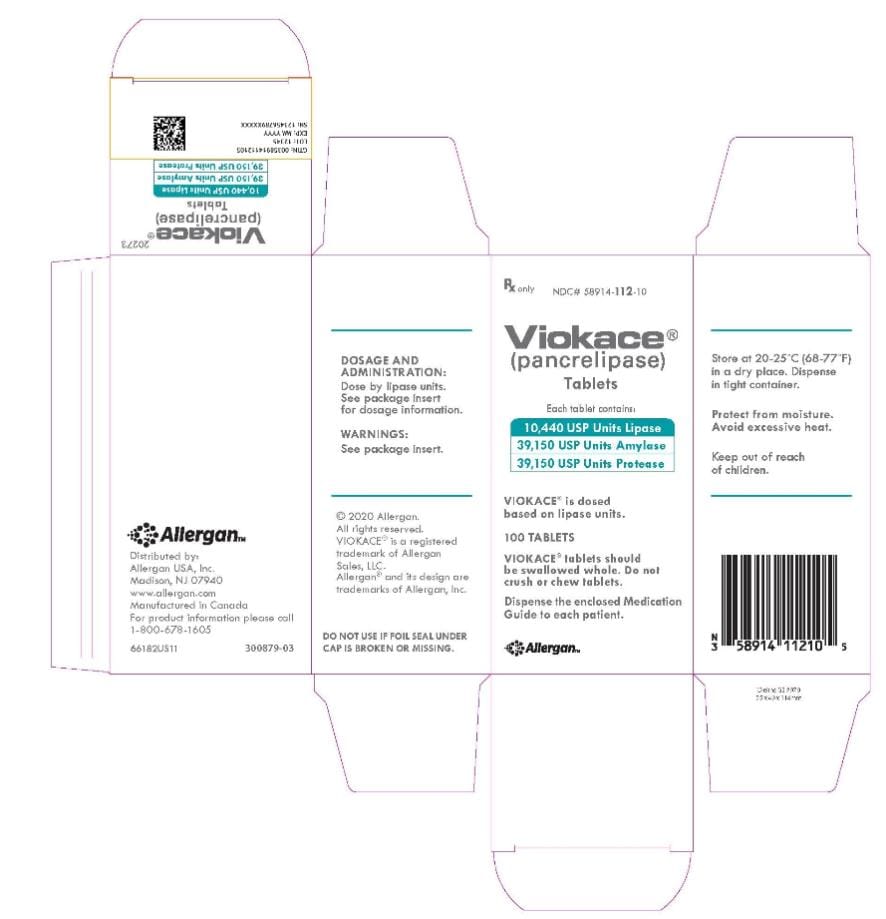
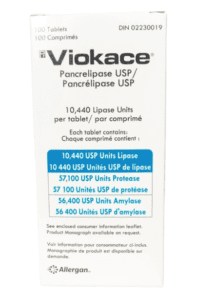
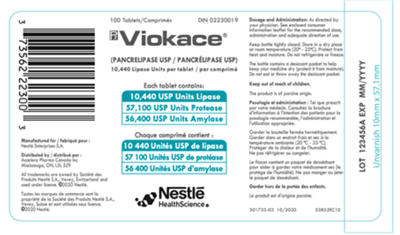
Viokace
Buy Viokace Online
Secure Encrypted Payments
Viokace is a pancrelipase tablet used with food to help adults digest meals when the pancreas does not release enough digestive enzymes. It can be ordered online through BorderFreeHealth, with the strength matched to the directions from your healthcare professional and the tablet options shown during ordering. The product is supplied through licensed pharmacies, with US shipping from Canada available for customers using a cash-pay pathway.
Viokace pancrelipase tablets contain digestive enzymes that help break down fat, protein, and carbohydrates in the small intestine. People considering Viokace often want clear answers about tablet strengths, how it differs from capsule enzyme products, what proton pump inhibitor use means, and which safety symptoms deserve prompt attention. The sections below keep those decisions practical while staying aligned with official labeling and clinician-directed use.
Viokace Price, Strengths, and Ordering Basics
Viokace price can vary by tablet strength, quantity, and the pharmacy supplying the medication. When ordering, choose the strength that matches your clinician’s directions rather than selecting by cost alone. Enzyme therapy is usually taken with meals and snacks, so the total monthly quantity can differ widely between people with different eating patterns.
Commonly discussed Viokace tablets are labeled by lipase activity per tablet. The label includes 10,440 lipase units and 20,880 lipase units, and the higher-strength tablet may reduce pill burden for some regimens when a clinician has directed it. Because pancreatic enzyme products are not interchangeable unit-for-unit without professional guidance, keep the exact product name and strength consistent when renewing therapy.
| Tablet strength | Label basis | Practical ordering note |
|---|---|---|
| 10,440 lipase units | Lipase activity per tablet | Used as directed with meals and snacks |
| 20,880 lipase units | Lipase activity per tablet | May reduce tablet count when clinically appropriate |
Out-of-pocket Viokace cost may matter if insurance coverage is limited, delayed, or difficult to use. BorderFreeHealth provides cash-pay access for people who need a U.S.-from-Canada service route, and prompt, express shipping may be selected at checkout when available. Keep a copy of your current medication directions handy so the order details match your active regimen.
What Viokace Is Used For
Viokace is used in adults with exocrine pancreatic insufficiency, often called EPI. EPI means the pancreas does not make or deliver enough digestive enzymes into the small intestine. Without enough enzymes, food may pass through partly undigested, leading to greasy stools, frequent loose stools, bloating, gas, abdominal discomfort, unintended weight loss, or trouble absorbing nutrients.
Official labeling describes Viokace, in combination with a proton pump inhibitor, for adults with EPI due to chronic pancreatitis or pancreatectomy. Chronic pancreatitis is long-term inflammation and damage of the pancreas. Pancreatectomy means surgical removal of part or all of the pancreas. For more condition background, the Exocrine Pancreatic Insufficiency collection can help frame the symptoms and treatment category.
The tablets do not treat pancreatic pain, reverse pancreatic damage, or cure the underlying cause of EPI. Their role is local digestive support: enzymes mix with food so fat, protein, and carbohydrate breakdown can occur more normally. Symptom tracking can help your healthcare professional decide whether the enzyme plan still fits your meal schedule, weight pattern, and stool changes.
How Pancrelipase Tablets Work With Meals
Viokace contains pancrelipase, a mixture of lipase, protease, and amylase sourced from pork. Lipase helps digest fats, protease helps digest proteins, and amylase helps digest starches. These enzymes act inside the digestive tract, not throughout the body like many medicines absorbed into the bloodstream.
The timing matters because enzymes need to be present when food reaches the small intestine. Viokace is taken with meals and snacks according to clinician directions. Swallow tablets whole with liquid. Crushing or chewing pancrelipase tablets can irritate the mouth and may reduce effectiveness before the enzymes reach the intended site of action.
Quick tip: Keep meal and snack doses with the foods they are meant to accompany.
Because Viokace tablets are not enteric-coated, stomach acid can reduce enzyme activity. A proton pump inhibitor may be part of the plan to reduce acid exposure and help the enzymes work as intended. Do not add or stop acid-suppressing therapy on your own, because abdominal symptoms can overlap with EPI, reflux, ulcers, gallbladder problems, and other conditions that need different care.
Viokace Tablets Versus Other Enzyme Products
Viokace is not the same as every other pancrelipase product. Many enzyme therapies are enteric-coated capsules designed to protect enzymes from stomach acid until they reach the intestine. Viokace is a non-enteric-coated tablet, so the overall regimen commonly involves acid suppression when clinically appropriate.
That formulation difference can affect how the medicine is taken, how many units are used, and whether a switch requires a new plan. Do not convert between brands based only on lipase-unit numbers. Products can differ in dosage form, release characteristics, and labeled administration instructions. If you browse the broader gastrointestinal medication category, compare enzyme products by active ingredient, formulation, and clinician-directed dosing rather than brand familiarity alone.
People sometimes ask about Viokace versus Creon. Both are pancreatic enzyme replacement therapies, but they are not identical products. The key practical distinction is that Viokace is a non-enteric-coated tablet, while many Creon presentations are delayed-release capsules. Any change between enzyme products should be coordinated with a healthcare professional, especially if symptoms, weight, nutrition labs, or stool patterns are unstable.
Daily Use, Missed Doses, and Meal Planning
Enzyme replacement is usually most consistent when it follows the way you actually eat. A person who eats three full meals may need a different daily pattern from someone who grazes, uses nutrition shakes, or has smaller frequent meals after pancreatic surgery. Keep the instructions tied to meals and snacks, not to a random clock time, unless your healthcare professional has given specific timing directions.
If a dose is missed, follow the directions provided for your regimen instead of doubling the next dose without guidance. Taking extra enzymes may not fix symptoms from a missed meal dose and can increase exposure. If missed doses happen often because of work, travel, swallowing difficulty, or unpredictable eating, tell your clinician so the plan can be adjusted safely.
Meal records do not need to be complicated. A short note with meal time, approximate fat content, stool changes, gas, bloating, and weight trends can make follow-up visits more useful. If symptoms persist despite consistent use, the issue may involve dose timing, acid suppression, diet changes, another gastrointestinal condition, or the underlying pancreatic disease.
Storage, Travel, and Handling
Store Viokace according to the package labeling, typically at controlled room temperature and protected from moisture. Keep the container tightly closed. Avoid bathrooms, kitchen sinks, car glove compartments, and direct sunlight, because heat and humidity can reduce enzyme activity over time.
Why it matters: Pancrelipase activity can decline when tablets are exposed to excess heat or moisture.
For travel, keep tablets in the original container when practical. The container identifies the medicine and includes important handling information. If you use a pill organizer, consider whether it protects the tablets from humidity during the day. Carrying a current medication list can also help urgent care teams understand your enzyme therapy, acid-suppressing medicine, diabetes medicines, pain medicines, and supplements.
People with EPI may also manage related digestive conditions. Articles in the gastrointestinal health library can support conversations about symptoms, nutrition, and medication routines, but product directions should still come from your healthcare professional and the official label.
Side Effects, Warnings, and Monitoring
Common side effects reported with pancreatic enzyme replacement can include abdominal discomfort, nausea, constipation, diarrhea, gas, and changes in stool pattern. These symptoms can be difficult to interpret because EPI and chronic pancreatitis can cause similar digestive problems. Track what changed after starting or changing enzyme therapy, including meal timing and any acid-suppressing medicine.
Serious allergic reactions are possible. Seek urgent medical help for swelling of the face or throat, trouble breathing, severe rash, or hives. Viokace is derived from porcine pancreatic tissue, so people with known hypersensitivity to pork proteins or product components need clinician input before use. Tell your healthcare professional about allergies, prior reactions to enzyme products, and any religious or dietary concerns involving porcine-derived medicines.
High total exposure to pancreatic enzymes has been associated with fibrosing colonopathy, a rare condition involving scarring and narrowing of the colon. Persistent constipation, worsening abdominal pain, vomiting, or severe bowel symptoms should be reported promptly. Pancrelipase products may also affect uric acid levels, which matters for people with gout, kidney disease, or a history of high uric acid.
People with diabetes may need closer attention to nutrition and blood sugar patterns because pancreatic disease can affect digestion and glucose regulation. The article on the pancreas and diabetes explains why digestive and endocrine symptoms can overlap. Share all medicines, over-the-counter products, vitamins, and supplements with your healthcare professional so the full plan can be reviewed.
Vitamins, Diet Questions, and Pancreas Health Claims
No vitamin has been proven to clean the pancreas or replace pancreatic enzyme therapy. Vitamins may be used when a clinician identifies a deficiency, especially because fat malabsorption can affect absorption of fat-soluble vitamins. That is different from using vitamins to reverse EPI or restore pancreatic enzyme production.
Nutrition is still important. People with EPI may need guidance on calories, fat intake, protein, vitamin levels, and weight stability. Do not stop enzymes because a supplement claims to support digestion. If you notice ongoing oily stools, weight loss, or frequent diarrhea, ask your healthcare professional whether the enzyme timing, acid suppression, diet, or another diagnosis needs attention.
For people whose EPI is related to chronic pancreatitis, symptom changes can reflect more than enzyme needs. The Chronic Pancreatitis Guide can help organize questions about pain, digestion, nutrition, and long-term monitoring. New severe abdominal pain, fever, repeated vomiting, or black stools should be assessed urgently rather than managed as routine indigestion.
Cost Context for Cash-Pay Customers
Viokace cash price is influenced by tablet strength and the number of tablets needed per fill. Because enzyme regimens are meal-based, two people using the same strength may have different monthly quantities. The most useful way to estimate cost is to match the current directions to the strength and quantity shown during ordering.
Customers paying out of pocket often look for Viokace from Canada because U.S. pricing, insurance rules, prior authorizations, and deductible timing can make therapy difficult to budget. BorderFreeHealth offers a cash-pay route for U.S. customers using licensed pharmacy supply channels. The country-of-origin browsing area for Canada-sourced products may be useful when reviewing store inventory categories.
Avoid choosing a different pancreatic enzyme product only because the displayed price is lower. Dose conversion, acid suppression needs, tablet versus capsule form, and symptom response all matter. If cost is a barrier, ask your healthcare professional whether the current strength, quantity, or alternative enzyme approach can be reviewed safely.
Authoritative Sources
Official labeling and patient medication information provide the most reliable details on indications, administration, warnings, and safety monitoring. Use them alongside your clinician’s directions, especially when changing meal patterns, adding acid-suppressing therapy, or reviewing persistent symptoms.
Read the Official VIOKACE prescribing information for labeled use, strengths, and warnings.
See DailyMed VIOKACE medication guide for patient-focused safety information.
Review MedlinePlus pancrelipase information for general background on pancrelipase medicines.
This content is for informational purposes only and is not a substitute for professional medical advice.
Express Shipping - from $29.99
Shipping with this method takes 3-5 days
Prices:
- Dry-Packed Products $29.99
- Cold-Packed Products $39.99
Shipping Countries:
- United States (all contiguous states**)
- Worldwide (excludes some countries***)
Standard Shipping - $19.99
Shipping with this method takes 5-10 days
Prices:
- Dry-Packed Products $19.99
- Not available for Cold-Packed products
Shipping Countries:
- United States (all contiguous states**)
- Worldwide (excludes some countries***)
What is Viokace used for?
Viokace is used in adults with exocrine pancreatic insufficiency, or EPI, due to chronic pancreatitis or pancreatectomy. It supplies pancrelipase enzymes that help digest fats, proteins, and carbohydrates when the pancreas does not release enough enzymes.
Is Viokace the same as Creon?
No. Viokace and Creon are both pancreatic enzyme replacement therapies, but they have different formulations. Viokace is a non-enteric-coated tablet, while many Creon products are delayed-release capsules. A clinician should manage any switch between enzyme products.
What strengths do Viokace tablets come in?
Viokace tablets are commonly discussed as 10,440 lipase units and 20,880 lipase units. The strength should match your clinician’s directions, because enzyme units, tablet counts, meals, snacks, and formulation differences all affect the regimen.
Why is Viokace used with a proton pump inhibitor?
Viokace is not enteric-coated, so stomach acid can reduce enzyme activity before the enzymes reach the intestine. Labeling describes use with a proton pump inhibitor to reduce acid exposure. Do not add or stop acid-suppressing medicine without clinician guidance.
What are common Viokace side effects?
Common side effects can include abdominal discomfort, nausea, constipation, diarrhea, gas, and stool changes. Serious allergic reactions, severe abdominal pain, persistent constipation, vomiting, or worsening digestive symptoms should be reviewed promptly by a healthcare professional.
Can vitamins clean the pancreas or replace Viokace?
No vitamin has been proven to clean the pancreas or replace pancreatic enzyme therapy. Vitamins may be recommended when deficiencies are identified, but ongoing oily stools, weight loss, or diarrhea should be discussed with a healthcare professional.
Rewards Program
Earn points on birthdays, product orders, reviews, friend referrals, and more! Enjoy your medication at unparalleled discounts while reaping rewards for every step you take with us.
You can read more about rewards here.
POINT VALUE
How to earn points
- 1Create an account and start earning.
- 2Earn points every time you shop or perform certain actions.
- 3Redeem points for exclusive discounts.
You Might Also Like
Select options
This product has multiple variants. The options may be chosen on the product page
Select options
This product has multiple variants. The options may be chosen on the product page
Select options
This product has multiple variants. The options may be chosen on the product page
Select options
This product has multiple variants. The options may be chosen on the product page