
Please note: a valid prescription is required for all prescription medication.
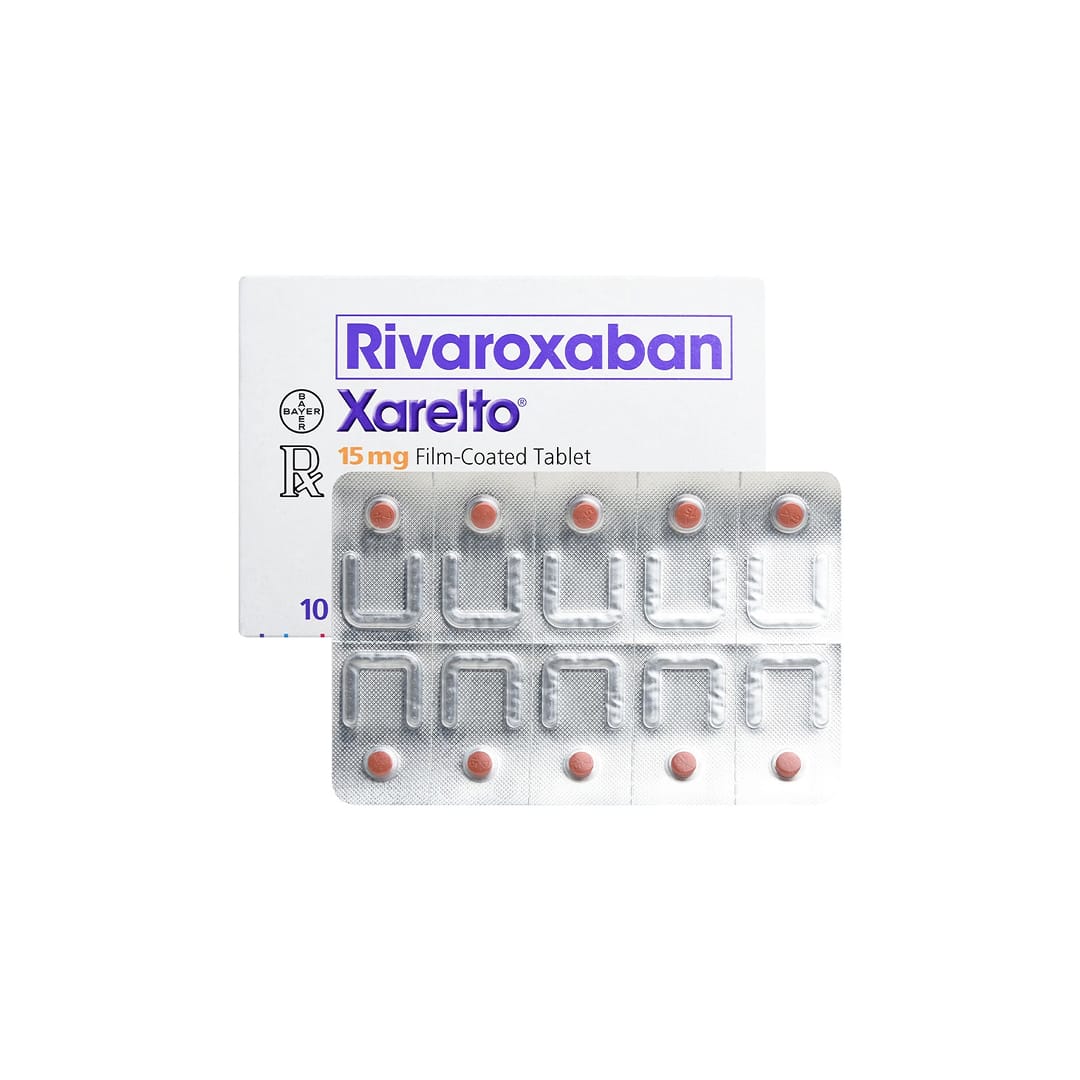
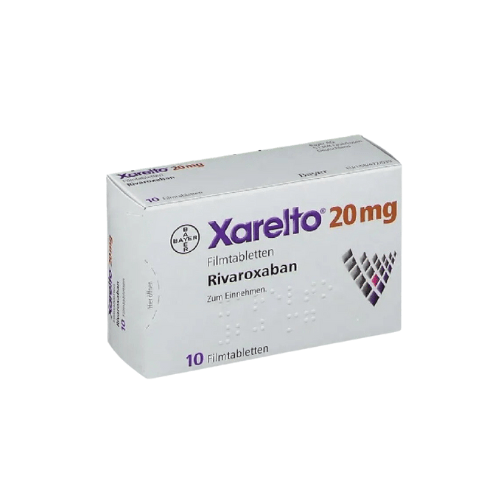
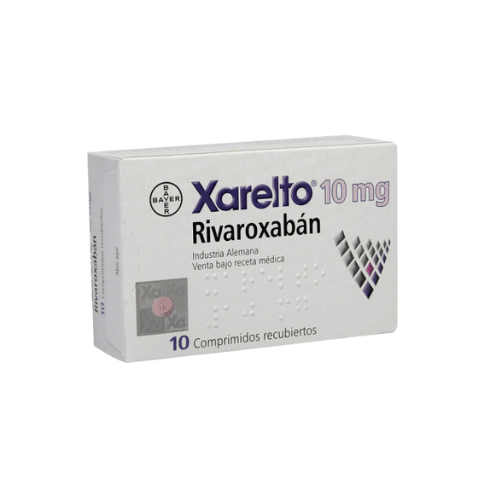

Xarelto
Buy Xarelto Online
Secure Encrypted Payments
Xarelto is a rivaroxaban blood thinner used to treat or help prevent certain dangerous blood clots. You can buy Xarelto online and choose the tablet strength shown during ordering, matching it carefully to the directions from your clinician. Current price can vary by strength, quantity, brand or generic supply, and pharmacy source.
Rivaroxaban belongs to a group of anticoagulants called factor Xa inhibitors. Factor Xa is one part of the clotting process, and blocking it lowers the blood’s tendency to form clots. That benefit also creates the main safety concern: bleeding can be harder to stop while taking Xarelto.
Xarelto Price, Strength Choice, and Ordering Basics
When you order Xarelto, start with the exact strength and directions written for you. Common searches include Xarelto 10 mg tablets, Xarelto 15 mg tablets, Xarelto 20 mg tablets, and rivaroxaban 20 mg. Those strengths are not interchangeable, because the labeled use, meal timing, and treatment phase can differ.
The Xarelto price you see during checkout may depend on tablet strength, quantity, brand versus rivaroxaban supply, and any insurance or cash-pay arrangement you use outside the store. Some people look for Canadian Xarelto or US delivery from Canada because they are comparing cash-pay routes for ongoing anticoagulant therapy. BorderFreeHealth works with licensed Canadian pharmacy channels, and order details may be reviewed before the medicine is supplied.
Choose the dose or strength available for the product only after matching it to your current directions. If your dose recently changed after surgery, a clot diagnosis, kidney testing, or a hospital stay, make sure the new instructions are the ones used for ordering.
Why it matters: A 10 mg, 15 mg, or 20 mg rivaroxaban tablet can fit different treatment plans.
What Xarelto Treats
Xarelto medicine is used in adults for several clot-related conditions. It can reduce the risk of stroke and systemic embolism in nonvalvular atrial fibrillation, treat blood clots in the legs or lungs, and lower the chance that those clots return. It may also be used after hip or knee replacement surgery to reduce clot risk.
Rivaroxaban is also used in selected people with coronary artery disease or peripheral artery disease, typically as part of a specific regimen that may include aspirin. If your diagnosis relates to coronary artery disease or peripheral artery disease, the reason for treatment should be clear because dosing can differ from clot-treatment schedules.
For DVT and PE, treatment often has an initial phase and a continuation phase. That is one reason a strength that was correct at the start may not be the long-term strength. Never assume the same tablet strength remains right after a transition unless your clinician has confirmed it.
Rivaroxaban Generic Name and Drug Type
The generic name for Xarelto is rivaroxaban. Xarelto is the trade name, while rivaroxaban describes the active ingredient. In everyday language, the product may be called a Xarelto pill, Xarelto tablets, rivaroxaban medicine, or a Xarelto blood thinner.
Its drug type is a direct oral anticoagulant, often shortened to DOAC. More specifically, it is a factor Xa inhibitor. Unlike warfarin, rivaroxaban does not require routine INR blood testing for dose adjustment, although clinical follow-up and lab checks can still be important for kidney function, liver function, anemia, and bleeding risk.
Brand and generic naming can differ by market and pharmacy source. If rivaroxaban is supplied instead of the brand, confirm that the active ingredient, strength, directions, and tablet count match what you intended to order.
How to Take Xarelto Tablets
Xarelto tablets are taken on a schedule that depends on the condition being treated. Some 10 mg regimens may be taken once daily with or without food. The 15 mg and 20 mg strengths are generally taken with food, and some nonvalvular atrial fibrillation regimens specify the evening meal to support absorption.
The best time of day for Xarelto 10 mg depends on the directions given for your use. If your instructions say once daily, taking it at the same time each day can help prevent missed doses. If the label or pharmacy directions mention food, follow that instruction rather than relying on habits from another strength.
Missed-dose instructions vary by regimen. Some treatment schedules require a different response than once-daily prevention schedules. Do not double up unless your official instructions specifically tell you to do so, and ask a clinician or pharmacist if you are unsure what to do after a missed tablet.
Stopping rivaroxaban suddenly can raise the risk of stroke or clotting in some people. If treatment must be paused for surgery, dental work, spinal procedures, or bleeding, the plan should include when to stop, whether another anticoagulant is needed, and when to restart.
Strengths and Practical Tablet Differences
Common Xarelto tablet strengths include 10 mg, 15 mg, and 20 mg. Tablet appearance, markings, and packaging can differ, especially when rivaroxaban is supplied by a different manufacturer. The active ingredient and strength are more important than color or shape when confirming your medicine.
| Strength | Practical use note | Food timing note |
|---|---|---|
| 10 mg | Used in certain labeled once-daily regimens, including some clot-prevention situations. | May be taken with or without food in some regimens. |
| 15 mg | Can be used in treatment phases where the schedule is diagnosis-specific. | Generally taken with food. |
| 20 mg | Common maintenance strength for some adults, including certain atrial fibrillation plans. | Typically taken with food; some plans specify the evening meal. |
If your instructions mention milligrams, tablets per day, or meal timing, all three details matter. A refill should match the strength and schedule you are currently using, not an older bottle left from a previous treatment phase.
Side Effects, Bleeding Warnings, and Monitoring
The most important negative effect of Xarelto is bleeding. Mild bruising, brief nosebleeds, gum bleeding, heavier menstrual bleeding, or stomach upset can occur. More serious bleeding may appear as blood in the urine, black or tarry stools, coughing or vomiting blood, severe weakness, dizziness, or fainting.
Seek urgent care for a severe headache, sudden confusion, trouble speaking, one-sided weakness, chest pain, coughing blood, or a fall with head injury. These symptoms can signal internal bleeding, stroke, or another emergency. People with recent spinal injections, epidural catheters, or spinal procedures need special caution because bleeding around the spine can cause lasting harm.
Do not ignore increasing bruising, repeated nosebleeds, unusually heavy bleeding, or new fatigue. Periodic blood work may be used to evaluate kidney function, liver function, or anemia, even though routine INR testing is not used the way it is with warfarin. Tell every clinician, dentist, and emergency provider that you take rivaroxaban.
- Urgent symptoms: black stools, red urine, vomiting blood, sudden severe headache, or fainting.
- Call promptly: nosebleeds that do not stop, large unexplained bruises, or unusual weakness.
- Before procedures: mention Xarelto before dental work, surgery, spinal injections, or invasive testing.
Quick tip: Keep a current medicine list in your wallet or phone.
Interactions and What Not to Do While Taking It
Several medicines can increase bleeding risk when taken with Xarelto. These include aspirin, clopidogrel, heparin, other anticoagulants, and nonsteroidal anti-inflammatory drugs such as ibuprofen or naproxen unless a clinician has told you to use them. Even short courses can matter when you are taking a blood thinner.
Some medicines can also change how rivaroxaban is processed in the body. Examples include certain antifungals, seizure medicines, HIV treatments, antibiotics, and herbal products such as St. John’s wort. Always ask before starting, stopping, or changing medicines, supplements, or over-the-counter pain relievers.
Alcohol can add to bleeding or fall risk for some people, especially when combined with other medicines. Avoid activities with a high risk of injury unless your clinician has discussed safe precautions. Use a soft toothbrush, shave carefully, and take extra care with sharp tools because small cuts may bleed longer.
People with active bleeding, certain liver problems, mechanical heart valves, severe kidney impairment, recent major bleeding, or pregnancy-related concerns may need a different plan. Individual risk depends on diagnosis, kidney function, age, bleeding history, and the other medicines you use.
Storage, Travel, and Refills
Store Xarelto tablets at room temperature in a dry place, away from direct heat and moisture. Keep the medicine in the original bottle or labeled pharmacy packaging when possible, especially if you use more than one heart or clot-related medicine. Bathrooms, glove compartments, and loose bags can increase the chance of damage or mix-ups.
For travel, carry tablets with you rather than packing all doses in checked luggage. Bring the labeled container, a current medicine list, and enough supply for delays. If you use pill organizers, refill them from the labeled package so the strength stays easy to verify.
Refill timing matters because missed anticoagulant doses can leave you unprotected. If your therapy is long-term, plan ahead before weekends, holidays, or trips. Orders that qualify for service handling may include prompt, express shipping, but your daily supply should not depend on last-minute timing.
People organizing several heart medicines may also find broader cardiovascular articles useful for preparing questions. If you want to browse related medicine categories, the cardiovascular medicines category can help place anticoagulants alongside other heart and circulation treatments.
How It Compares With Other Blood Thinners
Xarelto is one of several anticoagulants used for clot prevention and treatment. The best fit depends on the condition, kidney function, meal timing, daily routine, bleeding risk, other medicines, and whether monitoring requirements are manageable. A once-daily schedule may suit some people, while others may do better with a different medicine.
| Option | Drug type | Practical difference |
|---|---|---|
| Xarelto | Factor Xa inhibitor | Some regimens are once daily; higher strengths are generally taken with food. |
| Apixaban | Factor Xa inhibitor | Often taken twice daily; food timing is usually less central. |
| Warfarin | Vitamin K antagonist | Requires INR monitoring and has more diet-related management. |
| Dabigatran | Direct thrombin inhibitor | Capsule handling and storage instructions differ from tablet-based options. |
No blood thinner is best for everyone. A history of gastrointestinal bleeding, reduced kidney function, frequent falls, swallowing problems, or the need for procedures can change the risk-benefit discussion. If a previous anticoagulant caused side effects or was hard to manage, bring that experience into the next treatment conversation.
When to Ask for Help Before or After Ordering
Ask for help before ordering if the strength on your current bottle differs from your newest directions. The same applies after hospitalization, surgery, new kidney test results, a fall, or a bleeding episode. Anticoagulant plans often change after major health events, and an old refill can become inappropriate.
Contact a clinician promptly if you have new or worsening bleeding, symptoms of anemia, severe stomach pain, unusual headaches, or signs of clotting such as leg swelling, chest pain, or sudden shortness of breath. Xarelto lowers clot risk, but it does not remove the need to evaluate new symptoms.
If you are taking multiple medicines for atrial fibrillation, DVT or PE, or vascular disease, keep one updated list. Include prescription medicines, non-prescription pain relievers, vitamins, herbal products, and supplements. This simple step helps reduce interaction risk during refills, appointments, and emergencies.
Authoritative Sources
For official labeling, boxed warnings, indications, and dose-specific administration details, see the DailyMed Xarelto prescribing information.
For patient-facing information about rivaroxaban precautions and bleeding symptoms, see MedlinePlus rivaroxaban drug information.
For a clinician-reviewed explanation of rivaroxaban uses and side effects, see the Cleveland Clinic rivaroxaban overview.
This content is for informational purposes only and is not a substitute for professional medical advice.
eGFR Calculator
Estimate kidney filtration using the 2021 CKD-EPI creatinine equation.
eGFR
-
mL/min/1.73 m2
G category
-
requires clinical context
These calculations are for education only and do not replace clinical advice, diagnosis, or treatment. Always confirm medical decisions with a qualified healthcare professional.
Creatinine Clearance Calculator
Estimate creatinine clearance using the Cockcroft-Gault equation.
CrCl
-
mL/min estimate
These calculations are for education only and do not replace clinical advice, diagnosis, or treatment. Always confirm medical decisions with a qualified healthcare professional.
Body Surface Area Calculator
Calculate body surface area from height and weight using the Mosteller equation.
BSA
-
m2, Mosteller equation
These calculations are for education only and do not replace clinical advice, diagnosis, or treatment. Always confirm medical decisions with a qualified healthcare professional.
Ideal & Adjusted Body Weight Calculator
Estimate ideal body weight with the Devine equation and adjusted body weight when actual weight is above the estimate.
Ideal body weight
-
Devine equation
Adjusted body weight
-
IBW + 0.4 x excess weight
Difference from IBW
-
actual minus ideal
These calculations are for education only and do not replace clinical advice, diagnosis, or treatment. Always confirm medical decisions with a qualified healthcare professional.
Customer Reviews
4.5 Based on 28 Reviews
Write a Review Ask a Question - Reviews
- Questions
Filter Reviews:
CS
08/21/2026
Constantine S.  US
USThank you Border Free Health
As always, taking care of my Xeralto prescription was very easy. it ia always a pleasure doing business with your company.Frances Sofis
08/24/2026
borderfreehealth.com
Hi Constantine!Thank you so much for your continued trust and kind words! We're delighted to hear that taking care of your Xarelto prescription was easy and that you continue to enjoy a smooth experience with us. Providing quality medications at affordable prices, along with excellent customer care, is always our goal. If you ever need assistance, we're always here to help. Thank you for choosing Border Free Health!
GW
06/21/2026
Gary W. USPharmacy orders
Great and pharmacy staff is responsive to me. Delivery takes a little while from Canada.
06/22/2026
borderfreehealth.com
Hi Gary!We’re happy to hear that you’ve had a great experience with your pharmacy orders and that our team has been responsive and supportive throughout the process. Providing reliable service and clear communication is something we always strive for. Your trust and support mean a lot to us, and we’re grateful for the opportunity to be part of your healthcare journey. If there’s ever anything we can do to assist you, please don’t hesitate to reach out. Thank you for always choosing Border Free Health! We truly appreciate you.
JE
06/10/2026
Janice E. Bartlett USGreat Product for a blood thinner
Works great and easy to use just take it every night with your evening meal. No problems with it.
06/10/2026
borderfreehealth.com
Hi Janice!We’re delighted to hear that the product has been working great for you and that you find it easy to incorporate into your daily routine. Knowing that you are having a smooth and positive experience means a great deal to us.We understand how important it is to have reliable medications that fit seamlessly into everyday life, and we’re glad to know this product has been meeting your needs without any issues. Your experience and satisfaction are incredibly important to us, and feedback like yours helps reassure others in their healthcare journey as well.If there is ever anything we can assist you with, please don’t hesitate to reach out we’re always here to help. Thank you for always choosing Border Free Health! We truly appreciate your trust and continued support.
KC
05/15/2026
Kurt C. USXarelto Purchase
I have had very good success with both the medication and the order process and delivery from Borderfree .
05/15/2026
borderfreehealth.com
Hi Kurt! Thank you for always trusting Border Free Health! We’re delighted to hear that you’ve had very good success with both your Xarelto medication and your overall experience with our ordering and delivery process. Providing reliable service and a smooth customer experience is always our goal, and we truly appreciate your continued support!
AL
05/11/2026
Annette L. USXeralto to USA
John C is very helpful but once again I had issues with the Client Service representative that works the phone line.
05/12/2026
borderfreehealth.com
Hi Annette!Thank you for choosing Border Free Health. We truly appreciate you taking the time to share your feedback regarding your experience with Xarelto orders to the USA.We’re very pleased to hear that your Account Manager John C was helpful and provided you with good support throughout the process. At the same time, we sincerely apologize for the frustration you experienced with our Client Service phone support team. This is not the level of service we aim to provide, and your feedback is extremely valuable in helping us improve our customer experience.We understand how important clear, professional, and consistent communication is, especially when it comes to healthcare needs and medication assistance. Please know that your concerns will be shared with the appropriate team for review and coaching opportunities to help improve future interactions.Thank you again for your honesty, patience, and continued trust in Border Free Health. We value your business and remain committed to providing you with better service moving forward.
Express Shipping - from $29.99
Shipping with this method takes 3-5 days
Prices:
- Dry-Packed Products $29.99
- Cold-Packed Products $39.99
Shipping Countries:
- United States (all contiguous states**)
- Worldwide (excludes some countries***)
Standard Shipping - $19.99
Shipping with this method takes 5-10 days
Prices:
- Dry-Packed Products $19.99
- Not available for Cold-Packed products
Shipping Countries:
- United States (all contiguous states**)
- Worldwide (excludes some countries***)
What does Xarelto actually do?
Xarelto contains rivaroxaban, a factor Xa inhibitor. It slows one part of the blood-clotting process, which helps treat or prevent certain clots and can reduce stroke risk in nonvalvular atrial fibrillation.
What are the most important side effects of Xarelto?
Bleeding is the main concern. Mild bruising or brief nosebleeds can occur, but blood in urine, black stools, vomiting blood, fainting, sudden severe headache, or weakness needs urgent medical evaluation.
What should I avoid while taking Xarelto?
Do not start aspirin, ibuprofen, naproxen, other blood thinners, herbal supplements, or new medicines without checking with a clinician or pharmacist. Also tell dentists and surgeons that you take rivaroxaban.
What is the best time of day to take Xarelto 10 mg?
Follow the directions given for your regimen. Some 10 mg schedules are once daily and may be taken with or without food, but timing should stay consistent unless your clinician gives different instructions.
Is rivaroxaban the generic name for Xarelto?
Yes. Rivaroxaban is the active ingredient and generic name for Xarelto. If a rivaroxaban product is supplied, confirm the strength, directions, and tablet count match your intended order.
Rewards Program
Earn points on birthdays, product orders, reviews, friend referrals, and more! Enjoy your medication at unparalleled discounts while reaping rewards for every step you take with us.
You can read more about rewards here.
POINT VALUE
How to earn points
- 1Create an account and start earning.
- 2Earn points every time you shop or perform certain actions.
- 3Redeem points for exclusive discounts.
You Might Also Like
Select options
This product has multiple variants. The options may be chosen on the product page
Select options
This product has multiple variants. The options may be chosen on the product page
Select options
This product has multiple variants. The options may be chosen on the product page
Select options
This product has multiple variants. The options may be chosen on the product page