

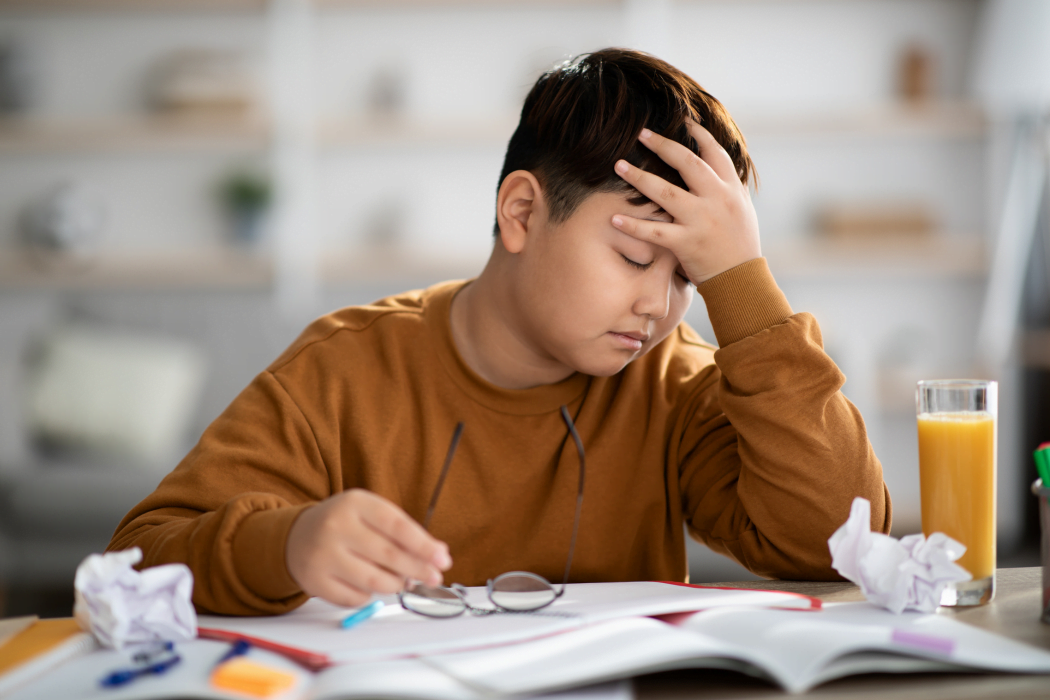
Migraine in children is a brain-based pain disorder that can cause recurring head pain, nausea, light or sound sensitivity, and missed normal activities. It is not simply a bad headache. Children may show migraine through behavior, stomach upset, dizziness, or a sudden need to sleep. The practical goal is simple: recognize the pattern early, know when symptoms need urgent care, and build a safe relief and prevention plan with a pediatric clinician.
Key Takeaways
- Symptoms vary: children may show pain, nausea, fatigue, dizziness, or behavior changes.
- Patterns matter: sleep loss, dehydration, skipped meals, stress, and screens often stack together.
- Diagnosis is clinical: history and a neurological exam usually guide the first decision.
- Treatment is layered: early rest, fluids, appropriate medicine, and prevention habits work together.
- Red flags need care: sudden severe headache, neurological symptoms, fever, or head injury should be assessed promptly.
How Migraine in Children Looks Different
Children often experience migraine differently than adults, so the signs can be easy to miss. Attacks may be shorter, and the pain may affect both sides of the head rather than one side. Some children describe throbbing pain. Others describe pressure, tightness, or a head that feels too heavy. Younger children may not have the words to explain pain clearly.
Behavior can be the strongest clue. A child may stop playing, avoid bright rooms, ask for quiet, lie still, become pale, or fall asleep during an attack. Nausea and vomiting are common. Some children also feel dizzy, sensitive to motion, or unusually tired afterward. Photophobia (light sensitivity) and phonophobia (sound sensitivity) can appear as squinting, covering the ears, or wanting to leave a noisy place.
Family history can raise suspicion, but it does not prove the diagnosis. A child can have migraine even when no parent has been diagnosed. Stress, puberty, illness, dehydration, irregular meals, and sleep disruption can all lower the threshold for an attack. The issue is usually not one trigger by itself. It is often a cluster of small pressures landing on the same day.
Why it matters: Naming the pattern reduces blame and helps adults respond earlier.
Symptoms, Aura, and Patterns Worth Tracking
The most useful symptom clues are repeatable patterns that interrupt normal function. A single headache after a long day may not mean much. Recurrent episodes that make a child stop schoolwork, miss practice, vomit, or seek a dark room deserve closer attention.
- Head pain: throbbing, pressure, or pain at the forehead, temples, or both sides.
- Stomach symptoms: nausea, vomiting, poor appetite, or belly pain during attacks.
- Sensory symptoms: discomfort with light, sound, smells, screens, or busy rooms.
- Behavior changes: irritability, quietness, crying, withdrawal, or sudden sleepiness.
- Motion sensitivity: worse pain with running, climbing stairs, car rides, or sports.
Some children have migraine with aura in children, meaning temporary sensory or neurological symptoms before or during the attack. Visual aura may look like shimmering lines, spots, blurred patches, or tunnel-like vision. Other aura symptoms can include tingling, speech difficulty, or brief dizziness. Aura usually develops gradually and resolves, but new neurological symptoms should be discussed with a clinician.
Children can also have migraine-related patterns where head pain is not the main feature. Abdominal migraine may cause repeated belly pain with nausea and fatigue. Some children have dizziness-heavy attacks that overlap with vestibular migraine. Cyclic vomiting episodes can also raise migraine questions, especially when there is a family history or a predictable attack pattern.
A diary helps turn scattered events into useful information. Track sleep, meals, fluids, stress, screen time, exercise, weather changes, menstrual cycles in adolescents, medicines used, and how long recovery took. Keep it brief. A few lines after each attack are more useful than a perfect chart that nobody maintains.
Migraine, Tension Headache, or Something Else?
Migraine usually causes more disability than a typical tension-type headache. The distinction matters because it shapes the plan at home, at school, and in the clinician’s office. It also helps families avoid treating every head pain as an emergency while still taking concerning changes seriously.
| Feature | More Typical of Migraine | More Typical of Tension-Type Headache |
|---|---|---|
| Pain pattern | Moderate to severe, throbbing or pressure-like, often episodic | Mild to moderate, steady, band-like, or tight |
| Activity effect | Running, stairs, or busy movement may worsen symptoms | Routine activity often remains possible |
| Stomach symptoms | Nausea, vomiting, or appetite loss may occur | Nausea is uncommon |
| Sensory symptoms | Light, sound, odors, or screens may feel intolerable | Sensory sensitivity is less prominent |
| Child behavior | Child may lie still, sleep, or withdraw from normal activities | Child may continue school, play, or conversation |
Function is often the clearest sign. If a child repeatedly stops play, leaves class, avoids light, vomits, or sleeps to recover, migraine becomes more likely. If pain is mild, short-lived, and does not change activity, a simpler headache pattern may fit better. Still, patterns can overlap, and a clinician should assess persistent, worsening, or confusing symptoms.
Sinus problems, eye strain, infection, concussion, medication effects, and anxiety can also contribute to head pain. This does not mean the symptoms are imagined. It means the care team needs a careful history before choosing a plan.
When Headaches Need Same-Day or Emergency Care
Some headache patterns need prompt medical evaluation, even if a child has migraine history. Seek urgent care for a sudden severe headache, a first or worst headache, or pain that escalates rapidly. New weakness, numbness, confusion, fainting, seizure-like activity, trouble speaking, or vision loss should be assessed right away.
Other warning signs include fever with neck stiffness, headache after a significant head injury, persistent vomiting, severe early-morning headache, or headaches that repeatedly wake a child from sleep. A new headache pattern in a child with cancer, immune suppression, a bleeding disorder, or a shunt also deserves urgent attention.
These warning signs do not always mean something dangerous is happening. They mean the situation needs a clinician’s judgment. Parents and caregivers should trust clear changes from a child’s usual pattern, especially when symptoms look neurological or recovery is incomplete.
Diagnosing Migraine in Children Without Unneeded Tests
Diagnosing migraine in children usually starts with the story, not a scan. Clinicians ask about attack timing, pain location, nausea, light or sound sensitivity, triggers, family history, school impact, and recovery. They also ask what the child was doing before symptoms began and what helped afterward.
A focused neurological exam checks vision, eye movements, coordination, reflexes, strength, sensation, balance, and general development. When the story fits migraine and the exam is normal, imaging is often unnecessary. MRI or other tests may be considered when red flags, abnormal exam findings, injury, or an unusual pattern changes the risk picture.
Before the visit, bring a short diary and a practical summary. Note how many school days were missed, whether the child vomited, whether symptoms improved after sleep, and which medicines were used. Include other health conditions, supplements, and family migraine history. If possible, ask the child to describe the pain in their own words.
Quick tip: Bring the diary, not just memory, because attack details blur quickly.
If a referral is needed, a pediatrician may involve neurology, ophthalmology, psychology, or another specialty based on the pattern. Families who want broader background on nervous-system topics can browse the Neurology Hub for related educational reading.
Treating Migraine in Children: Relief, Medicine, and Home Care
Treatment works best when it is planned before the next attack. A written plan tells the child, family, school nurse, and coaches what to do at the first signs. Early steps often include a quiet dark room, fluids, a light snack if a meal was missed, a cool cloth, and reduced screen exposure. These supports can make the child more comfortable while the care plan takes effect.
Home remedies should be framed as supportive care, not as a guaranteed cure. Regular hydration, steady meals, sleep routines, relaxation breathing, and gentle stretching may reduce vulnerability over time. During an attack, forcing food, exercise, or bright activity can backfire. Many children recover better when adults lower noise, reduce demands, and keep instructions simple.
Child migraine medicine should be chosen with a pediatric clinician because age, weight, other conditions, and prior response matter. Some children may use an age-appropriate pain reliever early in the attack. If nausea is prominent, a clinician may consider an antiemetic (nausea-reducer). For some older children and adolescents, triptans or other prescription options may be considered when appropriate. Families should not share adult migraine prescriptions or repeat doses beyond the written plan.
Medication overuse can make headaches more frequent or harder to control. If a child needs rescue medicine often, that is a reason to revisit the plan rather than keep escalating at home. Bring a record of how often medicine was used, how soon it was taken, and whether the child returned to normal activity.
Some families hear the phrase pediatric migraine cocktail in emergency or urgent-care settings. That usually refers to clinician-supervised combinations of fluids, nausea medicine, pain medicine, or other treatments based on the situation. It is not a home recipe and should not be recreated without medical direction.
Preventive medicine may be discussed when attacks are frequent, disabling, prolonged, or causing major school absence. Prevention decisions are individualized. Clinicians consider sleep, mood, other diagnoses, growth, side effects, and family preferences. The aim is better function, not simply fewer entries in a diary.
Prevention, School Supports, and Daily Confidence
Pediatric migraine prevention begins with predictable routines. Consistent wake times, regular meals, enough fluids, and planned screen breaks can reduce stacked triggers. Extreme weekend sleep-ins, skipped breakfast, intense heat, long tournaments, or test-week stress may all contribute when combined.
Movement helps many children when it is regular and not forced during attacks. Walking, swimming, cycling, dance, and active play can support sleep and stress regulation. Relaxation skills can also help. Cognitive behavioral therapy (a skills-based approach to thoughts and actions) and biofeedback (learning control using real-time body signals) may be useful for some children with recurrent headaches.
School support should be simple and predictable. A clinician’s note can outline hydration access, snack flexibility, rest breaks, reduced screen brightness, and a quiet place to recover. The plan should also state when parents should be contacted and when urgent care is needed. Teachers do not need every medical detail. They need clear steps that protect learning and dignity.
Adolescents may need extra privacy and shared decision-making. Migraine can affect sports, social plans, exams, and mood. Teens may also have menstrual-related patterns or sleep schedules that shift later. Respectful planning helps them notice early symptoms without feeling controlled by the diagnosis.
For child-health topics beyond headache care, the Pediatrics Hub can help families find related educational resources. Use those resources for background, then bring child-specific questions to the care team.
Authoritative Sources
The sources below support the clinical framework used in this educational article. They do not replace your child’s care team.
- NINDS Migraine Overview explains migraine as a neurological disorder and summarizes common symptoms.
- AAN Acute Treatment Guideline reviews evidence-based acute treatment considerations for children and adolescents.
- ACR Headache Imaging Criteria outlines when imaging may or may not be appropriate for headache evaluation.
Migraine in children becomes easier to manage when adults recognize the pattern, respond early, and avoid panic. Start with a diary, a pediatric visit, and a school plan that fits the child’s real day. Review the plan when symptoms change, during growth spurts, or when school demands increase.
This content is for informational purposes only and is not a substitute for professional medical advice.


