

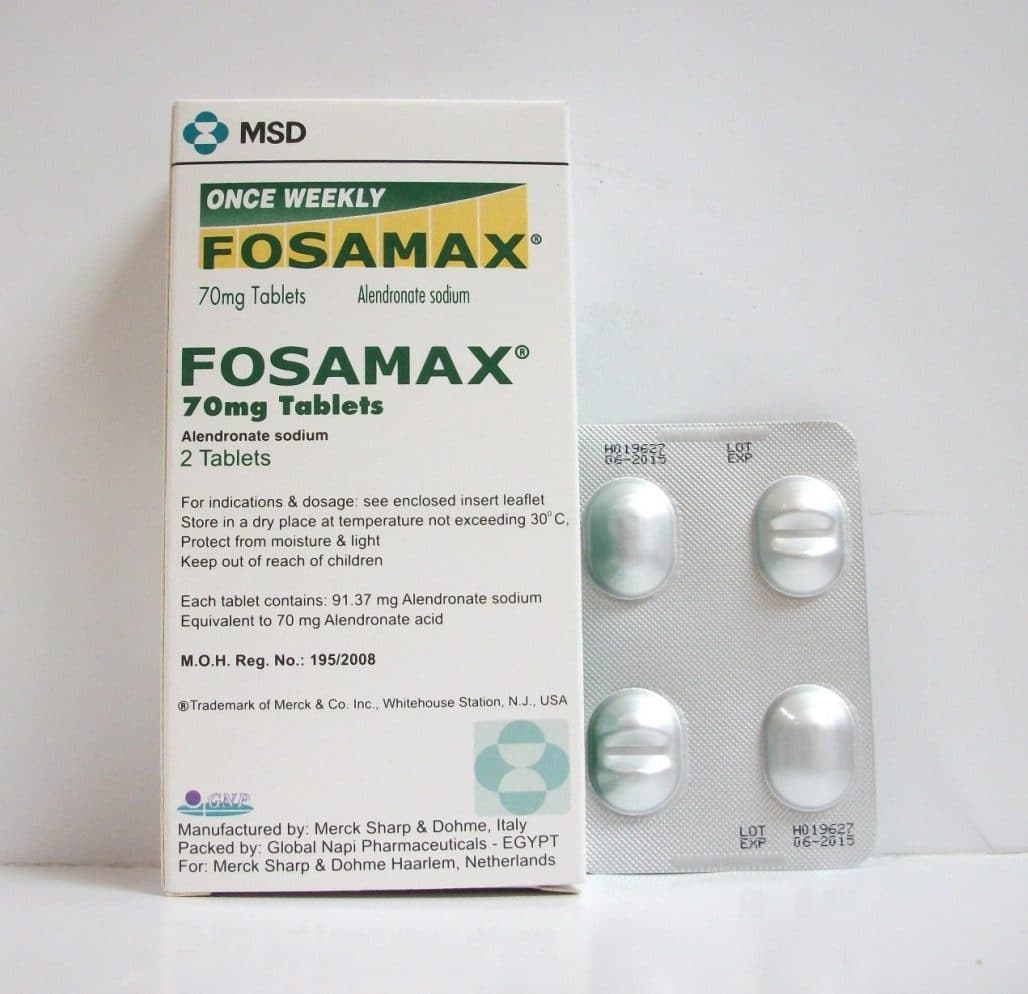
The fosamax generic name is alendronate. Fosamax is the brand name, while alendronate is the established medicine name clinicians and pharmacists use for prescribing, safety checks, and refill records. Knowing both names helps you recognize the same treatment across labels, visit summaries, pharmacy paperwork, and reliable health resources.
Alendronate belongs to a medicine class called bisphosphonates. These medicines slow bone breakdown, which may help protect bone strength in people with osteoporosis or certain other bone conditions. The details matter because this medication has strict timing rules. Small routine changes can affect absorption and throat irritation risk.
Key Takeaways
- Generic name: Fosamax is alendronate.
- Drug class: It is a bisphosphonate.
- Main use: It helps reduce bone loss.
- Timing matters: Take it with plain water only.
- Safety watch: Report swallowing, chest, jaw, or thigh pain.
What the Fosamax Generic Name Means
The fosamax generic name matters because many medication lists use generic names first. A prescription bottle may say alendronate even if your clinician mentioned Fosamax during the visit. That does not automatically mean the treatment changed. It often means the pharmacy dispensed the generic version of the same active ingredient.
Generic names also reduce confusion when several brands or manufacturers exist. If you enter a hospital, see a dentist, or compare refill labels, the word alendronate helps different professionals identify the same active medicine. This is especially useful when you take several prescriptions or supplements.
Alendronate is commonly written as alendronate sodium on labels. The sodium part describes the salt form used in the tablet, not a separate active treatment goal. If your label, visit note, or pharmacy record looks different from what you expected, ask the pharmacist to confirm the active ingredient before assuming there was a mistake.
Why it matters: Brand and generic name confusion can lead to duplicate therapy or missed safety instructions.
Where Alendronate Fits in Bone Health Care
Alendronate is used to help prevent or treat bone loss in selected adults. It is most often discussed in osteoporosis care, including postmenopausal osteoporosis and some cases of bone loss related to long-term corticosteroid use. Clinicians may also consider it for some men with osteoporosis, depending on fracture risk and test results.
Osteoporosis means bones have become weaker and more likely to fracture. It often develops silently, so a bone density test may reveal risk before a fracture occurs. If you want more context on warning signs and diagnosis, see Early Signs of Osteoporosis.
The decision to use alendronate is not based on age alone. Clinicians weigh fracture history, bone density, fall risk, kidney function, swallowing problems, dental plans, and current medications. These factors help determine whether a bisphosphonate is suitable or whether another option may fit better.
For a deeper look at indications, see Alendronate Uses. For class-level context, Bisphosphonate Drugs explains how related medicines are grouped and compared.
Why Weekly Dosing Is Common
Weekly alendronate is common because the medicine binds strongly to bone surfaces. After absorption, it becomes incorporated into areas where bone remodeling occurs. This bone-binding behavior allows some regimens to use a weekly schedule instead of a daily one, when prescribed that way.
You may see labels or discussions that mention alendronate sodium 70 mg once a week. That is a common adult regimen for certain indications, but it is not the right plan for everyone. Your prescriber chooses the dose and schedule based on the reason for treatment, your medical history, and the product dispensed.
The weekly routine can be convenient, but it is also easy to disrupt. Many people choose one consistent morning each week. A visible reminder can help, as long as it does not lead to taking the tablet with breakfast, coffee, supplements, or other medicines too soon.
How to take a weekly tablet safely
Take alendronate exactly as your prescription label states. In general, oral tablets are taken after waking, on an empty stomach, with a full glass of plain water. The tablet should be swallowed whole. You should remain sitting or standing for at least 30 minutes, and until after your first food of the day, unless your clinician gives different instructions.
These steps are not just routine details. Food, coffee, juice, mineral water, calcium, iron, magnesium, and antacids can reduce absorption if taken too close to the tablet. Lying down too soon can increase the chance of esophageal irritation, meaning irritation in the tube that carries food from your mouth to your stomach.
If you are comparing instructions across labels, Alendronate Mechanism of Action explains why this medicine behaves differently from many daily pills.
Foods, Drinks, and Medicines to Separate
Plain water is the safest drink to use with alendronate. Coffee, tea, milk, juice, and mineral water may interfere with how much medicine your body absorbs. Breakfast should usually wait until the required spacing time has passed, based on your prescription directions.
Calcium supplements deserve special attention. Calcium is important for bone health, but it can bind alendronate in the gut if taken too close together. The same concern may apply to iron, magnesium, multivitamins, and antacids. Ask your pharmacist how to space your full medication list, including non-prescription products.
People often ask whether they can take alendronate in the afternoon. The answer depends on whether the same empty-stomach and upright rules can be followed safely. Many afternoon routines include food, coffee, supplements, or reflux triggers, so morning dosing is often simpler. Do not change timing without checking your prescriber or pharmacist.
Quick tip: Keep the tablet away from your daily pill organizer if morning separation prevents mix-ups.
Side Effects and Warning Signs to Know
Alendronate can cause side effects, although many people tolerate it. Common concerns include stomach upset, heartburn, nausea, gas, constipation, diarrhea, and muscle, joint, or bone aches. These symptoms may be mild, but they still deserve attention if they persist or affect daily life.
Some symptoms need prompt medical guidance. Contact a clinician if you develop chest pain, new or worsening heartburn, pain when swallowing, trouble swallowing, or vomiting blood. These can signal irritation or injury in the esophagus or upper digestive tract. Seek urgent care for severe allergic symptoms, severe pain, or symptoms that feel rapidly worsening.
Rare but serious risks are part of long-term safety discussions. These include osteonecrosis of the jaw, a condition where jawbone healing is impaired, and atypical femur fractures, which are unusual fractures of the thigh bone. These events are uncommon, but the warning signs matter. Tell your clinician about new jaw pain, loose teeth, poor healing after dental work, or new thigh or groin pain.
Dental and jaw precautions
Good dental care can lower avoidable risk. Tell your dentist you take alendronate before extractions, implants, or other invasive dental procedures. Routine cleanings are still important, and dental symptoms should not be ignored. Your prescriber and dentist can discuss timing if major dental work is planned.
People sometimes search for Fosamax side effects on teeth. The main concern is not ordinary tooth decay caused by the medicine. The important rare issue is jawbone healing trouble, especially around invasive dental procedures or in people with additional risk factors. Your dental team can help separate common dental problems from symptoms that need medical review.
Missed Doses, Exercise, and Daily Routine
If you miss a weekly dose, follow the patient instructions that came with your prescription. Many labels advise taking one dose the morning after you remember, then returning to the regular weekly day. However, you should not take two doses on the same day. Confirm the plan with your pharmacist if the label is unclear.
Exercise can support bone health, balance, and fall prevention, but it should match your fitness level and fracture risk. After the required upright period and first meal, light activity is often reasonable unless your clinician has advised restrictions. Report new thigh, hip, groin, chest, or severe bone pain before pushing through exercise.
Weight-bearing activity, strength training, and balance work may all have a role in bone health. The right plan depends on your fracture history, pain, mobility, and fall risk. For general activity context, see Exercise and Bone Health.
How Long Treatment May Continue
Alendronate treatment length varies by fracture risk and response. Some people use it for a defined period and then have their risk reassessed. Others may continue longer when fracture risk remains high. This review often includes bone density results, fracture history, tolerance, age, and other medical factors.
Because alendronate binds to bone, its effects can persist after stopping. That persistence is one reason clinicians sometimes discuss a planned pause, often called a drug holiday, for selected lower-risk patients. This is not the same as stopping on your own because you feel well. Bone loss and fracture risk can be silent.
If side effects lead you to stop, tell your clinician what happened and when. Details such as swallowing pain, reflux, jaw symptoms, or thigh pain can change the next step. Your care team may consider another bisphosphonate, a different medication class, or non-drug measures depending on your situation.
Alternatives and Related Options
Alendronate is only one option in osteoporosis care. Other bisphosphonates, such as risedronate, may be considered when schedule, tolerance, or clinical factors differ. Non-bisphosphonate treatments may also be appropriate for some people, especially when fracture risk is high or oral bisphosphonates are not suitable.
Replacement choices are individualized. A good comparison includes kidney function, reflux or swallowing problems, dental procedures, fracture history, injection preferences, and monitoring needs. Avoid assuming one alternative is universally better. The best fit depends on the clinical reason for treatment and your overall risk profile.
For navigation, BorderFreeHealth lists medication pages separately from educational content. You can review Alendronate Tablets for product-name familiarity, or compare related medicine names such as Actonel Tablets and Prolia Prefilled Syringe before discussing options with a clinician. These pages should not replace prescribing advice.
To browse broader condition education, the Bone and Joint Health collection may help you prepare questions about fracture prevention, exercise, and monitoring.
Authoritative Sources
For patient-friendly drug information, review the MedlinePlus alendronate medicine summary. It covers common warnings, use instructions, and symptoms to report.
For clinical background on uses and adverse effects, the Mayo Clinic alendronate oral route page offers a structured overview for patients.
For dental safety context, the American Dental Association osteoporosis medications resource discusses oral health considerations for people using these therapies.
Recap
The fosamax generic name is alendronate, and that name is the key to recognizing the medicine across labels and medical records. Safe use depends on more than the tablet itself. The timing, water-only instructions, upright posture, dental communication, and early symptom reporting all help reduce avoidable problems.
Bring your full medication and supplement list to appointments. Ask how to space calcium, iron, antacids, coffee, and breakfast. If you have swallowing trouble, severe reflux, planned dental surgery, kidney disease, or new thigh or jaw pain, raise those issues before your next dose decision.
This content is for informational purposes only and is not a substitute for professional medical advice.


