

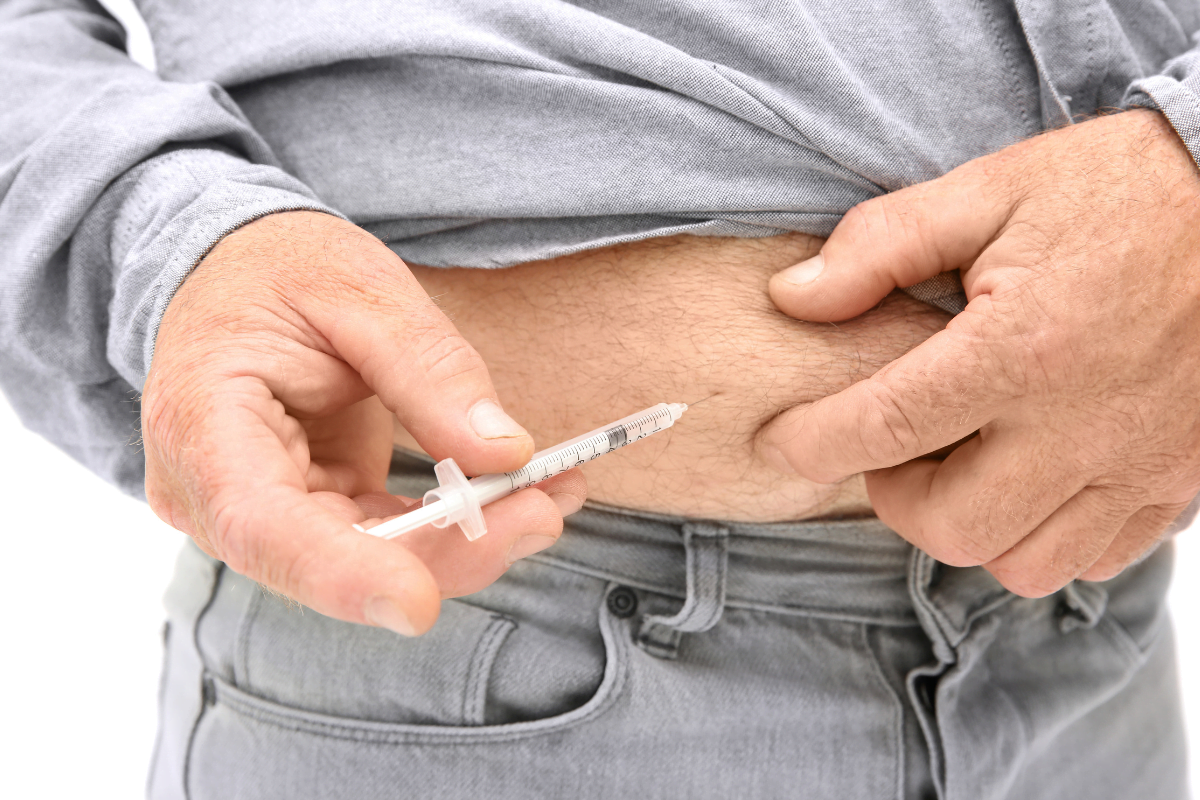
Ozempic is injected under the skin in the abdomen, thigh, or upper arm. The safest injection sites for ozempic are areas with enough fatty tissue, away from scars, bruises, moles, irritated skin, or the navel. Good placement matters because the medicine is intended for subcutaneous use, meaning it goes into the fat layer just below the skin, not into muscle or a vein.
This page keeps the focus practical. You will learn how to choose a site, rotate spots, reduce stinging, and recognize when a skin reaction needs medical attention. Always follow the Instructions for Use that came with your pen and any guidance from your prescriber or pharmacist.
Key Takeaways
- Approved areas: Use abdomen, thigh, or upper arm.
- Correct layer: Inject into subcutaneous tissue, not muscle.
- Rotate weekly: Change the exact spot each time.
- Avoid damaged skin: Skip bruised, hard, swollen, or scarred areas.
- Ask for help: Use the upper arm only if someone can reach it safely.
Where the Injection Should Go
The three labeled injection areas are the front of the abdomen, the front or outer thigh, and the back of the upper arm. Within those areas, choose skin you can see, clean, and hold steady. Many people find the abdomen easiest because it offers more visibility and control. Keep the shot at least two inches from the belly button.
The thigh can also work well, especially if you prefer sitting down and watching the pen during the injection. Use the front or outer thigh where there is a soft layer under the skin. Avoid the inner thigh, because it can be more sensitive and harder to keep still.
The upper arm is allowed, but it is often hard to inject there correctly by yourself. If this site is used, another trained adult should give the injection into the fatty tissue at the back of the upper arm. Reaching awkwardly can change the angle and may increase discomfort.
There is no reliable evidence that one approved site produces better weight loss than another when the pen is used correctly. The “best” place is usually the one you can reach, clean, and rotate consistently. If you are using semaglutide for a prescribed purpose and want broader background on forms and next steps, see Semaglutide Basics.
Why it matters: A calm, repeatable site choice can reduce errors and make weekly dosing less stressful.
Stomach, Thigh, or Arm: How to Choose
Choosing between the abdomen, thigh, and upper arm is mostly about access, comfort, and skin condition. Each site can be appropriate if you reach the subcutaneous layer. Your body shape, clothing, mobility, and comfort with needles may affect what feels most manageable.
Abdomen
The abdomen is a common choice because it is easy to see and steady with both hands. Use the area on the front of the belly, while avoiding the navel and any tender or hardened patches. If you are learning how to inject in the stomach or belly, keep your hand relaxed and avoid pressing the pen into the skin with force.
Thigh
The thigh may feel easier if you prefer sitting during the injection. Rest the leg so the muscle is not tense. Choose a soft area on the front or outer thigh. Some people notice brief soreness in the thigh, but this does not mean the site is unsafe. Stinging or bruising often relates to technique, alcohol that has not dried, or muscle tension.
Upper arm
The upper arm can be useful when the abdomen or thigh is irritated. The challenge is reach. If you twist to inject your own arm, you may lose control of the pen angle. Ask your care team to demonstrate the site if you plan to use it.
Readers often ask whether stomach or thigh injections cause fewer side effects such as nausea. Nausea is a systemic medication effect, not usually a skin-site effect. Changing sites may help local soreness, but it should not be expected to prevent stomach-related side effects. For practical symptom context, read Managing Side Effects of Ozempic.
Using the Pen: Subcutaneous Technique Basics
The pen is designed for subcutaneous injection, so use it as directed rather than transferring medicine into a syringe. Online searches about how to inject Ozempic with a syringe can be confusing. For this product, the labeled method is the pen with a new compatible needle for each injection, unless a clinician gives specific individualized instructions.
Start by washing your hands and checking the pen label. Inspect the liquid through the pen window. Do not use it if it looks cloudy, discolored, contains particles, or appears damaged. Attach a new needle as described in the pen instructions. If your pen requires a flow check before first use, follow the device steps carefully.
Clean the chosen site with an alcohol swab and let it dry fully. Wet alcohol can sting. Hold the pen straight against the skin, usually at a 90-degree angle. Press and hold the dose button as directed, then keep the needle in place for the required count so the full dose has time to enter the tissue.
Whether you pinch the skin depends on body build and site. Many adults can inject at 90 degrees without pinching in the abdomen. A gentle pinch may help if you are lean, using the thigh, or worried about reaching muscle. Do not squeeze hard, because that can increase pain or bruising.
If you are building a weekly routine around work, meals, or travel, Incorporating Ozempic Into Your Lifestyle can help with planning habits that do not depend on memory alone. For trips, storage checks, and packing reminders, see Traveling With Ozempic.
How to Rotate Sites Without Overthinking It
Rotation means using a different exact spot each time, even if you stay within the same general area. This helps protect the skin from repeated punctures. It may also lower the chance of small lumps, tenderness, or bruised patches developing over time.
A simple rotation plan works better than a complicated chart. For the abdomen, imagine four zones: upper left, upper right, lower left, and lower right. Move through those zones week by week, staying at least one inch away from the last puncture and at least two inches from the navel. For the thigh, alternate between legs and move from upper to middle to lower outer areas.
If you prefer a visual tool, draw a small grid in a notebook or phone note. Mark the date and the general area, not a medical record-level diagram. This can serve the same purpose as an Ozempic injection site rotation chart without making the routine harder than it needs to be.
| Week | Example Area | Rotation Reminder |
|---|---|---|
| 1 | Lower left abdomen | Stay away from the navel. |
| 2 | Lower right abdomen | Move at least one inch from prior spots. |
| 3 | Outer left thigh | Keep the leg relaxed. |
| 4 | Outer right thigh | Avoid bruised or sore skin. |
Quick tip: If a spot is tender, skip that small area until it fully settles.
Comfort Problems and Small Skin Reactions
Mild redness, a tiny drop of blood, short-lived stinging, or a small bruise can happen after an injection. These reactions usually improve without special treatment. Still, you should watch the area and avoid repeating injections into skin that feels hard, warm, swollen, or painful.
Several technique changes may improve comfort. Let the alcohol dry before injecting. Relax the muscle under the site. Use a steady hand rather than pushing the pen deeply into the skin. If the pen has been refrigerated, allow it to sit at room temperature for a short period if the product instructions permit this.
Needle changes also matter. Use a new needle each time and dispose of it safely after the injection. Reusing needles can make injections more painful and may increase the risk of blockage or skin irritation. If you need general needle navigation, BD Nano Pro Pen Needles provides product context for compatible pen-needle discussions with a pharmacist or prescriber.
Seek medical advice promptly if redness spreads, the area becomes hot, pus appears, or you develop fever. Get urgent care for widespread hives, throat tightness, wheezing, facial swelling, or trouble breathing. Those symptoms may suggest a serious allergic reaction.
When the Pen Looks Full or Something Goes Wrong
An Ozempic pen may still look full after one or more injections because it is designed to contain multiple doses. Do not judge the dose by the amount of liquid you think you see. Use the dose selector and dose window as directed in the pen instructions.
If you see a small air bubble, it may not mean the pen is unsafe. Large bubbles, no flow, or a jammed device should be handled by reviewing the Instructions for Use or contacting the manufacturer or pharmacy support channel listed with the product. Do not force a stuck pen or try to repair the device.
If liquid leaks from the skin after injection, note what happened. Common causes include removing the needle too soon, not holding the button long enough, or using a site with little fatty tissue. Do not repeat a dose unless your prescriber tells you to. Taking extra medicine can increase the risk of side effects.
If you think the needle went into muscle, do not panic. Mark the site, watch for unusual pain or symptoms, and contact your care team for advice. Intramuscular placement may be more painful and is not the labeled route for this medicine. Route matters across injectable medicines, which is one reason device-specific directions are important.
Visual Learning and Practice Support
Pictures and videos can make hand placement easier to understand, but they should match the current pen instructions. If you search for an injection sites diagram or a how-to video, compare it with the official Instructions for Use. Skip videos that recommend syringe transfer, unapproved body sites, or dose changes.
A nurse, pharmacist, or prescriber can watch your technique and correct small problems. This is especially helpful if you have tremor, vision changes, low hand strength, fear of needles, or repeated bruising. If another person will inject your upper arm, ask them to attend the demonstration too.
For people using Ozempic as part of type 2 diabetes care, broader education may also help. You can browse the Type 2 Diabetes collection for related reading, or view the Type 2 Diabetes Condition page for navigation to relevant medication topics. If access questions come up, BorderFreeHealth connects U.S. patients with licensed Canadian partner pharmacies, and prescription details may be verified with the prescriber when required before dispensing.
Authoritative Sources
For device-specific steps, dose-window instructions, and approved injection areas, review the official Ozempic pen instructions from the manufacturer.
For regulatory prescribing details, warnings, and approved use information, consult the FDA Drugs@FDA Ozempic record.
For broader injection technique principles in diabetes care, the American Diabetes Association injection technique review explains site rotation, needle use, and subcutaneous placement concepts.
Recap
The approved injection sites for ozempic are the abdomen, thigh, and upper arm. Pick a site you can use safely, rotate the exact spot, and avoid irritated or damaged skin. Use the pen only as directed, and ask for a technique check if injections often hurt, leak, or leave repeated bruises.
Small adjustments can make the routine feel less intimidating. A written rotation note, a calm setup, and reliable instructions can help you stay consistent without guessing.
This content is for informational purposes only and is not a substitute for professional medical advice.


