

Key Takeaways
- Fast-acting NSAID: Robenacoxib can reduce pain and inflammation.
- Short courses are common: Many cats use it after surgery.
- Stomach upset can happen: Vomiting or appetite changes should be watched.
- Kidney and liver health matters: Some cats need closer monitoring.
- Follow the plan: Dosing and duration should match your veterinarian’s directions.
When a cat slows down, hides, or stops jumping, it can be hard. Many people start searching because they want their cat comfortable again. Onsior for cats often comes up when pain and inflammation are part of the picture.
This article walks through what the medicine is, what it may help with, and what to watch for. You’ll also find practical tips for giving it safely, plus questions to ask your veterinarian.
Robenacoxib Basics for Cat Pain and Inflammation
Onsior is the brand name for robenacoxib, a veterinary NSAID (nonsteroidal anti-inflammatory drug). NSAIDs reduce inflammation and can ease pain by blocking cyclooxygenase (COX) enzymes involved in inflammatory signaling. In plain terms, that can mean less soreness and better movement for some cats.
For many households, the main goal is quality of life. Better comfort may show up as easier walking, improved grooming, or more willingness to climb stairs. If you’re unsure whether a behavior change is pain-related, it can help to review common clues in Cat In Pain Signs for a quick at-home checklist.
Robenacoxib is formulated specifically for cats and dogs, but indications differ by species and country. In the U.S., labeled use for cats focuses on short-term pain and inflammation tied to surgery, based on the product’s approved labeling and studies. For the most current details, see FDA labeling in the official animal drug database.
Note: Pain control is often a “package,” not a single pill. Your veterinarian may also recommend rest, incision care, and follow-up checks.
Onsior for cats: Uses, Timing, and What to Expect
The most common labeled use in many settings is controlling post-operative pain and inflammation. That can include recovery after orthopedic or soft-tissue procedures, where swelling and tenderness are expected. Some veterinarians may also consider it for other painful inflammatory conditions, depending on local regulations and a cat’s overall health.
It helps to set realistic expectations. This medicine may reduce pain signals and inflammation, but it won’t fix the underlying cause by itself. If a cat’s mobility problems are from arthritis (degenerative joint disease), weight management, joint-friendly activity, and home adjustments can matter just as much. For broader context on joint comfort, Arthritis Awareness Month reviews simple ways to support daily movement.
Also keep the “why” clear: Onsior is not an antibiotic and does not treat infections directly. If urinary signs like straining, frequent trips to the litter box, or blood in urine appear, those symptoms deserve prompt veterinary attention for proper testing.
Dosing Choices Your Veterinarian Makes
Because cats vary widely in size and medical history, dosing decisions are individualized by a veterinarian. The labeled instructions are weight-based and time-limited, and they can differ between tablets and injectable forms. Your veterinarian may weigh several factors before recommending any NSAID, including age, hydration status, and other medications.
People often search for an Onsior for cats dosage, but it’s safer to think in terms of a plan rather than a number. The plan includes the dose strength, how often it’s given, and how long it’s used. It may also include follow-up, especially for cats with chronic conditions or those who need pain control more than a few days.
In many clinics, monitoring is part of good NSAID stewardship. Baseline bloodwork may be recommended for some cats, particularly older cats or those with known kidney or liver concerns. That way, the care team can look for risk factors before and during treatment.
| Decision Point | Why It Matters | What You Can Share |
|---|---|---|
| Body weight | Helps select the correct tablet strength | Recent weight from a clinic visit |
| Hydration and appetite | Dehydration can raise NSAID risk | Eating/drinking changes, vomiting, diarrhea |
| Kidney and liver history | These organs help process and clear drugs | Past lab results or diagnoses |
| Other medicines | Some combinations increase side-effect risk | Prescription, OTC, and supplements list |
Timing: When It Starts and When It Wears Off
It’s normal to wonder how quickly a cat might feel better, especially after surgery. Many cats show comfort changes within hours, but behavior can be subtle. A quieter cat may rest more as anesthesia wears off, even when pain control is adequate.
Another common question is how long does Onsior last in cats. Duration can depend on the formulation, the cat’s health, and the specific condition being treated. Instead of watching the clock, it can help to track function: posture, interest in food, grooming, and willingness to move. If pain behaviors break through between doses, that is a reason to call the clinic rather than “double up” at home.
Tip: Write down two daily observations (activity and appetite). Patterns are often more informative than single moments.
Giving Onsior at Home: Tablets, Food, and Handling
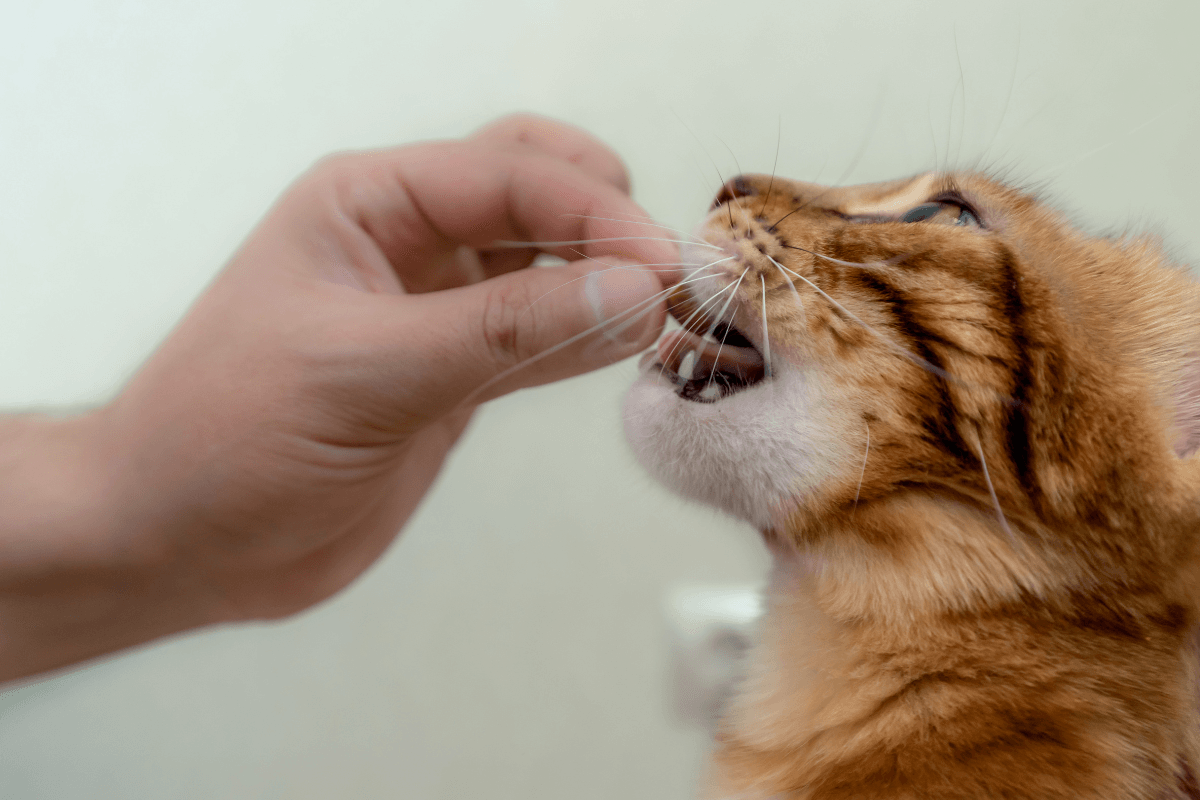
Clinic instructions should always come first, but day-to-day technique can make a big difference. Onsior may be given as a tablet, and some cats take it more easily with a small treat or a pill pocket. Others do best with a gentle “pill popper” device recommended by a veterinary team.
If you’re searching for Onsior for cats how to give, focus on calm, consistent routines. Choose a quiet room, use a confident but gentle hold, and follow with a small reward if your cat can eat. If your cat is recovering from surgery, ask the clinic which treats are safe and how to avoid tugging near incision sites.
If you want to compare available formulations before you talk with your veterinarian, you can see the labeled form and strengths on Onsior Cat for quick reference on what a tablet product looks like. For some cats who cannot take tablets, veterinarians may consider other approaches or routes, depending on the situation.
Can Onsior Be Crushed or Split? What to Ask First
Many cat parents ask can Onsior for cats be crushed when pilling is a struggle. The safest next step is to ask your veterinarian or pharmacist before changing how a medicine is given. Crushing or splitting can affect dosing accuracy, taste, and how the drug is absorbed.
Even when a tablet has a score line, that does not always mean it should be divided for cats. Small dose changes can matter more in smaller bodies. If pilling is not working, clinics can sometimes suggest technique changes, different treat strategies, or a different medication plan that fits your cat’s needs.
It’s also worth asking about timing with meals and other medicines. Some cats tolerate NSAIDs better with food, while others have specific instructions. If nausea or food refusal is already present, your veterinarian may want to reassess the approach rather than pushing through.
Possible Side Effects and When to Call the Vet
Like all NSAIDs, Onsior can cause side effects, and most are related to the digestive tract. Vomiting, softer stool, diarrhea, or reduced appetite are among the more commonly discussed concerns. When people search Onsior for cats side effects, they often want to know what is “normal” after surgery versus what needs medical attention.
Call your veterinarian promptly if vomiting is repeated, if diarrhea is persistent, or if your cat stops eating. Also reach out if you see black, tarry stool, blood in vomit or stool, extreme lethargy, collapse, or signs of dehydration. Those are not issues to monitor at home without guidance.
Some cats seem sleepier while recovering, and it can be hard to tease apart medication effects from healing, anesthesia after-effects, or pain itself. If sedation feels out of proportion, or your cat is difficult to rouse, it’s reasonable to check in. For general support in tracking and describing reactions, Side Effects Management offers a structured way to document symptoms and timelines for a clinician.
Serious reactions are less common, but they are the reason clinics emphasize close observation. The best safety step is early communication, not waiting until a cat is clearly unwell.
Interactions and Higher-Risk Situations (Kidney, Liver, Dehydration)
NSAID safety depends heavily on the whole health picture. Cats with kidney disease, dehydration, low blood pressure, or liver problems may have higher risk from NSAIDs, because these drugs can affect blood flow to the kidneys and irritate the gastrointestinal tract. Your veterinarian may recommend lab work or an alternative pain plan if risk factors are present.
Medication interactions matter too. Combining NSAIDs with corticosteroids (like prednisone) can raise gastrointestinal risk, and combining NSAIDs together is generally avoided. Some cats are also taking antibiotics or other medicines after surgery; the clinic can confirm which combinations are appropriate. If your cat is prescribed an antibiotic and you want a neutral overview of what questions to ask about overlap, Doxycycline Uses And Safety outlines common monitoring topics to discuss.
Chronic conditions can change the plan. For example, diabetes can increase vulnerability to dehydration during illness, which can complicate NSAID use. If your cat has multiple diagnoses, Understanding Pet Diabetes can help you organize the health history you share with the clinic.
For additional regulatory details outside the U.S., some readers review EMA product information alongside local veterinary guidance. Labeling can vary by country, so local instructions should lead.
Alternatives and Comparisons: Other NSAIDs and Supportive Care
If a cat cannot use robenacoxib, veterinarians may discuss other pain-control options. Another veterinary NSAID sometimes used in cats is meloxicam, which comes in oral forms in some regions. The right choice depends on the indication, the cat’s age and kidney status, and the clinician’s assessment of risks and benefits.
If you’re comparing options because pilling is difficult, you may hear about liquid formulations. For example, Metacam Oral Suspension is a product listing that can help you recognize a liquid NSAID format when discussing routes and handling with your veterinarian. This is not a substitute for medical guidance, but it can make conversations clearer.
Non-drug support can also change outcomes. Softer bedding, low-entry litter boxes, ramps to favorite spots, and short play sessions can reduce flare-ups. Weight management can be especially important for arthritis, because each jump carries extra load. When you need broader context across conditions and comfort strategies, browsing Pet Health can help you compare topics and terminology before your next visit.
Finally, trust your observations. If mobility improves on medication but declines soon after stopping, that is useful information for the clinician. It may point to ongoing pain that needs a longer-term plan, which could include different medicines, physical rehabilitation, or diagnostics.
Recap
Robenacoxib is an NSAID used to manage pain and inflammation in cats, commonly after surgery. The safest use comes from matching the dose and duration to a veterinarian’s plan, then watching closely for appetite changes, vomiting, diarrhea, or unusual tiredness. Extra care is often needed for cats with kidney or liver concerns, dehydration risk, or complex medication lists.
This content is for informational purposes only and is not a substitute for professional medical advice for your personal situation.


