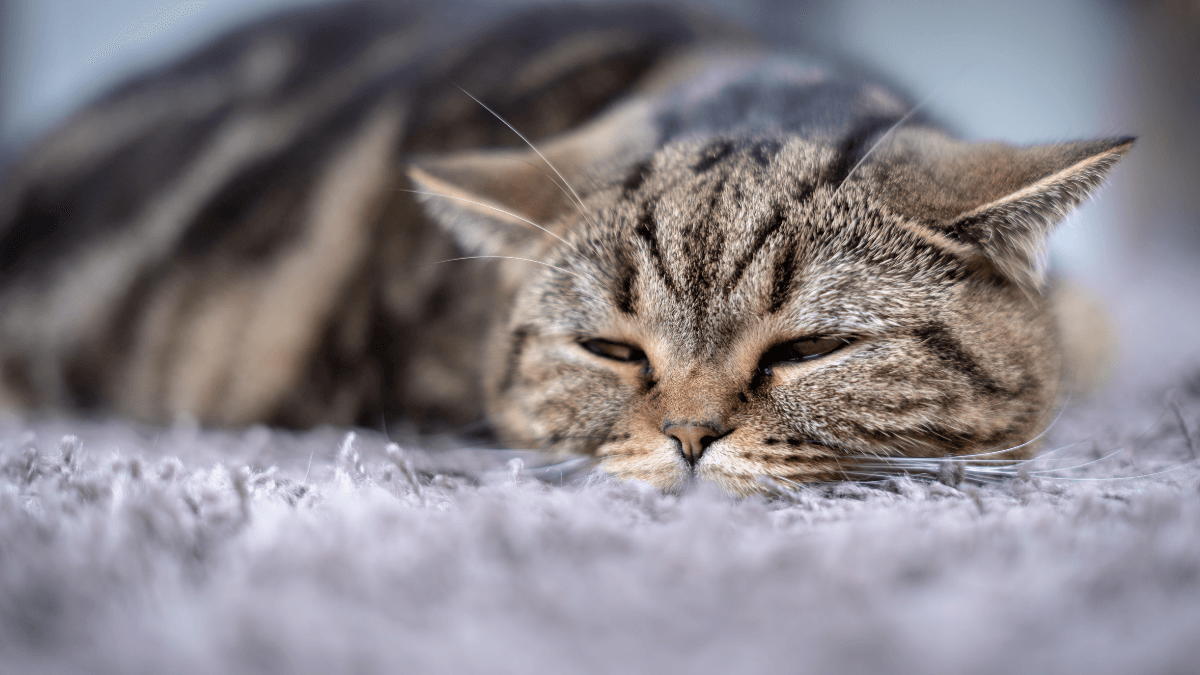
You can often tell a cat may be in pain by noticing changes from their normal routine: hiding, eating less, avoiding jumps, grooming differently, acting irritable, or using the litter box in unusual ways. Cats rarely show pain dramatically, so small shifts matter. Learning how to tell if your cat is in pain helps you spot trouble earlier and share useful details with your veterinarian.
The goal is not to diagnose the cause at home. Pain can come from dental disease, arthritis, injury, urinary problems, infection, abdominal illness, or many other conditions. Your job is to observe patterns, keep your cat safe, and know when veterinary care should not wait.
Key Takeaways
- Compare to baseline: A quiet change can be more meaningful than one loud symptom.
- Watch movement: Hesitating before jumps, stiffness, or a tucked posture can signal discomfort.
- Check routines: Appetite, grooming, social habits, and litter box use often change early.
- Document patterns: Short videos and simple notes help the vet assess pain.
- Avoid human medicines: Many common pain relievers are unsafe for cats.
How to Tell if Your Cat Is in Pain at Home
The clearest home clue is a change in behavior that lasts, repeats, or appears with other symptoms. Some cats become withdrawn. Others become clingy, restless, defensive, or unusually vocal. A cat who stops doing normal activities may be protecting a painful area.
Start with a calm scan when your cat is relaxed. Look at their posture, face, movement, appetite, grooming, and litter box habits. Compare today with their usual personality. A shy cat and a social cat may show pain differently, but both will often shift away from their own normal pattern.
Common warning signs include:
- Less jumping: Avoiding counters, beds, stairs, or window ledges.
- More hiding: Spending long periods under furniture or in closets.
- Appetite changes: Eating less, dropping food, or chewing on one side.
- Grooming shifts: Matted fur, dandruff, overlicking, or bald patches.
- Handling sensitivity: Flinching, growling, biting, or resisting being picked up.
- Litter changes: Straining, accidents, frequent trips, or crying in the box.
- Sleep disruption: Pacing at night or repeatedly changing resting spots.
Quick tip: Record a 10 to 20 second video of walking, jumping, resting, and any unusual behavior.
If you want related cat-care topics in one place, the Pet Health collection can help you browse broader wellness and medication-safety reading.
Body Language: Posture, Face, and Movement Clues
Body language often shows pain before a cat cries or limps. A painful cat may sit hunched, hold the head lower, tuck the legs tightly, or keep the tail still. Some cats look tense in the shoulders or abdomen. Others shift weight away from a sore limb.
A classic cat in pain posture can look like a compact “meatloaf” position that lasts longer than usual. The back may look rounded. The eyes may be partly closed. The ears may angle sideways, and the whiskers may pull back. These signs are not a diagnosis, but they are worth tracking.
Movement changes can be subtle. Your cat may still jump, but choose lower surfaces. They may pause before stepping down, use furniture as intermediate steps, or avoid stairs. Stiffness after sleep can point toward joint discomfort, especially in older cats. A messy coat over the hips or lower back can also mean grooming has become uncomfortable.
Watch for micro-avoidance. This means your cat still moves, but changes the route or method. They may stop using a tall scratching post because stretching hurts. They may enter the litter box more slowly or miss the edge because lifting the legs is harder.
For joint-related context, Onsior Cat Medicine discusses mobility and comfort topics that veterinarians may consider when assessing feline pain. It should not replace an exam, but it can help you prepare questions.
Daily Habits That Can Reveal Quiet Pain
Many cats show suffering through routine changes rather than dramatic distress. A cat in pain may stop greeting you, skip play, sleep in a new place, or avoid other pets. Some cats become short-tempered because normal touch or movement feels uncomfortable.
Eating changes deserve attention. Dental pain may cause drooling, pawing at the mouth, bad breath, dropping kibble, or chewing only on one side. Nausea or abdominal discomfort can lead to lip-licking, swallowing, sniffing food without eating, or repeated visits to the bowl.
Litter box behavior is especially important. Straining, crying, frequent attempts, or producing little urine can signal urgent problems. Constipation can also cause repeated box trips, restlessness, and a tense belly. Because urinary and digestive signs can look similar at home, prompt veterinary input is safer than guessing.
Grooming changes matter too. Overgrooming one area may point to local pain, itch, or irritation. Undergrooming may cause mats, flakes, or a dull coat. If your cat usually enjoys brushing but suddenly resists it, note where and when the reaction happens.
Why it matters: A pattern across appetite, litter habits, and movement is more useful than one isolated sign.
Vocalizing, Purring, and the Myth of the Crying Cat
A cat does not need to cry to be in pain. Some cats meow, yowl, growl, or hiss more than usual. Others become unusually quiet. Pain can also make a cat purr at unexpected times, because purring may occur during stress as well as comfort.
If you are asking how to tell if your cat is in pain but your cat is not crying, focus on function. Are they eating normally? Can they jump, climb, groom, and use the litter box? Do they still seek contact in their usual way? These practical measures often reveal more than vocal sound alone.
Nighttime changes can be confusing. A painful cat may pace, change sleeping spots, or seem unable to settle. Older cats may vocalize at night for several reasons, including sensory decline, cognitive changes, thyroid disease, high blood pressure, pain, or stress. Track timing, triggers, and any related litter box trips.
Sudden yowling, collapse, labored breathing, or crying while straining in the litter box should be treated as urgent. Do not wait to see if it passes, especially if your cat produces little or no urine.
Injuries, Abdominal Pain, and Other Signs That Need Care
Injuries are not always obvious in cats. A cat can slip, land awkwardly, fight with another animal, or develop soreness after a fall. They may still walk while hiding pain. Protective behavior is often the clue: guarding a leg, avoiding being lifted, or growling when approached.
Avoid pressing, stretching, or bending a suspected painful area. That can worsen discomfort and make your cat more fearful. Instead, restrict activity in a quiet room, keep essentials nearby, and use a sturdy carrier if transport is needed.
Abdominal pain can look like a tight body, poor appetite, vomiting, diarrhea, constipation, or a sudden dislike of being held. Some cats sit tucked for long periods. Others stretch out more than usual, as if trying to relieve pressure. Belly discomfort can overlap with urinary problems, so details matter.
Call a veterinarian promptly if your cat has any of these signs:
- No appetite: Refusing food or eating far less than normal.
- Urinary strain: Repeated box trips, crying, or little urine.
- Breathing trouble: Open-mouth breathing or visible effort.
- Sudden weakness: Collapse, severe limping, or inability to rise.
- Possible trauma: Fall, bite wound, vehicle contact, or crushing injury.
- Pale gums: White, gray, blue, or very tacky gums.
If infection is part of the veterinary discussion, you may want background on common antimicrobial topics. Clavamox Uses, Doxycycline Safety, and Baytril For Dogs And Cats can help you understand questions to ask. Antibiotics do not treat pain directly, and only a veterinarian can decide when they are appropriate.
Comfort Steps While You Arrange Veterinary Advice
Safe comfort starts with reducing stress and movement demands. Place food, water, and a litter box within easy reach. Choose a warm, quiet room with soft bedding and dim light. Keep children and other pets away if your cat seems guarded.
Let your cat choose the amount of contact. Some cats want gentle head petting. Others prefer distance. Avoid lifting, squeezing, or long grooming sessions if touch causes flinching or tension.
Small home adjustments can help while you arrange care. Use a low-entry litter box. Add a step to a favorite couch. Place a non-slip mat near food bowls. Offer familiar food, but do not force-feed unless a veterinarian gives specific instructions.
Do not give acetaminophen, ibuprofen, aspirin, leftover pet prescriptions, or supplements for pain unless your veterinarian specifically directs you. Cats process many drugs differently from people and dogs. Even small mistakes can be dangerous.
If your veterinarian discusses prescription pain relief, ask about the reason for the medication, monitoring, side effects, and what to do if vomiting, diarrhea, appetite loss, or lethargy appears. For general drug-class reading, Cephalexin For Dogs And Cats may also help you frame medication-safety questions, though it is an antibiotic topic rather than a pain medicine topic.
Older Cats and Slow-Build Pain
Chronic pain can look like normal aging, but age alone should not explain every change. Older cats may jump less, sleep more, groom less, or seem grumpy because movement hurts. Arthritis, also called degenerative joint disease, is common in senior cats and can develop gradually.
Look for daily-life clues. Your cat may hesitate before stairs, miss the litter box edge, avoid high sleeping places, or stop playing with toys that require twisting. They may still purr and eat, which can make pain easy to dismiss.
Weight changes can complicate the picture. Extra weight can strain joints, while weight loss may signal illness or poor intake. A veterinarian can assess body condition, dental health, joint range of motion, and whether bloodwork or imaging is needed before medication is considered.
The “3-3-3 rule” is sometimes used for newly adopted pets as a rough adjustment framework: three days to decompress, three weeks to learn routines, and three months to feel more settled. It is not a pain scale. If a new cat hides, eats poorly, limps, strains, or seems distressed, do not assume the behavior is only adjustment stress.
What to Bring to the Vet Visit
Good observations help the veterinary team narrow the possibilities. Bring a short timeline, not a long memory test. Note when the change began, whether it is improving or worsening, and what makes it more noticeable.
Useful details include appetite, water intake, vomiting, stool changes, urine output, sleep, grooming, recent falls, outdoor access, fights, new foods, and new medications. Videos of walking, jumping, resting posture, and litter box behavior can be especially helpful.
Ask practical questions during the visit. What signs should improve first? Which symptoms mean urgent recheck? Are there medicines or supplements to avoid? Is follow-up needed for dental disease, joint pain, abdominal signs, or urinary concerns?
Some pain plans may include environmental changes, weight support, dental care, diagnostic testing, or prescription medicines. For cats with kidney, liver, stomach, or heart concerns, monitoring may be especially important. Never adjust medication on your own if signs change.
Authoritative Sources
The AAHA cat pain resource explains why behavior changes are important clues in feline pain recognition.
The AAHA pain management guidelines provide broader veterinary context on pain assessment and species-specific treatment planning.
Recap
Knowing how to tell if your cat is in pain starts with noticing what is different for your cat. Watch movement, posture, face, grooming, appetite, social habits, sleep, and litter box use together. One small sign may be unclear, but a pattern deserves attention.
Keep your cat calm, make essentials easy to reach, and avoid human pain medicines. If signs persist, worsen, follow trauma, or involve breathing trouble, urinary straining, severe weakness, or refusal to eat, contact a veterinarian promptly.
This content is for informational purposes only and is not a substitute for professional medical advice.