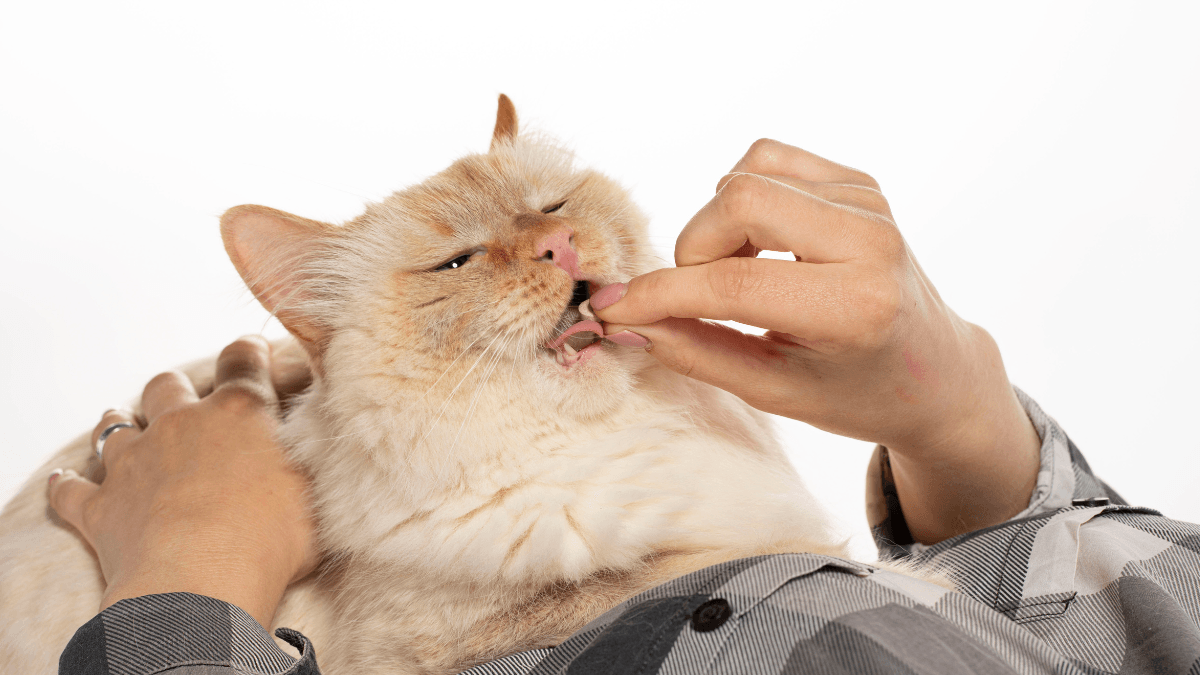
Clavamox for cats is a veterinary antibiotic used for certain bacterial infections, including some bite wounds, abscesses, dental infections, skin infections, and respiratory concerns. It combines amoxicillin with clavulanate potassium, which helps amoxicillin work against some bacteria that would otherwise resist it. It is not useful for viral or fungal illness, and it should only be used as prescribed by a veterinarian.
That distinction matters. Cats can look unwell for many reasons, and the right treatment depends on the cause, the infection site, and your pet’s health history. Clear expectations also help you know when improvement is reasonable and when to call the clinic.
Key Takeaways
- Combination antibiotic: It pairs amoxicillin with clavulanate potassium.
- Targeted uses: Vets often use it for specific bacterial infections.
- Dosing is individualized: Weight, condition, form, and health history matter.
- Side effects can occur: Vomiting, diarrhea, and appetite changes need monitoring.
- Testing may help: Cultures can guide care for repeat or unclear infections.
Where This Antibiotic Fits in Cat and Dog Care
Veterinarians use amoxicillin-clavulanate when they suspect bacteria that may not respond well to amoxicillin alone. The clavulanate part helps block some bacterial enzymes called beta-lactamases, which can break down certain penicillin-type antibiotics. In plain terms, the combination can widen the range of bacteria the medicine may affect.
In cats, Clavamox for cats may be considered for skin and soft tissue infections, infected bite wounds, abscesses, some dental infections, and select respiratory infections. In dogs, vets may use the same drug class for similar issues. The choice depends on the exam, likely bacteria, and whether the infection is superficial, deep, new, or recurring.
It is not a cure-all. Antibiotics do not treat viruses, fungal infections, allergies, asthma, stress-related urinary inflammation, or pain by themselves. A cat with sneezing, litter box changes, or low appetite may need testing before an antibiotic makes sense.
If you want broader condition context, the Pet Health collection can help you compare common pet health topics without treating one medicine as the only answer.
Common Uses and Decision Factors
Clavamox for cats is usually chosen when the suspected problem is bacterial and the infection pattern fits the medicine’s expected coverage. Your vet may also consider your cat’s age, hydration, kidney or liver concerns, pregnancy or nursing status, allergy history, and other medications.
Bite wounds and abscesses
Cat bites can seal over quickly, trapping bacteria under the skin. An abscess is a pocket of infection that may swell, drain, smell, or become painful. Antibiotics may be one part of care, but wound cleaning, drainage, pain relief, or follow-up checks can also matter.
Dental and mouth infections
Dental disease can involve bacteria, inflamed gums, tooth root problems, and pain. An antibiotic may help in selected cases, but it does not replace dental evaluation when teeth or deep oral tissue are involved. If eating changes are prominent, tell the clinic whether your cat is avoiding hard food, drooling, pawing at the mouth, or dropping food.
Skin, soft tissue, and respiratory concerns
Skin infections can develop after scratches, grooming trauma, allergies, or wounds. Respiratory signs are more complicated because many feline upper respiratory illnesses are viral. A veterinarian may use the exam findings, symptom duration, fever, discharge appearance, and overall condition to decide whether bacteria are likely enough to treat.
Why it matters: Matching the medicine to the likely cause reduces unnecessary side effects and supports antibiotic stewardship.
Dosing Basics: Why Online Charts Can Mislead
Clavamox for cats dosage should come from your veterinarian’s prescription label, not a generic chart. Cats are not simply small dogs, and kittens, older cats, dehydrated cats, and pets with chronic illness may need extra caution. The infection site also affects how a vet thinks about duration, monitoring, and follow-up.
You may see searches for a dosage chart by weight, dosage per pound, or a liquid dosage calculator. Those tools can look reassuring, but they can miss key details. A cat’s exact weight, formulation strength, measuring device, current medications, and diagnosis all matter. If a dose seems unclear, call the clinic before giving the next dose.
Clavamox may be dispensed as tablets, chewable tablets, or oral drops. For general product-format context, Clavamox Details can help you recognize the medication category and labeled presentation, but your pet’s instructions should still come from the prescribing veterinarian.
Questions to ask before the first dose
- Exact amount: Confirm the dose and measuring method.
- Timing plan: Ask how closely doses should be spaced.
- Food guidance: Clarify whether food may reduce stomach upset.
- Missed dose: Ask what to do if a dose is late.
- Recheck timing: Know when progress should be reassessed.
If prescription access is part of your planning, BorderFreeHealth connects U.S. patients with licensed Canadian partner pharmacies, and prescription details may be verified when required before dispensing. That access context does not replace your veterinarian’s diagnosis or dosing instructions.
Drops, Tablets, and Practical Handling at Home
The form matters because measurement errors are easier with liquids, while tablets can be hard for some cats to swallow. If your cat received oral drops, check whether the bottle must be shaken before each dose and how long it remains usable after mixing. Use the syringe or dosing device supplied by the clinic or pharmacy.
Kitchen spoons are unreliable for liquid medicine. Small differences can matter, especially for kittens or lightweight cats. If your cat spits out part of a dose, vomits soon after dosing, or hides when medication appears, ask the clinic what to do rather than repeating doses on your own.
Store the medicine as the label directs. Some liquids may require refrigeration after mixing, while tablets may have different storage rules. Keep the container closed, away from children, and separate from human medications. Do not save leftovers for a future illness, even if symptoms look familiar.
Quick tip: Take a photo of the label before travel or boarding.
Side Effects, Allergic Reactions, and Red Flags
Clavamox for cats side effects often involve the digestive tract, but reactions vary. Mild soft stool, reduced appetite, drooling, nausea, or vomiting can occur with antibiotics. Some cats also seem tired because the infection itself is making them feel unwell.
Call your veterinarian if vomiting repeats, diarrhea is more than mild, your cat stops eating, or your pet cannot keep water down. Cats can become dehydrated faster than many owners expect, and not eating can become risky, especially if it lasts beyond a short period or occurs in a cat with other disease.
Seek urgent veterinary help for possible allergic reaction signs. These can include facial swelling, hives, severe itching, trouble breathing, collapse, or sudden severe weakness. A known allergy to penicillin-type antibiotics should always be shared before treatment begins.
Lethargy can be hard to interpret. A mildly tired cat with a draining abscess may feel different from a cat that is weak, hiding continuously, or not responding normally. Tell the clinic what has changed, when the medication started, and whether appetite, water intake, urination, breathing, or stool changed too.
If pain is part of the illness, remember that antibiotics and pain medicines do different jobs. For example, dental disease or bite wounds may require separate pain control. Your veterinarian can explain whether a medication like an anti-inflammatory is appropriate and how it differs from antibiotics.
Urinary Signs: Why a UTI Is Not Always the Cause
Clavamox for cats UTI searches are common because frequent litter box trips look like infection. In cats, however, urinary signs are often caused by inflammation without bacteria. Stress-related cystitis, bladder stones, crystals, and urethral blockage can look similar at home.
Straining, frequent urination, blood in urine, accidents outside the box, and crying in the litter box all deserve prompt attention. Male cats are at particular risk for urethral blockage, which can become an emergency. Antibiotics alone will not fix a blockage or non-bacterial inflammation.
A urinalysis can help check urine concentration, blood, inflammation, crystals, and other clues. A urine culture may be recommended when bacteria are suspected, signs recur, or prior treatment did not work. Culture results can help the veterinarian choose a more targeted antibiotic and avoid unnecessary trial-and-error.
When Improvement May Start and When to Recheck
Many bacterial infections begin to look somewhat better within the first few days of appropriate treatment, but timing varies. The infection’s depth, the bacteria involved, drainage needs, dental disease, and your pet’s immune health all affect progress. Do not stop early just because your cat seems brighter unless your veterinarian instructs you to do so.
Track one or two visible markers instead of trying to judge everything at once. For a wound, note swelling, drainage, odor, and pain. For respiratory signs, watch appetite, breathing effort, nasal discharge, and energy. For dental concerns, watch chewing, drooling, and willingness to eat.
Call the clinic if signs worsen, fail to improve as expected, or return after the course ends. Also call if side effects make dosing difficult. A missed dose of Clavamox for cats, repeated vomiting, or partial liquid doses can all change the plan.
If your pet has had repeat antibiotic courses, ask whether testing should be repeated. Recurrent infections may reflect resistant bacteria, an untreated source, dental disease, allergies, wounds, immune concerns, or another underlying condition.
How It Compares With Other Veterinary Antibiotics
Antibiotic choice is not about which drug is strongest. It is about which medicine fits the likely bacteria, body site, safety profile, and test results. Clavamox for cats often fits skin, soft tissue, bite wound, and dental-related situations, but other antibiotics may be better for different organisms or infection sites.
For skin and soft tissue infections, some veterinarians may consider cephalosporins in selected cases. A deeper comparison of that class is available in Cephalexin for Dogs and Cats. For respiratory or tick-borne concerns, Doxycycline for Dogs and Cats explains a different antibiotic option and why selection depends on the suspected cause.
Fluoroquinolones are another drug class used in veterinary medicine, but they have their own safety considerations and are not interchangeable with penicillin-type antibiotics. The Baytril for Dogs and Cats resource can help you understand why vets reserve different antibiotics for different situations. For certain oral or deep tissue infections in dogs, Antirobe Uses and Safety offers another useful comparison point.
Authoritative Sources
For label-backed product information, the manufacturer’s Clavamox chewable prescribing information lists veterinary indications, precautions, and administration details.
For background on this drug combination, the VCA amoxicillin-clavulanic acid overview provides plain-language veterinary medication context.
For antibiotic class context, the Merck Veterinary Manual beta-lactam review explains how penicillin-type antibiotics work.
Recap
Clavamox for cats can be a useful antibiotic when a veterinarian suspects a bacterial infection that fits its coverage. It is commonly discussed for bite wounds, abscesses, dental infections, skin infections, and select respiratory concerns. It is not appropriate for every cat with sneezing, urinary signs, low appetite, or lethargy.
The safest path is to follow the prescription label, measure carefully, monitor appetite and stool, and report red flags early. If symptoms are unclear, recurrent, or not improving, testing may help your veterinarian choose the most appropriate next step.
This content is for informational purposes only and is not a substitute for professional medical advice.