
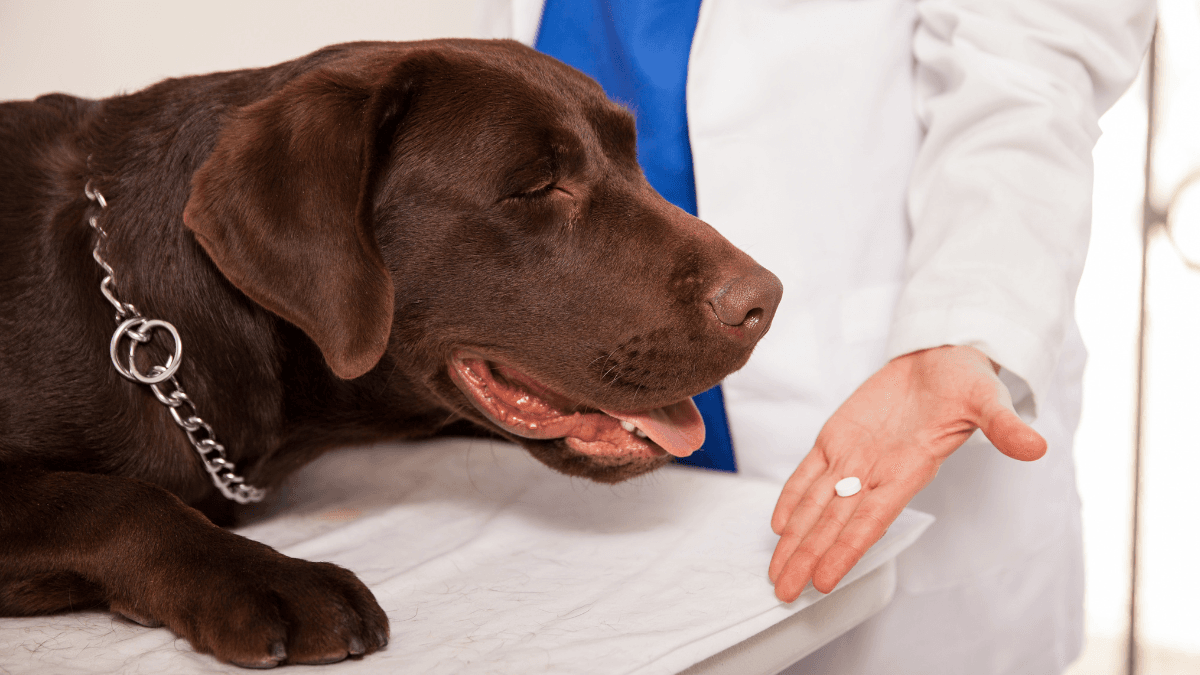
Enalapril for dogs is an ACE inhibitor that veterinarians may prescribe to reduce strain on the heart, support blood pressure control, or help with certain kidney-related concerns. It does not cure heart disease, but it can be one part of a monitored care plan.
That monitoring matters because this medicine affects blood vessel tone, fluid balance, and kidney blood flow. Most dogs tolerate it well, but side effects can become more likely when dehydration, diuretics, kidney disease, or other blood pressure medicines are involved.
Key Takeaways
- Main purpose: It helps reduce vessel tightening and heart workload.
- Routine matters: Give it only as your veterinarian directs.
- Watch hydration: Vomiting, diarrhea, or poor intake can raise risk.
- Monitor labs: Kidney values, potassium, and blood pressure guide safety.
- Share all medicines: Pain relievers, diuretics, and supplements can affect the plan.
How Enalapril for Dogs Fits Into Heart and Blood Pressure Care
Enalapril belongs to a drug class called ACE inhibitors, short for angiotensin-converting enzyme inhibitors. These medicines reduce signals that tighten blood vessels and promote fluid retention. In practical terms, the heart may pump against less resistance.
Veterinarians may consider Enalapril for dogs with congestive heart failure, some forms of valve disease, dilated cardiomyopathy (a weakened heart muscle), or systemic hypertension (high blood pressure). It may also appear in plans for some dogs with kidney disease and protein loss, depending on the full clinical picture.
If your dog has a heart murmur, enalapril does not make the murmur disappear. A murmur is a sound caused by turbulent blood flow, often from a leaky valve. The medicine may support circulation and reduce workload, but it does not reverse the underlying valve change.
Many heart-care plans involve more than one medicine. For example, some dogs take a diuretic to remove excess fluid, a drug to support pumping, or a rhythm medication. If your veterinarian has mentioned combination heart therapy, Cardalis For Dogs offers related background on how multi-drug cardiac plans are discussed.
Why it matters: Knowing the goal helps you spot changes that deserve a recheck.
Dosing, Tablet Strengths, and Missed Dose Questions
Your veterinarian sets the dose using your dog’s weight, diagnosis, blood pressure, kidney values, and other medicines. Search results often mention enalapril for dogs dosage, but a safe dose cannot be chosen from a chart alone.
Some prescriptions use tablet strengths such as 2.5 mg, 5 mg, or 10 mg. Those numbers describe the tablet strength, not whether the amount is right for your dog. A small dog, a dog with kidney concerns, and a dog taking a diuretic may need different instructions even if the diagnosis sounds similar.
Ask your clinic for a written schedule that lists the tablet strength, the exact amount to give, and the time of day. If more than one caregiver gives medicines, keep the plan in one visible place. A simple log can prevent accidental double dosing.
If you miss a dose, do not automatically double the next one. In many situations, extra medication can increase the chance of low blood pressure, weakness, or kidney stress. Call your clinic for advice, especially if your dog also takes furosemide, other heart medicines, or blood pressure drugs.
Many caregivers also ask whether they can stop giving enalapril once their dog seems better. Do not stop or restart it without veterinary guidance. Heart and blood pressure signs can change quietly, and stopping suddenly may complicate the broader treatment plan.
Side Effects: What Is Common, What Is Concerning
Enalapril for dogs side effects are often mild, but some signs need prompt attention. Mild stomach upset, reduced appetite, or lower energy can happen, especially after starting the medicine or changing the dose.
More concerning signs may suggest low blood pressure, dehydration, or worsening illness. Call your veterinarian promptly if you notice collapse, fainting, marked weakness, wobbliness, repeated vomiting, severe diarrhea, or a sudden refusal to stand. Fast or difficult breathing also needs urgent veterinary assessment in any dog with heart disease.
Coughing can be confusing. In people, ACE inhibitors are known for causing a dry cough in some cases. In dogs, a new or worsening cough more often raises concern for heart enlargement, airway disease, or fluid changes. Your veterinarian may want to check breathing rate, lung sounds, heart size, and medication response.
Long-term side effects of enalapril in dogs are usually managed through follow-up rather than guesswork. The main concerns are kidney value changes, electrolyte shifts, and blood pressure that becomes too low. These risks are why rechecks are part of responsible care, not a sign that the medicine is unsafe for every dog.
If nausea or vomiting is part of your dog’s situation, it can be hard to tell whether the medicine, the heart condition, or another illness is responsible. For broader context on veterinary anti-nausea treatment, see Cerenia For Dogs.
Kidney, Potassium, and Blood Pressure Checks
Monitoring helps your veterinarian see whether your dog is handling enalapril safely. The most common checks include kidney values, electrolytes, blood pressure, body weight, and changes in thirst or urination.
Kidney values such as creatinine and BUN can shift when blood pressure or kidney blood flow changes. A small change may be interpreted differently than a steady upward trend. Potassium also matters because ACE inhibitors can affect the hormone signals involved in potassium balance.
Blood pressure checks are useful because enalapril can lower vascular resistance. If pressure falls too low, a dog may seem weak, wobbly, or unusually tired. Stress can affect clinic readings, so some practices take several measurements after a dog has settled.
At home, you can track details that make rechecks more useful. Note appetite, water intake, urination, weight trends, energy, coughing, and resting breathing while asleep. These observations do not replace lab work, but they help your veterinarian interpret the whole picture.
| What vets may monitor | Why it matters | What you can notice at home |
|---|---|---|
| Creatinine and BUN | Shows kidney response to treatment and hydration | Thirst, urination, appetite |
| Potassium | Helps assess electrolyte safety | Weakness, unusual tiredness |
| Blood pressure | Checks for hypertension or pressure that is too low | Wobbliness, fainting, stamina changes |
| Body weight | Can reflect fluid shifts or appetite changes | Daily or weekly trends |
| Resting breathing | May reveal worsening congestion | Breaths per minute while asleep |
If your dog has other chronic health needs, bring every medication label to appointments. The Pet Health collection can also help you find related education on veterinary safety topics.
Using Enalapril With Diuretics and Other Medicines
Enalapril and furosemide for dogs are sometimes used together in congestive heart failure care. The combination can make sense because each medicine targets a different part of the problem, but it also makes hydration and kidney monitoring more important.
Furosemide is a diuretic, meaning it helps the body remove excess fluid through urine. That can ease fluid overload, but it can also increase thirst, urination, and dehydration risk. When a dog takes both medicines, vomiting, diarrhea, poor appetite, or hot weather may shift the safety balance faster.
Drug interactions are not limited to heart medicines. Non-steroidal anti-inflammatory drugs, often called NSAIDs, can affect kidney blood flow in some dogs. Potassium supplements, potassium-sparing diuretics, anesthesia drugs, and other blood pressure medicines may also change the monitoring plan.
Sleepiness can also overlap between medicines. If your dog takes gabapentin for pain or anxiety, Gabapentin For Dogs explains why sedation can appear and why timing matters. If antibiotics are added for another condition, Cephalexin For Dogs And Cats provides general safety context for medication review.
Quick tip: Keep a current medicine list in your phone and update it after every change.
Enalapril, Benazepril, and Combination Heart Options
Enalapril and benazepril are both ACE inhibitors, so they share a similar purpose. Your veterinarian may choose one over the other based on dosing routine, kidney and liver considerations, blood pressure response, and practical handling.
Comparisons like enalapril vs benazepril for dogs can sound like one medicine should always be better. In practice, the better choice is the one that fits the dog’s diagnosis, lab trends, medication schedule, and follow-up plan. Some dogs stay on one ACE inhibitor long term, while others need adjustments.
Combination products may also appear in heart-care discussions. If your veterinarian has prescribed or discussed a combined cardiac medication, the Cardalis product page can help you review product-level information to discuss with your clinic. Use product pages as navigation and label context, not as a substitute for a veterinary plan.
Access and cost questions are reasonable, especially when a dog needs long-term therapy. BorderFreeHealth connects U.S. patients with licensed Canadian partner pharmacies, and prescription details are verified with the prescriber when required before dispensing. For pet medicines, your veterinarian remains the right person to confirm whether a medication and follow-up schedule are appropriate.
When to Call the Vet or Seek Urgent Care
Call your veterinarian if your dog develops repeated vomiting, diarrhea, poor intake, new weakness, worsening cough, or major changes in thirst or urination. These signs are especially important after a dose change or when furosemide is part of the plan.
Seek urgent veterinary care for collapse, fainting, severe weakness, blue or pale gums, labored breathing, or very fast breathing at rest. These signs are not specific to enalapril. They can reflect heart failure, low blood pressure, dehydration, rhythm problems, or another serious condition.
If an accidental extra dose may have happened, have the bottle ready before you call. Share the tablet strength, the number of tablets missing, your dog’s weight, the time of exposure, and any symptoms. Fast, accurate details help the veterinary team decide the safest next step.
Authoritative Sources
The Merck Veterinary Manual ACE inhibitor review summarizes veterinary ACE inhibitor use and monitoring considerations.
A landmark clinical study in PubMed on enalapril in canine heart failure provides historical evidence for use alongside standard therapy in selected dogs.
The ACVIM consensus statement on mitral valve disease offers specialist context on staging and treatment discussions for common canine valve disease.
Recap
Enalapril for dogs can support heart and blood pressure care when it is used with veterinary supervision. The safest use depends on consistent dosing, medication-list review, hydration awareness, and follow-up checks for kidney values, potassium, and blood pressure.
Bring questions to each recheck, including what to do for missed doses, vomiting, appetite changes, or new coughing. Small home observations often help your veterinarian make better decisions.
This content is for informational purposes only and is not a substitute for professional medical advice.


