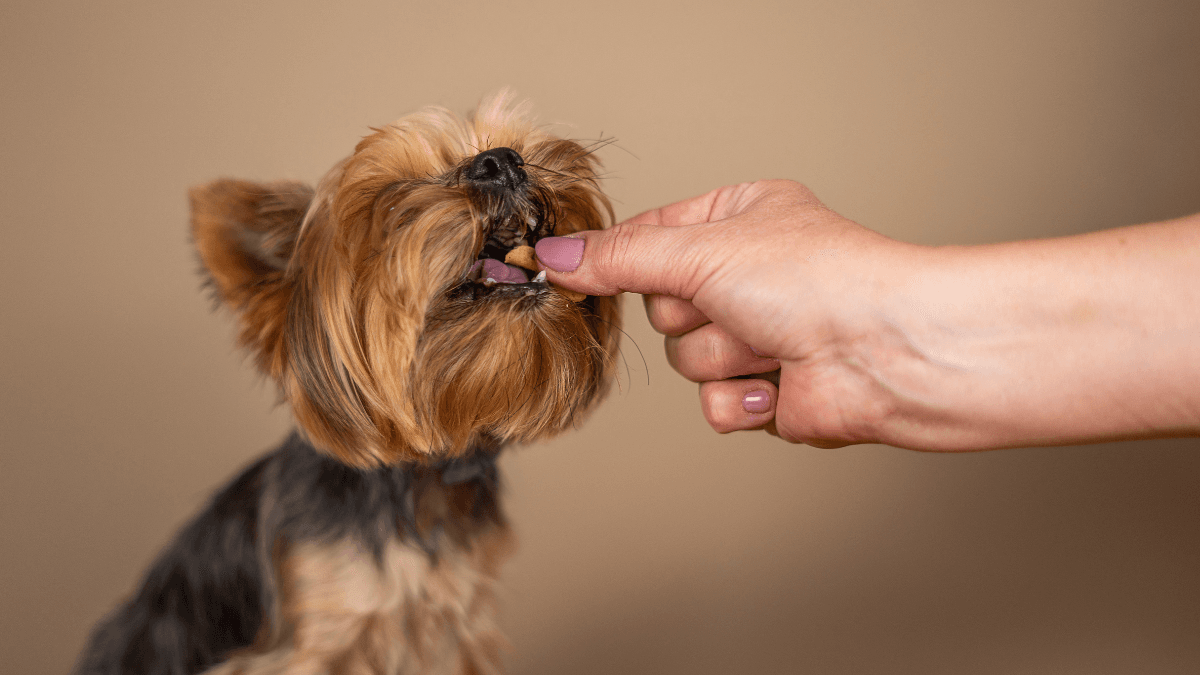
Drontal for dogs is a deworming medicine veterinarians may use to treat common intestinal worms, including tapeworms, roundworms, hookworms, and, in some formulations, whipworms. The right product and dose depend on your dog’s weight, age, health history, and the parasite being treated.
Seeing worms in stool, noticing scooting, or getting a positive fecal test can feel alarming. It is also common, even in well-cared-for pets. A clear plan helps you treat the right parasite, watch for side effects, and reduce the chance of reinfection.
Key Takeaways
- Coverage varies: Drontal products do not all treat the same worms.
- Weight matters: dosing is based on the exact product and current body weight.
- Side effects are usually mild: vomiting, soft stool, or appetite changes can occur.
- Testing helps: fecal exams can confirm which parasite is present.
- Prevention continues: stool pickup and flea control reduce repeat exposure.
What Drontal Treats and Why Product Version Matters
Drontal products are anthelmintics, which means medicines used against parasitic worms. In dogs, these medicines are used for intestinal parasites that live in the gut and shed eggs or segments in stool.
Many Drontal products contain praziquantel, which targets tapeworms, and pyrantel pamoate, which targets roundworms and hookworms. Drontal Plus for dogs commonly adds febantel, an ingredient used for whipworm coverage. Exact ingredients, strengths, and labeled directions can vary by country and product.
That difference matters because worms are not all treated the same way. Tapeworms often relate to flea exposure or eating infected wildlife. Roundworms and hookworms may come from contaminated soil, stool, or, in puppies, early-life exposure. Whipworms can be harder to control in some environments because eggs may persist outdoors.
Drontal for dogs does not replace flea prevention, heartworm prevention, or routine fecal testing. It also does not treat every cause of diarrhea, weight loss, or poor coat quality. Those signs can overlap with many digestive, dietary, and medical problems.
If your veterinarian has recommended a specific dog dewormer, compare the exact product name and active ingredients. The Drontal Tablets page can help you review product-specific labeling context, while Drontal Plus provides a separate reference point for the Plus formulation.
Why it matters: Matching the product to the parasite helps avoid repeat treatment that misses the target.
How Dosing Is Usually Decided
Drontal for dogs dosage is usually based on body weight and the exact tablet formulation. A dosing chart from one product should not be applied to another product unless the label and active ingredients match.
This is where mistakes happen. A small dog may fall near a tablet cutoff. A large dog may need more than one tablet. A puppy may gain weight quickly enough that last week’s weight is no longer useful. For that reason, a current scale weight is more reliable than a guess.
Many people search for a Drontal for dogs dosage chart, but charts are only safe when they match the specific package. Product labels may differ by tablet size, region, and formulation. If the label is unclear, a veterinary clinic can help confirm the correct interpretation.
Before giving any dewormer, gather a few details:
- Current weight: use a recent scale reading.
- Exact product: confirm Drontal versus Drontal Plus.
- Tablet strength: match the label before dosing.
- Health status: mention vomiting, pregnancy, nursing, or illness.
- Other medicines: include preventives, supplements, and recent dewormers.
- Test results: bring fecal findings if available.
Do not give extra tablets because worms are visible, and do not repeat a dose early unless a veterinarian tells you to. More medication does not always mean better parasite control, and it can increase the chance of adverse effects.
Some dogs may need a different dewormer class. For example, fenbendazole products are sometimes used for other parasite-control plans. If your veterinarian discusses alternatives, Panacur Granules can be a useful product-reference page for understanding how labels differ across dewormers.
What to Expect After Giving a Dewormer
After a dose, some dogs act completely normal. Others may have brief digestive upset, especially if they already had intestinal irritation from parasites.
You may notice worms or worm segments in stool. Sometimes owners see nothing at all, even when the medicine is working. Not seeing worms does not prove the treatment failed, because parasites may be digested or passed in less obvious ways.
Mild signs can include soft stool, short-lived diarrhea, drooling, vomiting, reduced appetite, or tiredness. These signs are among the more commonly discussed Drontal for dogs side effects, but they should be limited and improving. A dog who becomes progressively weaker, cannot keep water down, or seems painful needs veterinary attention.
If vomiting occurs soon after dosing, call your veterinary team before giving another tablet. They may ask when the vomiting happened, whether the tablet was visible, and how your dog is acting now. Those details help them decide whether enough medicine was likely absorbed.
Plan the next few days around hygiene. Pick up stool promptly, wash hands after cleanup, and reduce access to shared defecation areas when possible. If tapeworms are suspected, flea control is often part of the prevention plan because fleas can carry tapeworm larvae.
For tapeworm-specific medication context, Droncit may help you compare how praziquantel-only products differ from broader dewormers. This is product education, not a substitute for a parasite diagnosis.
Safety Cautions, Side Effects, and When to Call a Vet
Most dogs tolerate labeled dewormer use well, but side effects and safety cautions still matter. Your dog’s age, size, pregnancy status, liver or digestive disease, and medication history can change the risk discussion.
Commonly reported digestive effects may include vomiting, diarrhea, drooling, or reduced appetite. Some dogs seem sleepy for a short period. These signs may relate to the medicine, the underlying parasite burden, or another problem that appears around the same time.
More serious reactions are uncommon, but they need prompt care. Seek urgent veterinary help if you notice facial swelling, trouble breathing, collapse, repeated vomiting, bloody or black stool, seizures, severe weakness, or extreme lethargy. These are not expected “normal deworming” signs.
Puppies need extra care because weight changes quickly and intestinal parasites can affect growth and hydration. A Drontal dewormer for puppies may be appropriate only when the product label, age, weight, and veterinary plan fit. Very young puppies, underweight puppies, and puppies with diarrhea should not be treated casually at home without guidance.
Small dogs also need careful dose matching. Even a one-pound weight difference can matter near a dosing cutoff. Large dogs may need multiple tablets, which raises the chance that a piece is dropped or spit out. Give tablets one at a time if needed, then check the floor and your dog’s mouth.
Quick tip: If you find a tablet later, call the clinic before repeating the dose.
How Often Dogs Need Deworming
How often a dog takes Drontal depends on risk, test results, and the parasite involved. There is no single schedule that fits every dog.
Some dogs need treatment only after a positive fecal test. Others have higher exposure because they visit dog parks, attend daycare, hunt, scavenge, eat wildlife feces, or live where parasites are common. Puppies and newly adopted dogs may also need closer parasite screening.
Fecal testing helps prevent guesswork. It can identify eggs from roundworms, hookworms, or whipworms, though tapeworms are sometimes diagnosed from visible segments or exposure history. Testing also helps avoid repeating a product that does not match the parasite.
Reinfection is common when the environment remains contaminated. Eggs and larvae may persist in soil, and dogs can re-expose themselves by sniffing, licking, grooming, or eating contaminated material. That is why parasite control often includes household and yard habits, not just tablets.
Practical prevention steps include same-day stool pickup, flea control, discouraging scavenging, and keeping shared outdoor spaces clean. If a dog repeatedly gets tapeworms, ask whether flea exposure or wildlife contact could be the missing link.
If your home includes cats, do not use dog products interchangeably. Cats need species-specific dosing and labels. For cat-focused context, Drontal For Cats explains why parasite control differs across species. For broader feline parasite prevention, NexGard Combo For Cats covers a separate cat product category.
Using Tablets Without Turning It Into a Struggle
How to use Drontal for dogs often comes down to technique, timing, and confirming the full dose was swallowed. Follow the product label and veterinary instructions for whether it should be given with food.
Some dogs accept tablets in a small treat or pill pocket. Others chew once, detect the tablet, and spit it out later. Watch for cheek-pouching, floor-dropping, or hiding medication in bedding. A treat “chaser” can help some dogs swallow fully.
If your dog resists tablets, ask your veterinary team about safe handling options. Do not crush, split, or mix tablets unless the label or veterinarian says that is acceptable. Some scored tablets are designed for splitting, while others may not divide evenly.
After dosing, keep the routine calm. Offer water, watch appetite, and note stool changes. If multiple pets live together, prevent one pet from taking another pet’s medication. This is especially important when cats and dogs share spaces.
For another common canine deworming medicine used under veterinary direction, Strongid P can help you compare ingredient and label differences. The best choice still depends on the parasite and your dog’s situation.
Prescription, Access, and Safe Sourcing Questions
Whether Drontal for dogs requires a prescription depends on the country, formulation, and local rules. Some Drontal Plus products are prescription-only in certain markets, while other parasite products may have different access rules.
Rather than assuming, check the exact product label and your local requirements. A veterinarian can also confirm whether fecal testing is recommended before treatment. This is especially helpful when symptoms are vague, recurring, or severe.
Safe sourcing matters with any pet medication. Use products with clear labeling, intact packaging, and directions that match your dog’s species and weight. Avoid using leftover medication from another pet unless your veterinarian confirms it is appropriate.
BorderFreeHealth connects U.S. patients with licensed Canadian partner pharmacies, and prescription details are verified with the prescriber when required before pharmacy dispensing. For pet medications, that kind of documentation check can be relevant when a product is prescription-only in the dispensing jurisdiction.
Do not use “without vet prescription” searches as a shortcut around care when your dog is sick. Diarrhea, weight loss, poor appetite, vomiting, or blood in stool can have causes beyond intestinal worms. Treating blindly may delay the right diagnosis.
Preventing Reinfection at Home
Medication can remove susceptible worms, but the environment can bring them back. Reinfection prevention starts with daily habits that reduce exposure to eggs, larvae, and fleas.
Pick up stool as soon as practical, especially in shared yards. Keep dogs away from known defecation areas at parks. Wash hands after cleanup, and teach children to wash after outdoor play. Cover sandboxes, clean accidents promptly, and discourage dogs from eating feces or wildlife remains.
Flea control deserves special attention when tapeworms are involved. Dogs can ingest infected fleas during grooming. If fleas remain in the home, tapeworms can return even after successful deworming.
Some dogs need behavior support to reduce scavenging. A basket muzzle can be useful for high-risk walks when introduced with positive training, but it should allow panting and drinking. Ask a qualified trainer or veterinarian if scavenging is frequent or dangerous.
Households with immune-compromised people, young children, or pregnant people may want stricter hygiene routines. Some dog parasites can affect people, so practical prevention protects the whole household.
Authoritative Sources
For label-backed information on Drontal Plus ingredients, indications, and warnings, review the DailyMed Drontal Plus label.
For parasite screening and prevention principles, the Companion Animal Parasite Council guidelines summarize expert recommendations for dogs and cats.
For checking U.S. animal drug approval and labeling records, use the Animal Drugs at FDA database alongside veterinary guidance.
Recap
Drontal for dogs can be part of a parasite-control plan when the product matches the worm, the dose matches the dog’s weight, and safety cautions are considered. The most useful next step is often simple: confirm the exact product, current weight, and likely parasite before giving medication.
Call a veterinarian if your dog is very young, pregnant, nursing, chronically ill, taking other medications, or showing severe digestive signs. Also ask for help if worms keep returning despite treatment. Repeated infections often mean the exposure source needs attention.
This content is for informational purposes only and is not a substitute for professional medical advice.