

Please note: a valid prescription is required for all prescription medication.
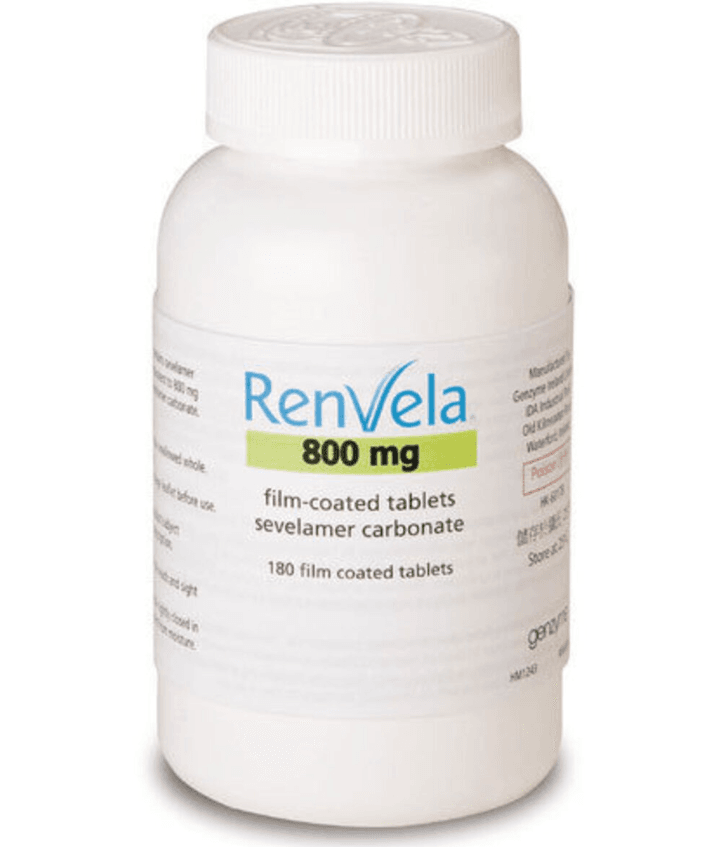
Renvela
Renvela (sevelamer carbonate) tablets
Price:
$443.99
Secure Encrypted Payments
Renvela is a prescription phosphate binder (a medicine that traps dietary phosphorus in the gut) used to help control high blood phosphorus in some people with chronic kidney disease. This page summarizes how the medicine works, who it’s typically prescribed for, and practical points like dosing with meals, interaction spacing, side effects, and storage so patients and caregivers can set expectations before discussing specifics with a clinician. BorderFreeHealth supports cash-pay access for patients without insurance, and some requests are handled with US shipping from Canada through partner dispensing.
What Renvela Is and How It Works
Sevelamer carbonate is a non-absorbed polymer that binds phosphate from food inside the digestive tract. By attaching to dietary phosphate, it reduces how much phosphorus is absorbed into the bloodstream. Prescriptions are checked with the prescriber before dispensing. In some situations, the process also involves Ships from Canada to US when a partner pharmacy supplies the medication.
Phosphorus control matters because long-term elevations can affect bones, blood vessels, and overall mineral balance. In kidney disease, the kidneys may not remove enough phosphorus, so food sources add up quickly. A binder works locally in the gut rather than “flushing” phosphorus through the kidneys. Results are usually followed using lab tests over time, along with guidance on diet and dialysis routines when applicable.
Who It’s For
Renvela is commonly prescribed for hyperphosphatemia (high blood phosphorus) in chronic kidney disease, often in people on dialysis. The underlying condition and treatment plan can vary, so it helps to review an overview of the condition in the Hyperphosphatemia Hub before comparing options. Some patients are managed with diet changes alone, while others need a binder plus other kidney-care therapies.
This treatment is not appropriate for everyone. It should not be used in people with bowel obstruction, and it may not be suitable when there is a history of severe gastrointestinal disease, significant swallowing problems, or repeated severe constipation. Caution is also important after certain gastrointestinal surgeries or when there are frequent episodes of vomiting or abdominal pain, because symptoms can overlap with more serious conditions.
Dosage and Usage
Renvela dosage is prescribed to match current phosphorus labs and is typically taken with meals so it can bind phosphorus from food. Tablets are generally swallowed whole with liquid; they should not be crushed or chewed unless a pharmacist confirms that a specific product can be handled differently. Because the binder can also attach to other medicines, prescribers may instruct that some doses be separated by time from certain drugs or supplements.
Quick tip: Keeping doses aligned to meals can reduce missed doses.
If a dose is missed, many clinicians advise taking the next scheduled dose with the next meal rather than doubling up, but the prescription directions should be followed. Diet and binder therapy often go together, so the Dietary Strategies For Managing Chronic Kidney Disease resource can provide useful context to discuss with a renal dietitian or clinic team.
Strengths and Forms
Renvela 800 mg tablets are one commonly used presentation, and other strengths may be available depending on the market and the prescription. Some prescriptions are written for sevelamer carbonate using brand or generic naming, and pharmacies may substitute an equivalent generic where permitted. The tablet size and pill burden can matter in day-to-day routines, especially when doses are taken with multiple meals.
Fulfillment is coordinated through licensed Canadian partner pharmacies. Patients who are comparing options across the site can also browse the Other Medicines Category to see additional prescription products available through the platform, noting that availability and dispensing rules can differ by medication and jurisdiction.
Storage and Travel Basics
Store sevelamer carbonate tablets at controlled room temperature and keep the container tightly closed. Moisture and heat can damage tablets over time, so a dry cabinet is usually better than a bathroom shelf. If the pharmacy label lists specific temperature ranges or storage warnings, those instructions should be treated as the primary guidance for that dispensed product. Keep all medicines out of reach of children and pets.
Why it matters: Consistent storage helps the tablets stay stable for the full labeled period.
For travel, carrying the medication in the original labeled container can reduce confusion during security checks and helps prevent mix-ups. Avoid leaving the bottle in a hot car or in direct sunlight. For broader planning around kidney care, dialysis logistics, and medication routines, the Exploring Advanced Treatment Options article can help frame conversations with a care team.
Side Effects and Safety
Renvela side effects are most often gastrointestinal. Constipation, nausea, vomiting, stomach discomfort, gas, and diarrhea can occur, and symptoms may be harder to interpret in people who already have appetite changes from kidney disease. Because this binder can affect absorption in the gut, clinicians may also monitor nutrition-related labs and, in some cases, vitamin levels based on diet and dialysis status.
Serious complications are uncommon but important to recognize early. Severe constipation, intense or worsening abdominal pain, blood in stool, persistent vomiting, or symptoms suggesting blockage require urgent medical evaluation. People with swallowing difficulty should be cautious with large tablets, because choking or esophageal irritation has been reported with some solid oral medicines.
When to seek urgent help
Urgent assessment is appropriate for signs of bowel obstruction or perforation, such as severe abdominal pain, abdominal swelling, inability to pass stool or gas, fever, faintness, or vomiting that does not stop. These symptoms are not specific to one medication and can overlap with infection or other emergencies in dialysis patients. If a dose was recently started or increased, that timing can be helpful to share with a clinician, along with a list of all medicines and supplements taken around meals.
Drug Interactions and Cautions
Renvela can bind to other oral medicines and lower how much of them is absorbed. For that reason, prescribers may recommend separating administration times for selected drugs, especially narrow-therapeutic-index medicines (drugs where small level changes matter). Examples sometimes discussed in clinical practice include certain antibiotics, thyroid replacement, anti-seizure medicines, and transplant or autoimmune therapies. The exact spacing depends on the product and should follow the prescription directions and pharmacist guidance.
Vitamins and minerals are also relevant. A binder may reduce absorption of fat-soluble vitamins (A, D, E, and K) in some patients, particularly when dietary intake is limited. If supplements are used, the regimen may need coordination with meal timing. For food-based strategies that can reduce phosphorus load, revisiting the Dietary Strategies For Managing Chronic Kidney Disease guide can support a more structured discussion with a renal dietitian.
Compare With Alternatives
Phosphate binders come in several types, and selection is usually based on lab patterns, pill burden, tolerability, and other mineral-bone considerations. Non-calcium binders include sucroferric oxyhydroxide (linked on-site as Velphoro Details) and lanthanum carbonate. Calcium-based binders are another option for some patients, but they may be limited when calcium levels run high or when vascular calcification is a concern.
Some products on kidney-care medication lists treat different electrolyte problems rather than phosphorus. For example, sodium zirconium cyclosilicate is used for high potassium and is listed on-site as Lokelma Details; it is not a substitute for a phosphate binder. When comparing approaches, it can help to review the broader condition context in the Hyperphosphatemia Hub and then confirm with a clinic which lab targets are driving medication choices.
Pricing and Access
Renvela pricing can vary based on strength, quantity, and whether an equivalent generic sevelamer carbonate is selected. For people using a cash-pay pathway, total out-of-pocket costs may differ from retail pharmacy quotes, and coverage decisions can still depend on local rules and plan details. Cash-pay access is available when insurance coverage is not used. The Promotions page may also list limited-time site programs that can reduce checkout totals for eligible requests.
Access also depends on a valid prescription and appropriate clinical documentation. Refills and dose changes should come from the prescribing clinic, since phosphorus targets and dialysis status can shift over time. To explore other prescription products supported on the platform, the Other Medicines Category can be used as a browseable hub, separate from medication decision-making with a clinician.
Authoritative Sources
For the most reliable, product-specific details, the dispensing pharmacy label and the manufacturer prescribing information remain the primary references for dosing, contraindications, and interaction timing. Clinic protocols also vary by dialysis center, lab schedule, and dietitian guidance, so written instructions from the renal team should be kept with the medication list. When reviewing general drug education outside of a clinic visit, it helps to start with sources that are designed for patients and caregivers.
- For a general medication overview, see MedlinePlus Sevelamer Information.
BorderFreeHealth articles can also support informed conversations, including Exploring Advanced Treatment Options for care pathways and Dietary Strategies For Managing Chronic Kidney Disease for meal planning considerations.
To request a prescription through the site, upload documentation and select prompt, express shipping during checkout.
This content is for informational purposes only and is not a substitute for professional medical advice.
Express Shipping - from $25.00
Shipping with this method takes 3-5 days
Prices:
- Dry-Packed Products $25.00
- Cold-Packed Products $35.00
Shipping Countries:
- United States (all contiguous states**)
- Worldwide (excludes some countries***)
Standard Shipping - $15.00
Shipping with this method takes 5-10 days
Prices:
- Dry-Packed Products $15.00
- Not available for Cold-Packed products
Shipping Countries:
- United States (all contiguous states**)
- Worldwide (excludes some countries***)
What is Renvela used for in kidney disease?
Renvela is used to help control hyperphosphatemia (high blood phosphorus) in people with chronic kidney disease, often in those receiving dialysis. It works as a phosphate binder, meaning it attaches to phosphorus from food inside the gut so less phosphorus is absorbed into the bloodstream. Treatment is usually part of a broader plan that may include diet changes, dialysis adjustments, and repeat lab monitoring. A clinician determines whether a binder is needed based on blood tests and overall mineral balance.
How does sevelamer carbonate lower phosphorus?
Sevelamer carbonate is a non-absorbed polymer that stays in the gastrointestinal tract. It binds phosphate from dietary sources during digestion, forming a complex that passes out of the body in stool. Because it acts locally in the gut, it does not rely on kidney filtration to remove phosphorus. The effect is typically assessed through lab results over time rather than immediate symptom relief. Dose selection and adjustments are usually guided by measured phosphorus levels.
When should Renvela tablets be taken?
Renvela is generally taken with meals, because binding dietary phosphorus works best when the medicine is present in the gut at the same time as food. Many prescriptions divide doses across main meals, but the exact schedule depends on the written directions. Tablets are commonly swallowed whole with liquid; chewing or crushing may not be appropriate for many products. If other oral medicines are taken, a clinician or pharmacist may recommend separating timing to reduce binding interactions.
What side effects can occur with Renvela?
The most common side effects involve the digestive tract. Constipation, nausea, vomiting, stomach discomfort, gas, or diarrhea can occur. In some cases, severe constipation or significant abdominal pain can signal a more serious problem such as blockage, especially in people with prior gastrointestinal disease. Because phosphate binders can affect absorption, clinicians may also consider nutrition status and, for some patients, vitamin-related monitoring depending on diet patterns and dialysis status.
What medicines and supplements interact with Renvela?
Sevelamer carbonate can bind to certain oral medicines and lower their absorption. This can be important for drugs where small concentration changes matter, such as some thyroid therapies, select antibiotics, anti-seizure medicines, and transplant or autoimmune treatments. Some vitamins and minerals may also need coordination with dosing and meals. Interaction management often involves separating administration times, but the exact timing varies by medication and should follow the prescriber’s instructions and pharmacist guidance.
What lab monitoring is common while taking Renvela?
Monitoring typically focuses on serum phosphorus and related mineral markers, because the goal is to keep phosphorus in a target range for the individual’s kidney stage and dialysis status. Clinicians may also track calcium and parathyroid hormone trends as part of chronic kidney disease–mineral and bone disorder (CKD-MBD) care. In some situations, bicarbonate or other chemistry values may be reviewed, especially if dietary intake is limited. The monitoring schedule is usually set by the renal clinic and lab cadence.
What should someone ask a clinician before starting Renvela?
Key questions include how high phosphorus has been trending, what the target range is for the individual situation, and how doses should align with meals and snacks. It is also reasonable to ask whether other medicines need spacing, what constipation prevention strategies are appropriate given medical history, and which symptoms should prompt urgent evaluation. Sharing a complete medication and supplement list is important. People on dialysis may also ask how the binder plan fits with dialysis prescription changes and dietitian recommendations.
Rewards Program
Earn points on birthdays, product orders, reviews, friend referrals, and more! Enjoy your medication at unparalleled discounts while reaping rewards for every step you take with us.
You can read more about rewards here.
POINT VALUE
How to earn points
- 1Create an account and start earning.
- 2Earn points every time you shop or perform certain actions.
- 3Redeem points for exclusive discounts.
How to book an appointment
- 1Create Begin by completing a profile or log into your existing account. This step ensures we have the necessary information to provide you with a service that's tailored to your needs. account and start earning.
- 2Scheduling an appointment with our online booking system is easy. Pick a day and time that suits you. You’ll receive an immediate confirmation, without the wait.
- 3Discuss your concerns and symptoms and receive a thorough diagnosis from one of our licensed doctors during a confidential video appointment.
- 4If you've been prescribed medication, your Rx is sent directly to one of our licensed pharmacies and delivered right to your door.
Get Started
To book an online doctor appointment, register for an account or login. After doing so, you can book your visit on this page.
You Might Also Like
Select options
This product has multiple variants. The options may be chosen on the product page
Select options
This product has multiple variants. The options may be chosen on the product page
Select options
This product has multiple variants. The options may be chosen on the product page
Select options
This product has multiple variants. The options may be chosen on the product page