
Please note: a valid prescription is required for all prescription medication.
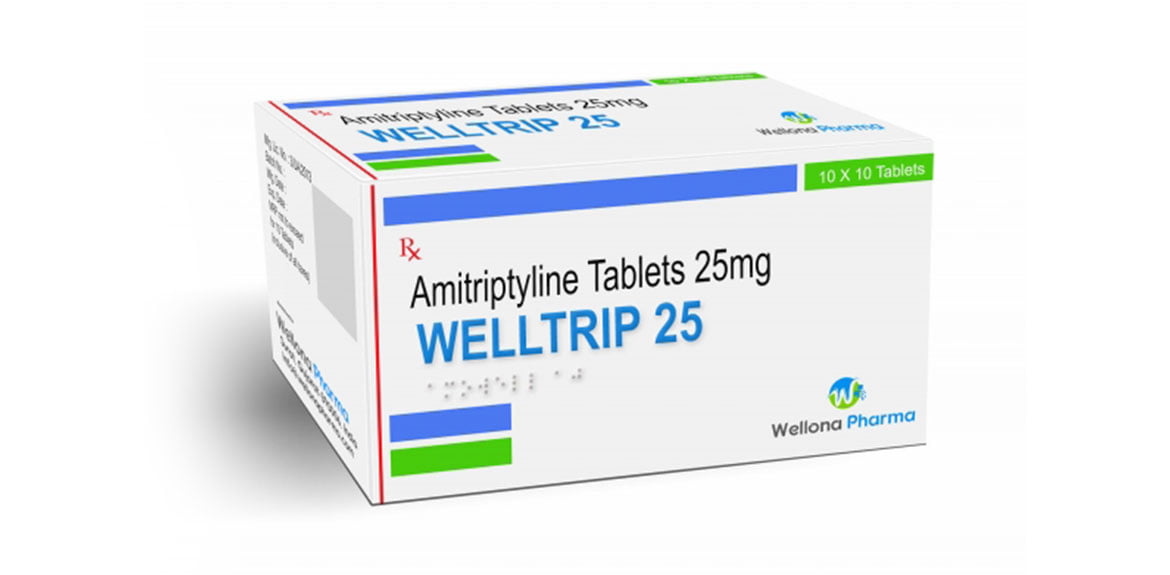
Amitriptyline
Buy Amitriptyline Online
Secure Encrypted Payments
Amitriptyline is a tricyclic antidepressant used to treat symptoms of depression in adults. It can be bought online with the strength and quantity matched to the directions from your clinician. Current ordering details show the available dose choices, including commonly used tablet strengths, so you can align the medication with your treatment plan.
Many people know amitriptyline by older brand names such as Elavil, but generic amitriptyline hydrochloride remains widely used. It may cause drowsiness, dry mouth, constipation, dizziness, and other effects, so careful use and follow-up matter. If your clinician has discussed this medicine for depression or another individualized use, the sections below explain practical product, cost, safety, and refill considerations.
Amitriptyline Price, Strengths, and Ordering Details
Amitriptyline price depends on the tablet strength, quantity, manufacturer supply, and the cash-pay route selected during checkout. The store lets you view current pricing before completing an order, which can help if you are budgeting for ongoing therapy or paying without insurance. Because antidepressants are often taken consistently over time, the refill quantity may affect your out-of-pocket cost per tablet.
Choose the dose or strength shown during ordering and match it to your clinician’s directions. Amitriptyline 10mg tablets, Amitriptyline 25mg tablets, and Amitriptyline 50mg tablets are common strengths discussed in treatment plans, and higher tablet strengths may also be used when clinically appropriate. Do not split, combine, or change tablets unless your clinician or pharmacist has specifically told you how to do so.
Border Free Health works with licensed pharmacy channels for cross-border medication access, including US delivery from Canada. Plan refills early, especially if your dose has recently changed or you are trying to keep a steady supply during travel. If you are also exploring therapy areas related to mood treatment, the Mental Health category can help you find adjacent medication information.
What Amitriptyline Treats
Amitriptyline is used to treat symptoms of depression. Depression can affect mood, sleep, appetite, concentration, energy, and daily functioning. This medicine belongs to the tricyclic antidepressant class, an older group of antidepressants that still has a role for some adults, especially when a clinician wants a medication with sedating properties or a different side-effect profile from newer options.
Clinicians may sometimes use amitriptyline for other conditions, such as certain pain syndromes or migraine prevention, but those uses depend on the person’s diagnosis, history, and risk factors. The product should not be used as a self-directed sleeping pill, even though drowsiness is common. If your main concern is sleep, nerve pain, migraines, or anxiety, ask your clinician whether amitriptyline is appropriate or whether another treatment would be safer.
For broader condition education, see our information on depression. Mental health treatment often combines medication decisions with follow-up visits, symptom tracking, therapy, lifestyle support, and safety planning when needed.
How This Tricyclic Antidepressant Works
Amitriptyline affects chemical signaling in the central nervous system. It increases the activity of serotonin and norepinephrine, neurotransmitters involved in mood regulation and pain signaling. It also blocks several receptor types, including histamine and muscarinic receptors, which helps explain why many people feel sleepy or notice anticholinergic effects such as dry mouth and constipation.
The sedating effect can be useful for some people when dosing is scheduled at night, but it can also interfere with morning alertness. Avoid alcohol because it can increase drowsiness, impair coordination, and raise the risk of unsafe decisions. Until you know how you respond, use caution with driving, operating machinery, or any task that requires clear attention.
Quick tip: Keep a simple symptom and side-effect log during the first several weeks so follow-up conversations are more specific.
Tablet Forms and Strength Selection
Amitriptyline hydrochloride is supplied as oral tablets in multiple strengths. Current supply can vary by manufacturer and pharmacy inventory, and tablet color or imprint may change when a different manufacturer supplies the same active ingredient. If your tablets look different after a refill, confirm the imprint and strength before taking the next dose.
| Ordering point | What to consider |
|---|---|
| Strength | Match the tablet strength to the directions given by your clinician. |
| Quantity | Consider refill timing, travel plans, and whether a larger fill reduces repeated ordering steps. |
| Timing | Many people take it at bedtime because drowsiness is common. |
| Appearance | Check the label and imprint if tablets look different from a previous fill. |
Common tablet strengths include 10 mg, 25 mg, 50 mg, 75 mg, 100 mg, and 150 mg. Some search terms mention very low strengths, but your actual tablet choice should come from the strengths available during ordering and your clinician’s directions. If a prescribed strength is difficult to tolerate, do not adjust it on your own; ask for guidance first.
How to Take Amitriptyline Safely
Take amitriptyline exactly as directed by your clinician. Many adults start at a lower dose and adjust gradually, but the right schedule depends on the reason for treatment, symptom response, side effects, age, and other medicines. Swallow tablets with water. They may usually be taken with or without food, but taking them the same way each day can make your routine easier.
If you miss a dose, take it when you remember unless it is close to the next scheduled dose. If the next dose is near, skip the missed dose and continue your regular schedule. Do not take two doses at once to make up for a missed tablet, because that can increase side effects such as excessive drowsiness, dizziness, confusion, or heart rhythm concerns.
Do not stop amitriptyline suddenly unless a clinician tells you to stop urgently. A gradual taper may be needed to reduce symptoms such as nausea, headache, sleep changes, irritability, or a return of mood symptoms. If you feel worse after starting or changing the medication, contact a healthcare professional promptly.
Side Effects, Warnings, and Monitoring
Common side effects include drowsiness, fatigue, dry mouth, constipation, dizziness, blurred vision, sweating, tremor, appetite changes, and weight gain. Some people also notice urinary hesitation or lightheadedness when standing. These effects can be more troublesome at higher doses, in older adults, or when amitriptyline is combined with other sedating or anticholinergic medicines.
Serious risks need urgent attention. Seek medical help for chest pain, fainting, a fast or irregular heartbeat, severe confusion, severe constipation, eye pain, sudden vision changes, severe agitation, high fever, muscle rigidity, seizures, or symptoms of serotonin syndrome. Serotonin syndrome is a potentially dangerous reaction that can occur when medicines that increase serotonin are combined.
Amitriptyline may not be appropriate for people with a recent heart attack, significant rhythm problems, untreated narrow-angle glaucoma, severe liver disease, urinary retention risk, or a history of severe reaction to tricyclic antidepressants. It can affect blood pressure and heart rhythm, so some people need closer monitoring. If you have diabetes, mood instability, seizure history, prostate problems, constipation, glaucoma risk, liver concerns, or heart disease, discuss these issues before continuing therapy.
Antidepressants can increase suicidal thoughts and behaviors in children, adolescents, and young adults, especially early in treatment or after dose changes. Amitriptyline is not approved for pediatric depression treatment in the same way adult use is established. Anyone with new or worsening suicidal thoughts, severe agitation, impulsive behavior, or sudden mood changes should seek immediate help.
Drug Interactions and Practical Cautions
Tell your healthcare team about all prescription medicines, non-prescription products, supplements, and herbal remedies you take. Amitriptyline should not be used with monoamine oxidase inhibitors, and a separation period is usually required when switching. Combining it with other serotonergic medicines, certain migraine drugs, linezolid, lithium, or St. John’s wort can raise serotonin syndrome risk.
Alcohol, opioids, benzodiazepines, sleep medicines, muscle relaxants, antihistamines, and other sedating products can increase sleepiness and impaired coordination. Anticholinergic medicines can worsen dry mouth, constipation, urinary retention, blurred vision, or confusion. Some heart rhythm medicines, certain antibiotics, antifungals, thyroid products, and drugs that affect liver enzymes may also require extra caution.
If you take medicines for blood pressure, diabetes, cholesterol, pain, migraines, or anxiety, ask whether timing, monitoring, or dose adjustments are needed. A medication list with exact names and strengths helps pharmacists and clinicians spot problems before they become unsafe.
Weight, Sleepiness, and What to Expect
Amitriptyline is not a sleeping pill, but it can be sedating. Some people feel sleepy soon after a dose, while others notice morning grogginess. If daytime sleepiness affects work, driving, caregiving, or school responsibilities, ask whether timing or treatment choice should be changed. Avoid taking extra doses for sleep unless directed.
Weight gain can occur with amitriptyline, but the timing and amount vary widely. Increased appetite, reduced activity due to sedation, fluid changes, and improved appetite as depression lifts can all contribute. Track weight, appetite, and activity patterns if this effect is a concern, then bring those notes to follow-up visits.
Mood improvement is often gradual. Sleep or appetite may change first, while mood, interest, and energy can take longer. If symptoms do not improve, side effects become difficult, or depression worsens, seek clinical guidance rather than stopping abruptly. For broader decision-making around medication classes, the mental health articles section may provide useful background.
Storage, Travel, and Refill Planning
Store tablets at room temperature in a dry place, away from excess moisture, heat, and direct light. Keep the bottle tightly closed and out of reach of children and pets. Because amitriptyline can be dangerous in overdose, secure storage is especially important in homes with children, teens, or anyone at risk of self-harm.
Use the original labeled container when traveling. Pack medication in your carry-on bag rather than checked luggage, and bring enough supply for the full trip plus reasonable extra time. If you use pill organizers, fill them carefully and keep the original bottle available so the medication name and strength can be confirmed.
Refill planning is easier when you know your remaining tablet count and next follow-up date. If your dose changes, clarify whether you should finish the current tablets, switch strength, or use a different schedule. For cross-border orders, allow time for processing and prompt, express shipping.
How Amitriptyline Compares With Other Antidepressants
Amitriptyline differs from selective serotonin reuptake inhibitors and serotonin-norepinephrine reuptake inhibitors in both mechanism and side-effect profile. Tricyclic antidepressants often cause more sedation, dry mouth, constipation, and dizziness than many newer antidepressants. For some adults, those effects limit use; for others, the nighttime sedation may fit the treatment plan.
Choice of antidepressant depends on symptoms, other health conditions, previous medication response, interaction risks, pregnancy or breastfeeding plans, and side-effect preferences. A person with significant constipation, glaucoma risk, urinary retention, or heart rhythm concerns may need a different approach. Someone with insomnia and depression may have a different discussion from someone who must avoid morning drowsiness.
Generic amitriptyline contains the active ingredient amitriptyline hydrochloride. Older names such as Elavil may still appear in conversations, but the active ingredient and strength are the practical points to confirm when ordering. If a clinician writes a brand-related name, ask whether generic amitriptyline is intended.
Questions to Ask Before Continuing Treatment
- Which strength should I take, and at what time of day?
- What side effects should improve with time, and which require urgent care?
- Should I monitor blood pressure, heart rhythm symptoms, weight, or blood glucose?
- Which medicines, supplements, or alcohol use could interact with amitriptyline?
- What should I do if I feel too sleepy the next morning?
- How long should treatment continue after symptoms improve?
- What taper plan would be used if we decide to stop?
Why it matters: Clear answers can reduce avoidable side effects and help you stay consistent with therapy.
Authoritative Sources
MedlinePlus drug information for amitriptyline
FDA prescribing information for amitriptyline hydrochloride tablets
This content is for informational purposes only and is not a substitute for professional medical advice.
QTc Calculator
Calculate corrected QT interval from measured QT and heart rate.
QTc
-
milliseconds
RR interval
-
seconds
These calculations are for education only and do not replace clinical advice, diagnosis, or treatment. Always confirm medical decisions with a qualified healthcare professional.
Express Shipping - from $29.99
Shipping with this method takes 3-5 days
Prices:
- Dry-Packed Products $29.99
- Cold-Packed Products $39.99
Shipping Countries:
- United States (all contiguous states**)
- Worldwide (excludes some countries***)
Standard Shipping - $19.99
Shipping with this method takes 5-10 days
Prices:
- Dry-Packed Products $19.99
- Not available for Cold-Packed products
Shipping Countries:
- United States (all contiguous states**)
- Worldwide (excludes some countries***)
What is amitriptyline mainly used for?
Amitriptyline is mainly used to treat symptoms of depression in adults. Clinicians may sometimes use it for other individualized reasons, but those decisions depend on diagnosis, health history, other medicines, and safety risks.
What are the most common side effects of amitriptyline?
Common side effects include drowsiness, dry mouth, constipation, dizziness, blurred vision, sweating, tremor, appetite changes, and weight gain. Contact a healthcare professional promptly for fainting, chest pain, irregular heartbeat, severe confusion, eye pain, or severe agitation.
Is amitriptyline like a sleeping pill?
No. Amitriptyline is an antidepressant, not a sleeping pill, although it often causes drowsiness. Many people take it at bedtime when directed, but it should not be used as a self-directed sleep medicine.
How quickly can weight gain happen with amitriptyline?
Weight changes vary from person to person. Some people notice appetite or weight changes within weeks, while others may not gain weight. Track weight, appetite, activity, and sedation if this is a concern, then discuss patterns during follow-up.
Can I stop taking amitriptyline suddenly?
Do not stop suddenly unless a clinician tells you to stop urgently. A gradual taper may be needed to reduce withdrawal-like symptoms and to monitor whether depression or other treated symptoms return.
Rewards Program
Earn points on birthdays, product orders, reviews, friend referrals, and more! Enjoy your medication at unparalleled discounts while reaping rewards for every step you take with us.
You can read more about rewards here.
POINT VALUE
How to earn points
- 1Create an account and start earning.
- 2Earn points every time you shop or perform certain actions.
- 3Redeem points for exclusive discounts.
You Might Also Like
Select options
This product has multiple variants. The options may be chosen on the product page
Select options
This product has multiple variants. The options may be chosen on the product page
Select options
This product has multiple variants. The options may be chosen on the product page
Select options
This product has multiple variants. The options may be chosen on the product page