

Please note: a valid prescription is required for all prescription medication.
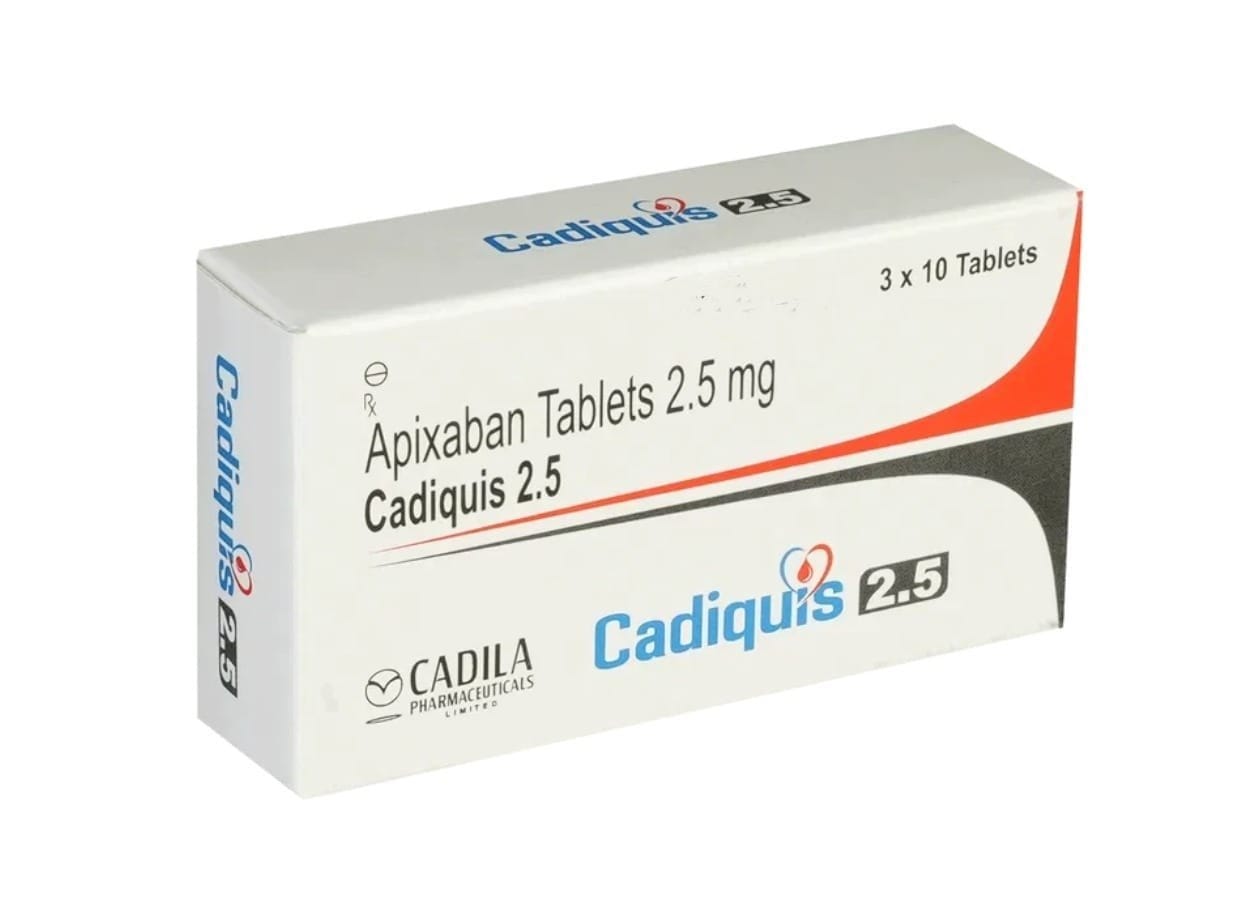
Cadiquis
Cadiquis Medication Overview: Uses, Dosage, and Safety
Price:
$29.99
Secure Encrypted Payments
What Cadiquis Is and How It Works
Cadiquis is a prescription medication dispensed based on a clinician’s written directions. It is used for the condition and treatment goal noted on the prescription, and this page summarizes practical basics like dosing routines, safe handling, and what to review with a pharmacist. Ships from Canada to US may be available for eligible patients paying out of pocket, including people without insurance. BorderFreeHealth coordinates dispensing through licensed Canadian partner pharmacies when eligible.
How this medicine works depends on its active ingredient and how it is intended to help the prescribed condition. The most reliable place to confirm the mechanism is the product monograph (official prescribing information) that comes with the dispensed package, along with the pharmacy label. If the prescription is transferred between jurisdictions or pharmacies, confirming the exact drug name, strength, and directions helps prevent mix-ups.
For related navigation and context, the site also offers browseable hubs such as Cardiovascular Products and condition collections like Blood Clot DVT PE. For educational resources across this therapeutic area, Cardiovascular Post Category can help with background reading before or after a pharmacy consult.
Who It’s For
Cadiquis is intended for patients who have a valid prescription from a licensed prescriber. The specific indication and patient population (for example, adult versus pediatric use) are determined by the prescriber and reflected on the prescription directions. Some therapies are only appropriate after a diagnosis is confirmed and key risk factors are reviewed, so a complete medication and medical history matters.
This treatment may not be appropriate for everyone. Contraindications (reasons a medicine should not be used) and major warnings depend on the active ingredient and are listed in the official prescribing information. Common screening topics across many prescription drugs include allergy to ingredients, pregnancy or breastfeeding considerations, significant kidney or liver problems, and a history of severe reactions to similar medications. For broader condition navigation, see the Stroke Hub, which groups therapies patients may be prescribed after clinical evaluation.
Dosage and Usage
For Cadiquis dosage, the safest reference is the prescription label and the accompanying medication guide. Directions often specify how many units to take, how often to take them, and whether timing matters with meals. If directions are unclear, the right next step is to ask the dispensing pharmacist to confirm the intended schedule rather than guessing or adjusting.
Missed-dose instructions can vary between medications, so it is important to follow the written guidance provided with the dispensed product. If a dose is missed and no instructions are provided, contacting the prescriber or pharmacist for clarification helps reduce the risk of double-dosing or gaps in therapy. For a structured way to prepare questions about dosing instructions and follow-up, the Duloxetine Dosage Conversation Guide offers a helpful template for medication conversations.
Why it matters: Taking doses inconsistently can change how the medicine works and how side effects feel.
Strengths and Forms
Cadiquis may be prescribed in specific dosage forms and strengths depending on what the prescriber selected. The dispensed package and pharmacy label will show the exact form (such as an oral solid dose or another presentation, if applicable) and the strength, typically expressed in mg. Availability can vary by jurisdiction and by the partner pharmacy used for dispensing, so the final dispensed presentation is tied to what is authorized on the prescription.
If a prescription allows substitution, a pharmacy may dispense a therapeutically equivalent version according to local rules, which can affect tablet appearance, packaging, or manufacturer. That change does not automatically mean the medicine is different in clinical effect, but it can create confusion if a patient is not expecting it. Keeping the most recent label and patient information leaflet with the medication is a simple way to verify that the correct drug, strength, and directions were supplied.
Storage and Travel Basics
Storage requirements for Cadiquis should follow the label and the manufacturer’s instructions that come with the dispensed product. Many prescription medicines are stored at controlled room temperature, protected from moisture and direct light, and kept in the original container with the lid tightly closed. Some products have special handling rules, such as protection from heat, refrigeration, or limits on how long they can be kept after opening, so the printed instructions matter.
For travel, keeping medications in carry-on luggage (rather than checked baggage) can reduce exposure to temperature extremes and lost bags. It also helps to keep the pharmacy label visible for identification at security checkpoints. General medication-handling reminders are also covered in broader drug-overview content such as Cymbalta Basics And Dosing, which focuses on how to read and use prescribing information responsibly.
Quick tip: Keep a photo of the label for travel paperwork and refill discussions.
Side Effects and Safety
Side effects with Cadiquis depend on the active ingredient, dose, and patient factors such as other conditions and medications. Some effects are bothersome but not dangerous, like mild stomach upset, headache, or fatigue, while other symptoms may signal a more serious problem. Because reactions can be hard to interpret without knowing the exact formulation, reviewing the dispensed medication guide and calling a pharmacist for clarification is often the safest step when new symptoms appear.
Seek urgent medical care for symptoms that could indicate a severe allergic reaction or other emergency, such as trouble breathing, swelling of the face or throat, severe rash, fainting, or sudden chest pain. Sudden confusion, weakness on one side, or trouble speaking also require emergency evaluation. When required, the pharmacy confirms prescription details directly with the prescriber.
For practical tracking, it can help to note when symptoms start, what changed recently (dose timing, new medicines, alcohol, dehydration), and whether symptoms improve when the next dose is delayed. While focused on a different medication, Recognizing Bupropion Side Effects shows a clear, patient-friendly way to document side effects for a clinician review.
Drug Interactions and Cautions
Drug interactions are highly specific to the active ingredient and can involve prescription drugs, over-the-counter products, vitamins, and herbal supplements. A complete, up-to-date list shared with the prescriber and pharmacist is one of the most effective ways to reduce avoidable interaction risk. Alcohol and cannabis products can also change sedation, coordination, or stomach tolerance for some therapies, so it helps to disclose typical use patterns during medication review.
Cautions may also relate to kidney or liver function, older age, pregnancy, breastfeeding, and planned procedures or surgeries. Even when a product seems familiar, starting or stopping other medicines without a check-in can create problems if metabolic pathways overlap or if effects add up. If a new medication is prescribed by a different clinic, confirming the full medication list and allergies each time can prevent duplication and reduce the chance of an unsafe combination.
Compare With Alternatives
Whether Cadiquis is the best option depends on the diagnosed condition, treatment goals, medical history, and the prescriber’s assessment. If a change is needed, clinicians often consider alternatives within the same therapeutic area, but the comparison points vary by drug class. Topics that commonly guide selection include dosing frequency, whether lab monitoring is needed, kidney or liver considerations, reversal strategies (when relevant), and how other medications fit into the overall regimen.
For example, for certain clot-related indications, a prescriber may discuss options such as apixaban or rivaroxaban as part of shared decision-making. BorderFreeHealth lists related products for reference, including Eliquis Product Page and Xarelto Product Page. These links are for comparison context only; the right choice should be determined by the prescriber based on individual risks and the approved labeling.
Pricing and Access
Pricing for Cadiquis can vary based on the prescribed strength and quantity, the dispensing pharmacy, and any required professional services tied to prescription verification. Some patients use cash-pay options to manage medication access, especially when coverage is limited or unavailable. Cross-border fulfillment is cash-pay only and depends on eligibility and jurisdiction.
BorderFreeHealth supports access pathways that may help patients paying out of pocket, including those without insurance, but the prescription still needs to be valid and appropriate for dispensing. Documentation requirements can differ by medication, and some prescriptions may require additional confirmation steps before a pharmacy can dispense. For general site-wide programs that may apply to eligible orders, visit the Promotions Page.
Authoritative Sources
When questions come up about indications, contraindications, or warnings, the most dependable references are regulator-backed databases and the medication’s official prescribing information. A pharmacist can also help interpret the monograph language and confirm what applies to the exact product and strength that was dispensed. For complex histories or multiple medications, bringing a complete list to a clinician visit supports safer prescribing decisions.
The following sources are useful starting points for verifying drug information:
- For U.S. labeling and approvals database: Drugs@FDA
- For Canadian product listings and monograph access: Health Canada Drug Product Database
- For plain-language medication education: MedlinePlus Drug Information
To place an order through the site, submit prescription details and select prompt, express shipping if available.
This content is for informational purposes only and is not a substitute for professional medical advice.
Express Shipping - from $25.00
Shipping with this method takes 3-5 days
Prices:
- Dry-Packed Products $25.00
- Cold-Packed Products $35.00
Shipping Countries:
- United States (all contiguous states**)
- Worldwide (excludes some countries***)
Standard Shipping - $15.00
Shipping with this method takes 5-10 days
Prices:
- Dry-Packed Products $15.00
- Not available for Cold-Packed products
Shipping Countries:
- United States (all contiguous states**)
- Worldwide (excludes some countries***)
What is Cadiquis used for?
Cadiquis is used for the specific condition and treatment goal written on the prescription from the prescriber. Because brand names can differ by country and similar names can exist, the most reliable way to confirm the intended use is to check the pharmacy label and the accompanying patient information leaflet that comes with the dispensed product. If the indication is not clear, a pharmacist can explain what the medication was prescribed to treat and how it fits into the overall care plan.
How is Cadiquis dosing determined?
Dosing is determined by the prescriber based on the diagnosed condition, patient-specific factors (such as age and kidney or liver function), and the product’s approved labeling. The prescription directions typically specify the dose amount, timing, and whether it should be taken with food. If the directions look different from what was expected, it is important to confirm the instructions with the dispensing pharmacist or prescriber before making changes, since dosing can be sensitive to context.
What should I do if I miss a dose of Cadiquis?
Missed-dose instructions can vary by medication and formulation, so the first step is to follow the written guidance provided with the dispensed product. Many labels include specific rules about when to take a missed dose and when to skip it. If no instructions are provided, contacting a pharmacist or the prescriber for advice is safer than doubling up. Bringing the medication bottle or a photo of the label to the conversation helps confirm the exact product and directions.
Do I need any monitoring or lab tests with Cadiquis?
Monitoring needs depend on the active ingredient, the condition being treated, and individual risk factors. Some medications require periodic lab tests (for example, to assess kidney or liver function), while others rely more on symptom review and medication reconciliation. Follow-up may also be recommended after dose changes, when adding interacting medicines, or if new symptoms appear. The prescriber or pharmacist can explain what monitoring schedule, if any, is expected for the specific Cadiquis prescription and why it matters.
What side effects require urgent attention?
Urgent symptoms can include signs of a severe allergic reaction (trouble breathing, swelling of the face or throat, widespread rash), fainting, severe chest pain, or sudden neurologic symptoms such as weakness on one side, confusion, or difficulty speaking. These require emergency evaluation regardless of the medication involved. Other concerning effects depend on the active ingredient and are listed in the official prescribing information. When new or worsening symptoms occur, reviewing the medication guide and contacting a healthcare professional can help determine next steps.
What should I ask my clinician or pharmacist about Cadiquis?
Useful questions include: what the medication is treating, how long it is expected to be used, and what results or symptom changes should be watched for. It also helps to ask about key warnings, what to do after a missed dose, and which over-the-counter products or supplements should be avoided. Patients can also ask whether any monitoring is recommended and how to handle the medication during travel or illness. Sharing a complete medication list, allergies, and relevant medical history improves the quality of these answers.
Rewards Program
Earn points on birthdays, product orders, reviews, friend referrals, and more! Enjoy your medication at unparalleled discounts while reaping rewards for every step you take with us.
You can read more about rewards here.
POINT VALUE
How to earn points
- 1Create an account and start earning.
- 2Earn points every time you shop or perform certain actions.
- 3Redeem points for exclusive discounts.
How to book an appointment
- 1Create Begin by completing a profile or log into your existing account. This step ensures we have the necessary information to provide you with a service that's tailored to your needs. account and start earning.
- 2Scheduling an appointment with our online booking system is easy. Pick a day and time that suits you. You’ll receive an immediate confirmation, without the wait.
- 3Discuss your concerns and symptoms and receive a thorough diagnosis from one of our licensed doctors during a confidential video appointment.
- 4If you've been prescribed medication, your Rx is sent directly to one of our licensed pharmacies and delivered right to your door.
Get Started
To book an online doctor appointment, register for an account or login. After doing so, you can book your visit on this page.
You Might Also Like
Select options
This product has multiple variants. The options may be chosen on the product page
Select options
This product has multiple variants. The options may be chosen on the product page
Select options
This product has multiple variants. The options may be chosen on the product page
Select options
This product has multiple variants. The options may be chosen on the product page