
Please note: a valid prescription is required for all prescription medication.
Crestor
Buy Crestor Online
Secure Encrypted Payments
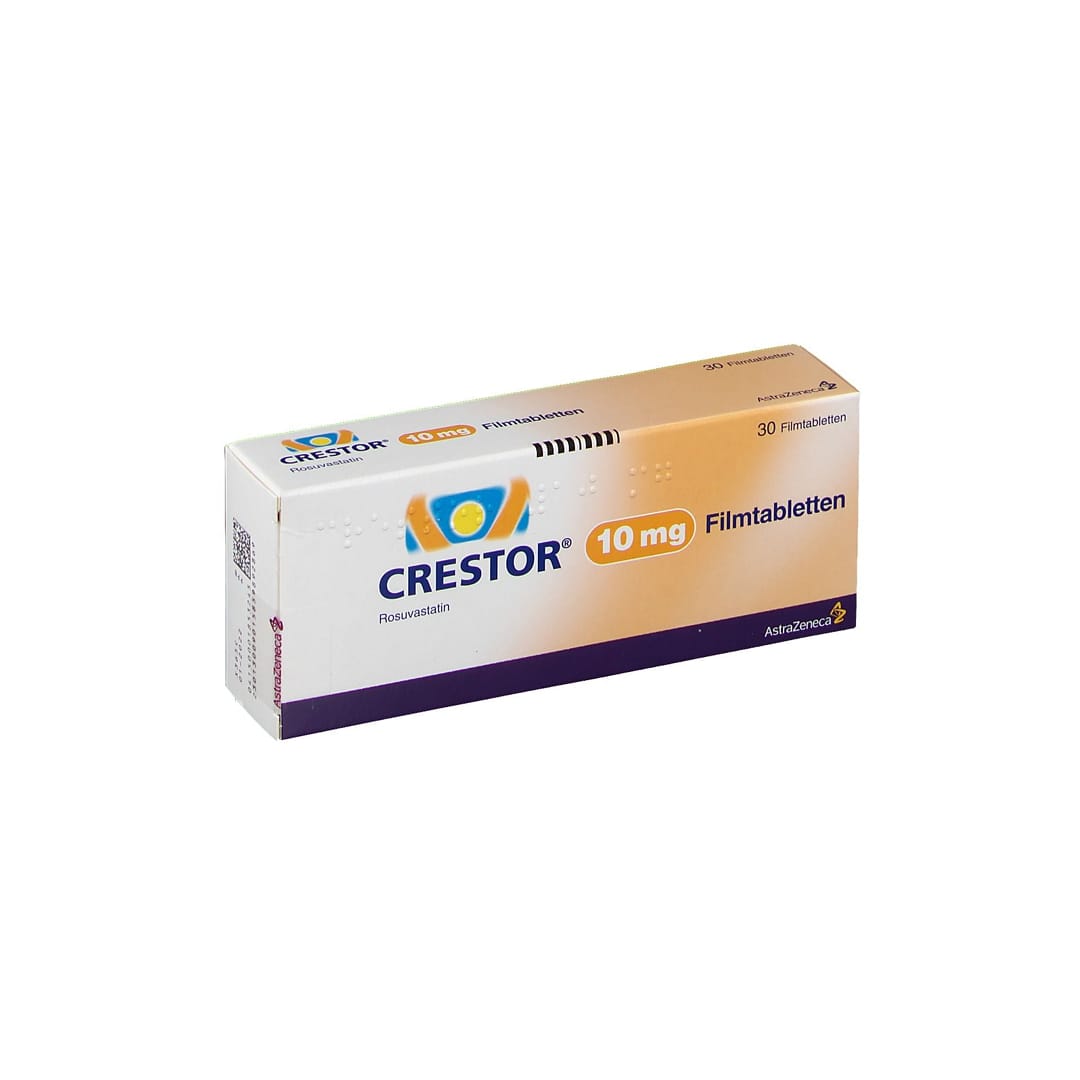
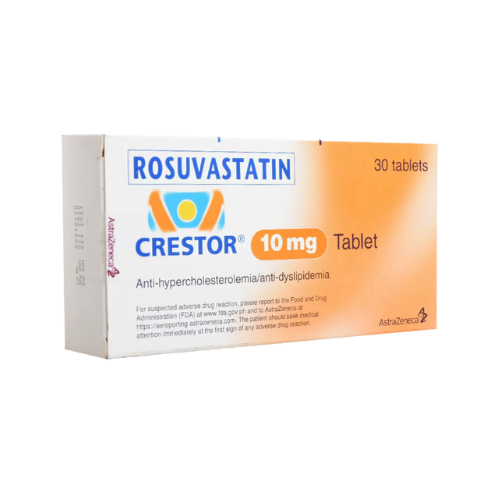
Crestor is a cholesterol medicine that contains rosuvastatin calcium, a statin used with diet and lifestyle measures to lower LDL cholesterol. You can buy Crestor online, view current price information, and choose the tablet strength that matches the directions from your clinician. The tablets are supplied through licensed pharmacies, and your medication list should be reviewed for safety before use.
Crestor is used when lowering “bad” cholesterol is part of a broader plan to reduce lipid levels or manage cardiovascular risk. It may be prescribed for adults with primary hyperlipidemia, mixed dyslipidemia, or inherited high cholesterol, and it may also be used for selected adults who need cardiovascular risk reduction. The right strength depends on cholesterol goals, kidney function, other medicines, and how you have tolerated statins in the past.
Crestor Price, Tablet Strengths, and Ordering Details
Crestor cost can vary by tablet strength, quantity, brand availability, and pharmacy source. During ordering, choose the Crestor tablet strength shown for the medicine and match it carefully to your clinician’s directions. If you are comparing Crestor price against rosuvastatin options, focus on the active ingredient, strength, directions, and whether brand-name Crestor is specifically needed.
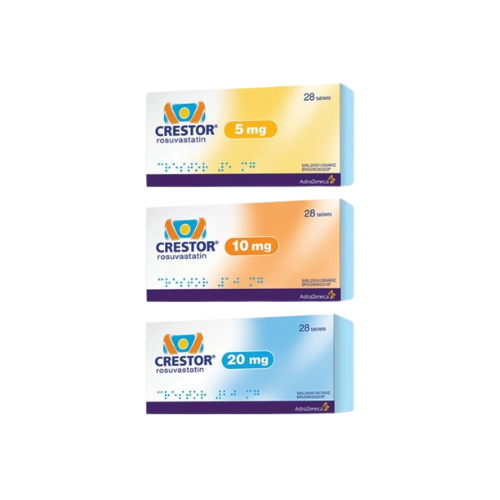
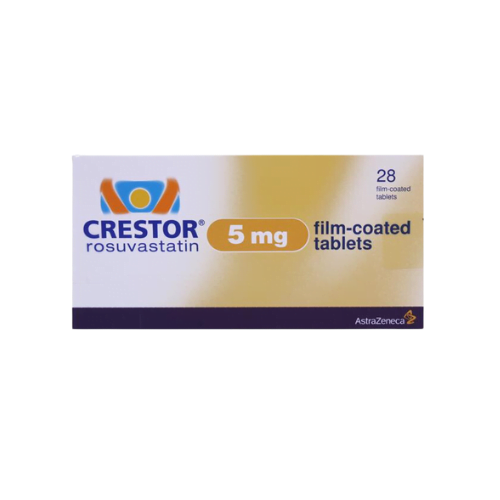
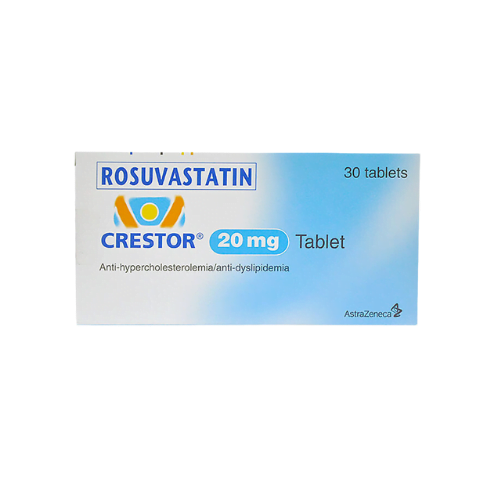
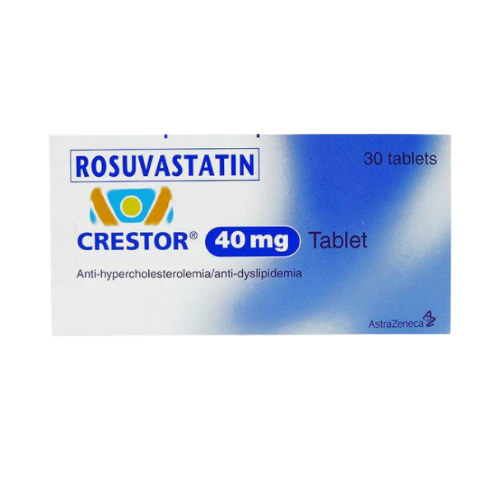
Crestor tablets contain rosuvastatin calcium. Commonly referenced strengths include rosuvastatin calcium 5 mg, rosuvastatin calcium 10 mg, rosuvastatin calcium 20 mg, and rosuvastatin calcium 40 mg. Those numbers describe the amount in each tablet, not how many tablets to take. A Crestor 10mg order, for example, should only be used when that strength matches the instructions you were given.
| Strength | Form | Practical ordering note |
|---|---|---|
| 5 mg | Tablet | Often used when a lower statin strength is preferred. |
| 10 mg | Tablet | A common daily strength for many treatment plans. |
| 20 mg | Tablet | Used when greater LDL cholesterol lowering is needed. |
| 40 mg | Tablet | A higher-strength tablet used selectively with closer safety attention. |
Brand and generic rosuvastatin calcium tablets may look different because color, shape, and imprint can vary by manufacturer. If a refill looks different from a prior Crestor pill, read the label before taking it and ask a pharmacist to confirm the active ingredient and strength if anything is unclear. Do not assume tablet appearance proves the dose.
Quick tip: Keep your current medication list nearby when choosing a strength, especially if another medicine was recently started or stopped.
How Crestor Works and What It Treats
Crestor belongs to a class of medicines called statins. Statins reduce cholesterol production in the liver and help lower LDL cholesterol, which is often called “bad” cholesterol. Rosuvastatin can also lower triglycerides in some people and may raise HDL cholesterol, the “good” cholesterol, as part of an overall lipid plan.
This Crestor medication is commonly used along with diet changes, physical activity, and follow-up blood tests. It may be considered for people with high cholesterol, including those whose LDL remains elevated after lifestyle measures. It may also be used for certain patients with mixed dyslipidemia, where more than one lipid marker is outside the desired range.
Some patients need stronger LDL lowering because of inherited cholesterol disorders. Crestor may be part of treatment for familial hypercholesterolemia, a genetic condition that can cause high LDL levels from an early age. In these cases, treatment decisions often include family history, baseline cholesterol results, age, and long-term cardiovascular risk.
Crestor is not a substitute for diet, activity, or other heart-health measures. It works best as one part of a plan that may include weight management, smoking cessation, blood pressure care, diabetes care, and routine lab monitoring. If you feel well, that does not necessarily mean cholesterol treatment is no longer needed, because cholesterol problems are often silent.
Taking Crestor Tablets Safely
Crestor is usually taken once daily, with or without food. Many people can take rosuvastatin in the morning or evening because it has a long duration of action. Consistency matters more than the exact time, unless your clinician gave you specific timing instructions.
Swallow Crestor tablets as directed on the label. Do not change from Crestor 5mg to Crestor 20 mg, split tablets, or double doses unless a clinician tells you to do so. If you miss a dose, follow the label directions or ask a pharmacist rather than trying to “catch up” with extra tablets.
Follow-up cholesterol testing helps show whether the chosen strength is working as intended. A clinician may also order liver-related blood tests or other labs if symptoms appear or if your medical history calls for closer monitoring. Treatment goals may change after a heart event, a new diagnosis, or a major change in other medicines.
Questions about timing are common, especially for rosuvastatin calcium 10 mg. For many people, the best time is the time they can take it reliably every day. If antacids, supplements, or other medicines are part of your routine, ask how to space them so Crestor can be taken safely.
Safety, Side Effects, and Monitoring
Most people tolerate rosuvastatin medicine, but side effects can occur. Commonly reported effects include headache, nausea, stomach discomfort, constipation, muscle aches, weakness, or tiredness. Mild symptoms may improve, but persistent or worsening symptoms should be discussed with a healthcare professional.
The biggest safety concern with Crestor is unexplained muscle pain, tenderness, cramps, or weakness, especially when symptoms are severe or paired with fever, malaise, or dark urine. Statins can rarely cause serious muscle injury, including rhabdomyolysis. That risk can be higher with kidney problems, higher statin strengths, untreated hypothyroidism, older age, or interacting medicines.
Crestor can also affect the liver. Warning signs that need prompt medical attention include yellowing of the skin or eyes, unusual fatigue, right upper abdominal pain, or very dark urine. People with active liver disease usually need a different plan, and heavy alcohol use should be discussed before continuing statin therapy.
Some people may have changes in blood sugar while taking a statin. This does not mean Crestor should be stopped without guidance, but it does mean diabetes risk and glucose monitoring may matter for certain patients. Report increased thirst, frequent urination, or unexplained fatigue if these symptoms develop.
Serious allergic reactions are uncommon but possible. Seek urgent help for swelling of the face, lips, tongue, or throat, trouble breathing, or a severe rash. If pregnancy occurs or is being planned, contact a clinician promptly because statins are generally avoided during pregnancy, and breastfeeding may require another approach.
Why it matters: New muscle symptoms should be taken seriously because early evaluation can prevent complications.
Interactions and Medical Cautions
Rosuvastatin calcium can interact with other medicines and supplements. Important examples include cyclosporine, gemfibrozil, certain HIV or hepatitis C antiviral regimens, fibrates, and high-dose niacin. These combinations can increase rosuvastatin exposure or raise the chance of muscle-related side effects.
Warfarin and other blood thinners may require closer monitoring when Crestor is started, stopped, or changed. Antacids containing aluminum or magnesium can reduce rosuvastatin absorption if taken at the same time, so spacing instructions matter. Red yeast rice supplements deserve caution because they can add statin-like effects even when sold as natural products.
Kidney disease, liver disease, prior statin intolerance, untreated thyroid problems, and heavy alcohol use can change how Crestor is used. The official label also notes higher rosuvastatin exposure in some Asian patients, which may influence strength selection. These factors are reasons to ask questions before use, not reasons to adjust the dose on your own.
Bring a full list of prescription medicines, non-prescription products, vitamins, and herbal supplements to each medication visit. Include recent antibiotics, antiviral medicines, and cholesterol products, even if you only used them briefly. Short-term medicines can still matter when a statin is part of your routine.
Storage, Travel, and Shipping
Store Crestor tablets at room temperature in the original container, away from excess heat, moisture, and direct light. A dry drawer or cabinet is usually better than a bathroom, where humidity can be high. Keep the cap closed and store tablets out of reach of children and pets.
Do not mix old and new tablets in one bottle unless a pharmacist confirms they are the same active ingredient and strength. If you have both Crestor 5mg and Crestor 10mg at home, keep the bottles separate and read the label each time. Confusing similar tablet bottles can lead to dosing errors.
For travel, carry enough medication for the full trip plus a small margin for delays. Keep Crestor in hand luggage when possible, and avoid leaving tablets in a hot car or checked baggage for long periods. If your order uses US delivery from Canada, handling may include prompt, express shipping, but storage instructions still apply after the medication arrives.
Crestor and Rosuvastatin: Brand, Generic, and Alternatives
Crestor and rosuvastatin are closely related: Crestor is the brand name, and rosuvastatin calcium is the active ingredient. Generic rosuvastatin may be acceptable for many people when the active ingredient and strength match the treatment plan. Some people stay with brand-name Crestor because of prior tolerance, clinician preference, or insurance and supply considerations.
When comparing statins, the useful question is fit, not which medicine is universally best. Rosuvastatin and atorvastatin are often used when stronger LDL lowering is needed. Pravastatin may be considered when interaction concerns are a bigger issue, although it is usually less potent for LDL reduction. Simvastatin remains an option for some patients but has more dose-limit and interaction concerns than several newer statins.
People often ask whether Crestor is the “best” statin. No single statin is best for everyone. The better choice depends on LDL goals, cardiovascular risk, kidney function, medication interactions, side effect history, pregnancy status, and personal treatment priorities.
If you are reviewing broader heart and cholesterol therapies, the cardiovascular products category can help place Crestor among related options. For educational articles on lipid care, prevention, and treatment decisions, the cardiovascular articles section provides additional background.
What to Discuss Before Continuing Crestor
Before using Crestor, be ready to discuss why cholesterol treatment is needed, what LDL goal is being targeted, and how soon follow-up labs should be done. Ask whether your current strength is intended for routine maintenance or for a more aggressive LDL-lowering plan. This is especially important if you have had a heart attack, stroke, stent placement, diabetes, kidney disease, or inherited high cholesterol.
Tell a clinician if you have had muscle symptoms with another statin, unexplained liver test changes, heavy alcohol use, thyroid disease, or kidney problems. Mention pregnancy plans or breastfeeding before continuing. These details can change whether Crestor is appropriate, which strength is chosen, or how closely you need monitoring.
It also helps to ask what side effects should trigger a call and which symptoms need urgent care. Muscle pain that is new, severe, or paired with dark urine should not be ignored. Yellowing skin or eyes, severe fatigue, swelling of the face or throat, or trouble breathing should be treated as urgent warning signs.
Authoritative Sources
For label-based and patient-friendly rosuvastatin information, these sources provide useful safety and use details:
- FDA-approved rosuvastatin prescribing information
- MedlinePlus rosuvastatin drug information
- Mayo Clinic rosuvastatin oral route information
This content is for informational purposes only and is not a substitute for professional medical advice.
BMI Calculator
Estimate adult body mass index from height and weight, with metric and imperial units.
BMI
-
kg/m2 equivalent
Category
-
Adult screening range
These calculations are for education only and do not replace clinical advice, diagnosis, or treatment. Always confirm medical decisions with a qualified healthcare professional.
Blood Pressure Average Calculator
Average home blood pressure readings and show a simple screening range.
Average BP
-
entered readings only
Range
-
screening category
These calculations are for education only and do not replace clinical advice, diagnosis, or treatment. Always confirm medical decisions with a qualified healthcare professional.
Cholesterol Ratio Calculator
Calculate common lipid ratios and non-HDL cholesterol from a standard cholesterol panel.
Total / HDL
-
cholesterol ratio
LDL / HDL
-
lipid ratio
Non-HDL
-
total minus HDL
These calculations are for education only and do not replace clinical advice, diagnosis, or treatment. Always confirm medical decisions with a qualified healthcare professional.
LDL Cholesterol Calculator
Estimate LDL cholesterol from total cholesterol, HDL, and triglycerides using the Friedewald equation.
Estimated LDL
-
Friedewald estimate
Non-HDL
-
total minus HDL
These calculations are for education only and do not replace clinical advice, diagnosis, or treatment. Always confirm medical decisions with a qualified healthcare professional.
Cholesterol Unit Converter
Convert cholesterol and triglyceride values between mg/dL and mmol/L.
mg/dL
-
US lipid unit
mmol/L
-
-
These calculations are for education only and do not replace clinical advice, diagnosis, or treatment. Always confirm medical decisions with a qualified healthcare professional.
Customer Reviews
5.0 Based on 2 Reviews
Write a Review Ask a Question - Reviews
- Questions
Filter Reviews:
RP
05/18/2026
Renee P.  US
USCrestor
This is the only medicine I’ve ever used for lowering my cholesterol. Works very well.
05/20/2026
borderfreehealth.com
Hi Renee! Thank you for sharing your experience with Crestor! We’re delighted to hear that it has been working very well in helping lower your cholesterol. We are committed to providing quality medications you can trust, and we’re glad to know you’ve had a positive experience with the product. Your feedback means a lot to us, and we appreciate the opportunity to support your healthcare journey. Thank you for choosing Border Free Health!
RP
11/02/2025
Renee P. USCrestor
Meds are great - but getting them to me via mail and or UPS was a struggle.
11/03/2025
borderfreehealth.com
Hi Renee!Thank you for sharing your feedback and for choosing Border Free Health! We’re delighted to know that your medication is working well for you. However, we’re truly sorry to hear that the delivery process was a struggle. We understand how important it is for your medications to arrive smoothly and on time, and we sincerely apologize for any inconvenience this caused.Please know that we are continuously working with our shipping partners to improve delivery times and communication, so your future orders will be handled with greater ease and reliability. Your feedback is valuable to us and helps us serve you better.Thank you once again for choosing Border Free Health!
Express Shipping - from $29.99
Shipping with this method takes 3-5 days
Prices:
- Dry-Packed Products $29.99
- Cold-Packed Products $39.99
Shipping Countries:
- United States (all contiguous states**)
- Worldwide (excludes some countries***)
Standard Shipping - $19.99
Shipping with this method takes 5-10 days
Prices:
- Dry-Packed Products $19.99
- Not available for Cold-Packed products
Shipping Countries:
- United States (all contiguous states**)
- Worldwide (excludes some countries***)
What is Crestor used for?
Crestor contains rosuvastatin calcium, a statin used with diet and lifestyle measures to lower LDL cholesterol. It may be used for high cholesterol, mixed dyslipidemia, inherited high cholesterol, and cardiovascular risk reduction in selected adults.
What is the biggest side effect concern with Crestor?
The main serious concern is unexplained muscle pain, tenderness, cramps, or weakness, especially if severe or linked with fever, feeling unwell, or dark urine. These symptoms need prompt medical evaluation because rare serious muscle injury can occur.
When is the best time to take Crestor 10mg?
Many people can take Crestor once daily in the morning or evening. The best time is usually the time you can take it consistently every day, unless your clinician gives different directions.
Is Crestor the same as rosuvastatin?
Crestor is the brand name, and rosuvastatin calcium is the active ingredient. Generic rosuvastatin may be an alternative when the active ingredient, strength, and directions match the treatment plan.
What organs can Crestor affect?
Crestor works mainly through the liver, where cholesterol production is reduced. Liver problems are uncommon but possible, and kidney function can matter because kidney impairment may increase the risk of muscle-related side effects.
Can Crestor interact with other medicines?
Yes. Important interactions can include cyclosporine, gemfibrozil, some HIV or hepatitis C antivirals, fibrates, high-dose niacin, warfarin, and aluminum- or magnesium-containing antacids. Share all medicines and supplements before use.
Rewards Program
Earn points on birthdays, product orders, reviews, friend referrals, and more! Enjoy your medication at unparalleled discounts while reaping rewards for every step you take with us.
You can read more about rewards here.
POINT VALUE
How to earn points
- 1Create an account and start earning.
- 2Earn points every time you shop or perform certain actions.
- 3Redeem points for exclusive discounts.
You Might Also Like
Select options
This product has multiple variants. The options may be chosen on the product page
Select options
This product has multiple variants. The options may be chosen on the product page
Select options
This product has multiple variants. The options may be chosen on the product page
Select options
This product has multiple variants. The options may be chosen on the product page