
Please note: a valid prescription is required for all prescription medication.
Dilantin
Buy Dilantin Online
Secure Encrypted Payments
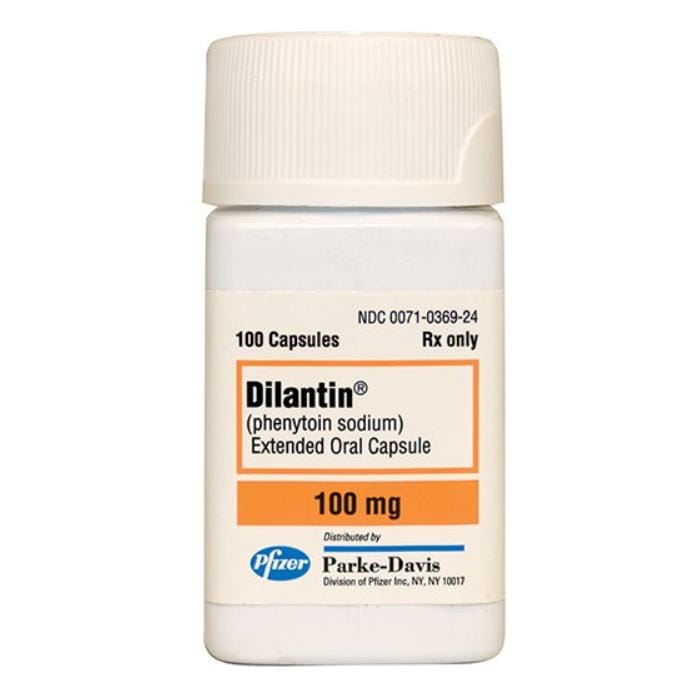
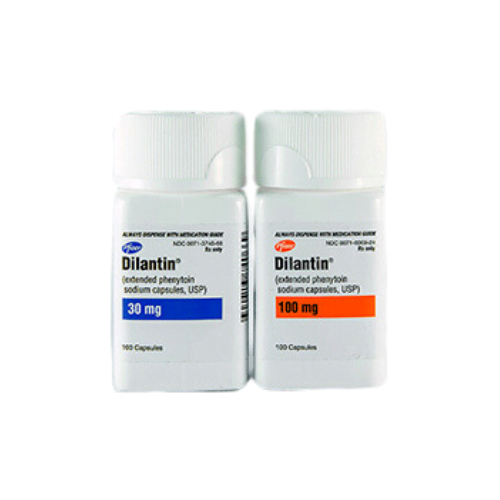
Dilantin is a brand-name antiseizure medicine that contains phenytoin. It can be bought online for ongoing seizure control, and you can choose the dose or strength shown during ordering to match your clinician’s directions. Current pricing is displayed before checkout, so cash-pay customers can plan around the exact form and quantity they need.
Phenytoin is used to help control certain seizure types, especially generalized tonic-clonic seizures and complex partial seizures. Because blood levels, drug interactions, and formulation differences can affect treatment, Dilantin should be used exactly as directed by a qualified healthcare professional.
Dilantin Price, Strength Selection, and Cash-Pay Planning
Dilantin price can vary by brand status, strength, form, quantity, and supply source. People often compare Dilantin 100 mg price, Dilantin brand price, phenytoin cash price, and out-of-pocket cost because antiseizure medicines are often taken long term. The most useful cost step is to match the dose and form on your medication directions, then view the current price during ordering.
Do not switch between capsule, chewable tablet, or other phenytoin forms just to lower cost unless a clinician confirms the change. Phenytoin absorption can differ by product type, and small changes in exposure may matter for seizure control or side effects. If cost is a concern, ask whether a generic phenytoin product, a different quantity, or another antiseizure medicine could be appropriate for your treatment plan.
BorderFreeHealth supports cash-pay ordering for U.S. customers using licensed pharmacy channels. US shipping from Canada may be available for eligible medication requests, with prompt, express shipping used as a service option when applicable. For condition-focused browsing, the seizure treatment collection groups related medicines and education in one place.
Quick tip: Keep the exact medicine name, strength, and form from your medication label handy before placing an order.
What Dilantin Is Used For
Dilantin is used to treat certain seizure disorders. Official labeling describes use for generalized tonic-clonic seizures, also called grand mal seizures, and complex partial seizures, also called psychomotor or temporal lobe seizures. In some clinical settings, phenytoin may also be used to help prevent seizures around neurosurgery, depending on the product label and clinician judgment.
It is not a pain medicine, sedative, or opioid. Dilantin is not stronger than morphine because the two medicines are used for completely different purposes. Morphine treats pain, while phenytoin helps reduce abnormal electrical activity in the brain that can trigger seizures.
Dilantin is still used today, although many newer antiseizure medicines are also available. A clinician may consider phenytoin when the seizure type, past response, interaction profile, blood-level monitoring plan, and overall risks make it a reasonable choice. For broader background on seizure disorders, see the Seizures condition area.
How Phenytoin Works
Phenytoin is an anticonvulsant, meaning a medicine used to help prevent seizures. It acts mainly on sodium channels in nerve cells. By helping stabilize overactive electrical signaling, it can reduce the likelihood of seizure activity in people whose seizure type responds to this mechanism.
Phenytoin has a narrow therapeutic range. That means the amount in the bloodstream needs to stay within a careful window for many people. Too little may not control seizures well, while too much can increase side effects such as unsteadiness, eye movement changes, confusion, or severe drowsiness.
Clinicians may use blood tests to measure phenytoin levels, especially after dose changes, formulation changes, new interacting medicines, or symptoms suggesting high levels. Liver function, age, albumin levels, pregnancy status, and other medicines can also influence how phenytoin behaves in the body.
Forms, Brand Names, and Generic Phenytoin
Dilantin is the brand name for phenytoin products. Depending on the market and label, phenytoin may be supplied as extended-release oral capsules, chewable tablets, or other oral forms. Commonly referenced Dilantin presentations include extended phenytoin sodium capsules and Dilantin Infatab chewable tablets, but the form you use should match the directions from your clinician and the medicine label.
Generic Dilantin usually refers to generic phenytoin. Generic phenytoin 100 mg, phenytoin sodium extended 100 mg, and phenytoin 300 mg capsule searches often reflect cost questions, but strength terms alone do not determine whether a product is interchangeable for an individual. Extended-release, immediate-release, and chewable products can differ in how they are absorbed and taken.
If the appearance of your medicine changes between refills, ask a pharmacist or clinician to confirm it is the intended product. This is especially important with phenytoin because formulation differences can affect blood levels. Never assume a capsule and chewable tablet can be swapped on a one-for-one basis without guidance.
How to Take Dilantin Safely
Dilantin is usually taken on a regular schedule. The exact amount and timing are individualized, based on seizure type, blood levels when monitored, age, liver function, other medicines, and the specific form being used. Taking it at the same times each day helps maintain steadier levels.
If a dose is missed, follow the instructions given by your clinician or pharmacist. Avoid doubling doses unless you have been specifically told to do so. Stopping phenytoin suddenly can increase the risk of breakthrough seizures or seizure worsening in some people, so any discontinuation or change should be planned with medical supervision.
Chewable forms are generally intended to be chewed before swallowing, unless the label says otherwise. Extended-release capsules should be handled according to their labeling and should not be crushed or changed unless a healthcare professional confirms it is safe. For plain-language information about treatment selection, the article on seizure medicines for epilepsy can help frame questions for your care team.
Side Effects, Warnings, and Monitoring
Common phenytoin side effects can include dizziness, drowsiness, nausea, vomiting, constipation, headache, blurred vision, and problems with coordination or balance. Some effects are more likely when blood levels are high. Gum overgrowth can also occur, so dental care, brushing, flossing, and regular dental visits are practical parts of long-term use.
Serious reactions need urgent attention. Seek medical help right away for widespread rash, blistering, peeling skin, mouth sores, fever, facial swelling, swollen glands, trouble breathing, yellowing skin or eyes, unusual bruising, severe fatigue, or a major change in mood or behavior. Phenytoin has been associated with severe skin reactions, liver injury, blood problems, and hypersensitivity reactions in some people.
Some individuals may need closer monitoring. This can include people with liver disease, low albumin, certain genetic risk factors, a history of serious drug rash, pregnancy or pregnancy planning, older age, or complex medication regimens. Phenytoin may also affect vitamin D and bone health during long-term therapy, so clinicians may consider bone-health monitoring or supplementation when appropriate.
Antiseizure medicines, including phenytoin, can be associated with mood changes or suicidal thoughts in a small number of people. Contact a healthcare professional promptly if depression, agitation, panic, unusual behavior changes, or self-harm thoughts appear. Safety decisions should be individualized rather than based only on general side-effect lists.
Drug Interactions and When to Be Cautious
Dilantin has many possible drug interactions. Phenytoin can affect liver enzymes that process medicines, and other medicines can raise or lower phenytoin levels. These changes may increase side effects, reduce seizure control, or alter how other treatments work.
Important interaction areas include hormonal contraceptives, blood thinners, some antibiotics, antifungal medicines, antidepressants, other antiseizure medicines, corticosteroids, antacids, supplements, and alcohol. Hormonal birth control may be less effective for some people taking phenytoin, so pregnancy-prevention planning should be discussed with a clinician.
Alcohol can complicate phenytoin use. Acute and chronic alcohol patterns may affect side effects, blood levels, and seizure risk differently. A complete medication list, including over-the-counter products and supplements, helps your care team screen for interaction problems before they affect seizure control.
Why it matters: Interaction screening can prevent avoidable toxicity, breakthrough seizures, and reduced effectiveness of other medicines.
Storage and Travel Basics
Store Dilantin according to the label, typically at controlled room temperature and away from excess heat, moisture, and direct light. Keep it in the original labeled container whenever possible. This reduces mix-ups and helps pharmacists identify the medicine if questions arise.
Do not use tablets or capsules that appear damaged, discolored, wet, crumbling, or otherwise changed. Ask a pharmacist before using medicine that looks different from a prior refill. Product appearance can change for legitimate reasons, but phenytoin is important enough that confirmation is worthwhile.
For travel, keep doses in carry-on luggage rather than checked bags. Bring the labeled container or a current medication list. When crossing time zones, ask how to maintain a steady schedule without taking doses too close together. Refill planning is especially important for seizure medicines because missed doses can raise the risk of breakthrough seizures.
How Dilantin Compares With Other Seizure Medicines
Dilantin is not the same as gabapentin. Gabapentin is also used in neurology, but it is a different medicine with different uses, dosing patterns, interactions, and seizure-related roles. A clinician chooses between antiseizure medicines based on seizure type, other health conditions, pregnancy considerations, side-effect risks, and current medications.
Other antiseizure medicines may include lamotrigine, oxcarbazepine, carbamazepine, levetiracetam, and others. Some have fewer enzyme-related interactions than phenytoin, while others may be preferred for particular seizure patterns or patient-specific factors. A switch should be gradual and supervised when seizure control could be affected.
For related browsing, the Neurology category includes medicines used across neurologic conditions. Additional educational articles are organized under Neurology Posts, which may be useful when preparing questions about monitoring, side effects, or alternative therapies.
Questions to Ask Before Ordering
Before buying Dilantin, confirm the exact active ingredient, brand or generic preference, strength, form, and quantity you are expected to use. Ask whether blood-level monitoring is planned after starting, changing dose, switching formulations, or adding interacting medicines. These details help align the product you order with the clinical plan.
It is also worth asking what side effects should trigger urgent care and which symptoms should prompt a routine call. People taking phenytoin long term may need dental follow-up, lab monitoring, and periodic medication reviews. If you are pregnant, planning pregnancy, or using hormonal contraception, discuss the risks and precautions before making changes.
Cost questions are reasonable for long-term therapy. Ask whether brand Dilantin is required, whether generic phenytoin is acceptable, and whether a different form could change monitoring needs. The safest lower-cost choice is the one your clinician agrees still fits your seizure history and monitoring plan.
Authoritative Sources
Official and medically reviewed references provide the most reliable details on indications, warnings, side effects, and formulation-specific instructions. Use them alongside directions from your own healthcare professional.
- Official Dilantin Infatab prescribing information
- FDA Dilantin labeling
- MedlinePlus phenytoin medication safety summary
Reading the label for the exact form matters because administration instructions, inactive ingredients, and warnings can differ. A pharmacist can also explain what to do if the medicine’s appearance, manufacturer, or directions change.
This content is for informational purposes only and is not a substitute for professional medical advice.
Creatinine Clearance Calculator
Estimate creatinine clearance using the Cockcroft-Gault equation.
CrCl
-
mL/min estimate
These calculations are for education only and do not replace clinical advice, diagnosis, or treatment. Always confirm medical decisions with a qualified healthcare professional.
Body Surface Area Calculator
Calculate body surface area from height and weight using the Mosteller equation.
BSA
-
m2, Mosteller equation
These calculations are for education only and do not replace clinical advice, diagnosis, or treatment. Always confirm medical decisions with a qualified healthcare professional.
Ideal & Adjusted Body Weight Calculator
Estimate ideal body weight with the Devine equation and adjusted body weight when actual weight is above the estimate.
Ideal body weight
-
Devine equation
Adjusted body weight
-
IBW + 0.4 x excess weight
Difference from IBW
-
actual minus ideal
These calculations are for education only and do not replace clinical advice, diagnosis, or treatment. Always confirm medical decisions with a qualified healthcare professional.
Express Shipping - from $29.99
Shipping with this method takes 3-5 days
Prices:
- Dry-Packed Products $29.99
- Cold-Packed Products $39.99
Shipping Countries:
- United States (all contiguous states**)
- Worldwide (excludes some countries***)
Standard Shipping - $19.99
Shipping with this method takes 5-10 days
Prices:
- Dry-Packed Products $19.99
- Not available for Cold-Packed products
Shipping Countries:
- United States (all contiguous states**)
- Worldwide (excludes some countries***)
What is Dilantin used for?
Dilantin contains phenytoin, an antiseizure medicine used to help control certain seizures, including generalized tonic-clonic seizures and complex partial seizures. Some labeling also describes use for seizure prevention around neurosurgery. Your clinician should confirm that it fits your seizure type and medical history.
Is Dilantin the same as gabapentin?
No. Dilantin is phenytoin, while gabapentin is a different medicine. Both may appear in neurology care, but they have different uses, dosing approaches, side effects, and interaction profiles. Do not substitute one for the other unless a clinician specifically directs a change.
Is Dilantin still used today?
Yes. Dilantin is still used for certain seizure disorders, although many newer antiseizure medicines are also available. Its role depends on seizure type, prior response, side-effect risk, interactions, and whether blood-level monitoring is appropriate.
What side effects should I watch for with Dilantin?
Common side effects can include dizziness, drowsiness, nausea, blurred vision, and unsteadiness. Seek urgent care for severe rash, blistering, facial swelling, breathing trouble, yellowing skin or eyes, unusual bruising, extreme fatigue, or major mood changes.
Can Dilantin interact with other medicines?
Yes. Phenytoin has many interactions and can change how other medicines work. Important examples include hormonal contraceptives, blood thinners, other seizure medicines, certain antibiotics or antifungals, antacids, supplements, and alcohol. Keep an updated medication list for clinical review.
Rewards Program
Earn points on birthdays, product orders, reviews, friend referrals, and more! Enjoy your medication at unparalleled discounts while reaping rewards for every step you take with us.
You can read more about rewards here.
POINT VALUE
How to earn points
- 1Create an account and start earning.
- 2Earn points every time you shop or perform certain actions.
- 3Redeem points for exclusive discounts.
You Might Also Like
Select options
This product has multiple variants. The options may be chosen on the product page
Select options
This product has multiple variants. The options may be chosen on the product page
Select options
This product has multiple variants. The options may be chosen on the product page
Select options
This product has multiple variants. The options may be chosen on the product page