
Please note: a valid prescription is required for all prescription medication.
Forxiga
Buy Forxiga Online
Secure Encrypted Payments
Forxiga is a dapagliflozin tablet used in adults for type 2 diabetes and, in selected cases, heart failure or chronic kidney disease. You can buy Forxiga online, view current price information, and choose the dose or strength shown during ordering so it matches the directions from your clinician.
Dapagliflozin belongs to a medicine class called SGLT2 inhibitors, which help the kidneys pass more glucose into the urine. The same class may also support heart and kidney care in certain adults, which is why the reason for treatment matters before starting or continuing it.
Forxiga Price, Strength, and Ordering Basics
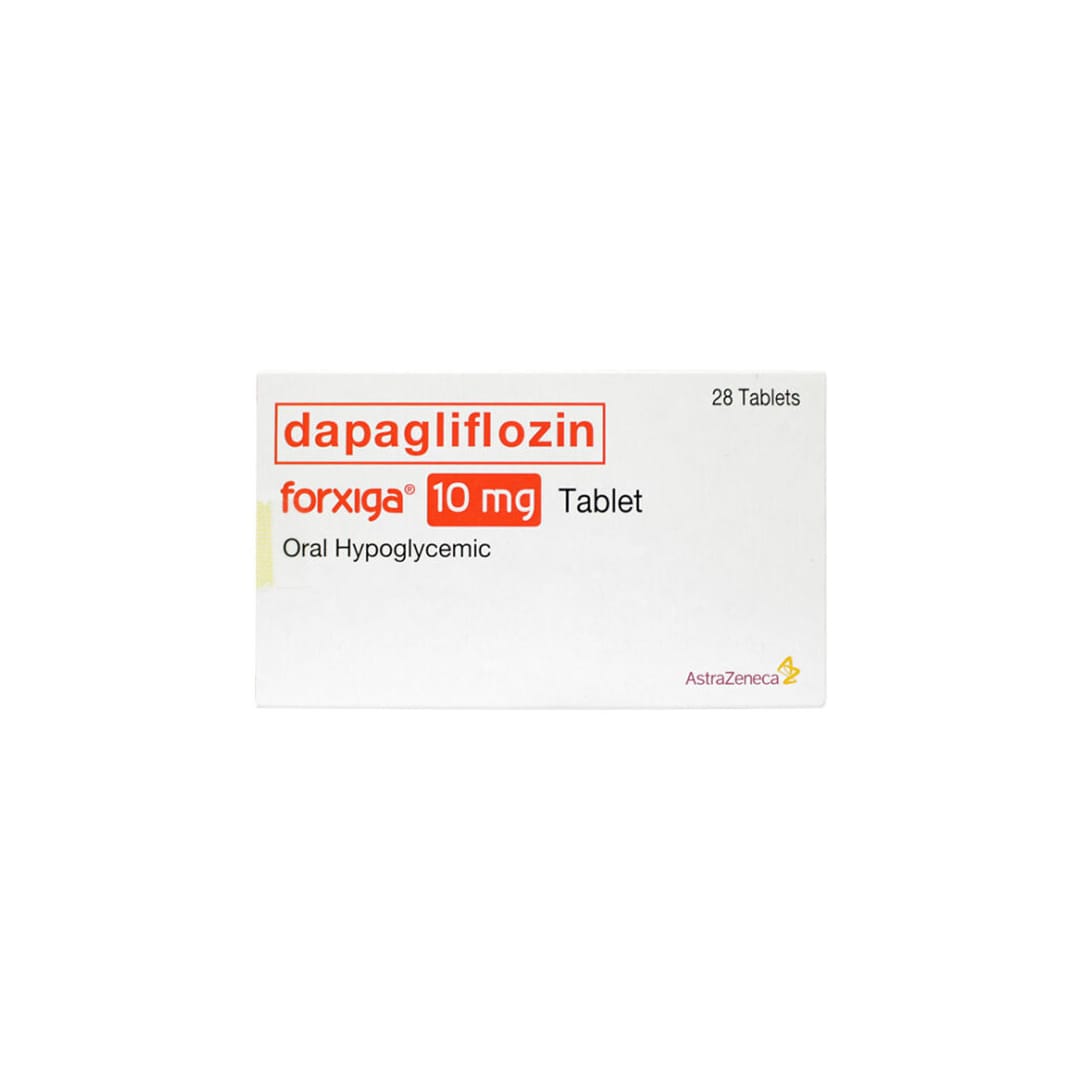
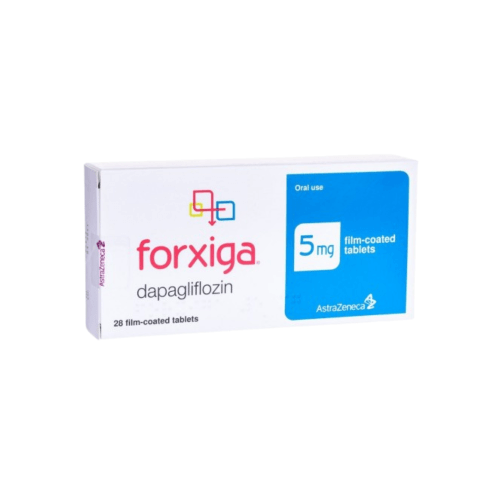
Forxiga price can vary by strength, quantity, sourcing, and the current cash-pay amount shown during ordering. Cost questions often focus on 5 mg or 10 mg tablets, but the right choice should follow the strength and directions written for your treatment plan rather than a search result or a previous bottle.
Before placing an order, match the medication name, active ingredient, strength, and daily directions to your current label. Forxiga and Farxiga are regional brand names for dapagliflozin, so the product name may differ across countries while the active ingredient remains the key point to verify.
- Confirm the active ingredient is dapagliflozin.
- Select the strength that matches your label.
- Check the quantity against your refill schedule.
- Keep a current medicine list for safety checks.
- Ask about pauses during illness or surgery.
BorderFreeHealth can support US delivery from Canada for eligible cash-pay customers, and products are supplied through licensed pharmacies. If your order requires clinical clarification, order details may be reviewed before the pharmacy supplies the medicine.
Quick tip: Keep your most recent medication label nearby when choosing the strength.
What Forxiga Is Used For
Forxiga is used in adults with Type 2 Diabetes to help improve blood sugar control when paired with diet, activity, and the rest of the treatment plan. In this setting, it lowers blood glucose by increasing glucose removal through urine rather than by making the pancreas release more insulin.
Dapagliflozin may also be used for certain adults with heart failure or chronic kidney disease, depending on the person’s diagnosis and local labeling. These uses are different from simply lowering a blood sugar number, so kidney function, fluid balance, blood pressure, and other heart or kidney medicines should be considered together.
Forxiga is not a treatment for type 1 diabetes, and it is not used to treat diabetic ketoacidosis. Diabetic ketoacidosis is a dangerous acid buildup in the blood that needs urgent medical care, even if glucose readings are not extremely high.
| Use question | Practical answer |
|---|---|
| Type 2 diabetes | Used to help improve blood sugar control in adults when clinically appropriate. |
| Heart failure | May be used in selected adults as part of a broader heart failure plan. |
| Chronic kidney disease | May be used in selected adults to support kidney-related treatment goals. |
| Type 1 diabetes or ketoacidosis | Not used for type 1 diabetes or to treat diabetic ketoacidosis. |
How Dapagliflozin Works
Dapagliflozin blocks sodium-glucose cotransporter 2, or SGLT2, in the kidneys. In plain terms, it reduces how much glucose the kidneys return to the blood and increases how much glucose leaves the body in urine.
That kidney-based action explains several everyday effects. Some people urinate more, feel thirstier, or notice dizziness if fluid intake is low. It also explains why kidney function and hydration status are important when deciding whether this medicine still fits your overall plan.
The medicine does not work like insulin, and it does not usually cause low blood sugar by itself. Low blood sugar becomes more likely when dapagliflozin is used with insulin or sulfonylureas, which are older diabetes tablets that increase insulin release.
How to Take Forxiga
Forxiga is usually taken once daily as an oral tablet, with or without food. Many people take it at the same time each day because a consistent routine reduces missed doses and makes monitoring easier.
The best time of day is the time that matches your label and is realistic for you. Because urination may increase, some people prefer taking it earlier, but individualized timing should account for work schedules, other medicines, and any instructions about illness or procedures.
- Take it once daily if that is your labeled schedule.
- Swallow the tablet as directed.
- Use it with or without food unless told otherwise.
- Do not double a missed dose.
- Follow specific sick-day instructions.
Illness, vomiting, dehydration, prolonged fasting, or planned surgery can change how safely this medicine fits. Ask your healthcare professional what to do if you cannot eat or drink normally, since temporary pauses may be part of a safe plan for some people.
Strengths, Forms, and Brand Naming
Forxiga is supplied as an oral tablet. Common strengths may include 5 mg and 10 mg tablets, depending on the market and the directions written for the individual. Choose the strength shown during ordering only if it matches your current treatment instructions.
The same active ingredient is marketed under different brand names in different regions. Forxiga is commonly used outside the United States, while Farxiga is a familiar name for dapagliflozin in the U.S. This naming difference does not replace the need to check the active ingredient, strength, and directions.
| Product feature | What to check |
|---|---|
| Active ingredient | Dapagliflozin. |
| Form | Oral tablet. |
| Common strengths | 5 mg and 10 mg tablets may be used in some markets. |
| Brand names | Forxiga and Farxiga are regional brand names for dapagliflozin. |
Strength-specific cost questions, such as Forxiga 10 mg price or Forxiga 5 mg price, are common. The safest starting point is still the labeled strength, because changing tablet strength without guidance can alter your daily dose.
Storage, Travel, and Delivery Planning
Store Forxiga according to the pharmacy label, usually at controlled room temperature and away from excess moisture. Keep tablets in the original blister pack or labeled container until use, and avoid bathrooms, hot cars, or damp storage areas.
When traveling, carry the medicine in labeled packaging so the name and strength are easy to identify. If you cross time zones, a once-daily routine often remains manageable, but large schedule changes are worth discussing with a pharmacist or clinician.
Orders may include prompt, express shipping after pharmacy processing. Keep enough supply on hand for weekends, holidays, travel, and refill timing, especially if your treatment plan also includes insulin, blood pressure medicines, or kidney-related monitoring.
For broader care planning, the Type 2 Diabetes Articles section covers lifestyle, monitoring, and medication topics that can help you prepare better questions for your next visit.
Side Effects, Warnings, and Monitoring
Common side effects of dapagliflozin can include increased urination, thirst, genital yeast infections, urinary symptoms, and dizziness. These effects connect to how the medicine works through the kidneys and how it changes glucose and fluid handling.
Urinary burning, urgency, genital itching, discharge, or irritation should be taken seriously, especially if symptoms return or worsen. People with a history of repeated urinary tract infections or genital yeast infections may need closer follow-up while taking an SGLT2 inhibitor.
Serious problems are less common but important. Seek prompt medical care for nausea, vomiting, stomach pain, unusual tiredness, deep or rapid breathing, confusion, fever, severe genital pain, or signs of dehydration. These symptoms can point to ketoacidosis, severe infection, or fluid imbalance.
Kidney function is an important part of safe use. Forxiga is not simply “hard on” one organ in every person, but it acts through the kidneys and can affect fluid balance. A clinician may check kidney-related labs before treatment and during follow-up, especially in older adults or people taking medicines that affect blood pressure or fluid levels.
Why it matters: Dehydration can increase dizziness, kidney stress, and ketoacidosis risk.
- Report severe thirst, fainting, or ongoing vomiting.
- Ask about kidney monitoring intervals.
- Watch for genital or urinary infection symptoms.
- Discuss surgery, fasting, or low-carbohydrate diets.
- Review low blood sugar risk with insulin use.
Interactions and People Who Need Extra Caution
Interactions with Forxiga are often practical. Insulin and sulfonylureas can raise the chance of low blood sugar when used in the same regimen. Diuretics, sometimes called water pills, can add to fluid loss and may make dizziness or low blood pressure more noticeable.
Extra caution is also sensible during heavy alcohol use, prolonged fasting, very low-carbohydrate eating, acute illness, vomiting, or poor fluid intake. These situations may raise the risk of ketoacidosis, including cases where blood glucose is not as high as expected.
Pregnancy, breastfeeding, frailty, advanced kidney problems, repeated infections, or major upcoming procedures should be discussed before continuing or restarting the medicine. A current list of supplements, diabetes medicines, blood pressure medicines, and kidney-related treatments helps the care team spot overlapping risks.
How Forxiga Compares With Nearby Options
Forxiga is part of the SGLT2 inhibitor class. Another medicine in the same class is empagliflozin, often known by the brand name Jardiance. Same-class options may overlap in purpose, but labeling, kidney criteria, side effects, and individual fit can differ.
Metformin works differently and is often used early in type 2 diabetes treatment. It does not have the same urinary glucose-removal mechanism, and it may carry different stomach-related and kidney-related considerations. Semaglutide products are another separate class and may be oral or injectable depending on the product.
| Option | How it differs | Decision point |
|---|---|---|
| Metformin | Different mechanism and often used as an early diabetes medicine. | Stomach tolerance, kidney function, and glucose goals. |
| Empagliflozin | Same SGLT2 inhibitor class as dapagliflozin. | Label differences, kidney criteria, and side-effect history. |
| Semaglutide products | Different class that may affect appetite and digestion. | Route, nausea risk, and broader treatment priorities. |
The most useful comparison starts with your diagnosis. Blood sugar control, heart failure goals, kidney protection, weight-related priorities, infection history, and daily pill burden can all affect whether dapagliflozin or another medicine makes sense.
The Diabetes Care category can help place Forxiga alongside other diabetes-related medicines and supplies. Country-of-origin filters such as Canada, Vietnam, India, and English alternative packaging may also help when reviewing sourcing and label presentation.
Questions to Ask Before You Start or Refill
Forxiga works best when the reason for use, monitoring plan, and daily routine are clear. Before starting or refilling, ask how it fits with your kidney function, blood pressure, hydration status, and other diabetes or heart medicines.
If you use insulin or a sulfonylurea, ask how to recognize and manage low blood sugar. If you have heart failure or chronic kidney disease, ask which lab results or symptoms should prompt earlier follow-up.
Good questions include whether you need sick-day instructions, how to handle missed doses, when to pause before surgery, and which infection symptoms require care. These practical answers matter as much as the tablet strength because they affect safe day-to-day use.
Authoritative Sources
For approved use and safety details, see the EMA Forxiga medicine overview.
For plain-language information about dapagliflozin use and side effects, see the NHS dapagliflozin guide.
For consumer label wording, see the AstraZeneca Forxiga consumer information leaflet.
This content is for informational purposes only and is not a substitute for professional medical advice.
Blood Glucose Unit Converter
Convert glucose readings between mg/dL and mmol/L without changing the clinical value.
mg/dL
-
US reporting unit
mmol/L
-
International reporting unit
These calculations are for education only and do not replace clinical advice, diagnosis, or treatment. Always confirm medical decisions with a qualified healthcare professional.
HbA1c & eAG Calculator
Convert between HbA1c percentage and estimated average glucose using the ADAG relationship.
HbA1c
-
percentage
eAG mg/dL
-
estimated average glucose
eAG mmol/L
-
estimated average glucose
These calculations are for education only and do not replace clinical advice, diagnosis, or treatment. Always confirm medical decisions with a qualified healthcare professional.
eGFR Calculator
Estimate kidney filtration using the 2021 CKD-EPI creatinine equation.
eGFR
-
mL/min/1.73 m2
G category
-
requires clinical context
These calculations are for education only and do not replace clinical advice, diagnosis, or treatment. Always confirm medical decisions with a qualified healthcare professional.
Urine Albumin-Creatinine Ratio Calculator
Calculate urine albumin-creatinine ratio from spot urine albumin and creatinine values.
uACR
-
mg/g
uACR
-
mg/mmol
Category
-
A1/A2/A3 albuminuria range
These calculations are for education only and do not replace clinical advice, diagnosis, or treatment. Always confirm medical decisions with a qualified healthcare professional.
Corrected Sodium Calculator
Estimate sodium corrected for hyperglycemia using common 1.6 and 2.4 correction factors.
Corrected sodium
-
1.6 factor
Corrected sodium
-
2.4 factor
These calculations are for education only and do not replace clinical advice, diagnosis, or treatment. Always confirm medical decisions with a qualified healthcare professional.
Customer Reviews
5.0
Based on 1 Reviews
Write a Review
Ask a Question
- Reviews
- Questions
Filter Reviews:
KM
04/21/2025
Kathy M.  US
USForxiga
Using it is fine but the waiting for delivery is bad.? Was off of it 6+ weeks waiting on the order to get straightened out and delivered. I take it for kidney disease and don’t like this.
04/22/2025
borderfreehealth.com
Hi Kathy,We’re truly sorry to hear about the delay and the impact it had on your treatment. We understand how critical Forxiga is and we deeply regret the extended wait time. Your health is our priority, and we never want you to go without your essential medication.We will assign a team member to contact you directly to further review your order and ensure steps are taken to avoid delays in the future. We appreciate your patience and the chance to make this right.Thank you for choosing Border Free Health. Have a great day!
Express Shipping - from $29.99
Shipping with this method takes 3-5 days
Prices:
- Dry-Packed Products $29.99
- Cold-Packed Products $39.99
Shipping Countries:
- United States (all contiguous states**)
- Worldwide (excludes some countries***)
Standard Shipping - $19.99
Shipping with this method takes 5-10 days
Prices:
- Dry-Packed Products $19.99
- Not available for Cold-Packed products
Shipping Countries:
- United States (all contiguous states**)
- Worldwide (excludes some countries***)
What is Forxiga used for?
Forxiga is used in adults with type 2 diabetes to help improve blood sugar control. It may also be used in selected adults with heart failure or chronic kidney disease, depending on the diagnosis and clinical plan.
What are common side effects of Forxiga?
Common side effects can include increased urination, thirst, genital yeast infections, urinary symptoms, and dizziness. Low blood sugar is more likely when dapagliflozin is combined with insulin or a sulfonylurea.
When is the best time to take Forxiga?
Forxiga is usually taken once daily, with or without food, at a consistent time. Some people prefer an earlier dose because urination may increase, but the best timing should follow your label and daily routine.
Is Forxiga the same as Farxiga?
Forxiga and Farxiga are regional brand names for dapagliflozin. Always check the active ingredient, strength, and directions on the label before using a new supply.
Can Forxiga affect the kidneys?
Forxiga acts through the kidneys, so kidney function and hydration matter. A clinician may monitor kidney-related labs and may reassess use during dehydration, severe illness, or major surgery.
Does Forxiga cause weight loss?
Some people may notice modest weight changes because glucose is lost in urine, but Forxiga should not be used as a weight-loss medicine. Discuss weight goals and safety concerns with a healthcare professional.
What should I ask before refilling Forxiga?
Ask whether your kidney function, blood pressure, infection history, and other medicines still fit with dapagliflozin. Also ask about missed doses, sick-day instructions, surgery pauses, and symptoms that need urgent care.
Rewards Program
Earn points on birthdays, product orders, reviews, friend referrals, and more! Enjoy your medication at unparalleled discounts while reaping rewards for every step you take with us.
You can read more about rewards here.
POINT VALUE
How to earn points
- 1Create an account and start earning.
- 2Earn points every time you shop or perform certain actions.
- 3Redeem points for exclusive discounts.
You Might Also Like
Select options
This product has multiple variants. The options may be chosen on the product page
Select options
This product has multiple variants. The options may be chosen on the product page
Select options
This product has multiple variants. The options may be chosen on the product page
Select options
This product has multiple variants. The options may be chosen on the product page