
Please note: a valid prescription is required for all prescription medication.
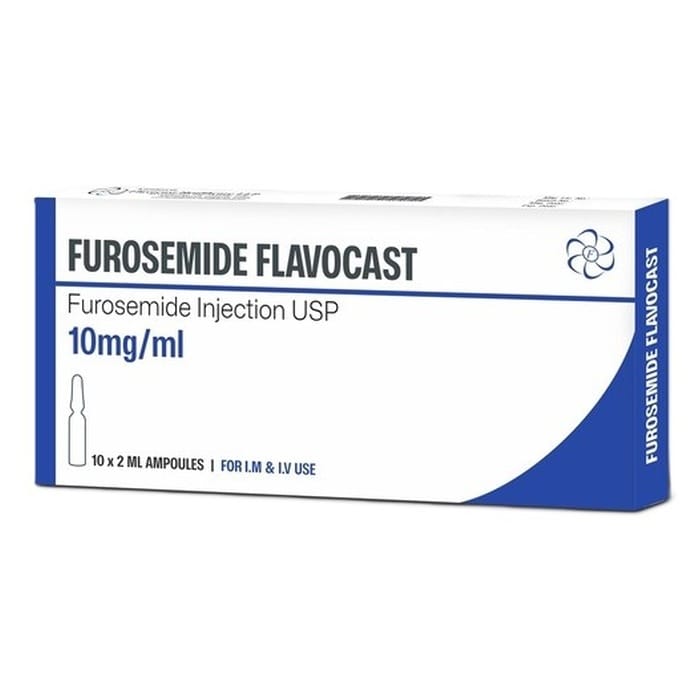
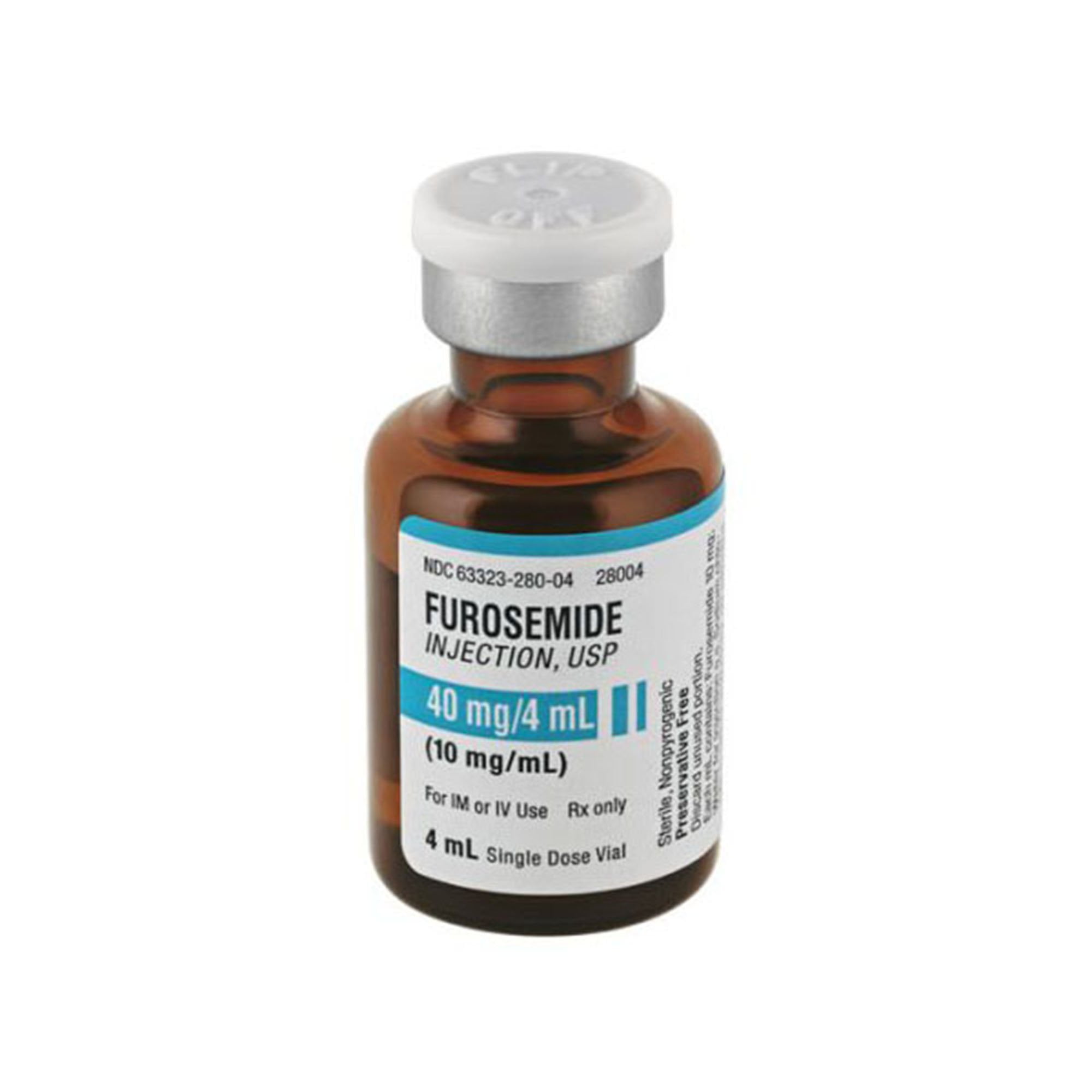
Furosemide Injection
Buy Furosemide Injection Online
Secure Encrypted Payments
Furosemide Injection is a loop diuretic medicine used when rapid removal of extra fluid is needed or when an oral diuretic is not practical. It can be ordered online, with current pricing shown during checkout and strength choices matched to the directions written for your treatment plan. BorderFreeHealth offers US delivery from Canada for eligible medication orders supplied through licensed pharmacies.
Furosemide is the active ingredient in Lasix Injection and other furosemide injectable products. The medicine increases urine output by helping the kidneys remove excess salt and water, which can reduce swelling and fluid buildup. Injectable use is typically handled by trained healthcare professionals because the route, rate, monitoring, and follow-up labs affect safety.
Price, Strengths, and Ordering Details
Furosemide Injection price can vary by manufacturer, vial size, concentration, quantity, and the specific package requested. Common product references include Furosemide Injection 10 mg/mL, Furosemide Injection 20 mg/2 mL, Furosemide Injection 40 mg/4 mL, and Furosemide Injection 100 mg/10 mL, although the available strength and package should always match the medicine selected during ordering and the administration directions you have been given.
When choosing a furosemide injection vial, pay close attention to concentration and total volume. A 10 mg/mL concentration means each milliliter contains 10 mg of furosemide, but the total amount in the container depends on vial volume. This distinction matters because injectable medicines are measured and administered according to clinical directions, not by the carton name alone.
Quick tip: Keep the carton and vial label together until the last dose is used.
Cash-pay customers can view the current furosemide injection cost before completing an order. If the strength, volume, or quantity does not match the intended use, pause and clarify the directions with the healthcare professional responsible for administration. For broader browsing within related medicines, the cardiovascular medications category can help place this product beside other therapies used in heart and fluid-balance care.
What Furosemide Injection Is Used For
Furosemide Injection is used to treat edema, which means excess fluid held in body tissues. Edema may occur with heart failure, liver disease, kidney disorders, or other clinical situations where the body is retaining too much salt and water. Injectable furosemide may also be used in acute pulmonary edema, a serious form of fluid buildup in the lungs that can cause shortness of breath and requires prompt medical assessment.
The injection may be chosen when a faster effect is needed, when swallowing is not possible, or when absorption from tablets is unreliable. For longer-term fluid control, many people use oral diuretics instead, but an injectable route can be useful in monitored settings. Condition information related to this medicine is available through the edema condition hub, the heart failure condition hub, and the pulmonary edema condition hub.
Furosemide helps relieve fluid overload, but it does not treat every cause of swelling. New or worsening swelling, rapid weight changes, chest discomfort, fainting, or breathing difficulty should be assessed promptly. People with chronic heart failure often need a broader plan that may include diet changes, other heart medicines, lab monitoring, and scheduled follow-up.
How the Injection Works
Furosemide is a loop diuretic, often described as a water pill when taken by mouth. In injectable form, it works in the loop of Henle, a part of the kidney that helps control salt and water balance. By reducing sodium and chloride reabsorption, the medicine causes more salt to stay in the urine; water follows that salt, increasing urine production.
As fluid leaves the body, swelling can decrease and pressure from excess fluid may improve. Blood pressure can also fall because circulating fluid volume is lower. This is one reason monitoring is important, especially for older adults, people taking blood-pressure medicines, and those with kidney impairment or recent dehydration.
The response to furosemide varies. Kidney function, fluid status, salt intake, other medicines, and severity of illness can all affect how much urine output occurs. Healthcare professionals often track urine output, weight changes when relevant, blood pressure, symptoms, and laboratory values before deciding whether additional treatment is needed.
IV and IM Administration Basics
Furosemide IV injection is given into a vein, and Furosemide IM injection is given into a muscle. IV use is common when rapid and controlled delivery is needed, while IM use may be considered when venous access is not practical. Both routes require proper technique, correct product identification, and attention to the labeled concentration.
Administration details should come from the healthcare professional managing the medicine. The dose, route, rate, and timing depend on the clinical goal and the person’s fluid status. Rapid IV administration can increase the risk of hearing-related toxicity, so trained administration and close observation are important.
Why it matters: Electrolyte changes can be silent until they become serious.
Because the medicine can change fluid and mineral levels quickly, monitoring is not optional. Sodium, potassium, magnesium, kidney function tests, blood pressure, and urine output may be followed during treatment. If care happens outside a hospital, ask what symptoms require urgent help and when laboratory testing should be done.
Vials, Concentration, and Product Identification
Furosemide injectable solution is commonly supplied as a sterile solution for intravenous or intramuscular use. Many labels describe furosemide injection USP at 10 mg/mL. Packaging may include single-dose vials, multi-dose vials, or ampules depending on the manufacturer and care setting.
Single-dose vials are intended for one-time withdrawal and should be handled according to aseptic technique. Multi-dose vials may contain preservatives and have different handling rules after first puncture. A preservative-free furosemide injection may be preferred in some workflows or patient populations, but the actual package label determines whether preservatives are present.
| Common reference | Concentration | Total volume | Practical note |
|---|---|---|---|
| Furosemide 20 mg/2 mL vial | 10 mg/mL | 2 mL | Check vial label before withdrawal |
| Furosemide 40 mg/4 mL vial | 10 mg/mL | 4 mL | Match volume to administration directions |
| Furosemide 100 mg/10 mL vial | 10 mg/mL | 10 mL | May be referenced for larger total content |
| Ampule or multi-dose vial | Varies by label | Varies | Follow facility handling procedures |
Before use, confirm the active ingredient, concentration, expiration date, container type, and solution appearance. Do not use a vial if the solution is discolored, cloudy, or contains visible particles unless a healthcare professional determines the appearance is acceptable under the product label.
Storage, Handling, and Travel
Storage instructions depend on the manufacturer label, but furosemide injectable solution is commonly kept at controlled room temperature and protected from light. Original cartons help preserve labeling information and reduce unnecessary light exposure. Avoid freezing, prolonged heat, and storage areas where temperature changes are frequent.
Injectable medicines should be kept out of reach of children and pets. If a vial travels between home, clinic, and another care site, keep it in its original packaging whenever possible. Carry written medication directions and contact information for the healthcare professional overseeing administration, especially if care will occur away from the usual setting.
Prompt, express shipping may be available at checkout. Once the medicine arrives, compare the label to the intended strength and quantity before arranging administration. Country-of-origin details can vary by product supply, and the Canada origin information section may help explain how some store medicines are sourced.
Side Effects, Warnings, and Monitoring
Common effects of furosemide injection are tied to increased urination and fluid shifts. These may include frequent urination, thirst, dry mouth, dizziness, lightheadedness, weakness, muscle cramps, headache, or mild stomach upset. Standing up slowly can reduce the chance of feeling faint, but persistent dizziness needs medical attention.
Important lab changes may include low potassium, low sodium, low magnesium, increased uric acid, and changes in kidney function. Low potassium can contribute to muscle weakness, cramps, or abnormal heart rhythms, particularly in people taking digoxin or those with heart disease. Dehydration can develop if fluid loss exceeds intake or if vomiting, diarrhea, fever, or poor oral intake occur during treatment.
Serious risks require urgent evaluation. These include fainting, confusion, severe weakness, very low urine output, signs of severe dehydration, rash or swelling suggestive of allergy, chest pain, or hearing changes such as ringing in the ears. Ototoxicity, meaning hearing-related toxicity, is more likely with rapid IV administration, high exposure, kidney impairment, or certain interacting medicines.
Furosemide is generally avoided in anuria, which means the kidneys are not producing urine. It may need extra caution in severe dehydration, major electrolyte depletion, significant liver disease, gout, kidney impairment, or a history of sulfonamide allergy. Some people with sulfonamide antibiotic allergies may still tolerate furosemide, but the allergy history should be discussed carefully with a clinician.
Drug interactions often involve kidneys, blood pressure, or electrolytes. NSAIDs such as ibuprofen may reduce the diuretic effect and increase kidney stress in some people. ACE inhibitors, ARBs, and other blood-pressure medicines can increase the risk of low blood pressure or kidney function changes. Lithium levels can rise, digoxin toxicity risk can increase if potassium drops, and aminoglycoside antibiotics may add to hearing-related risk.
Who May Need Extra Caution
Older adults can be more sensitive to blood-pressure drops, dehydration, and electrolyte changes. People with reduced kidney reserve may respond unpredictably, so lab monitoring can matter as much as symptom relief. Those with liver disease may need close observation because rapid fluid and electrolyte shifts can worsen confusion or other complications.
Pregnancy and breastfeeding decisions depend on the reason for treatment, disease severity, and available monitoring. Pediatric use is individualized and depends on weight, condition, and clinical protocols. Injectable diuretics should not be used casually for weight loss; any weight change from furosemide mainly reflects fluid loss, not fat loss.
Tell the healthcare professional managing administration about all prescription medicines, non-prescription products, supplements, and recent medication changes. Include episodes of diarrhea, vomiting, poor intake, heat exposure, or heavy sweating. These details can change the safety plan because furosemide affects both fluid volume and mineral balance.
How It Compares With Related Options
Injectable furosemide is often used when a faster, more predictable route is needed. Oral furosemide may be used for ongoing outpatient fluid management when the person is stable and able to absorb tablets. Switching between injection and tablets should follow a clinician’s plan because the timing and effect can differ.
Other diuretics work differently. Spironolactone is a potassium-sparing diuretic and aldosterone antagonist sometimes used in heart failure treatment plans, but it is not a direct substitute for a loop diuretic injection. Thiazide diuretics may help with blood pressure or milder edema in some cases, yet they have different strengths, onset patterns, and electrolyte effects.
Heart failure care may also include non-diuretic medicines such as ACE inhibitors, ARBs, beta blockers, mineralocorticoid receptor antagonists, or SGLT2 inhibitors. These therapies address different pathways, while furosemide mainly helps manage fluid. For broader reading on heart and circulation topics, the cardiovascular articles category can support conversations with your care team.
Authoritative Sources
Official labeling and reputable medical references provide the best support for indications, administration cautions, contraindications, adverse reactions, and monitoring. Use these sources when discussing furosemide injection safety with a healthcare professional:
- DailyMed furosemide injection label
- FDA furosemide injection prescribing information
- MedlinePlus furosemide injection drug information
Before administration, confirm that the vial, concentration, route, and monitoring plan match the directions you were given. If symptoms worsen, side effects appear, or the product label does not match the intended use, contact the healthcare professional responsible for the medicine before proceeding.
This content is for informational purposes only and is not a substitute for professional medical advice.
eGFR Calculator
Estimate kidney filtration using the 2021 CKD-EPI creatinine equation.
eGFR
-
mL/min/1.73 m2
G category
-
requires clinical context
These calculations are for education only and do not replace clinical advice, diagnosis, or treatment. Always confirm medical decisions with a qualified healthcare professional.
Creatinine Clearance Calculator
Estimate creatinine clearance using the Cockcroft-Gault equation.
CrCl
-
mL/min estimate
These calculations are for education only and do not replace clinical advice, diagnosis, or treatment. Always confirm medical decisions with a qualified healthcare professional.
Fractional Excretion of Sodium Calculator
Calculate FENa from urine sodium, serum sodium, urine creatinine, and serum creatinine.
FENa-percentage
These calculations are for education only and do not replace clinical advice, diagnosis, or treatment. Always confirm medical decisions with a qualified healthcare professional.
Fractional Excretion of Urea Calculator
Calculate FEUrea from urine urea, serum urea/BUN, urine creatinine, and serum creatinine.
FEUrea-use matching urea/BUN conventions
These calculations are for education only and do not replace clinical advice, diagnosis, or treatment. Always confirm medical decisions with a qualified healthcare professional.
Corrected Sodium Calculator
Estimate sodium corrected for hyperglycemia using common 1.6 and 2.4 correction factors.
Corrected sodium
-
1.6 factor
Corrected sodium
-
2.4 factor
These calculations are for education only and do not replace clinical advice, diagnosis, or treatment. Always confirm medical decisions with a qualified healthcare professional.
Express Shipping - from $29.99
Shipping with this method takes 3-5 days
Prices:
- Dry-Packed Products $29.99
- Cold-Packed Products $39.99
Shipping Countries:
- United States (all contiguous states**)
- Worldwide (excludes some countries***)
Standard Shipping - $19.99
Shipping with this method takes 5-10 days
Prices:
- Dry-Packed Products $19.99
- Not available for Cold-Packed products
Shipping Countries:
- United States (all contiguous states**)
- Worldwide (excludes some countries***)
What is Furosemide Injection used for?
Furosemide Injection is used to treat edema, or excess fluid buildup, that may occur with heart failure, liver disease, kidney disease, and other medical conditions. It may also be used when rapid diuresis is needed or when oral medicine is not practical.
Is Furosemide Injection given IV or IM?
Furosemide Injection may be given intravenously (IV) or intramuscularly (IM). IV administration is common when rapid, controlled delivery is needed, while IM use may be considered when IV access is not practical. A trained healthcare professional should determine the route and technique.
Does furosemide come as an injection?
Yes. Furosemide is available as an injectable sterile solution, commonly referenced as 10 mg/mL in vial formats such as 20 mg/2 mL, 40 mg/4 mL, and 100 mg/10 mL. Always match the actual vial label to the intended administration directions.
What side effects can Furosemide Injection cause?
Common effects include increased urination, thirst, dizziness, low blood pressure, muscle cramps, and electrolyte changes such as low potassium or low sodium. Serious concerns include dehydration, worsening kidney function, allergic reactions, and hearing changes, especially with rapid IV use or interacting medicines.
How should Furosemide Injection be stored?
Follow the manufacturer label and pharmacy instructions. Furosemide injectable solution is commonly stored at controlled room temperature and protected from light. Keep vials in the original carton when possible, avoid freezing or prolonged heat, and do not use discolored or particle-containing solution unless cleared by a healthcare professional.
Rewards Program
Earn points on birthdays, product orders, reviews, friend referrals, and more! Enjoy your medication at unparalleled discounts while reaping rewards for every step you take with us.
You can read more about rewards here.
POINT VALUE
How to earn points
- 1Create an account and start earning.
- 2Earn points every time you shop or perform certain actions.
- 3Redeem points for exclusive discounts.
You Might Also Like
Select options
This product has multiple variants. The options may be chosen on the product page
Select options
This product has multiple variants. The options may be chosen on the product page
Select options
This product has multiple variants. The options may be chosen on the product page
Select options
This product has multiple variants. The options may be chosen on the product page