

Shipping with this method takes 3-5 days
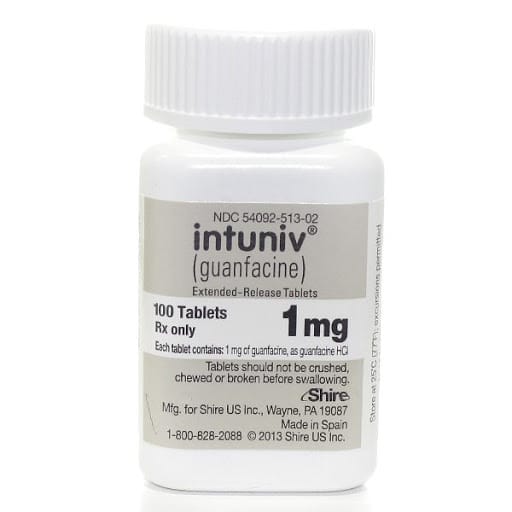
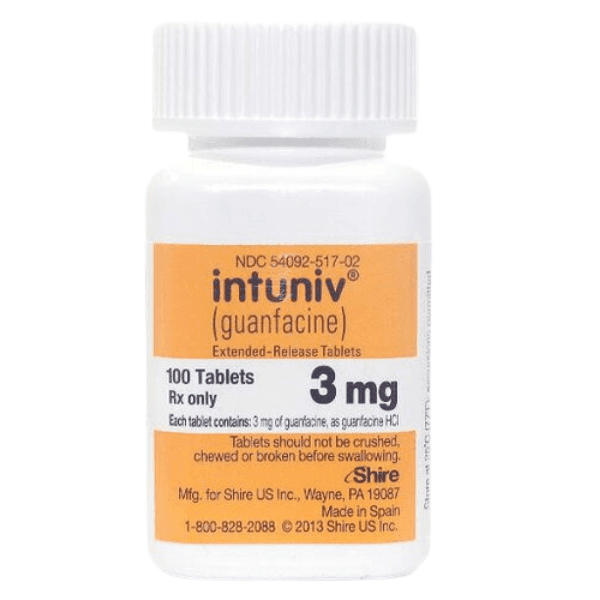
Intuniv XR
Intuniv XR (guanfacine ER)
Price:
Price range: $451.99 through $730.99
Secure Encrypted Payments
Guanfacine extended-release is a prescription, once-daily non-stimulant used in ADHD care. This page explains how the medicine works, how it is commonly taken, and what safety points are most important to review. It also summarizes practical steps like handling, storage, and what to check before starting a refill.
What Intuniv XR Is and How It Works
This medication is an extended-release (long-acting) form of guanfacine, an alpha-2A adrenergic agonist (a nerve-signal modulator) that acts in brain circuits involved in attention and impulse control. When access is arranged through a referral platform, US shipping from Canada may be part of the process, and a valid prescription is still required even when paying cash without insurance. The treatment is not a stimulant, and it does not work the same way as amphetamine- or methylphenidate-based options.
Guanfacine ER is designed to release slowly over the day, which helps keep levels steadier than immediate-release guanfacine. Because it can also lower heart rate and blood pressure, many prescribers treat it as both a behavioral-symptom medicine and a cardiovascular-active medication. Prescriptions are confirmed with prescribers before a partner Canadian pharmacy dispenses.
In everyday terms, people often describe the goal as fewer “revved up” moments and easier follow-through, especially for hyperactivity, impulsivity, and emotional reactivity. Effects and tolerability can vary, and benefits are usually weighed against drowsiness or lightheadedness. A medication guide or label summary from the dispensing pharmacy is the best reference for tablet-specific instructions.
Who It’s For
This therapy is used for attention-deficit/hyperactivity disorder (ADHD). In the U.S., the brand product is labeled for pediatric patients, and some clinicians may also prescribe guanfacine ER to adults off-label when they judge it appropriate. For condition-specific browsing, the site’s hubs can be a starting point, including Attention Deficit and Hyperactivity Disorder.
Selection is individualized and typically considers daytime sleepiness, school or work demands, and any history of fainting or low blood pressure. In some care plans, Intuniv XR may be used alone or alongside other ADHD treatments under prescriber oversight. The medicine is not appropriate for people with a known allergy to guanfacine or any tablet component, and it may not be a good fit when significant bradycardia (slow heart rate) or symptomatic hypotension is already present.
Shared decision-making often includes reviewing coexisting conditions such as anxiety, depression, tic disorders, or sleep problems. When more than one condition is being treated, it helps to keep a simple list of current medicines and supplements so the prescriber can screen for additive sedation or blood-pressure effects.
Dosage and Usage
Guanfacine extended-release tablets are generally taken once daily, at the same time each day, either in the morning or evening, depending on how sedation affects the person. Prescribers usually start Intuniv XR at a low dose and increase gradually, often in small weekly steps, to balance symptom control with side effects. The exact dose and titration pace should follow the prescriber’s directions and the product labeling for the patient’s age group.
Because this medicine can affect blood pressure, dose changes are commonly paired with basic monitoring. That can mean checking pulse and blood pressure at visits, and watching for dizziness, unusual fatigue, or fainting—especially during the first few weeks. If therapy is being discontinued, labeling commonly recommends tapering rather than stopping abruptly to reduce the chance of rebound hypertension (a blood-pressure rise after sudden withdrawal).
Swallowing and missed doses
Extended-release tablets are meant to be swallowed whole with water. Crushing, chewing, or splitting can change how the dose releases, which may increase side effects or reduce consistency. Some labels advise avoiding a high-fat meal close to the dose because it can change absorption. If a dose is missed, directions often advise taking the next dose at the regular time rather than doubling up. After multiple missed doses, re-titration may be needed, so the prescriber or pharmacist should be asked for instructions specific to the situation.
Strengths and Forms
This product is supplied as once-daily extended-release tablets. Intuniv XR extended-release tablets are commonly available in 1 mg, 2 mg, 3 mg, and 4 mg strengths, and generic guanfacine XR tablets may also be available depending on the dispensing pharmacy. Availability can vary, so the dispensed strength and tablet appearance should always be checked against the pharmacy label.
To keep strengths clear and reduce mix-ups, it can help to record the exact tablet strength in a medication list (for example, “guanfacine ER 2 mg”) rather than relying on tablet color alone. When more than one tablet is prescribed to make a total daily dose, people may also benefit from a simple pill organizer and a consistent routine.
| Form | Typical strengths | Notes |
|---|---|---|
| Extended-release tablet | 1 mg, 2 mg, 3 mg, 4 mg | Swallow whole; do not crush or chew |
Storage and Travel Basics
Store tablets at controlled room temperature in a dry place, away from excess heat and moisture. Keeping the medication in its original container can help protect it and keeps the pharmacy label available for quick reference. If a desiccant (drying packet) is included, it should remain in the bottle.
Quick tip: When traveling, carry doses in hand luggage and keep the prescription label with the tablets.
For travel days that disrupt routines, the safest plan is usually to keep the once-daily schedule consistent and ask the prescriber if time-zone changes are significant. Avoid leaving tablets in a car where temperatures can swing widely. As with all prescription medicines, store out of reach of children and pets, and do not share medication with others.
Side Effects and Safety
Common side effects with this therapy often relate to its calming and blood-pressure effects. Sleepiness, fatigue, dizziness, dry mouth, constipation, and headache may occur, especially when starting or after a dose increase. Some people notice lower energy during the day or need to adjust the timing of their dose to better match school or work demands.
More serious concerns include fainting (syncope), symptomatic low blood pressure, and a heart rate that becomes too slow for the individual. Worsening depression, unusual irritability, or behavior changes should also be taken seriously and discussed promptly. If the medicine is stopped suddenly, a rebound rise in blood pressure can occur, so discontinuation is usually planned as a taper.
Why it matters: Lightheadedness and fainting risk increases with dehydration or rapid position changes.
Because sedation can be prominent, clinicians often advise extra caution with driving or other activities requiring alertness until the person’s response is known. If other mental health medications are also used, side-effect overlap can be important to recognize; the site’s guides such as Zoloft Side Effects and Wellbutrin XL Side Effects can help people understand what is typical versus what should be escalated to a clinician.
Drug Interactions and Cautions
Guanfacine is affected by CYP3A4 enzymes, so strong inhibitors or inducers can raise or lower drug levels. The prescribing clinician may adjust the regimen or monitor more closely when certain antibiotics, antifungals, or seizure medicines are introduced or stopped. Alcohol and other sedating medications can add to drowsiness and impair coordination.
Blood-pressure-lowering effects can also add up when combined with antihypertensives or medicines that slow heart rate. Medication is sourced through licensed Canadian partner pharmacies for cross-border access. Sharing a complete medication list—including OTC sleep aids, antihistamines, and herbal products—helps reduce avoidable side effects.
For readers managing anxiety alongside ADHD, reviewing how other agents work can provide context for medication discussions; see resources like Buspirone Uses and Escitalopram Dosage Guide for broader background on commonly prescribed options.
Compare With Alternatives
Non-stimulant options for ADHD often include guanfacine ER, clonidine ER, and atomoxetine. Stimulant medications are also widely used and may have different onset and side-effect patterns. Choice among these options typically depends on symptom profile, sleep, appetite effects, cardiovascular history, and whether the person also experiences anxiety, tics, or significant emotional dysregulation.
When ADHD coexists with depression, OCD, or anxiety, clinicians may treat each condition with a distinct medicine, rather than expecting one drug to cover all symptoms. For separate indications, some people may be prescribed an antidepressant such as Venlafaxine XR; that type of medication is not an ADHD treatment. Educational reads like Fluvoxamine For OCD can help patients prepare more informed questions for their next appointment.
Regardless of the alternative, it is reasonable to ask how quickly changes are assessed, what monitoring is expected, and how dose changes are handled. Keeping a brief symptom log can make follow-up visits more productive without turning day-to-day life into a measurement exercise.
Pricing and Access
Out-of-pocket costs for Intuniv XR depend on the prescribed strength, quantity, and whether a generic guanfacine ER option is selected by the prescriber and pharmacy. Some people compare cash-pay totals to their local pharmacy, while others focus on consistency and convenience through an Intuniv XR mail order pharmacy workflow. If available, Available Promotions can be reviewed separately from clinical decisions.
As a referral platform, BorderFreeHealth coordinates fulfillment through Canadian partner pharmacies and requires a valid prescription before dispensing. Cash-pay pathways can help when insurance coverage is limited. To place an order through the site, select prompt, express shipping at checkout if offered.
After dispensing, patients should review the pharmacy label, keep dose timing consistent, and contact the dispensing pharmacy or prescriber if the tablets look different than expected. For additional context on side-effect conversations that often come up during medication changes, resources like Bupropion Side Effects can be useful reference points when discussing medication tolerability.
Authoritative Sources
For the most reliable details on indications, dosing limits by age, and tapering instructions, use official prescribing information and pharmacist counseling. These sources can also help clinicians confirm interaction cautions, food effects, and the exact language around missed doses.
A neutral starting point is the official U.S. label: FDA Prescribing Information (PDF).
For plain-language medication guidance, review: MedlinePlus: Guanfacine.
When learning about mental health and related treatments, browse: Mental Health Products and Mental Health Articles.
This content is for informational purposes only and is not a substitute for professional medical advice.
Express Shipping - from $25.00
Prices:
- Dry-Packed Products $25.00
- Cold-Packed Products $35.00
Shipping Countries:
- United States (all contiguous states**)
- Worldwide (excludes some countries***)
Standard Shipping - $15.00
Shipping with this method takes 5-10 days
Prices:
- Dry-Packed Products $15.00
- Not available for Cold-Packed products
Shipping Countries:
- United States (all contiguous states**)
- Worldwide (excludes some countries***)
What is guanfacine ER and how is it different from stimulant ADHD medications?
Guanfacine ER (extended-release) is a non-stimulant medicine that works through alpha-2A adrenergic receptors, influencing signaling in brain networks involved in attention and impulse control. Stimulant medications primarily increase dopamine and norepinephrine activity and can have different side-effect patterns and onset. Guanfacine ER is also more likely to lower blood pressure or cause sleepiness, especially during dose increases. Which approach is appropriate depends on symptoms, medical history, and how side effects are tolerated.
Can this medication cause low blood pressure or a slow heart rate?
Yes. Guanfacine ER can lower blood pressure and reduce heart rate, which is part of why clinicians monitor for dizziness, fainting, unusual fatigue, or weakness—especially when starting therapy or changing the dose. Dehydration, hot weather, or standing up quickly can make lightheadedness more noticeable. People who already have symptomatic low blood pressure, a history of fainting, or take other blood-pressure-lowering medicines should make sure the prescriber is aware so risks can be assessed and monitoring planned.
How should extended-release guanfacine tablets be taken?
Extended-release tablets are intended to be swallowed whole, usually once daily at the same time each day. Crushing, chewing, or splitting can change how the dose releases, which may affect tolerability and consistency. Some product labeling notes that a high-fat meal can change absorption, so the prescriber or pharmacist may recommend a consistent approach to meals. If a dose is missed, directions often advise resuming the regular schedule rather than doubling a dose, but label-specific guidance should be followed.
Can guanfacine ER be used with a stimulant medication?
In some treatment plans, clinicians may prescribe guanfacine ER either alone or in combination with a stimulant, depending on symptom patterns and response. Combination therapy can increase the need to watch for side effects such as sleepiness, dizziness, appetite changes, or blood-pressure effects. Because each person’s medical history and medication list is different, any combination should be supervised by the prescriber with clear instructions on timing, monitoring, and what to do if side effects become problematic.
What should I ask my clinician before starting guanfacine ER?
Useful questions include: what symptoms are being targeted, how progress will be measured, and what side effects would prompt a call. It also helps to ask about blood pressure and heart rate monitoring, sedation precautions, and whether dose timing should be morning or evening. Share a complete list of medications and supplements, including sleep aids and antihistamines, since additive drowsiness is common. Finally, ask how missed doses should be handled and what the discontinuation plan would be if the medicine is not tolerated.
Do I need to taper off guanfacine ER to stop it?
Often, yes. Product labeling commonly recommends tapering rather than stopping suddenly, because abrupt discontinuation can lead to rebound hypertension (a blood-pressure increase after withdrawal) and related symptoms such as headache or agitation. Taper plans are individualized and may depend on the current dose, how long the medicine has been used, and other health conditions. If discontinuation is being considered, it should be discussed with the prescriber so the dose can be reduced safely and monitoring can be arranged if needed.
Rewards Program
Earn points on birthdays, product orders, reviews, friend referrals, and more! Enjoy your medication at unparalleled discounts while reaping rewards for every step you take with us.
You can read more about rewards here.
POINT VALUE
How to earn points
- 1Create an account and start earning.
- 2Earn points every time you shop or perform certain actions.
- 3Redeem points for exclusive discounts.
How to book an appointment
- 1Create Begin by completing a profile or log into your existing account. This step ensures we have the necessary information to provide you with a service that's tailored to your needs. account and start earning.
- 2Scheduling an appointment with our online booking system is easy. Pick a day and time that suits you. You’ll receive an immediate confirmation, without the wait.
- 3Discuss your concerns and symptoms and receive a thorough diagnosis from one of our licensed doctors during a confidential video appointment.
- 4If you've been prescribed medication, your Rx is sent directly to one of our licensed pharmacies and delivered right to your door.
Get Started
To book an online doctor appointment, register for an account or login. After doing so, you can book your visit on this page.
You Might Also Like
Select options
This product has multiple variants. The options may be chosen on the product page
Select options
This product has multiple variants. The options may be chosen on the product page
Select options
This product has multiple variants. The options may be chosen on the product page
Select options
This product has multiple variants. The options may be chosen on the product page